
China and Russia begin joint naval drills off Chinas coast as Europe warns Beijing over Moscow ties

China and Russia launched annual joint naval exercises off China’s eastern coast on Monday, deepening military cooperation as European leaders warned Beijing against enabling Moscow’s war in Ukraine. The drills, codenamed *Joint Sea-2026*, will run through July 13 near Qingdao and include joint maritime patrols in unspecified Pacific waters, according to statements from both countries’ defence ministries .
China’s Ministry of National Defence said the exercises are part of a regular cooperation plan aimed at “addressing security challenges and promoting peace and stability in the region” . Russian forces participating include a cruiser, corvette, diesel-electric submarine, and rescue vessel from the Pacific Fleet, while China’s Northern Theatre Command will deploy two destroyers, a frigate, submarine, supply ship, and rescue vessel . The manoeuvres will feature reconnaissance, air and missile defence, and surface-strike drills.
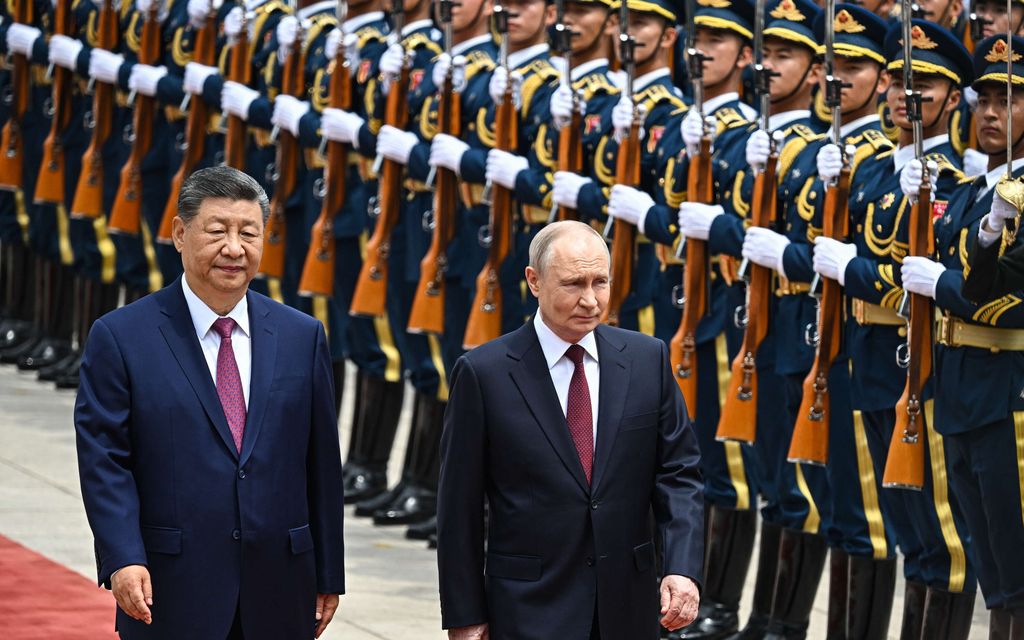
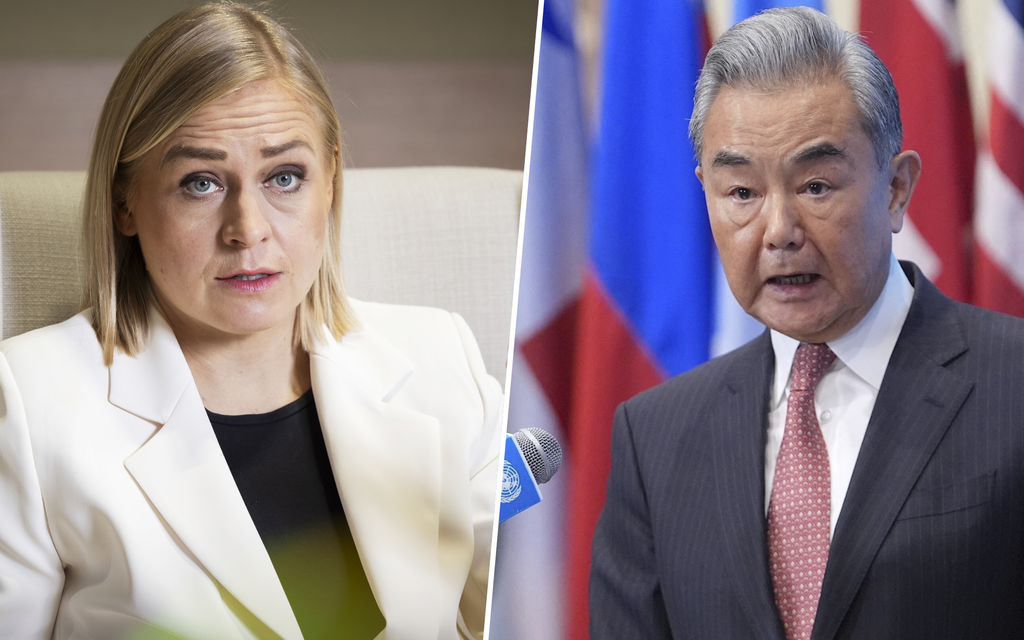
The timing underscores the growing strategic alignment between Beijing and Moscow, two months after Russian President Vladimir Putin described bilateral relations as reaching an “unprecedentedly high level” during a visit to China . China has repeatedly refused to condemn Russia’s full-scale invasion of Ukraine, framing itself as a neutral mediator while calling for peace talks. Finnish Foreign Minister Elina Valtonen, however, warned Chinese counterpart Wang Yi during his Helsinki visit on Sunday that Beijing’s support for Moscow risks destabilising Europe.
“If you support Russia, you challenge Europe,” Valtonen told reporters after their meeting, stressing that Russia remains the “most significant threat” to the continent . She added that China’s deepening partnership with Russia is “regrettable” and called on Beijing to take concrete steps to end the war. Valtonen also condemned China’s interference with a Pride-themed running event at its embassy in Beijing, describing the disruption as a violation of the Vienna Convention on Diplomatic Relations and raising human rights concerns during the talks .
The naval drills follow reports that China secretly trained around 200 Russian military personnel on its territory late last year, some of whom later returned to fight in Ukraine . The revelation has drawn criticism from EU capitals, with German Chancellor Friedrich Merz reportedly urging Beijing to devalue the yuan by 30% to ease pressure on German industry .
Meanwhile, European Commission President Ursula von der Leyen’s recent ultimatum to China—demanding “tangible results” by October or face unspecified measures—has drawn scepticism from Beijing. A *China Daily* editorial dismissed the move as “belligerent” and counterproductive, noting that previous EU attempts to pressure China had ultimately led to negotiations . Wang Yi’s ongoing tour of Nordic countries, including Finland, Denmark, Sweden, and Norway, reflects China’s efforts to manage relations amid rising tensions.
As the exercises begin, analysts warn the drills could further strain EU-China ties, particularly over Beijing’s refusal to distance itself from Moscow’s aggression. Valtonen’s warning to Wang—“You cannot support Russia without challenging Europe”—captures the growing unease in European capitals over China’s strategic calculus.
Follow us for live European news
- 3
- 2
- 2
- 2
- 1
- 1
- 1
- 1
- 1
5 further sources not geolocated
Articles
Mediat: Kiinan ja Venäjän salainen operaatio paljastui – Saksa ärähti
iltalehti · about 4 hours ago
Chinas Universitäten: Wer will „Politische Sicherheit studieren? China baut das Studienangebot grundlegend um: Tausende Studiengänge verschwinden, Tausende neue entstehen. Mehr denn je sind die Fächer auf die Ziele der Partei zugeschnitten.
faz · about 4 hours ago

Der Kampf um Seltene Erden: Rohstoff-Wettlauf mit deutschen Hemmschuhen Wirtschaft und Militär hängen von Seltenen Erden und Lithium ab. Der Politikwissenschaftler Jakob Kullik rät, hier robuster gegen Chinas Vormachtstellung vorzugehen. Doch zu welchem Preis?
sueddeutsche · about 4 hours ago
Von der Leyens China ultimatum another symptom of EUs challenge, not a solution: China Daily editorial
gdeltproject.org · about 4 hours ago
China and Russia to hold annual joint naval drills Exercises from Monday to July 13 off Qingdao to be followed by joint maritime patrols in the Pacific Ocean.
aljazeera · about 4 hours ago
Raportti: Näin Kiina voitti Trumpin sodassa
iltalehti · about 4 hours ago
Valtonen: Kiina tietää tämän asian Venäjästä
iltalehti · about 4 hours ago
Ulkopolitiikka | Valtonen valittelee Kiinan syventyneitä välejä Venäjään ulkoministeritapaamisen jälkeen Ulkoministeri Wang Yi vierailee Suomessa osana Pohjoismaiden-kiertuettaan.
helsingin sanomat · about 4 hours ago
China shock 2.0 in the EU: Panicked Merz asks Beijing to reduce the yuan exchange rate by 30 to save German industry
gdeltproject.org · about 4 hours ago

Bangladesh and China announce a new era in ties during Prime Minister Tarique Rahmans trip.
bluesky_Foreign Policy · about 4 hours ago
#China #Russia China and Russia are conducting the "Joint Sea-2026" naval exercise this month near Qingdao, involving various naval and air units from both countries. The drills aim to enhance strategic coordination and operational cooperation between the two navies. Subscribe to @OSINTdefender Chat room
telegram_OSINTdefender · about 5 hours ago
Paljastus Kiinan toimista venäläissotilaiden kanssa – Saksalta kova reaktio
iltalehti · about 5 hours ago
Éra nejlevnějších balíčků z Číny se clem končí. Čeští obchodníci by ale chtěli ještě přitvrdit Velmi levné nakupování čínského zboží skončilo. V EU začalo platit clo na drobné zásilky z platforem jako Temu, Shein nebo AliExpress, které od něj byly dosud osvobozeny. Místní konkurenti zdražení balíků vítají, k narovnání situace to ale podle nich nestačí.
denik n · about 5 hours ago
Stoltenberg discussed energy and the economy with Merkel
gdeltproject.org · about 5 hours ago
Data centres are a crucial test of US industrial resolve America must not repeat the mistakes that handed China rare-earth dominance
financial times · about 5 hours ago
Lithuanian lawmaker says China open to normalising relations - The Baltic Times VILNIUS - China appears inclined to negotiate on normalising relations with Lithuania, the chairman of the Seimas foreign affairs committee said......
baltic times · about 5 hours ago
Taiwan ist die Mikrochip-Macht der Welt - und bleibt dennoch verwundbar [premium] Taiwan beherrscht die Produktion fortschrittlicher Mikrochips. Das stärkt die internationale Position der Insel. Doch Experten halten vom Konzept des Chip-Schutzschilds wenig.
die presse · about 5 hours ago
AUSTRIA-VIENNA-HEATWAVE-CHINA-AIR CONDITIONER
gdeltproject.org · about 5 hours ago

Überwachung als Exportware – Wie China die Welt schleichend verändert China präsentiert sich nach außen als Hort der Stabilität. Im Inneren erstickt der Sicherheitsapparat jeden Widerspruch. Seine Strategie exportiert Peking ins Ausland – und verändert damit schleichend die Länder und ihre Sicht auf die Welt. Einblicke in ein für den Westen hochriskantes System.
welt.de · about 5 hours ago
China announces joint naval exercises with Russia in July China and Russia will hold joint naval exercises in Chinese waters and airspace in July.
ukrinform · about 5 hours ago
China anunță că a bătut palma cu Rusia pentru o serie de exerciții navale comune. Oficiali: Inițiativa vizează să mențină pacea China a anunţat duminică că va desfăşura în iulie exerciţiile navale anuale împreună cu Rusia, de data aceasta în apropierea coastelor chineze, urmate de patrule comune într-o zonă nespecificată din Pacific, informează AFP.
digi24 · about 5 hours ago
Ryssland och Kina i militärövning Ryssland och Kina håller under juli sin årliga gemensamma militärövning och patrullerar i delar av Stilla havet, meddelar Kinas försvarsdepartement.
svenska dagbladet · about 5 hours ago

KI-Boom beschert taiwanischem Auftragsfertiger Foxconn Umsatzsprung Zulieferer übertraf Erwartungen, warnt aber vor "volatiler" Weltlage
der standard · about 5 hours ago
De ce arborii plantați de China în cadrul amplului program de reîmpădurire cresc cu 66 mai repede decât pădurile naturale? Arborii plantați în cadrul amplului program de reîmpădurire al Chinei cresc semnificativ mai repede decât cei din pădurile naturale, potrivit unui nou studiu.
adevarul · about 5 hours ago
Kitajska napovedala skupne vojaške vaje z Rusijo Kitajska in Rusija bosta ta mesec izvedli skupne pomorske vojaške vaje, je napovedalo kitajsko obrambno ministrstvo. Ob tem je dodalo, da bosta državi tudi patruljirali v Tihem oceanu. Moskva je nato potrdila, da se bodo skupne vaje začele v ponedeljek.
rtv slovenia · about 5 hours ago