
Netherlands issues first-ever Code Red heat alert as temperatures hit 40C

Story Timeline
3 months · 9 summary articles
The Netherlands has issued its first-ever Code Red heat alert as temperatures are set to soar to 40°C tomorrow, marking an unprecedented escalation in the country’s weather warnings. The Royal Netherlands Meteorological Institute (KNMI) activated the highest-level alert at midnight on Thursday, warning that extreme heat poses severe risks to public health, including dehydration, heatstroke, and life-threatening heat exhaustion. The alert covers large parts of the country and remains in effect through Friday, with daytime temperatures unlikely to drop below 30°C until at least next week .
Belgium has also shattered records, with 34.2°C measured in Uccle on Thursday, surpassing the previous daily high set in 1976 . The extreme conditions have triggered infrastructure strain, including buckled road surfaces and warped railway tracks, disrupting transport across both nations .
The heatwave coincides with a thunderstorm warning for Friday afternoon, adding another layer of risk as storms could exacerbate heat-related hazards. The KNMI’s decision to issue Code Red reflects the accelerating impact of climate change, with heatwaves becoming more frequent and intense. “The first national heatwave of the year is now official,” the KNMI confirmed on Thursday, noting that such events are “no longer rare” due to global warming .
Across Europe, the crisis has already claimed lives. In France, a toddler died after being trapped in a hot car while their mother slept, as Paris recorded temperatures above 40°C for the first time in 150 years . Germany, meanwhile, braces for up to 43°C, with the German Weather Service warning of a “heat dome” gripping the continent .
Authorities in the Netherlands are urging residents to take precautions, including staying hydrated, avoiding outdoor activities during peak heat, and checking on vulnerable neighbors. The KNMI’s unprecedented alert underscores the urgent need for adaptation as extreme weather events become the new norm. With no relief expected until next week, the coming days will test the resilience of communities and infrastructure alike.
Follow us for live European news
- 6
- 2
- 2
- 1
- 1
Articles
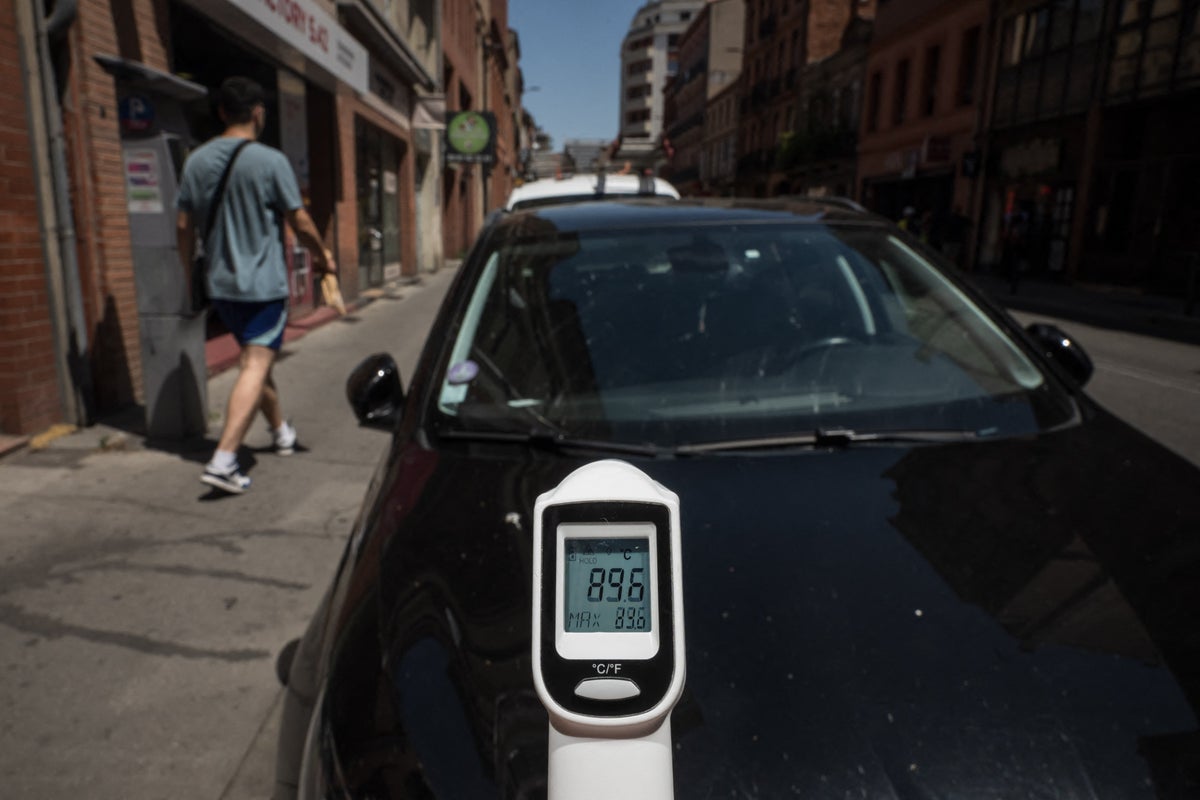
Toddler dies in hot car after becoming trapped while mother slept in 40C heatwave Paris is recording temperatures well above 40C for the first time in 150 years
independent · 2 months ago

Dutch heatwave now official; Historic Code Red hot weather alert debated The official declaration of a heatwave took place on Thursday in the Netherlands, with daytime temperatures below 30 unlikely until next week.
nltimes.nl · 2 months ago

Lutte contre les canicules : Il manque encore une réelle prise de conscience La lutte contre les coups de chaleur – appelés à se multiplier dans le futur – doit sinscrire dans des projets daménagement de lespace public sur le long terme. Parkings ou zones de fraîcheur, il faudra choisir. ...
la libre · 2 months ago

Live - Dagrecord van 1976 sneuvelt: 34,2 graden gemeten in Ukkel • Nederland kondigt voor eerste keer ooit code rood af om hitte
de morgen · 2 months ago
Morgen code rood in groot deel van Nederland om extreme hitte Voor een groot deel van het land geldt vanaf middernacht code rood. Het weeralarm is afgekondigd vanwege de extreme hitte. Het is de eerste keer dat in Nederland code rood geldt vanwege de warmte. Het KNMI waarschuwt dat iedereen klachten als uitdroging en oververhitting kan krijgen. Ook kan iedereen een levensbedreigende hitteberoerte oplopen.
rtl nieuws · 2 months ago
Video | Gesmolten rails en vervormd wegdek: verkeer zucht onder hitte
nu.nl · 2 months ago
Hitzeglocke legt sich über Deutschland – hier erwarten Meteorologen jetzt bis zu 43 Grad Die vergangene Nacht war so warm wie nur eine zuvor seit Beginn der Messungen. Und es wird noch heißer – der Deutsche Wetterdienst gibt einen aktuelle Ausblick. Mehr im Liveticker.
welt.de · 2 months ago
Kerncentrales hebben moeite met het hete weer Ja, het weer beïnvloedt de hoeveelheid opgewekte zonne-energie en windenergie. Dat ligt voor de hand.
nrc · 2 months ago

Morgen code rood in groot deel van het land wegens benauwde hitte waar iedereen last van kan krijgen
de volkskrant · 2 months ago

Extreme thunderstorms possible as Status Orange warning issued for Cork, Kerry and Waterford All of Connacht and Co Donegal is currently under a Status Yellow thunderstorm warning.
thejournal · 2 months ago
First-ever Code Red alert issued for heat in the Netherlands; Up to 40°C tomorrow The most severe weather alert for excessive heat was issued in the Netherlands for the first time in history on Thursday.
nltimes.nl · 2 months ago
Vanaf komende middernacht code rood vanwege extreme hitte Vanaf komende nacht geldt code rood vanwege de extreme hitte. Het is de eerste keer dat het KNMI code rood afgeeft om te waarschuwen voor hitte sinds het weerinstituut in 2010 met kleurcodes begon.
nu.nl · 2 months ago

Vrijdag voor het eerst code rood om hitte in groot deel van het land
trouw · 2 months ago

„Ich plädiere klar für zwei getrennte Matratzen und zwei Decken Zu warm, zu kalt, zu eng, zu unruhig, zu laut. Gemeinsam schlafen erfordert Kompromisse. Eine Studie belegt: Mehr als 70 Prozent empfinden die räumliche Trennung beim Schlafen als Gewinn. Wann ist „Sleep Divorce sinnvoll und wie funktioniert das?
welt.de · 2 months ago
Hitze: Cottbus verbietet Grablichter wegen Hitzewelle Die Stadt Cottbus reagiert auch auf Friedhöfen auf die Gluthitze: Grablichter sind verboten.
tagesspiegel · 2 months ago
De eerste hittegolf van het jaar is een feit. En dat fenomeen wordt door klimaatverandering steeds minder zeldzaam De eerste landelijke hittegolf van het jaar is een feit. Donderdagmiddag om 13.10 uur peilde het KNMI in De Bilt 30,2 graden.
nrc · 2 months ago
KNMI geeft code rood af voor grote delen van Nederland, voor het eerst zwaarste weerwaarschuwing vanwege extreme hitte Het KNMI geeft voor vrijdag in grote delen van het land code rood af vanwege de extreme hitte. Het is voor het eerst dat het hoogste weeralarm voor „gevaarlijk weer in Nederland…
nrc · 2 months ago
Three southern counties to come under Status Orange thunderstorm warnings All of Connacht and Co Donegal is currently under a Status Yellow thunderstorm warning.
thejournal · 2 months ago

Heatwave grips country as temperatures near record highs and thunderstorms gather Its not just the heat – theres a nationwide thunderstorm warning in place for the afternoon.
thejournal · 2 months ago