 Wednesday, May 20Wednesday, May 20
Fuel Prices and the Energy Crisis: Global Impacts and Responses
Rising fuel prices continue to drive significant shifts in global transportation and energy markets. In Africa, sharp increases in diesel and petrol costs have triggered violent protests in Kenya and Comoros, as well as strikes in Mozambique, highlighting the social and economic strain caused by the fuel crisis . Similarly, Asian airlines warn that fuel prices have more than doubled, raising concerns about potential industry collapses due to unsustainable operating costs .
In Europe, energy security remains a pressing issue, with warnings of imminent crude oil and diesel supply shortages exacerbating fears of further price volatility . However, concerns over jet fuel reserves have eased for the summer, despite ongoing disruptions in the Strait of Hormuz, a critical chokepoint for global oil shipments . Meanwhile, the UK is experiencing fluctuations in petrol and diesel prices, though specific trends remain under analysis . In Hungary, government protections against rising fuel prices are set to expire at the end of June, which may lead to further cost increases for consumers .
The surge in fuel costs has accelerated the adoption of electric vehicles (EVs) worldwide. The International Energy Agency (IEA) forecasts that EVs and hybrids will account for 30% of global car sales in 2026, driven by consumer responses to high fuel prices and declining vehicle costs . In Germany, EV sales have reached record levels, with Chinese manufacturers benefiting significantly from the shift due to competitive pricing and supply chain advantages . However, debates persist over the phase-out of internal combustion engines (ICE), with some arguing that delaying the ban could slow EV adoption and overwhelm automakers with too many powertrain options .
In the United States, high fuel prices have led to creative consumer responses, including viral trends like converting Barbie electric toy cars into functional, low-cost transportation alternatives . Meanwhile, Oregon is considering a gas tax increase to offset declining revenue from the growing number of fuel-efficient, hybrid, and electric vehicles .
Emerging economies are also adapting to the energy crisis. India is exploring strategies to bypass fossil fuel dependency by accelerating investments in renewable energy and EV infrastructure, positioning itself for long-term economic growth without heavy reliance on traditional fuel sources .

Auswirkungen der Energiekrise: Boom bei E-Autos Wegen der gestiegenen Treibstoffpreise und Fördermaßnahmen der Politik werden weltweit immer mehr E-Autos verkauft. Auch in Deutschland gibt es Rekorde. Vor allem Hersteller in China profitieren.
sueddeutsche · about 19 hours ago
Global EV and hybrid sales to hit 30 of car market this year, IEA forecasts Driver response to rising fuel prices and lower vehicle costs expected to propel sales
financial times · about 19 hours ago
Protests spread in Africa as fuel crisis deepens Sharp rises in diesel and petrol prices spark violent clashes in Kenya and Comoros as well as strikes in Mozambique
financial times · about 20 hours ago

India could repave the road to riches and skip the fossil fuel detour
news.yahoo.com · 1 day ago
Soluția virală a unui american după explozia prețurilor la carburanți: cum a transformat o jucărie Barbie în mijloc de transport Creșterea accentuată a prețurilor la carburanți în Statele Unite îi determină pe americani să găsească soluții tot mai inventive pentru a face față costurilor ridicate.
adevarul · 1 day ago
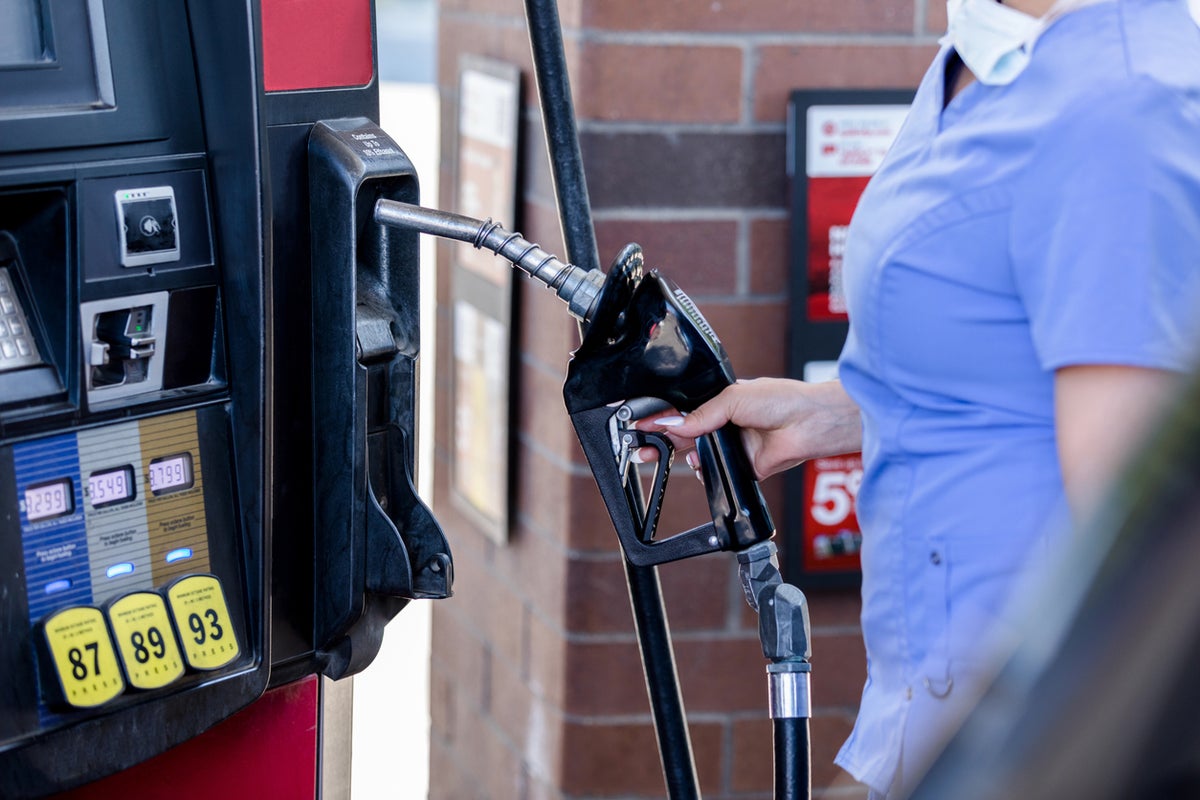
Gas tax increase is on the ballot in Oregon amid skyrocketing fuel prices The increase was Democrats answer to a decline in gas tax revenue from the shift to more fuel-efficient, electric and hybrid vehicles
independent · 1 day ago
Europe Energy Security Challenges: Warnings of Imminent Crude and Diesel Supply Shortages | Peak Oil News and Message Boards
gdeltproject.org · 1 day ago
Verbrenner-Aus: Die Gefahren der Technologieoffenheit Ohne das Verbrenner-Aus dürfte sich der Hochlauf der E-Mobilität stark verlangsamen. Zu viele Antriebsversionen könnten auch die Hersteller überfordern. (Verbrennerverbot, Elektroauto)
golem.de · 1 day ago
Summer should be fine as Europes jet fuel fears ease Airlines and governments are no longer concerned about fuel reserves despite ongoing disruption in the Strait of Hormuz.
politico.eu · 1 day ago

Whats happening to UK petrol and diesel prices?
news.yahoo.com · 1 day ago
Protection against Rising Fuel Prices Expires at the End of June
gdeltproject.org · 1 day ago
Asian Airlines Warn Fuel Prices More Than Double as Collapse Risks Rise
news.yahoo.com · 1 day ago