
OECD slashes Frances 2026 growth forecast to 0.9 amid Middle East conflict risks
The OECD has slashed France’s 2026 growth forecast to 0.9%—the lowest in the eurozone—warning that prolonged Middle East conflict could push the country into recession by early 2027. The downgrade, announced Wednesday, reflects France’s heavy reliance on Middle Eastern energy imports and its exposure to soaring industrial costs, according to the organization’s latest economic outlook .
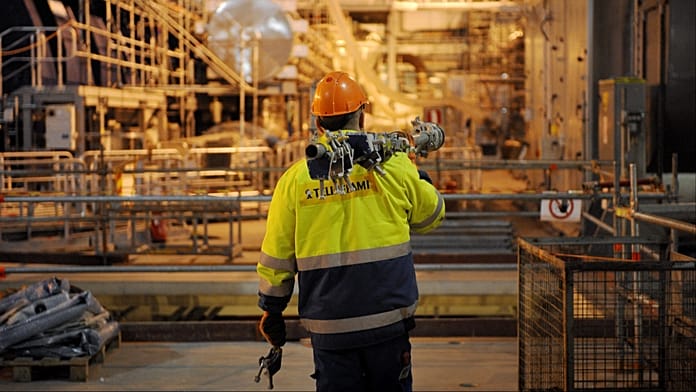
The Paris-based think tank now projects French GDP growth will trail Germany (1.1%) and the eurozone average (1.2%), a reversal from pre-war expectations. Energy-intensive sectors—automotive, chemicals, and steel—face the sharpest contraction, with the European Commission estimating up to 280,000 French jobs at risk if the conflict disrupts oil and gas flows through the Strait of Hormuz .
Inflation in France is forecast to average 3.1% in 2026, above the ECB’s 2% target, as higher energy costs feed into consumer prices. The OECD’s baseline scenario assumes no further escalation, but warns that a full-year supply shock could halve French growth to 0.4% and trigger a "technical recession" by Q1 2027 .
Finance Minister Bruno Le Maire has called the outlook "a wake-up call," urging accelerated investment in nuclear and renewable energy to reduce dependence on Middle Eastern imports. France’s current energy mix—70% nuclear, 15% renewables, and 15% fossil fuels—remains vulnerable to geopolitical shocks, with the government’s €50 billion green transition plan now under review [background context].
- independent
- euronews
- cnbc
Articles

S&P 500, Dow set to dip at open on Middle East stalemate reut.rs/43HrvEO
bluesky bot · 4 days ago

Report: Disruption of Mideast energy supplies into next year would slam global economy Prolonged disruption of energy supplies from the Middle East that lasts into next year would deal a severe blow to the global economy
independent · 4 days ago

OECD sees weaker growth, higher inflation if Mideast war drags on
gdeltproject.org · 4 days ago
Lebanon, Iraq face deepest growth downgrades from Middle East war, EBRD says
gdeltproject.org · 4 days ago

OECD cuts 2026 global growth forecast and warns of recession risk if Iran war persists The war in the Middle East has dented economic growth prospects worldwide, with a more severe shock likely if no effective ceasefire is agreed before 2027, the OECD warned Wednesday.
euronews · 4 days ago
Up to 1.3 million EU jobs at risk due to war in the Middle East The European Commission has raised the alarm over the economic impact of the conflict, warning that energy-intensive industries face the greatest risk of job losses.
euronews · 4 days ago
Middle East conflict and energy shock slow growth across EBRD regions Bank warns higher energy costs are reigniting inflation, weakening industrial competitiveness and straining already fragile public finances
intellinews · 4 days ago
OECD warns of global slowdown as U.S.-Iran war stymies economic growth prospects The OECD has cut its global growth outlook, warning of lasting damage caused by the Middle East conflict.
cnbc · 4 days ago

Japans decadelong strategy to insulate itself from Middle Eastern energy disruption has been proved right and rendered unworkable at the same time.
bluesky bot · 4 days ago