Loading…
 Saturday, August 29Saturday, August 29
3 months · 4 summary articles
The German federal budget (Bundeshaushalt 2027) and the cabinet decision-making process under Finance Minister Lars Klingbeil are facing significant challenges due to unresolved funding gaps. Ministers have submitted savings proposals for the 2027 budget, but the financial framework remains uncertain, with Klingbeil reportedly planning with "unguaranteed checks" (*ungedeckte Schecks*). This indicates a lack of clarity on how to cover expenditures, raising concerns about the feasibility of the proposed measures .
The federal government (Bundesregierung) is simultaneously advancing key legislative projects, including the digital wallet (EUDI-Wallet), which aims to digitize personal identification by 2027. The cabinet has initiated the legal framework for this project, emphasizing security and data protection . However, the broader cabinet decision-making process (Kabinettsbeschluss) appears strained by competing priorities and financial constraints.
The Heating Act (Heizungsgesetz) has also sparked controversy, with the federal government pushing to extend the use of oil and gas heating systems, while regional governments like Hamburg’s Green-led administration advocate for stricter regulations . This reflects ongoing tensions between federal and state-level policies, further complicating budgetary and legislative coordination.
Follow us for live European news

Dutch minister wants to scrap homeschooling exemption based on religious objections State Secretary for Education, Culture, and Science Judith Tielen said in an episode of the investigative programme BOOS that she wants to scrap the compulsory education exemption currently used by
nltimes.nl · 3 months ago
Unirektorensprecherin Hütter zu Budgetkürzungen im Studio
orf.at · 3 months ago
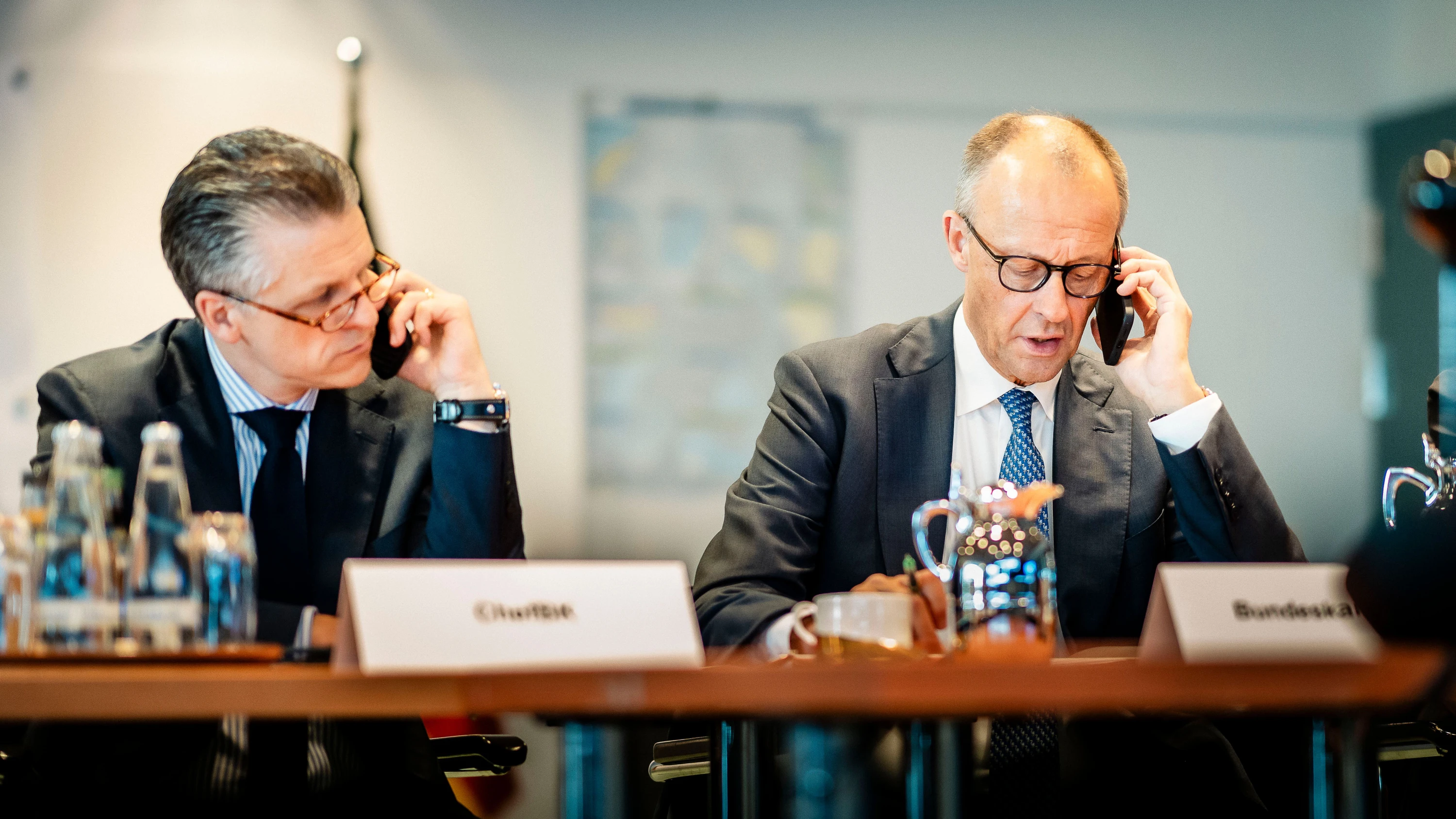
Deutschland-Liveblog: Bundesregierung übt Reaktion auf mögliche Flugzeugentführung Fiktiver Kabinettsbeschluss in Echtzeit gefasst +++ TU Chemnitz will Webers Gutachten nicht zum Anlass für neues Verfahren nehmen +++ FDP erhebt Beschwerde gegen NRW-Verfassungsschutzgesetz +++ alle Entwicklungen im Liveblog
faz · 3 months ago
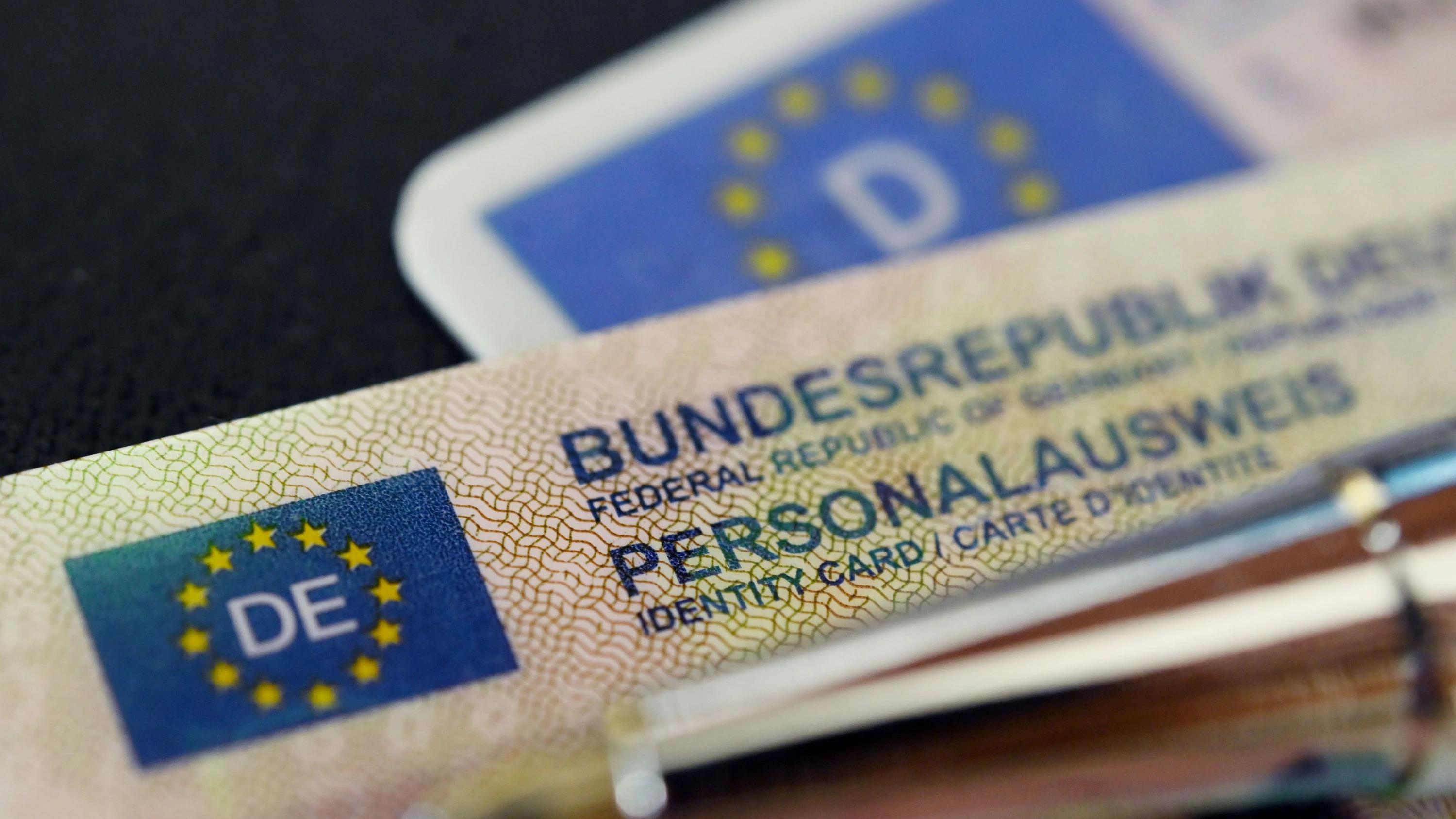
Moderner Staat: Kabinett bringt digitale Brieftasche auf den Weg Anfang 2027 startet die Bundesregierung eines ihrer größten Digitalprojekte: Die digitale Brieftasche soll Bürgern vieles erleichtern.
faz · 3 months ago
EUDI-Wallet: Regierung bringt Gesetz für digitale Brieftasche auf den Weg Anfang 2027 soll der Personalausweis aufs Handy kommen. Das ermöglicht ein neues Sicherheitsniveau auf mobilen Endgeräten. (Bundesregierung, Datenschutz)
golem.de · 3 months ago
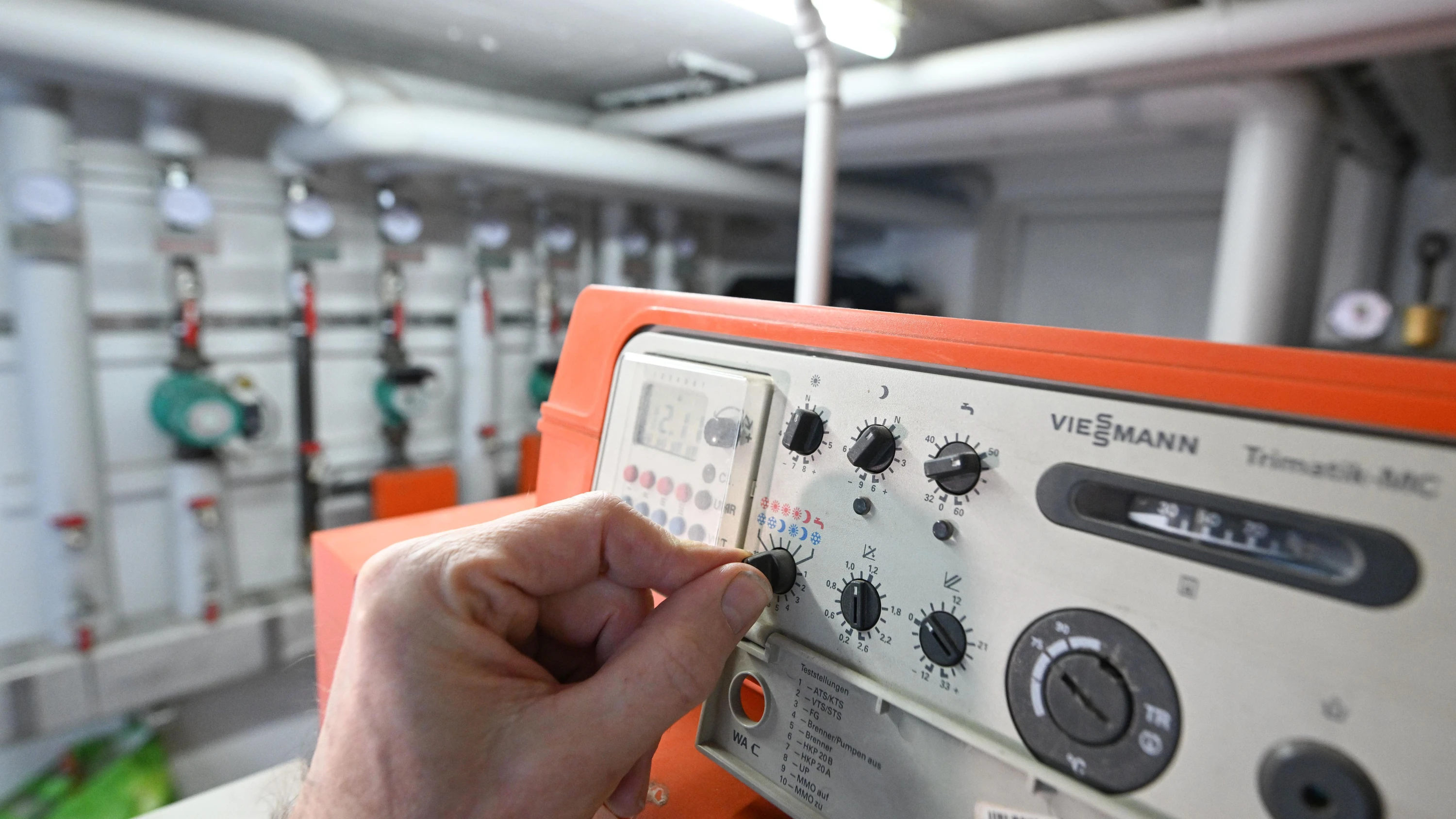
Heizungsgesetz: Hamburg stemmt sich gegen Öl und Gas Gerade brachte die Bundesregierung ein Gesetz auf den Weg, um Öl- und Gasheizungen noch viel länger zu ermöglichen. Doch Hamburgs Grüne wollen strengere Regeln – und pochen auf eine spezielle Klausel.
faz · 3 months ago
Reformen: Sozialstaat soll digital werden
sueddeutsche · 3 months ago
Bundeshaushalt: Klingbeil muss mit ungedeckten Schecks planen Einige Minister haben inzwischen ihre Sparvorschläge für den Bundeshaushalt 2027 eingereicht – doch selbst der Finanzminister weiß noch nicht, wie weit er damit kommt.
sueddeutsche · 3 months ago

Mobilität: Der fremdgesteuerte Verkehrsminister Patrick Schnieder ist zu sehr auf Harmonie in der Koalition bedacht. Die Probleme werden so nicht entschlossen genug angegangen.
faz · 3 months ago
Bundeshaushalt: Klingbeil plant mit derzeit ungedeckten Schecks Die Minister haben ihre Sparvorschläge für den Bundeshaushalt 2027 eingereicht – doch selbst der Finanzminister weiß nicht, was er davon halten soll.
sueddeutsche · 3 months ago
Reform: So soll der Führerschein günstiger werden Verkehrsminister Patrick Schnieder hat ein Reformpaket für Fahrschulen vorgelegt. Die jedoch kritisieren seinen Entwurf scharf – und fordern Nachbesserungen.
sueddeutsche · 3 months ago
Dutch Cabinet slammed: Little taxpayer value, no-bid Defense deals, poor risk control The Cabinet continues to overpromise compared to what it can realistically achieve, according to the Netherlands Court of Audit in its annual accountability review.
nltimes.nl · 3 months ago