 Thursday, June 18Thursday, June 18
GPS jamming by military exercises has been directly linked to the fatal crash of a medical plane in New Mexico on 14 May 2026, according to a report published today. The pre-dawn accident killed four people and ignited a wildfire that burned for weeks, investigators found. The aircraft’s navigation system was disrupted by GPS interference emanating from a nearby military jamming operation, the report states .
The Federal Aviation Administration confirmed that the medical flight, operated by Air Methods, lost its primary GPS signal shortly before impact. “Preliminary data show the aircraft’s flight management system recorded multiple GPS outages consistent with military jamming activity in the area,” an FAA spokesperson said. The jamming exercise was conducted by the U.S. Army at White Sands Missile Range, approximately 120 miles south-east of the crash site .
Aviation experts warn that reliance on GPS for civilian flights has created a dangerous vulnerability. “We are flying blind when military jamming is active,” said John Hansman, professor of aeronautics at MIT. “Pilots need redundant systems that do not depend on GPS.” His comments echo an analysis published today arguing that the aviation industry must accelerate adoption of alternative navigation technologies such as inertial navigation systems and ground-based augmentation .
The crash has intensified scrutiny of military-civilian frequency coordination. The Pentagon acknowledged that jamming exercises can affect civilian GPS receivers but stated that flight paths are supposed to be deconflicted. “We are reviewing our procedures to ensure no further interference with critical air traffic,” a Department of Defense official said.
Meanwhile, the aviation sector faces broader challenges. Long-haul travel demand has fallen sharply this month as rising fuel costs and economic uncertainty deter passengers, according to industry data . Airlines are already adjusting schedules, with some carriers reducing transatlantic frequencies by up to 15%.
The New Mexico incident underscores the urgent need for resilient navigation infrastructure. Regulators and airlines are now accelerating trials of alternative positioning systems, including signals from low-Earth-orbit satellites and terrestrial beacons. Until such systems are fully deployed, the skies remain exposed to the unintended consequences of military operations.
2 further sources not geolocated

Military jamming disrupted a medical planes GPS system before it crashed last month in New Mexico
news.yahoo.com · about 2 hours ago

Απίστευτος τυπάς σε αεροπλάνο: Το κόλπο με το κινητό που του επέτρεψε KAI να κοιμηθεί KAI να φάει Επιβάτης βρήκε έναν ευρηματικό τρόπο να μη διακόψει τον ύπνο του σε 12ωρη πτήση, χρησιμοποιώντας το κινητό του για να παραγγείλει γεύμα
protothema · about 3 hours ago
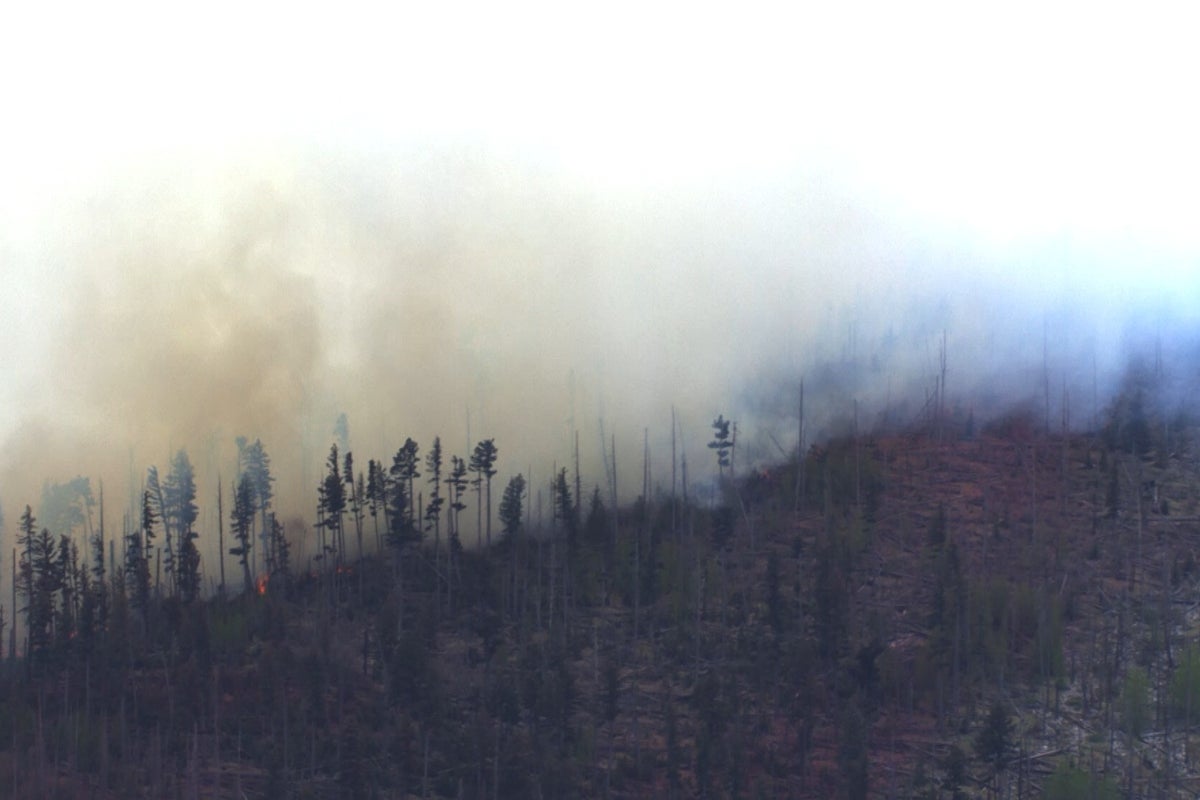
GPS interference from military jamming linked to fatal New Mexico plane crash, report finds Four people died in the pre-dawn crash on May 14 that sparked a wildfire that burned for weeks
independent · about 3 hours ago
We Need A New Way To Fly In A GPS-Jammed World
gdeltproject.org · about 3 hours ago
Appetite for long-haul travel falls as cost concerns bite
gdeltproject.org · about 3 hours ago

Navigatie-app Waze stuurt autobestuurders nu ook updates over het WK voetbal, verkeersveiligheidsexperten niet tevreden
de morgen · about 3 hours ago
Mondiali, la Corea del Sud denuncia un drone durante lallenamento. Necessario lintervento dellesercito messicano La nazionale della Corea del Sud ha denunciato la presenza di un drone sconosciuto sopra il proprio allenamento a porte chiuse a Guadalajara, in Messico, durante la preparazione della sfida contro i padroni di casa del Messico alle 3 di venerdì in Italia. Secondo la federazione sudcoreana, il drone è stato individuato dal personale di […] Larticolo Mondiali, la Corea del Sud denuncia un drone durante lallenamento. Necessario lintervento dellesercito messicano proviene da Il Fatto Quotidiano.
il fatto quotidiano · about 3 hours ago
Phil Harding finds earlier version of Stonehenge three miles from world-famous monument
gdeltproject.org · about 3 hours ago