 Thursday, May 28Thursday, May 28
Leading nutrition research divides experts on its impact on mental health
An Australian professor argues that emerging research points to a clear link between diet and mental well-being, while a Norwegian counterpart remains skeptical. The debate centers on whether simple dietary changes can meaningfully improve psychological health, as claimed by 25-year-old Nathalie Gjermundsen, who credits her own mental health progress partly to her eating habits.
The Australian expert, whose name is not specified in the reporting, asserts that scientific evidence increasingly supports the role of nutrition in mental health outcomes. Gjermundsen, a young woman from Norway, describes her experience as transformative, stating that adjusting her diet—alongside other interventions—has been one of several factors helping her manage her mental health. She emphasizes that the approach need not be complex: "What you need to eat is very simple," she says, echoing the professor’s stance.
However, a Norwegian professor, also unnamed, challenges the strength of the evidence, questioning whether the research justifies broad claims about diet’s impact on mental health. The skepticism reflects broader scientific caution about overstating correlations in a field where individual responses to nutrition can vary widely.
The discussion comes as public interest in the gut-brain connection grows, with some studies suggesting that certain nutrients—such as omega-3 fatty acids, probiotics, and whole foods—may influence mood and cognitive function. Yet, experts warn against oversimplifying the relationship, noting that mental health is shaped by a multitude of factors, including genetics, environment, and lifestyle.
No consensus has emerged on specific dietary recommendations, but the debate underscores a shift in how mental health is approached—moving beyond traditional therapies to consider holistic interventions. Further research, particularly large-scale clinical trials, is needed to clarify the extent of diet’s role. For now, the divide between advocates and skeptics highlights the complexity of translating nutritional science into practical advice.

For 25-åringen ble mat én av flere ting hun mener hjalp psykisk. – Det du trenger å spise, er superenkelt, mener forsker. Australsk professor mener forskningen peker i én klar retning. Norsk professor er skeptisk.
aftenposten · 4 days ago
Diskrete Sucht: Hilfe, mein Teenager vaped! [premium] Sie sind bunt, haben ein cooles Design und werden als clean beworben: E-Zigaretten und Nikotinbeutel. Bei Jugendlichen sind sie stark im Trend. Experten warnen vor der neuen Sucht.
die presse · 4 days ago
Nathalie Gjermundsen (25) opplever at kosthold hjelper henne psykisk. Professor mener forskningen peker i en klar retning. Australsk professor mener forskningen peker i én klar retning. Norsk professor er skeptisk.
aftenposten · 4 days ago
Det kreativa måste vara mer unikt Visst är det så att AI har gjort att fler kan skapa musik eller bilder. Men samtidigt har kraven höjts för kreativa människor för att vara intressanta och relevanta, skriver Thomas Hellström, professor i datavetenskap.
svenska dagbladet · 4 days ago
En stel man kan göra väldigt stora framsteg Ja, kvinnor är vigare än män – men de individuella skillnaderna är större. Det handlar mer om att ha optimal rörlighet för det man håller på med än att vara så mjuk som möjligt, menar experten.
svenska dagbladet · 4 days ago
Förstår inte vad det är jag gör som provocerar Johan Matgeek Hedberg är en av Sveriges största matinfluerare. Han både hyllas som folkbildare och hånas för sitt påstådda temperament. Efter vårens drev försöker han nu förstå varför just han verkar provocera så många.
svenska dagbladet · 4 days ago
Le gratin de pâtes fourrées à la stracciatella et aux pistaches, une recette gourmande en un tournemain Le plat du jour est tiré du recueil «Passion pistache», de Marion Chibrard-Burdy, riche dune variété de recettes savoureuses et souvent simples à destination des amateurs du fruit sec très en vogue.
liberation · 4 days ago
Ein Trennungssong, der gute Laune macht [premium] In „Try Try Try von Hovvdy wird einer nicht müde vom Probieren. Unser Song der Woche.
die presse · 4 days ago

Manche nehmen schon beim Blick auf Kuchen zu, andere können ungehemmt essen. Warum? Wie gut man Essen verwertet, hat viele Gründe. Einer davon liegt in der Genetik, den erforscht Tim Hollstein. Da zeigt sich klar: Ja, manche nehmen leichter zu. Aber man ist dem nicht hilflos ausgeliefert
der standard · 4 days ago

Łatwogang znów to zrobił. Jest cała kwota na leczenie Maksa Influencer znany jako Łatwogang od piątku jedzie na rowerze z Zakopanego do Gdańska. W ten sposób twórca internetowy zbiera pieniądze na leczenie Maksa Tockiego chorego na dystrofię mięśniową Duchennea (DMD). Przed godz. 9 w niedzielę udało się zebrać pełną kwotę. Kolejne środki będą przekazywane na leczenie innego chłopca, Adasia.
gazeta.pl · 4 days ago
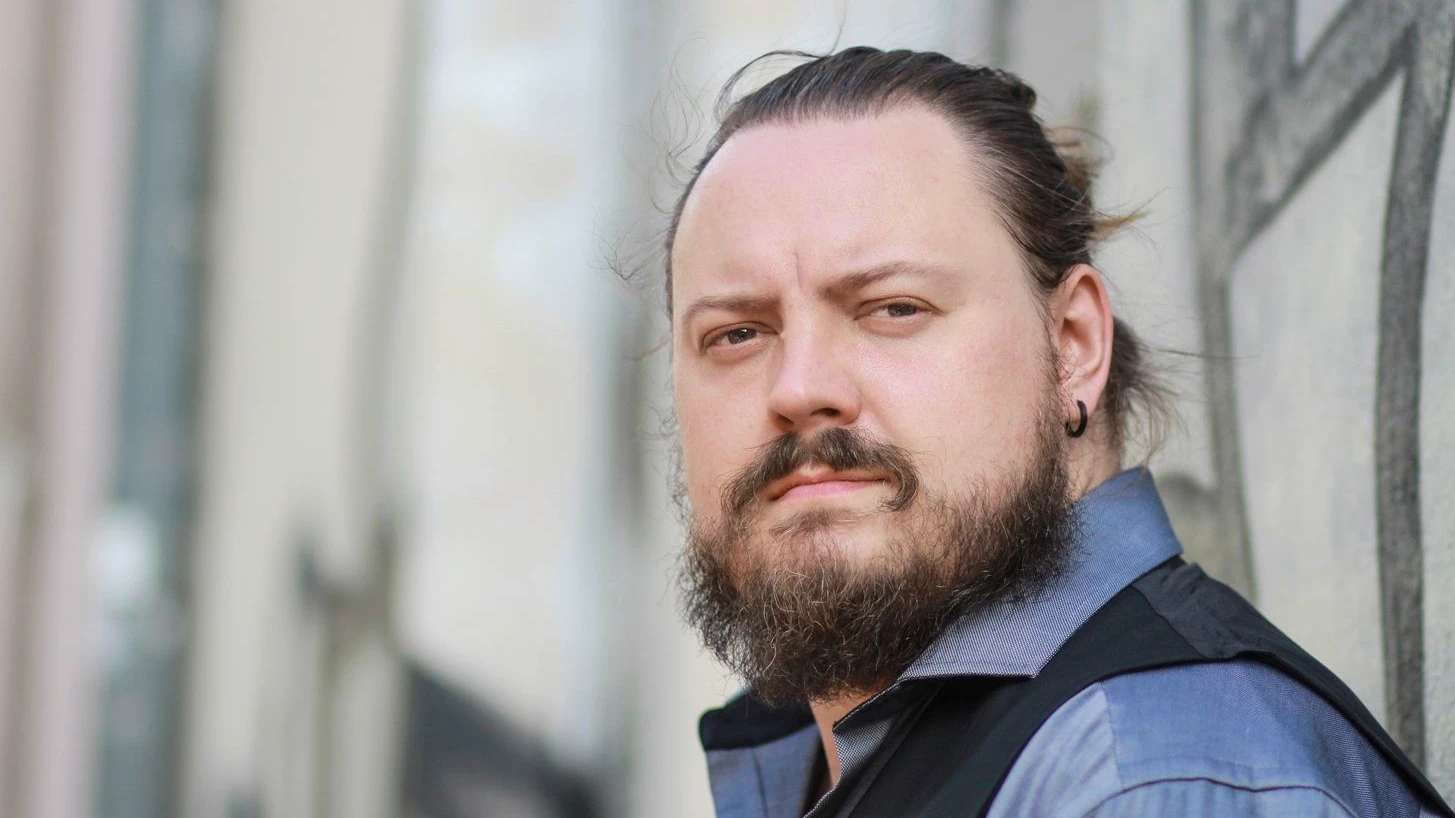
Bücher-Podcast: Wenn die Mutter spricht: Martin Piekar über seinen Roman „Vom Fällen eines Stammbaums Der Alkohol, die Angst, die Wut, die Liebe: In „Vom Fällen eines Stammbaums erzählt Martin Piekar aus der Sicht eines Sohnes die Geschichte einer Geflüchteten. Ein Gespräch – und ein neues Literaturrätsel.
faz · 4 days ago
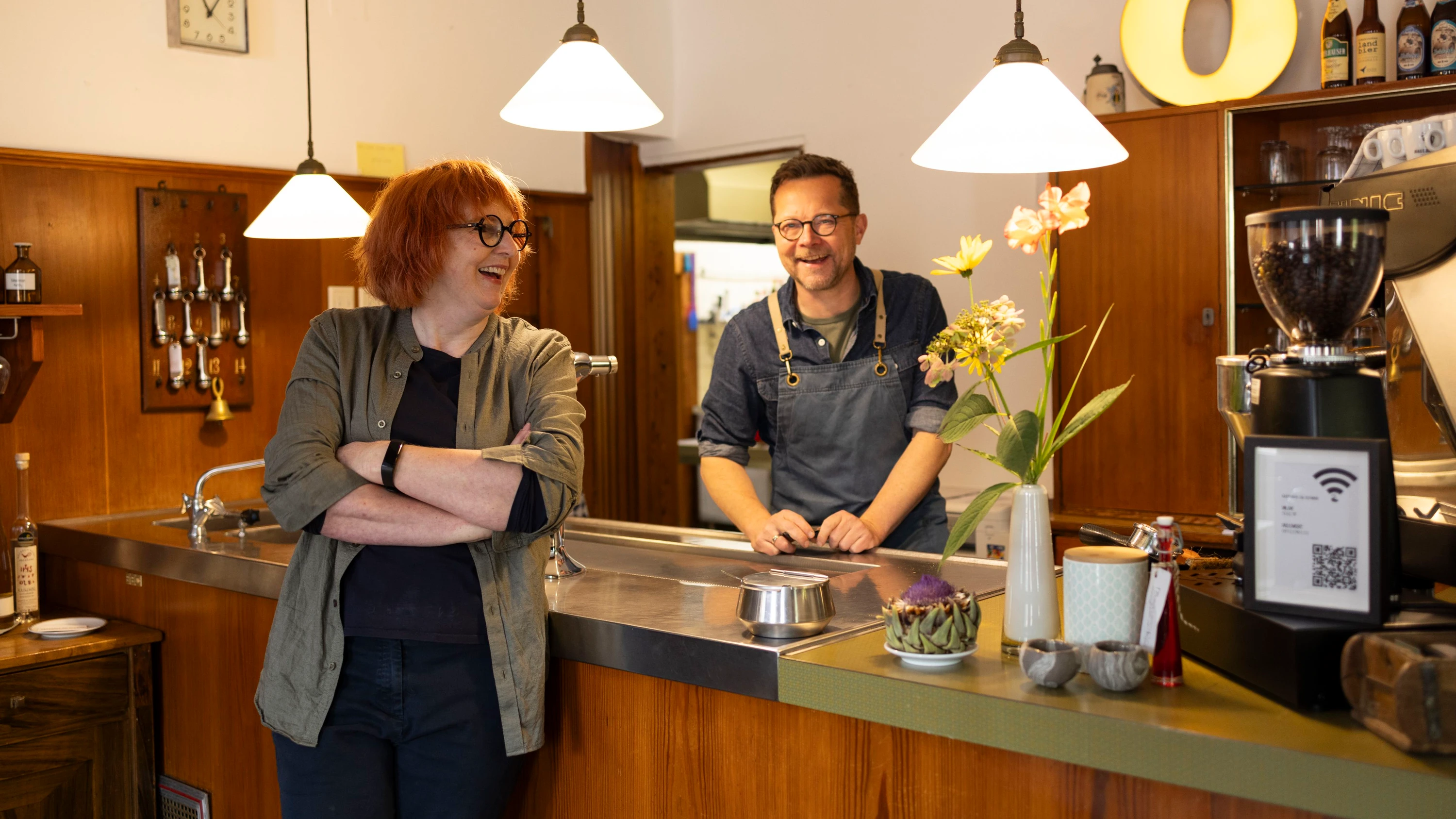
Gastronom werden: So haben sich zwei Paare den Traum vom eigenen Restaurant erfüllt Viele Menschen träumen von einem eigenen Lokal – allen Herausforderungen zum Trotz. Zwei Paare haben als Quereinsteiger den Schritt gewagt: Worauf kommt es an? Und sind ihre Pläne aufgegangen?
faz · 4 days ago