 Thursday, May 21Thursday, May 21
Russian President Vladimir Putin’s role in the Ukraine war and its broader implications for Europe remain a central geopolitical focus. EU leaders are preparing for potential direct talks with Putin, reflecting growing frustration with stalled US-led negotiations under President Donald Trump. European Council President António Costa confirmed the bloc is exploring these discussions with Kyiv’s support, signaling a shift toward European-led diplomacy to determine Ukraine’s future . This move underscores Europe’s push for greater strategic autonomy amid perceived US disengagement.
The war in Ukraine has accelerated Europe’s efforts to reduce dependence on external powers, particularly the US. Observers note that the conflict is acting as a catalyst for European "autonomization," with countries like Germany and Canada emerging as key supporters of Ukraine and broader European security . However, US plans to withdraw 5,000 troops from Germany and pause critical weapons deployments, such as long-range Tomahawk missiles, risk creating a military gap that could weaken NATO’s deterrence against Russian threats .
Russia has intensified pressure on its allies to align with its interests, particularly regarding Ukraine. Moscow recently scolded Armenia for hosting Ukrainian President Volodymyr Zelensky and warned Yerevan against deepening ties with the EU, highlighting the Kremlin’s efforts to maintain influence in its near abroad . Meanwhile, regional gatherings, such as the one in Yerevan bringing together European leaders from the Atlantic to the Caspian, reflect Europe’s broader strategy to counter Russian influence and strengthen partnerships in contested areas .

The incredible shrinking German chancellor
gdeltproject.org · 13 days ago
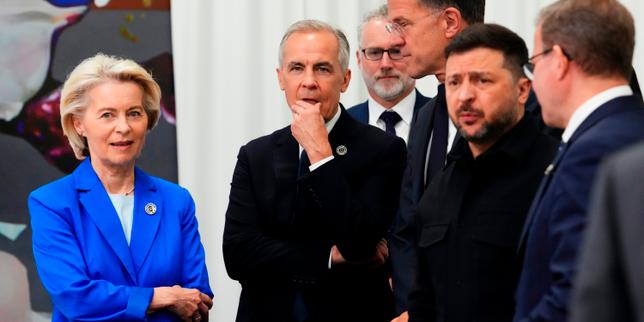
Faced with Trump and Putin, the war in Ukraine is acting as a catalyst for Europes autonomization Amid international turmoil, Donald Trump is punishing Germany, Ukraine is scoring points against Russia and Canada is emerging as Europes staunchest supporter, observes Le Monde columnist Sylvie Kauffmann.
le monde · 13 days ago
Croatia & Germany Strengthen Alliance: Cooperation Plan Signed Until 2030 May the 8th, 2026 – Croatia and Germany are growing ever closer as they strengthen their alliance and cooperation with an extensive plan signed until 2030. Croatian Foreign Minister Gordan Grlić Radman was recently in Berlin, where he met with his German counterpart Johann Wadephul. The two signed a Joint Declaration on Enhanced Cooperation between ... Read more The post Croatia & Germany Strengthen Alliance: Cooperation Plan Signed Until 2030 appeared first on Total Croatia.
total croatia news · 13 days ago
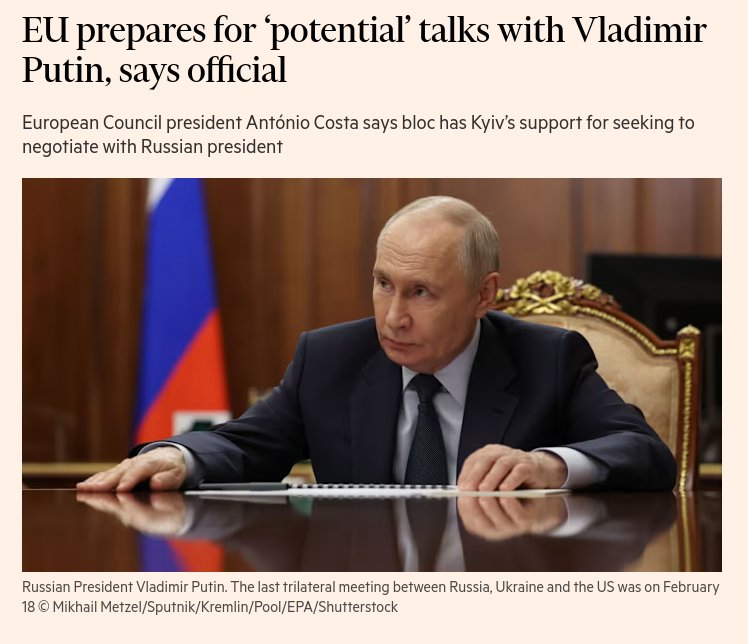
EU leaders are preparing for potential talks with Russian President Vladimir Putin, a senior official has said, as European capitals grow frustrated with negotiations to end the war in Ukraine led by US President Donald Trump. #Russia #EU #Putin #Costa
mastodon bot · 13 days ago
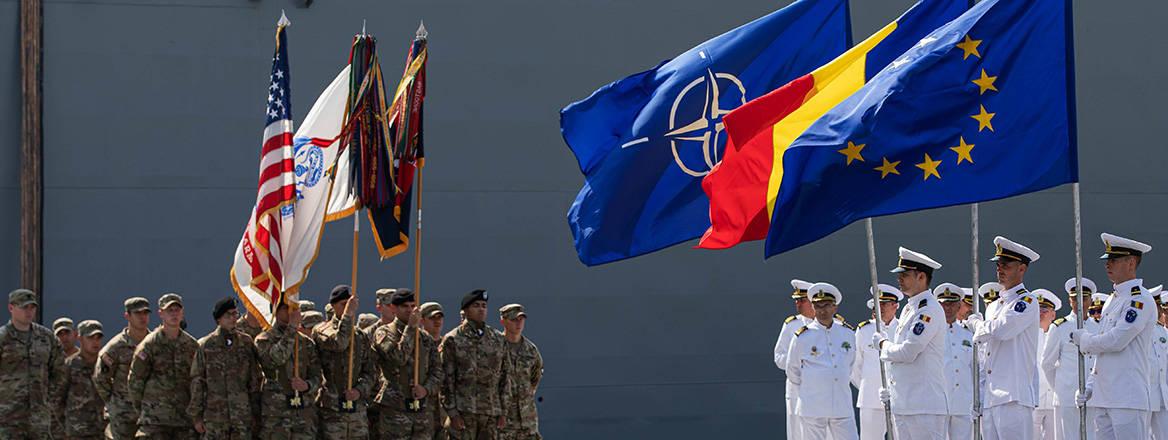
The United States plans to withdraw around 5,000 troops from Germany and pause key weapons deployments like long-range Tomahawk missiles, potentially creating a military gap in Europe that weakens NATOs deterrence against Russian threats.#europe #geopolitics #nato #russia
mastodon bot · 13 days ago
6 May 2026 - Armenia Election Monitor - The needs of the Armenian people must be centre-stage in the 7 June parliamentary elections
commonspace · 13 days ago
EU dragged into Russia talks: Ukraine future to be decided with Putin, not Trump
gdeltproject.org · 13 days ago
Europe and Pacific must stand together for peace - EU Ambassador to Fiji Plinkert
gdeltproject.org · 13 days ago
Europe, from the Atlantic to the Caspian, Gathers in Yerevan
gdeltproject.org · 13 days ago
#EU #Russia #USA EU leaders are preparing for potential talks with Putin to address frustrations over stalled US-led negotiations regarding Ukraine. This comes as Ukraine seeks to revitalize diplomatic efforts through direct discussions with Russia. Subscribe to @OSINTdefender Chat room
telegram bot · 13 days ago
EU prepares for potential talks with Putin, says official European Council president António Costa says bloc has Kyivs support for seeking to negotiate with Russian president
financial times · 13 days ago
Russia Scolds Ally Armenia for Hosting Zelensky Foreign Ministry spokeswoman Maria Zakharova also warned Yerevan against pursuing closer ties with the European Union.
themoscowtimes · 13 days ago
Opinion | Anti-Christian Hatred Isnt the Hindu Norm Relations are much better in India than depicted.
wsj · 4 months ago
2026 Is Already Challenging the U.N. The Trump administrations mix of aggression and withdrawal is testing the international body.
foreignpolicy.com · 4 months ago
Global aid after Trumps exit: How Europe can lead reform and head off Russia and China President Donald Trumps withdrawal of the US from international organisations presents an opportunity to Europe to lead on global aid reform
european council · 4 months ago
Donald Tusk: One for all, and all for one! Otherwise we are finished. Europe is rattled by events in Venezuela, and there are serious concerns that US disregard for international law may have consequences close to home. The BBC diplomatic correspondent, James Landale, said, the question is how Europe may respond in the longer term to Americas military operation in Venezuela. Will it provide a catalyst for the continent to take greater responsibility for its own security in the face of so much instability from what many see as an unreliable ally? Polish prime minister, Donald Tusk, appears to have answered the question, saying on social media: No-one will take seriously a weak and divided Europe: neither enemy nor ally. It is already clear now. We must finally believe in our own strength, we must continue to arm ourselves, we must stay united like never before. One for all, and all for one. Otherwise, we are finished. The US seizing of Venezuelas leader has faced strong criticism from both Americas friends and foes at an emergency meeting of the United Nations Security Council, held on Monday, 5 January. Many member states agreed with the US that Nicolás Maduro had been an illegitimate and repressive leader. But many also condemned the US military action as a breach of international law and the UN Charter, and they demanded a democratic transition that reflected the will of the Venezuelan people. (click the image to read the full article).
commonspace · 4 months ago
Home alone in a hostile world: Is 2026 the year Europe will fend for itself? As 2026 gets off to a rocky start, Europe finds itself squeezed between brute force and awkward dependence. After the US seizure of Venezuelas leader, President Donald Trump has openly floated using military force to acquire Greenland, part of NATO member Denmark. European leaders insist it will not happen. The harder question is whether they could stop it if Washington decided otherwise.
france24 · 4 months ago

Difficult choice? EU must leave #fascist USA alone. Simple.Close deal with Mercosur, with India. And enjoy the rule of law with one third of the world population.USA can enjoy bombing and invading neighbours until they realize that absolutely nobody likes brutes and violent fascists nearby. #usa_fascism #europe #eu_is_world_leaderWhat Trumps vision of the new world order means for Europe
mastodon bot · 4 months ago
#Trumps grand plan to reshape the world order leaves #Europe with a difficult choice to make
mastodon bot · 4 months ago
Political Fix: Trump trouble: Starmers tricky start to 2026 Navigating the foreign policy frenzy
financial times · 4 months ago
Trump trouble: Starmers tricky start to 2026 Navigating the foreign policy frenzy
financial times · 4 months ago
Global healths defining test The successes and setbacks of 2025 show why international cooperation matters more than ever.
aljazeera · 4 months ago

Some interesting views on the recent development in international affairs regarding the realpolitics of US-imperialism, the growing danger of world war 3 and Europe loosing it all by not being able to have a realistic assessment of the military violence involved on all sides. #NATO #EU #Venezuela #Trump
mastodon bot · 4 months ago
Debate: Might is right: the end of international law? Relations between major powers and smaller neighbouring states seem to be guided less by legal norms and more by naked power politics these days. After the US captured Nicolás Maduro in Venezuela, seized two shadow fleet tankers and repeated threats to take over Greenland, all within the space of a week, Europes media voice grave concern about the decline of international law and rules.
eurotopics.net · 4 months ago