 Thursday, May 21Thursday, May 21
Five countries—Spain, Ireland, the Netherlands, Slovenia, and Iceland—have officially boycotted the 2026 Eurovision Song Contest in protest against Israel’s participation amid its ongoing war in Gaza, which has resulted in at least 75,000 Palestinian deaths since the October 7 Hamas attack. The boycott marks the first time in Eurovision history that multiple nations have withdrawn over political objections, deepening divisions around the event .
The boycott has sparked debate over its potential impact on the contest. Analysts question whether the withdrawals will influence Eurovision’s reputation or Israel’s standing, with some arguing the event has become a platform for political messaging. The absence of high-profile participants like Finland, a former favorite, has further intensified scrutiny .
Israel’s participation has been a flashpoint for protests, both inside and outside the contest. During Israel’s semi-final performance in Vienna, pro-Palestine chants disrupted the broadcast, with demonstrators shouting "Free Palestine" in the venue. The slogan "United by Music" has been criticized as increasingly ironic given the contest’s politicization .
A *New York Times* investigation revealed that Israel has strategically used Eurovision as a "soft power tool," with efforts to influence the contest dating back years. The report found that in some countries, minimal voter shifts could have secured Israel a popular vote victory, suggesting targeted lobbying or campaigning .
Israeli singer Noa, who represented Israel at Eurovision in 2009, defended her country’s participation in an interview with *France 24* but acknowledged the backlash. Noa, known for her criticism of Israel’s treatment of Palestinians, argued that music should transcend politics, though she admitted the current climate made that difficult .
The controversy has extended beyond the contest itself, with pro-Palestine demonstrations in London coinciding with Eurovision’s final. The Metropolitan Police warned organizers of potential hate speech violations, highlighting the broader tensions surrounding the event . Meanwhile, Vienna’s café culture has become a microcosm of the divide, with some establishments openly supporting Israel amid heightened security concerns .

Police water cannon ends latest anti-asylum riot in Loosdrecht; Terrorism, VNG says The police used a water cannon to end the latest anti-asylum protest at the town hall in Loosdrecht on Wednesday evening. Protesters again threw dangerous fireworks at the police.
nltimes.nl · 7 days ago
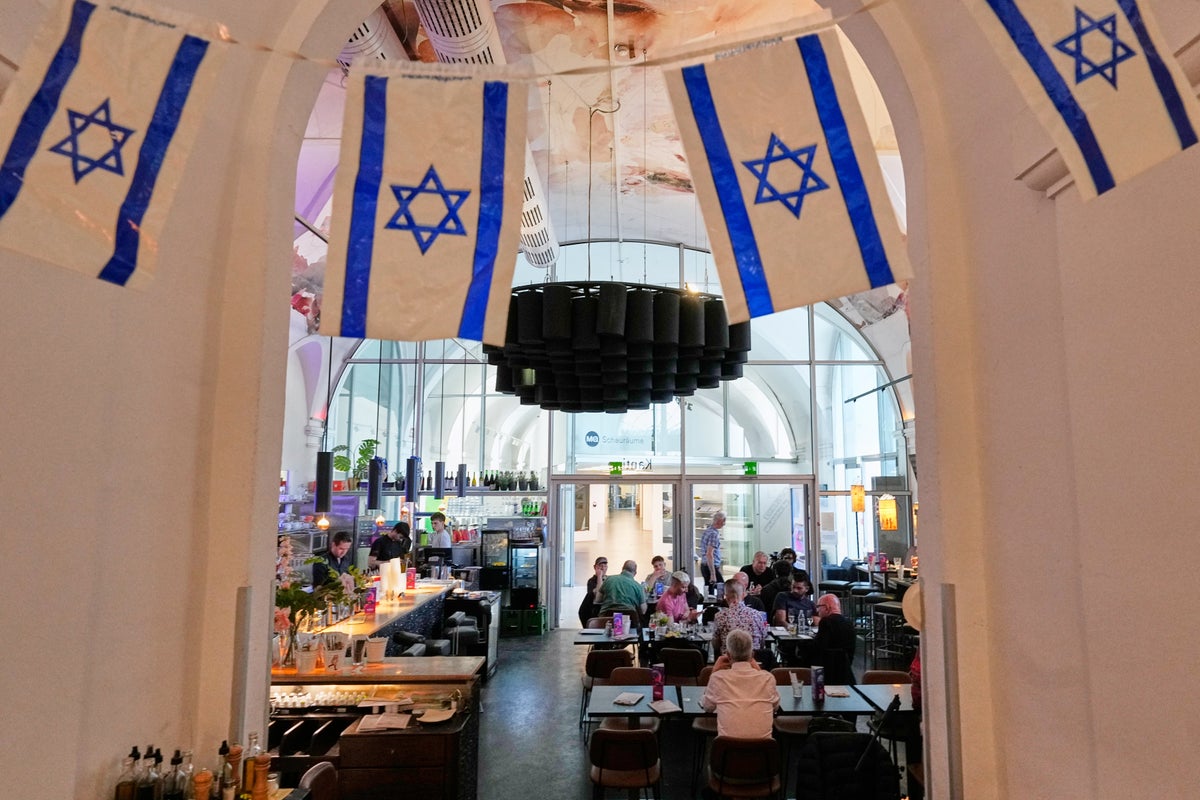
A Vienna cafe offers a welcome for Israel supporters as tensions brew at the Eurovision Song Contest Viennas coffeehouses have embraced the Eurovision Song Contest, but tensions over Israels participation have surfaced
independent · 7 days ago
Croatias LELEK Eurovision Entry Upsets the Turks! May the 14th, 2026 – Croatias LELEK and their song Andromeda are far from your typical Eurovision entry, with some parts triggering backlash from the Turks for alleged historical references. The five-member vocal group blends Croatian folk elements with the height of modern music production, layered harmonies and plenty of historical symbolism. International Eurovision coverage ... Read more The post Croatias LELEK Eurovision Entry Upsets the Turks! appeared first on Total Croatia.
total croatia news · 7 days ago
New York Times report finds Eurovision to be soft power tool for Israel According to data obtained by the New York Times, in some countries, just a few hundred voters would have been enough to secure a popular vote victory in the Eurovision song contest. FRANCE 24s Sharon Gaffney speaks with Mara Hvistendahl, investigative reporter at the New York Times, about how Israel has been using the contest as a soft power tool, with attempts to influence Eurovision beginning years earlier than previously thought.
france24 · 7 days ago
Will the boycott of Eurovision have any impact? The decision by five nations to boycott the song contest comes amid Israels genocide in Gaza.
aljazeera · 7 days ago
Pro-Palestine chants disrupt Israel Eurovision performance Israels Eurovision performance was disrupted by loud pro-Palestine protests during the Vienna semi-final
aljazeera · 7 days ago
Met warns about hate speech at Unite the Kingdom and Palestine marches Organisers as well as speakers will be held responsible for unlawful speech as police face exceptionally busy weekendThe Metropolitan police have said organisers of this weekends Unite the Kingdom and March for Palestine demonstrations will be held responsible for any hate speech connected with the events, in what they expect to be one of the busiest days for policing in London in recent years.Tens of thousands of people are expected to march in the capital for the Unite the Kingdom event in central London, the Nakba: 78 March for Palestine from south Kensington to central London. Senior officers said protesters will face the highest degree of control. The FA Cup final is also due to be held at Wembley on Saturday. Continue reading...
theguardian · 7 days ago
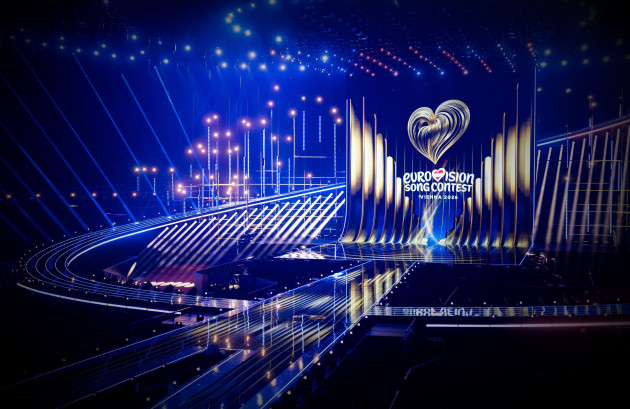
How will Eurovision boycotts impact the song contest? The Journals News Editor and resident Eurovision expert Daragh Brophy joins us to examine the impact on the song contest.
thejournal · 7 days ago
Israeli singer Noa speaks to FRANCE 24 as Israels participation sparks Eurovision backlash Ten countries, including favourite Finland and controversial competitor Israel, secured places on Tuesday in the final of the Eurovision Song Contest. The contests 70th anniversary edition has been overshadowed by divisions, with five countries — Spain, Ireland, the Netherlands, Slovenia and Iceland — boycotting in protest against Israels war in Gaza, which has killed at least 75,000 Palestinians since the October 7 Hamas attack on Israel. For more, FRANCE 24s Nadia Massih is joined by renowned Israeli singer Noa, who previously represented Israel at Eurovision in 2009 alongside Mira Awad, a Palestinian citizen of Israel. Noa has frequently used her platform to speak out against Israels treatment of Palestinians in both the occupied West Bank and Gaza.
france24 · 7 days ago

Sung by a silver robot from 1984! The 11 biggest bangers in Eurovision 2026 Delta Goodrem, rappers on scooters and a Lion spray-painted silver from head to toe … as Europes pop circus returns amid protests and pyrotechnics, we pick the songs set to dominate this years grand final. Bangaranga!Oh, Vienna. The buildup to Eurovision 2026 in Austria has been beset by controversy. Five nations – including Spain, the Netherlands and seven-time winners Ireland – have boycotted the event in protest at Israels participation. The first semi-final on Tuesday saw chants of free Palestine echoing around the Wiener Stadthalle venue. The song contests slogan, United by music, feels increasingly ironic. Hardly ideal preparation for the annual pop partys 70th anniversary.Still, the cheesy Euro-pop show must go on and Saturday nights grand final is primed to be as compelling as ever. In fact, surprises have already been sprung. Rather randomly, Boy George co-wrote San Marinos entry and provided guest vocals, but failed to make it through Tuesdays semi-final. Do you really want to hurt me? For voting viewers, it seemed the answer was yes. Nul points for you, former Culture Club frontman. Continue reading...
theguardian · 7 days ago
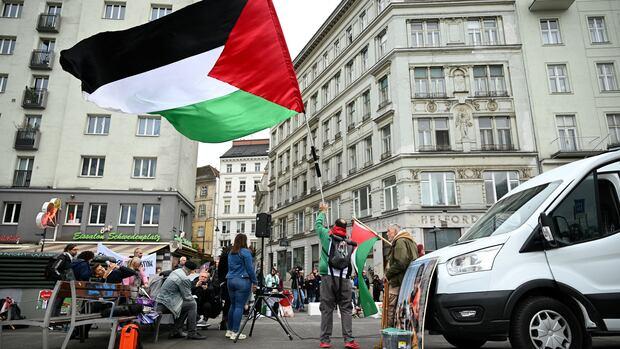
Why a song contest has emerged as Europes most controversial electionThe 2026 Eurovision Song Contest has devolved into its worst crisis in history, marked by a historic five-country boycott and audience protests over Israels participation amid the war in Gaza.
mastodon bot · 7 days ago