 Thursday, May 21Thursday, May 21
The cruise ship MV Hondius, at the center of a hantavirus outbreak, arrived in Rotterdam, Netherlands, on Monday, 18 May 2026, after a troubled journey that began in Argentina in April. The vessel carried approximately 150 people from 23 countries at the start of its voyage, but only 25 to 27 individuals—primarily crew members and two medical staff—remained on board by the time it docked. Three deaths have been confirmed due to the outbreak: a Dutch couple and a German citizen .
Upon arrival, the remaining crew and medical personnel were placed under quarantine measures, with some isolating at port facilities and others self-isolating at home. The ship will undergo disinfection as part of containment efforts . Spain previously allowed the vessel to anchor off the Canary Islands to facilitate the evacuation of passengers and crew .
The World Health Organization (WHO) has assessed the global risk as low, stating that the hantavirus strain involved does not transmit from human to human. The outbreak has, however, prompted international monitoring and raised discussions about public health responses to maritime disease outbreaks . Separately, a confirmed case of hantavirus in Arad, Romania, involved a 25-year-old man infected with a rodent-borne strain, reinforcing that human-to-human transmission is not a concern in this context .

Ship at center of virus outbreak arrives in Rotterdam The cruise ship MV Hondius is arriving in Rotterdam following a hantavirus outbreak that killed three people: a Dutch couple and a German citizen. The ship departed Argentina in April with approximately 150 people from 23 countries. Currently, between 25 and 27 individuals remain on board, who will enter quarantine upon docking while the ship […]
cphpost · 3 days ago
From medieval plague ships to hantavirus: How outbreaks at sea helped to shape the international public health system
gdeltproject.org · 3 days ago
Opt pacienți au fost izolați la spitalul unde fusese internat anterior pacientul confirmat cu hantavirus. Ce nereguli au fost descoperite Opt pacienți de la Spitalul de Psihiatrie și pentru Măsuri de Siguranță Ștei (Bihor) au fost izolați, după ce au fost identificați drept contacți ai pacientului diagnosticat cu hantavirus.
adevarul · 3 days ago
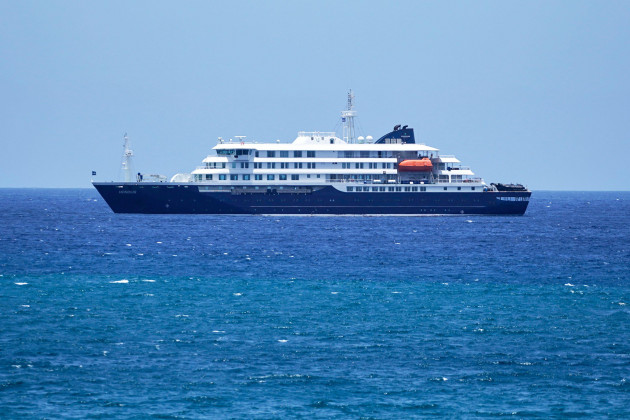
Hantavirus-hit cruise ship finally docks in the Netherlands as crew faces weeks-long quarantine Spain allowed the vessel to anchor off its Canary Islands for the evacuation of passengers and crew.
thejournal · 3 days ago
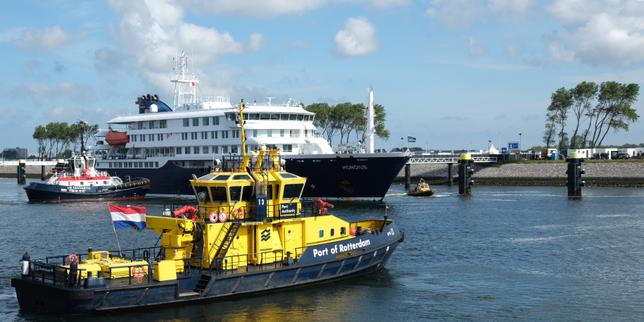
Cruise ship at center of hantavirus outbreak docks in Rotterdam Twenty-five crew and two medical staff remained on board as the MV Hontius arrived in the Netherlands port on Monday. Some of them will stay in quarantine facilities at the port, while others will self-isolate at home.
le monde · 3 days ago
Institutul Cantacuzino confirmă cazul de hantavirus din Arad. Tânărul de 25 de ani este infectat cu tulpina transmisă de rozătoare Institutul Cantacuzino a confirmat luni că bărbatul internat la Spitalul Clinic Județean de Urgență Arad este infectat cu o tulpină de hantavirus asociată rozătoarelor, care nu se transmite de la om la om.
adevarul · 3 days ago

Cruise ship hit by Hantavirus outbreak arrives in Netherlands for disinfection as it wraps up troubled journey The MV Hondius was carrying 25 crew members and two medical personnel as it reached Rotterdam on Monday morning
independent · 3 days ago
MV Hondius arrives at port of Rotterdam; Hantavirus risk low for world population: WHO
nltimes.nl · 3 days ago
Africa: From Medieval Plague Ships to Hantavirus - How Outbreaks At Sea Helped to Shape the International Public Health System
gdeltproject.org · 3 days ago
Hantavirus-hit cruise ship to finally dock in Netherlands with skeleton crew aboard Spain allowed the vessel to anchor off its Canary Islands for the evacuation of passengers and crew.
thejournal · 3 days ago
Nava de croazieră MV Hondius ajunge luni în Rotterdam, după focarul de hantavirus soldat cu trei morți. OMS: Riscul global rămâne scăzut Nava de croazieră MV Hondius urmează să își încheie luni, 18 mai, călătoria în portul olandez Rotterdam, după ce la bord a fost confirmat focarul de hantavirus care a provocat îngrijorare la nivel internațional.
adevarul · 3 days ago
Hantavirus-hit cruise ship MV Hondius arrives in Rotterdam for disinfection The hantavirus-hit cruise ship MV Hondius was due to dock in Rotterdam for disinfection on Monday morning, as Dutch authorities prepared quarantine arrangements for remaining crew and medical staff following a multi-country outbreak that has killed three people and triggered global monitoring.
france24 · 3 days ago