 Saturday, June 27Saturday, June 27
Germany’s booming market for dietary supplements has reached a new peak, with 415 million packs sold in 2025—nearly double the 2022 figure—fueling a €12 billion industry that critics warn is unregulated and potentially hazardous. The surge, documented by the *Tagesspiegel* on Friday, underscores the rapid expansion of a sector where consumers increasingly turn to pills and powders in pursuit of health, performance, or longevity, often without medical oversight.
The numbers reveal a market where demand outpaces scrutiny. In 2025 alone, Germans purchased 415 million packages of supplements, a 94% increase from 2022, according to industry data cited by the newspaper. The sector’s growth has been driven by aggressive marketing, social media trends, and a cultural shift toward self-optimization, with products ranging from vitamin D to protein powders and nootropics. Yet health experts and regulators have raised alarms over inconsistent quality controls, misleading health claims, and the potential for harmful interactions with medications.
The German Federal Office for Consumer Protection and Food Safety (BVL) has logged thousands of complaints annually about supplements, including undeclared ingredients and exaggerated efficacy promises. In 2024, the agency reported 3,200 adverse reactions linked to dietary supplements, though the actual number is likely higher due to underreporting. Critics argue that the current regulatory framework, which treats supplements as food rather than pharmaceuticals, is ill-equipped to address the risks. “The market is a Wild West,” said Dr. Anna Berg, a nutritionist at Charité Berlin. “Consumers assume these products are safe because they’re on shelves, but that’s not always the case.”
Industry representatives counter that the sector is maturing, with voluntary certifications and stricter labeling gaining traction. The German Nutrition Society (DGE) has called for mandatory pre-market approval of supplements containing novel ingredients, a proposal currently under review by the Federal Ministry of Food and Agriculture. However, progress has been slow, with lobbying groups resisting tighter regulations that could stifle innovation.
The debate comes as Germany grapples with broader public health challenges, including rising obesity rates and an aging population increasingly reliant on dietary aids. The supplement industry, meanwhile, shows no signs of slowing down. With sales projected to climb another 15% in 2026, the question is no longer whether the market will grow—but whether regulators can keep pace.
Follow us for live European news

Russian region caps fuel sales at 15 liters per vehicle — the tightest limit in the country
telegram bot · 1 day ago
Milliardenmarkt der Selbstoptimierer: Deutschland schluckt immer mehr Nahrungsergänzungsmittel Der Markt für Nahrungsergänzungsmittel wächst rasant: Rund 415 Millionen Packungen wurden 2025 in Deutschland verkauft – fast doppelt so viele wie noch 2022.
tagesspiegel · 1 day ago
CO2-Standards: Weiter auf Kurs bleiben oder mehr Flexibilität? Frankreich stellt sich gegen Deutschland Plus 72 Prozent bei E-Auto-Verkäufen in Italien, plus 41 Prozent in Deutschland. Die Zahlen klingen nach Erfolgsmeldung. Doch ausgerechnet sie befeuern beim Umweltrat in Luxemburg den Streit um die CO2-Flottenstandards.
handelsblatt · 1 day ago
Taxizentrale: Uber-Partner übernimmt Frankfurter Taxizentrale Frankfurts größte Taxizentrale wird Teil der SafeDriver Group, die eng mit Uber zusammenarbeitet. Erklärtes Ziel ist mehr Umsatz für die Taxibranche.
handelsblatt · 1 day ago
Německá chuť na ruskou tresku ohrožuje sankce EU na ryby. Zboží proudí i do Česka Předsedkyně Evropské komise Ursula von der Leyen oznámila začátkem měsíce zákaz dovozu ruské tresky jako jednu ze součástí příštího balíku sankcí proti válčícímu Rusku – ale nejméně čtyři státy EU se tomu stále brání.
denik n · 1 day ago
BWB: 32 Mio. Euro schwere Strafe gegen Energie AG OÖ Umweltservice Das Unternehmen habe mit der BWB kooperiert und ein Anerkenntnis abgegeben, woraufhin eine geminderte Geldbuße beantragt wurde.
die presse · 1 day ago
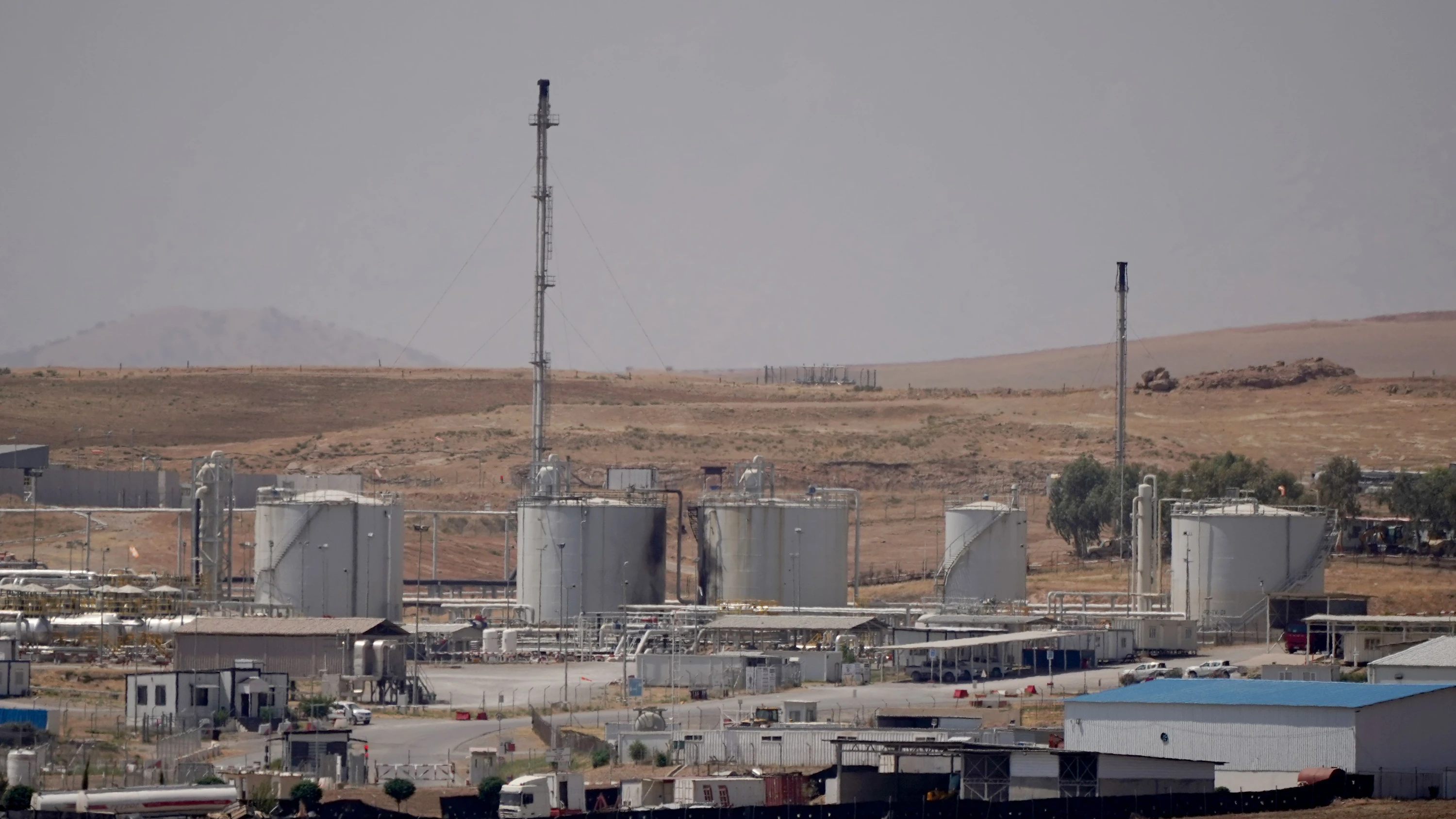
Methanverordnung: Ministerin Reiche warnt vor Lieferengpässen bei Gas und Öl Droht jetzt Ärger in Berlin? Wirtschaftsministerin Reiche will die EU-Methanverordnung aussetzen.
faz · 1 day ago
ΕΦΕΤ: Ανακλήθηκε high protein πουτίγκα με γεύση σοκολάτας Κατά τη διενέργεια επιθεώρησης, στο πλαίσιο διερεύνησης αναφορών των καταναλωτών, ο ΕΦΕΤ διαπίστωσε αλλοίωση οργανοληπτικών χαρακτήρων, όπως χρώμα, υφή και οσμή
protothema · 1 day ago
„Der Deutsche weiß: Klimaanlagen sind eine Sünde gegen Brüssel In den USA wundert man sich aktuell wieder einmal über die Abneigung der Deutschen gegen Klimaanlagen. „Völlig zu Recht, sagt WELT-Chefreporterin Anna Schneider und rät: „Kaufen Sie eine Klimaanlage und kümmern Sie sich nicht darum, was die Grünen sagen.
welt.de · 1 day ago
Čína už sériově vyrábí elektromobily s bezpečnějšími a levnějšími sodík-iontovými bateriemi Zatímco v Evropě se technologie sodík-iontových baterií řeší v laboratořích, čínská automobilka už chystá sériovou výrobu elektromobilů s tímto pohonem. Sodík-iontové baterie mohou být brzy důležité pro hospodářskou autonomii Evropy, pokud se potvrdí naděje s nimi spojené.
denik n · 1 day ago
Rüstung: Bund steigt für Milliarden beim Panzerbauer KNDS ein Deutschland und Frankreich wollen sich mit je 40 Prozent an dem Panzerhersteller beteiligen. Der Bundestag hat das Geschäft gebilligt. Ziel sei Augenhöhe mit Frankreich als Miteigentümer. Kritik von Grünen und Linken.
sueddeutsche · 1 day ago
Cooperation can save lives | Frankfurter Allgemeine Zeitung - Germany
eurotopics.net · 1 day ago
Debates cant override the laws of physics | Corriere della Sera - Italy
eurotopics.net · 1 day ago
Germany urges EU to suspend methane rules after US pressure Energy minister warns of risk to gas supplies if planned rules affecting imports come into force
financial times · 1 day ago