 Wednesday, May 20Wednesday, May 20
Inflation Concerns Driven by Geopolitical Tensions and Energy Market Disruptions
The ongoing conflict in Iran is exacerbating global inflation risks, particularly through its impact on energy markets. The war has led to surging global energy prices, increasing import costs for energy-dependent economies like India, where 90% of oil and gas needs are met through imports. This has forced India’s central bank to spend over $40 billion in reserves to stabilize the rupee amid dollar pressures and inflationary pressures . The conflict has also heightened fears of prolonged inflation, deepening a global bond rout as investors reassess risk .
Economic Fallout and Recession Risks The war in Iran is threatening to trigger a global recession, with the International Labour Organization (ILO) warning that its economic consequences could surpass those of the COVID-19 pandemic, particularly in terms of job losses. Prolonged or escalated conflict may disrupt supply chains, exacerbate energy shortages, and destabilize financial markets, creating a scenario where a global downturn becomes increasingly likely . G7 finance ministers are currently meeting in Paris to address these risks, though tensions between the U.S. and other members over trade policies complicate coordinated responses .
Impact on Household Finances and Monetary Policy In the UK, rising prices have become the top financial concern for households, with inflation expected to remain stubbornly high due to elevated fuel costs linked to the closure of the Strait of Hormuz. This has fueled expectations of further interest rate hikes, worsening financial pessimism among consumers . Meanwhile, European markets have shown mixed performance as investors monitor Middle East tensions, reflecting cautious sentiment amid inflation and recession fears .
Regional Economic Shifts and Austerity Measures India’s government has introduced austerity measures, urging citizens to reduce fuel, fertilizer, and gold consumption to conserve foreign exchange reserves. Similar measures have been adopted in the Philippines, Bangladesh, and Sri Lanka, signaling a broader retreat from neoliberal policies in Asia as governments prioritize strategic economic management over globalization . Despite these challenges, India’s stock markets have shown resilience, supported by strong domestic investor confidence .
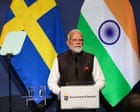
The Guardian view on Indias Iran shock: Asias neoliberal era starts to fracture | Editorial Narendra Modis austerity appeals reveal how war, energy insecurity and dollar pressures expose the fragility of globalisationThe Indian prime ministers call for sacrifice last week marks a fundamental shift. He urged the countrys 1.4 billion people to consume less fuel and fertiliser, buy less gold and curb foreign travel as global energy prices surge because of the war in Iran. The message, redolent of the Covid-era restrictions, suggests something larger: a retreat from neoliberal globalisation in Asia and the return of strategic economic management. The Hindu nationalist Narendra Modi waited for key regional elections to finish before pressing for the austerity measures. He was following other Asian states such as the Philippines, Bangladesh and Sri Lanka, which have made similar requests and even demands of their citizens since March.Mr Modi made an explicit economic argument: reduce energy imports because India must conserve its foreign exchange. About 90 of Indias oil and gas needs come from abroad. When prices spike, the country faces a higher import bill in dollars, inflation and pressure for higher subsidies. Despite Indias recent economic success, it has not built sufficient productive, export or homegrown green-power capacity to reduce its vulnerability. To prevent the rupee crashing in value, Indias central bank reportedly burned through more than $40bn in reserves. Continue reading...
theguardian · 2 days ago

European Shares Rebound Amid Global Economic Concerns European stocks made a strong comeback on Monday, following a turbulent session last week, as investors navigated rising…
europesays.com · 2 days ago
Reitir fasteignafélag hf. stock (IS0000026136): Icelandic real estate player updates on recent trad Reitir fasteignafélag hf. has released recent trading and operational updates as Icelands listed property landlord, giving investors more…
europesays.com · 2 days ago
Global bond rout deepens as prolonged Iran war heightens inflation risk By Alun John and Amanda Cooper LONDON, May 18 (Reuters) – Investors are waking up to the worry…
europesays.com · 2 days ago
European Markets Trade Mixed as Investors Monitor Middle East Tensions: DAX, CAC, FTSE100 chart43 ©Shutterstock European equities showed a mixed performance in cautious trading on Monday as investors continued to monitor…
europesays.com · 2 days ago
India Stocks Show Resilience Amid Geopolitics, Oil Risks; Domestic Investors Key Domestic Confidence Shields India from Global Turmoil Indias stock exchanges are showing a strong ability to handle shocks…
europesays.com · 2 days ago
How the War in Iran Is Shaking the World Economy and Global Order The war in Iran is unfolding in one of the most critical areas for the global energy market.…
europesays.com · 2 days ago
Mai grav decât COVID-19. Conflictul din Orientul Mijlociu riscă să distrugă milioane de locuri de muncă la nivel global Prelungirea sau escaladarea conflictului din Orientul Mijlociu ar putea avea consecinţe mai grave asupra ocupării forţei de muncă decât cele provocate de pandemia de COVID-19, a avertizat Organizaţia Internaţională a Muncii (OIM) într-un raport.
adevarul · 2 days ago
Recesiunea globală ar putea deveni un scenariu real. Războiul lui Donald Trump în Iran este la doar câteva săptămâni de o criză de proporții Economia mondială s-ar putea confrunta în următoarele săptămâni cu o recesiune, pe fondul crizei energetice provocate de conflictul dintre Statele Unite și Iran.
adevarul · 2 days ago
G7 finance ministers meet amid Middle East war economic fallout G7 finance chiefs are meeting in Paris. The discussions over the next two days in the French capital comes as the war in the Middle East continues to weigh on the global economy. France holds the G7 presidency and faces the tricky task of keeping dialogue open as tensions mount with Washington, over the latest tariff threats from Donald Trump.
france24 · 2 days ago

Rising prices are Britons biggest money worry as inflation stays high, survey finds Households increasingly gloomy about finances amid fears of interest rate rises due to higher fuel pricesBusiness live – latest updatesRising prices have become the top financial concern for UK households, according to a monthly consumer confidence survey, before Wednesdays official figures, which are likely to show inflation remaining stubbornly high.Amid fears of higher interest rates owing to increased fuel prices after the closure of the strait of Hormuz amid the conflict in the Middle East, households have become increasingly gloomy about their financial situation, the report said. Continue reading...
theguardian · 2 days ago
Hagar hf. stock (IS0000020121): Icelandic retailer updates investors after recent results Hagar hf., the Icelandic food retail group behind Bónus and Hagkaup, has recently updated investors with financial results…
europesays.com · 2 days ago