
Trump offers Putin help to end Ukraine war in nearly 90-minute call
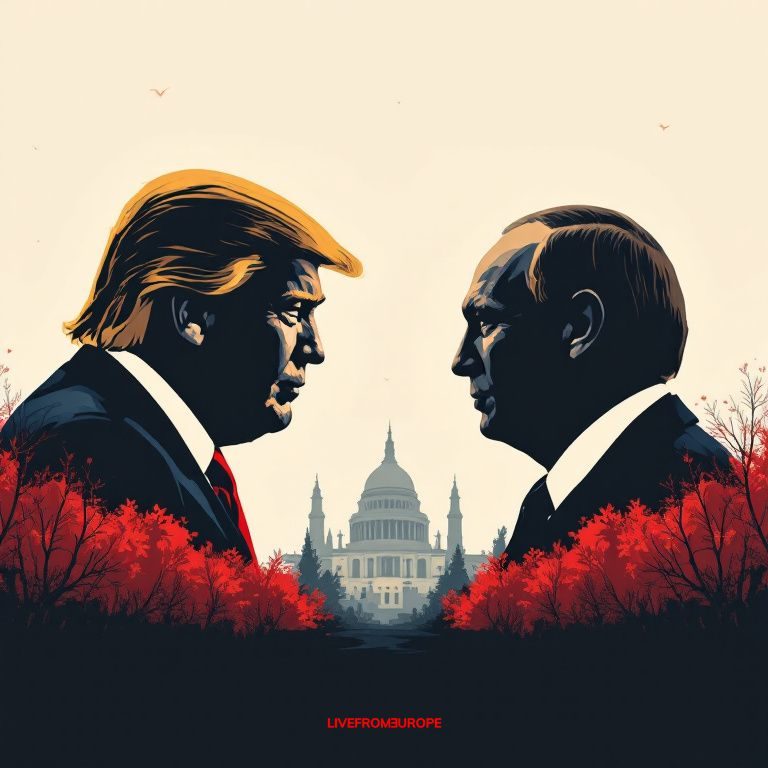
U.S. President Donald Trump offered to help Russian President Vladimir Putin find a diplomatic solution to the Ukraine war during a nearly 90-minute phone call on Saturday, Kremlin aide Yuri Ushakov said Sunday, as the two leaders exchanged Independence Day greetings and discussed the conflict ahead of next week’s NATO summit in Ankara.
The conversation, which lasted 85 minutes, marked Trump’s first direct engagement with Putin since his return to the White House and came as both sides traded claims over the strategic city of Kostiantynivka in eastern Ukraine’s Donetsk region. Russian commanders told Putin on Friday that Moscow’s forces had captured the city, but Ukrainian President Volodymyr Zelenskyy and the General Staff dismissed the assertion, stating Kyiv’s forces still controlled the area.
Ushakov described the call as “business-like and quite constructive,” saying Putin provided Trump with a “realistic assessment” of the battlefield, where Russian forces are “confidently advancing, liberating one locality after another.” The Kremlin aide accused Kyiv and its European allies of seeking to “extend and even escalate the conflict,” pointing to Ukraine’s long-range strikes on Russian oil infrastructure, which have triggered fuel shortages in multiple regions.
Trump, in turn, reaffirmed his readiness to facilitate an “earliest possible cessation of hostilities” and seek peaceful solutions to the crisis, according to Ushakov. The U.S. president also indicated that his envoys, Steve Witkoff and Jared Kushner, would continue mediation efforts and were prepared to return to Moscow. Ushakov noted that Putin had reminded Trump of an open invitation to visit Russia.
Zelenskyy, who also spoke with Trump on Saturday, said the two leaders discussed the war’s 1,200-kilometre front line and agreed to continue talks at the NATO summit in Ankara, which begins Tuesday. “There is a real prospect to end this war and American resolve will have a crucial meaning,” Zelenskyy wrote on Telegram, adding that the U.S. president had confirmed Washington’s commitment to a rapid resolution.
The Kremlin’s framing of the call contrasted sharply with Kyiv’s account. While Ushakov accused Ukraine of pursuing escalation, Zelenskyy emphasized the potential for a breakthrough, stating that Trump’s involvement could be decisive. The Ukrainian leader had previously urged Putin to meet directly, but the Kremlin rejected the proposal.
The exchanges occurred as both sides reported little territorial progress in recent months, largely due to drone warfare that has hindered heavy vehicle movements and inflicted heavy losses. On Friday, Ukraine launched strikes on oil and military facilities near Russia’s St. Petersburg, further straining Moscow’s logistical capacity.
Trump’s outreach to both Putin and Zelenskyy reflects his administration’s shifting approach to the conflict, which has seen Washington prioritize its confrontation with Iran while maintaining rhetorical support for Kyiv. The NATO summit in Ankara will bring together leaders from 32 member states, including Trump, to discuss defense investment, Ukraine’s future role in the alliance, and broader security challenges in Europe and the Middle East.
Putin, in his conversation with Trump, also expressed hope that U.S. diplomatic efforts in the Iran conflict could yield “mutually acceptable long-term solutions” on key issues. The Russian president’s message underscored Moscow’s broader geopolitical calculus, which includes leveraging its ties with Washington to shape the post-war order in Ukraine and beyond.
As the NATO summit approaches, the divergent narratives from Moscow and Kyiv highlight the deep divisions over the war’s trajectory. While the Kremlin insists on a political-diplomatic resolution that accommodates Russia’s demands, including full control over Ukraine’s Donbas region, Kyiv remains steadfast in rejecting territorial concessions. Trump’s mediation offer, though still undefined in scope, signals a potential shift in U.S. strategy—one that could either bridge the gap or deepen the impasse.
Follow us for live European news
- 3
- 2
- 2
- 1
- 1
- 1
- 1
- 1
- 1
- 1
- 1
- 1
6 further sources not geolocated
Articles

🇺🇸🇷🇺⚡️ — Putin called Trump Details of the conversation: — Putin personally congratulated Donald Trump and the entire American people on a significant holiday — the 250th anniversary of US independence. — The Russian President outlined to Trump the real situation in the zone of the special military operation, where the Russian Armed Forces are confidently advancing, liberating one populated area after another — Trump noted the enormous prospects for cooperation between Russia and the USA, which will open up after the conflict in Ukraine ends — Putin confirmed Moscows readiness to provide practical assistance in stabilizing the situation in the Middle East — The Russian President reminded Trump that he has a valid invitation to visit Russia — Whitcof and Kushner will continue their mediation efforts to resolve the situation in Ukraine — The presidents talked about the "common pages of history" of Russia and the USA. — Putin recalled Russias contribution to the establishment of American statehood, as well as the alliance between Moscow and Washington in the Second World War — The conversation between Vladimir Putin and Donald Trump lasted 1 hour and 25 minutes. @Intelslava
telegram_Intel Slava · about 2 hours ago

🟠 UPDATETrump mediates Ukraine-Russia talks ahead of NATO summitKremlin aide Yury Ushakov confirmed Trump made the offer to help end the war during a nearly 90-minute phone call with Putin.📰 #Russia #Diplomacy #Geopolitics #GeoWire
mastodon bot · about 3 hours ago
Netanyahu, Trump agree to meet in US amid strained ties Israeli Prime Minister Benjamin Netanyahu and US President Donald Trump agreed during a phone call to hold a meeting in the United States "in the near future," Netanyahus office confirmed. The conversation also touched on US-Israel ties and regional developments, with no date yet set for the visit.
yenisafak · about 3 hours ago
Putin: Russia and US share responsibility for global security President Vladimir Putin has said that Russia and the United States, as the two largest nuclear powers, share a special responsibility for global security. In a message to President Trump marking US Independence Day, he called for constructive, equal, and mutually beneficial relations between the two nations.
yenisafak · about 3 hours ago
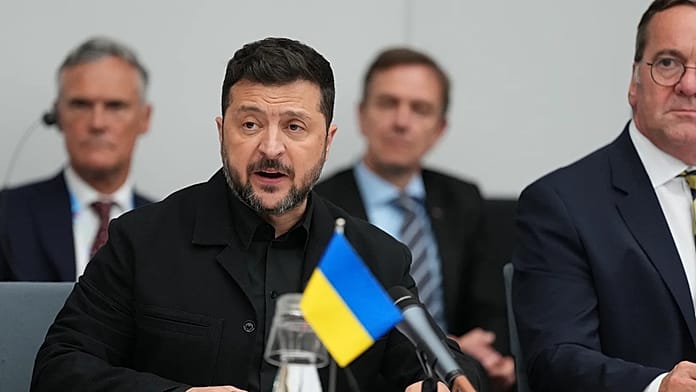
Zelenskyy and Putin hold Fourth of July phone calls with Trump Yuri Ushakov, a Russian presidential aide, said Putin and Trump discussed "the issue of the Ukrainian settlement" in a phone call that lasted an hour and twenty-five minutes.
euronews · about 3 hours ago

Vladimir #Putin and Donald #Trump had a telephone conversation, according to Yuri Ushakov, an aide to the #Russian president. The Russian president congratulated his American counterpart on the US Independence Day. During the conversation with Vladimir Putin, Donald Trump confirmed his readiness to help resolve the conflict in #Ukraine. Vladimir Putin described the real situation on the battlefield, where the Russian Armed Forces are advancing along the entire line of contact.
mastodon bot · about 3 hours ago
Trump offers to help end Russia-Ukraine war in Putin call, Kremlin says Kremlin aide Yury Ushakov says Trump made the offer during a nearly 90-minute phone call with the Russian president.
aljazeera · about 3 hours ago
Trump, Putin Discuss Ukraine, Iran and Middle East in 85-Minute Phone Call
gdeltproject.org · about 3 hours ago
Putin și Trump au vorbit o oră și jumătate la telefon de Ziua Americii, anunță Kremlinul Preşedintele rus Vladimir Putin a discutat sâmbătă la telefon cu omologul său american Donald Trump, cu ocazia celebrării a 250 de ani de la înfiinţarea Statelor Unite, a anunţat Kremlinul. Cei doi lideri au abordat printre altele și situaţia din Ucraina înaintea summitului NATO de la Ankara, potrivit unui consilier prezidențial rus.
digi24 · about 3 hours ago
New Video: Putin calls Trump to trump Zelenskyy and ask his mate for help
mastodon bot · about 3 hours ago
Live: Putin and Zelensky speak to Trump ahead of NATO summit in Turkey US President Donald Trump spoke with Russias Vladimir Putin and Ukraines Volodymyr Zelensky late Saturday to discuss the conflict in Ukraine ahead of a NATO summit in Ankara. Negotiations remain at an impasse, with Moscow demanding the withdrawal of Ukrainian forces from Ukraines Donetsk region – a demand Kyiv rejects. Follow our liveblog for the latest updates.
france24 · about 4 hours ago
+++ Ukraine-Krieg +++: Trump bietet nach Gesprächen mit Putin und Selenskyj Vermittlung im Ukraine-Krieg an Selenskyj widerspricht Behauptung über Einnahme Kostjantyniwkas +++ Putin und Selenskyj gratulieren USA zu Unabhängigkeitstag +++ Ukraine attackiert russische Ölanlagen +++ Der Newsblog.
handelsblatt · about 4 hours ago
Trump offers to help Putin find deal with Ukraine; also speaks with Zelenskyy U.S. President Donald Trump, speaking to Russian leader Vladimir Putin by telephone for nearly 90 minutes, offered to help find a solution to the Ukraine war, Kremlin aide…
japantoday · about 4 hours ago
Zelensky held a phone call with Trump yesterday. There is a real prospect of ending the war and US resolve will be decisive, he says. They agreed to meet in person at the NATO summit in Ankara. Meanwhile Ushakov says Putin also held a phone call with Trump, beginning with Independence Day greetings. Putin described the "real battlefield situation" to Trump and reminded him of Russias "principled approaches" to a diplomatic settlement, Ushakov says.
telegram_WarTranslated · about 4 hours ago
Kremlin Reports 90-Minute Phone Call Between Putin and Trump
gdeltproject.org · about 4 hours ago

Putin and Zelenskyy have very good phone calls with Trump ahead of Nato summit On the front lines, Russian forces have made almost no progress in recent months, largely due to the presence of drones.
thejournal · about 4 hours ago
Putin ändert Strategie auf dem Schlachtfeld und hat Erfolg Donald Trump telefoniert mit Putin und Selenskyj. Beide Seiten wollen den US-Präsidenten für ihre Position im Ukraine-Krieg gewinnen. Neue Strategie: Die ukrainische Treibstoffversorgung gerät ins Visier russischer Drohnen.
welt.de · about 4 hours ago
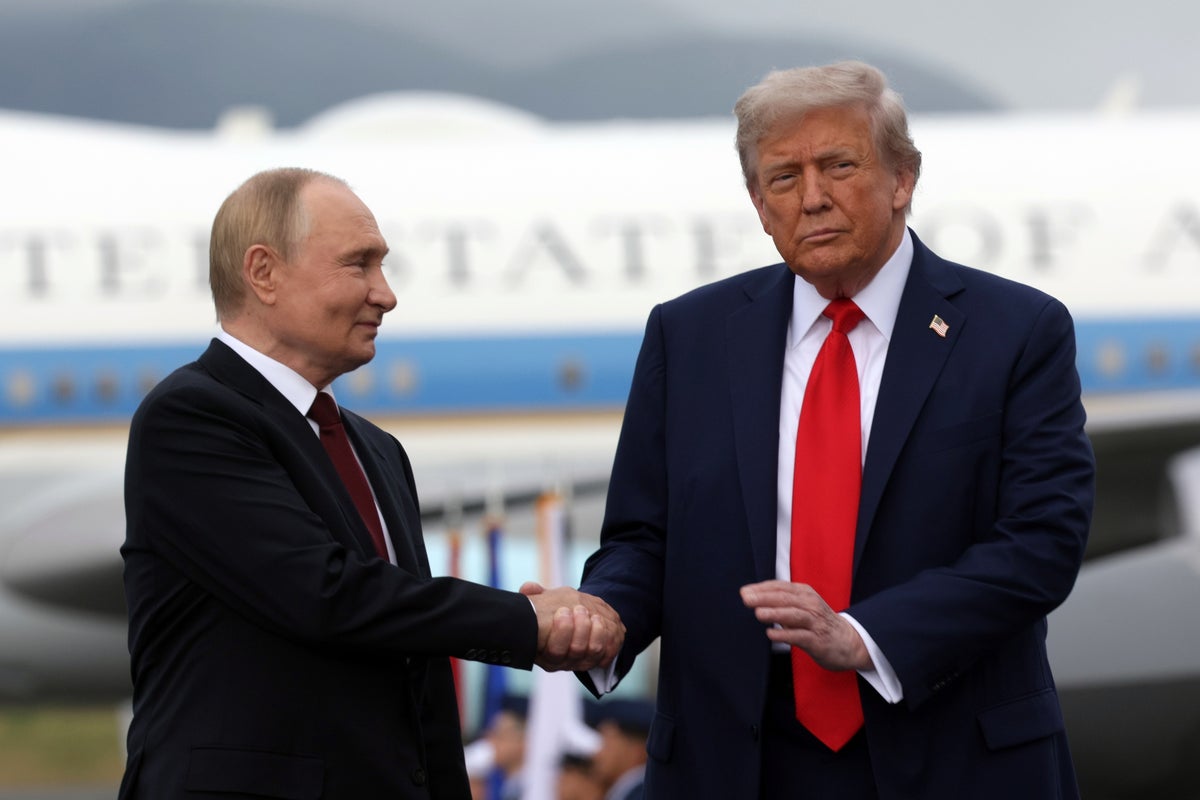
Ukraine-Russia war latest: Trump offers solution to Putin in phone call as Kyiv hits St Petersburg oil port Ukraines president Volodymyr Zelensky said the strike was part of the countrys long-range sanctions plan
independent · about 5 hours ago
Kreml: Putin och Trump i samtal Trump och Putin har talat i telefon i 85 minuter under lördagen. Världsledarna diskuterade en överenskommelse om kriget i Ukraina.
expressen · about 5 hours ago
Trump Offered in Conversation With Putin to Help With Ukraine Settlement – Kremlin Aide The Kremlin aide said Putin gave Trump a realistic assessment of the battlefield situation in Ukraine.
themoscowtimes · about 5 hours ago
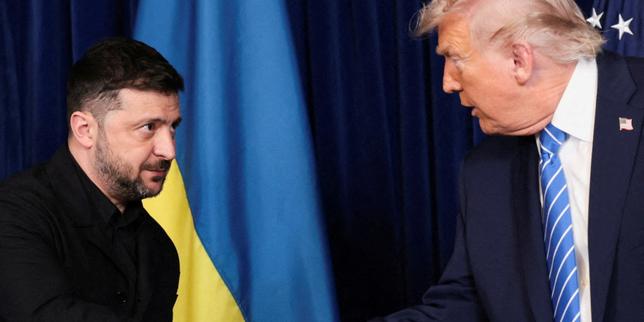
Trump speaks with Putin and Zelensky ahead of NATO summit While both sides said the calls were to mark the 250th birthday of the US, Ukraine – and, during the call with the Kremlin, Iran – were also discussed.
le monde · about 5 hours ago
Putin l-a sunat pe Trump de Ziua Americii. Ce au vorbit cei doi timp de o oră și jumătate Preşedintele rus Vladimir Putin a discutat sâmbătă la telefon cu omologul său american Donald Trump, cu ocazia celebrării a 250 de ani de la înfiinţarea Statelor Unite, a anunţat Kremlinul. Cei doi lideri au abordat printre altele și situaţia din Ucraina înaintea summitului NATO de la Ankara, potrivit unui consilier prezidențial rus.
digi24 · about 5 hours ago
Ce i-a propus Trump lui Putin în legătură cu războiul din Ucraina, într-o discuție telefonic de Ziua Independenței SUA Președintele american Donald Trump și președintele rus Vladimir Putin au avut sâmbătă o convorbire telefonică de aproximativ 90 de minute, în cadrul căreia liderul de la Casa Albă și-a exprimat disponibilitatea de a contribui la găsirea unei soluții pentru încheierea războiului din Ucraina.
adevarul · about 5 hours ago
Putin congratulates Trump on US 250th Independence Day anniversary, boasts of Russias "capture" of Kostiantynivka Kremlin aide Yuri Ushakov has said Russian ruler Vladimir Putin held a phone call with US President Donald Trump, during which they discussed the war in Ukraine and the upcoming NATO summit in Türkiye.
ukrpravda · about 6 hours ago
Zelenskyy congratulates Trump on US 250th Independence Day, says Americas resolve is decisive; Putin also extends greetings
gdeltproject.org · about 8 hours ago
Zelenskyy, Putin Congratulate Trump on US 250th Independence Day
gdeltproject.org · about 9 hours ago

Ukraine war briefing: Trump repositions himself as peacemaker in long call with Putin
bluesky_The Guardian · about 9 hours ago
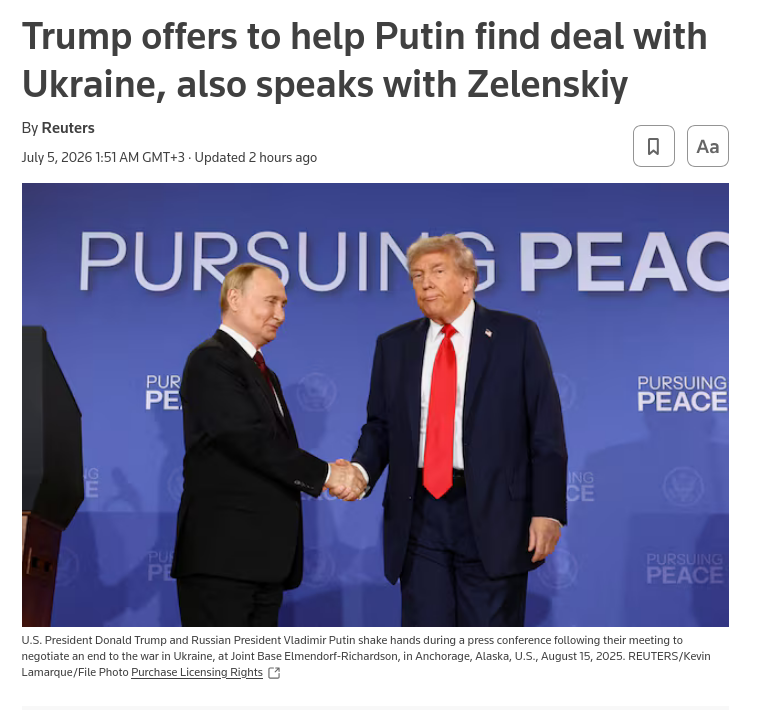
U.S. President Donald Trump, speaking to Russian leader Vladimir Putin by telephone for nearly 90 minutes, offered to help find a solution to the Ukraine war, Kremlin aide Yuri Ushakov said in comments made public early on Sunday. #Russia #US #Trump #Putin
mastodon bot · about 10 hours ago
Netanyahu „ştie cine-i şeful, spune Donald Trump Benjamin Netanyahu ar putea să vină la Casa Albă chiar săptămâna viitoare, a declarat sâmbătă președintele american Donald Trump, el adăugând că prim-ministrul israelian ştie care dintre cei doi lideri este „şeful, citează News.ro. „Ne înţelegem foarte bine. (Netanyahu) ştie cine este şeful, a declarat Donald Trump în cadrul unei scurte conversaţii telefonice cu publicaţia …
hotnews.ro · about 10 hours ago

Ukraines Zelenskiy says he spoke to Trump, calls for American resolve to help end war
news.yahoo.com · about 11 hours ago