
Germany tightens parental leave rules to cut 500 million costs

Families in Germany face tighter rules and modest increases under a draft plan to overhaul parental leave benefits, as the government seeks to save €500 million a year while pushing fathers to take a bigger role in early childcare.
Families Minister Karin Prien (CDU) proposes cutting the maximum duration of *Elterngeld* from 14 to 12 months, but only if both parents take at least three months each of leave. The draft, confirmed by ministry spokeswoman to dpa and Politico on 7 July 2026, is still in inter-ministerial clearance and must clear cabinet before parliament acts. The plan also raises the minimum monthly payment from €300 to €330 and the maximum from €1,800 to €1,900—adjustments not seen in nearly two decades.
Under the proposal, three months of leave are reserved for each parent, with six further months to be split flexibly between them. Single parents may still claim the full 12 months. The income cap remains unchanged at €175,000 for births from 1 April 2025. The government budgeted €7.5 billion for *Elterngeld* in 2026, down from €7.6 billion in 2022 as birth rates decline.
Prien’s move reflects a coalition agreement between the Union and SPD in 2025 to “develop *Elterngeld* further by creating stronger incentives for shared parenting, especially more father-only leave.” The minister has repeatedly stressed that the income threshold would not be touched, but hinted at shorter payment periods and higher minimum and maximum payments to balance savings.
The changes come as part of broader austerity measures. Prien must cut €500 million from her 2027 budget, and the government is also tightening rules on sick leave and unemployment insurance to curb rising long-term costs. Health insurers report that long-term illness is now the single largest driver of expenditure, with mental health conditions among the most common causes.
Critics argue the reform risks penalising mothers who already take longer leave. In 2025, 1.61 million people received *Elterngeld*, including 1.19 million women and 417,000 men, with men accounting for 25.9% of claimants. The number of recipients has fallen by 13.9% since 2021 due to lower birth rates.
The draft is expected to face scrutiny in cabinet and parliament, with final details still subject to negotiation. If adopted, it would mark the first major reform of *Elterngeld* since its introduction in 2007, aimed at improving work-life balance while addressing fiscal pressures.
Follow us for live European news
- 6
- 2
- 2
- 1
- 1
- 1
- 1
- 1
Articles
Immer mehr getrennt lebende Eltern zahlen keinen Unterhalt – und schulden dem Staat Milliarden Immer mehr getrennt lebende Eltern zahlen keinen Unterhalt. 2025 mussten Bund und Länder 3,3 Milliarden Euro für den Unterhaltsvorschuss aufbringen. Die Rückzahlungsquote lag bundesweit bei nur 18 Prozent.
welt.de · about 2 hours ago
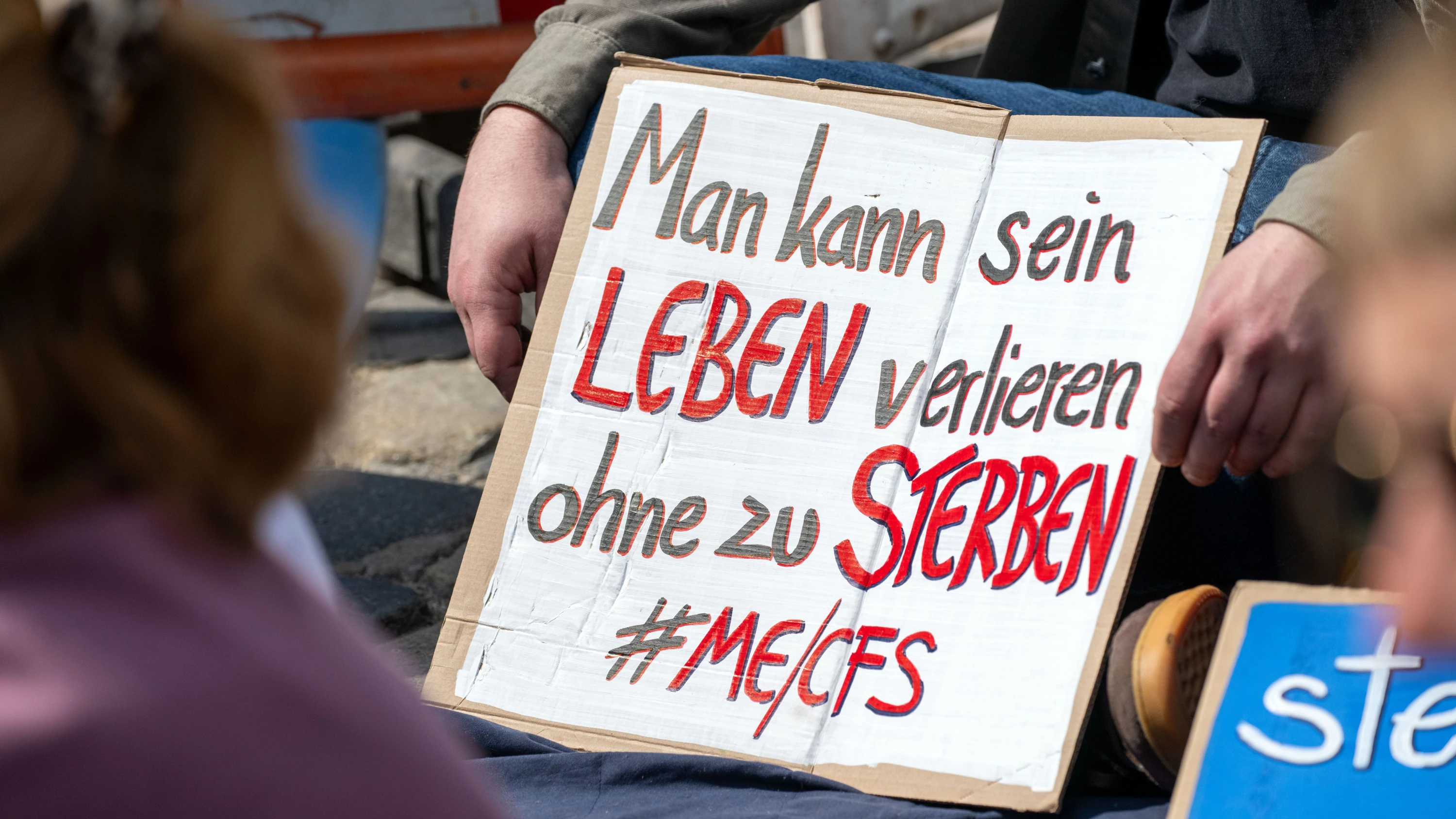
Corona-Folge ME/CFS: „Familien verschwinden einfach aus dem Leben Ob junge Frau oder Mann im besten Alter: Corona hat viele aus der Bahn geworfen. Die Familien von bettlägerigen Fatigue-Patienten fühlen sich vom Sozialstaat alleingelassen. Eine Selbsthilfegruppe stellt nun mehrere Forderungen.
faz · about 2 hours ago
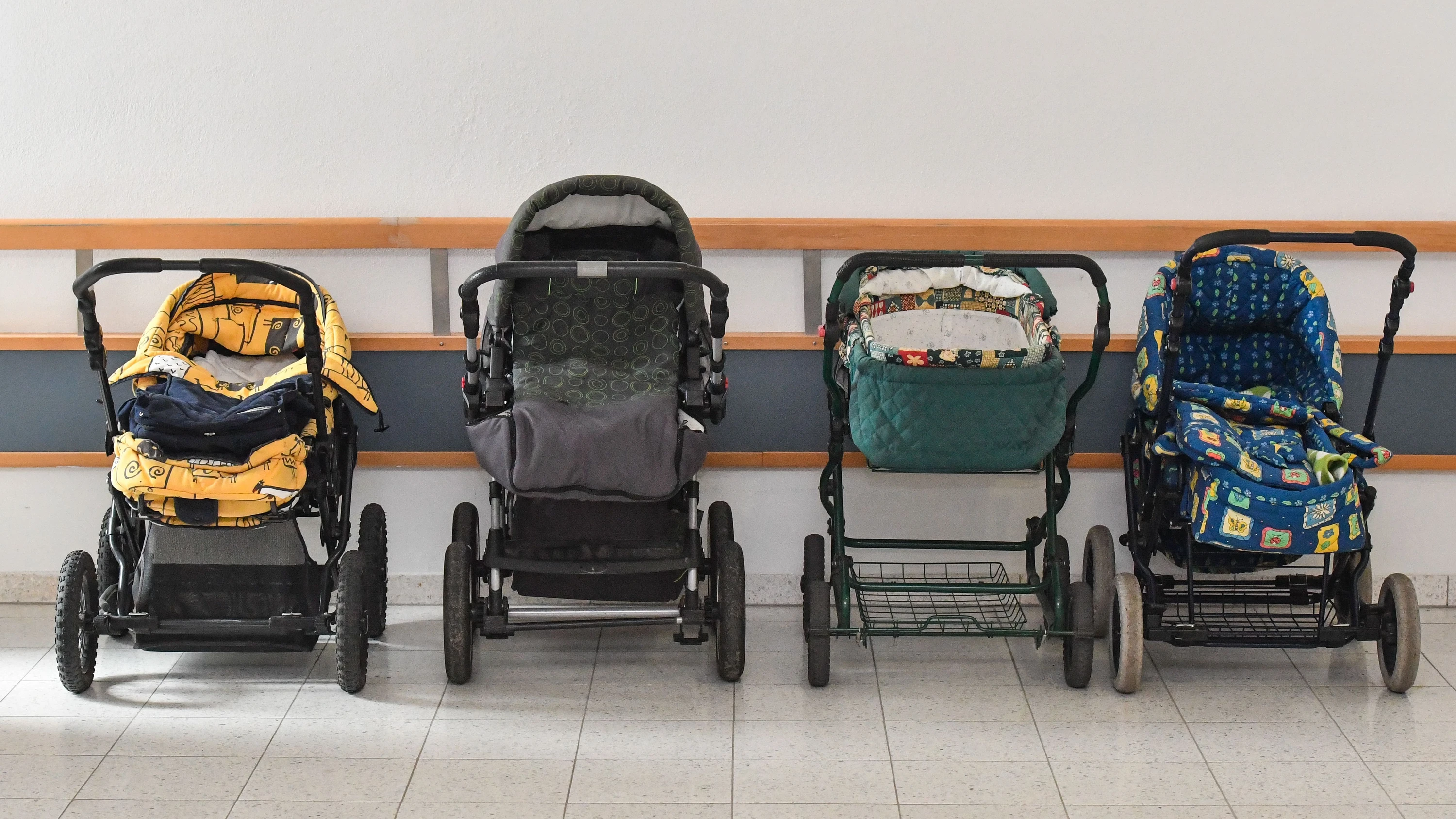
Prien will sparen: Was sich beim Elterngeld ändern soll 500 Millionen Euro im Jahr will das Familienministerium beim Elterngeld sparen. Der Gesetzentwurf ist noch in der Ressortabstimmung. Welche Änderungen nun kommen könnten.
faz · about 2 hours ago

Forfait en jours : lemployeur, seul responsable du contrôle de la charge de travail de ses salariés Ce régime de décompte du temps de travail, qui concerne 15 des salariés du privé, a fait lobjet de plusieurs décisions de justice à lavantage des salariés. Un récent arrêt rappelle les obligations de lemployeur, explique dans sa chronique le juriste Francis Kessler.
le monde · about 2 hours ago

Prien will Dauer des Elterngelds deutlich reduzieren – und knüpft Auszahlung an Bedingung Drei Monate sollen künftig für jedes Elternteil reserviert sein. Sechs weitere Monate sollen zwischen den Eltern flexibel aufgeteilt werden können. Alleinerziehende könnten bis zu zwölf Monate volles Elterngeld erhalten.
welt.de · about 2 hours ago

Ist auch Ihr Landkreis betroffen? So hoch ist das Wohlstandsrisiko in Ihrer Region Die Babyboomer erreichen das Rentenalter und reißen damit eine große Lücke auf dem deutschen Arbeitsmarkt. Ein aktueller Report legt die dadurch entstehenden Wohlstands-Risiken offen. Hier sehen Sie, wie sehr Ihr Landkreis betroffen ist.
welt.de · about 2 hours ago

Brisanter Plan: Betriebsärzte dürfen bald in alle Patientenakten schauen Betriebsärzte sollen künftig auf die elektronische Patientenakte der Beschäftigten zugreifen können, auch wenn diese nicht ausdrücklich zustimmen. Müssen sich Arbeitnehmer Sorgen machen?
tagesspiegel · about 2 hours ago

A política de gastar dinheiro dado O caso das casas prontas há um ano e meio são o exemplo lamentável da falta de planeamento e dos incentivos perversos do dinheiro fácil.
observador · about 2 hours ago
Krankenstand: Immer mehr Arbeitnehmer fallen wegen Krankheit länger aus Wegen langer Ausfälle müssen die Krankenkassen mehr Geld für das Krankengeld aufwenden. Psychische Erkrankungen gehören zu den häufigsten Ursachen.
die zeit · about 2 hours ago

Monique Koorn (63) verdient met drie banen 2441 euro per maand, haar volwassen kinderen wonen nog thuis: Ze kunnen nergens heen
parool · about 2 hours ago
Sparmaßnahmen: Entwurf: Künftig nur noch zwölf Monate Elterngeld Nach der Geburt eines Kindes können Eltern während einer beruflichen Auszeit Geld vom Staat bekommen. Doch Familienministerin Prien schlägt Veränderungen vor.
tagesspiegel · about 2 hours ago
Sozialleistung: Diese Regeln gelten künftig beim Elterngeld Mütter und Väter sollen sich ohne allzu große finanzielle Sorgen die ersten Monate um ihr Baby kümmern können – das war ein Ziel des Elterngelds. Nun wird die staatliche Leistung umgebaut.
handelsblatt · about 2 hours ago

El coste de los préstamos al consumo cae a mínimo anual La banca es competitiva en consumo, con rebajas importantes, a la vez que sube el precio de las hipotecas y en nueva financiación a empresas. Leer
expansion · about 3 hours ago
Pensiones: la reforma que España ya no puede aplazar Ninguna reforma técnica bastará sin más familias con hijos, y sin mayor empleo de calidad. Leer
expansion · about 3 hours ago
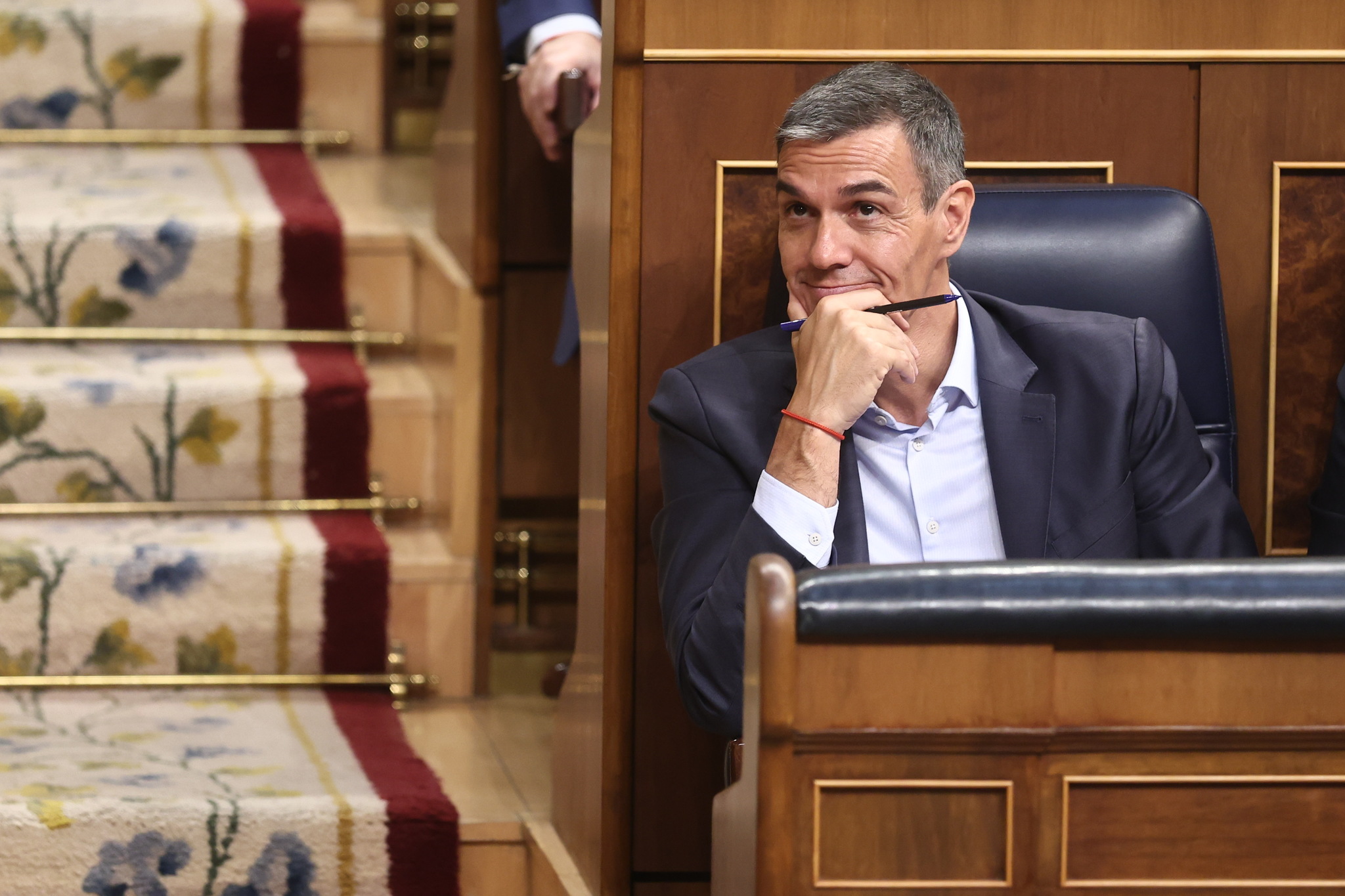
El Gobierno se queda sin liebres que soltar ante la corrupción Lo han intentado todo, pero ya no valen los conejos que salen de la chistera ni las liebres que sueltan desde La Moncloa para hacer olvidar la corrupción rampante que asola al PSOE y al Gobierno. Leer
expansion · about 3 hours ago

La familia Cosentino reduce su dividendo un 56 en dos años Las familias que controlan Cosentino reducen su dividendo un 56 en solo dos años como consecuencia de la caída del beneficio de la compañía. Leer
expansion · about 3 hours ago
Gesundheitspolitik: Lange Ausfälle sind der größte Kostentreiber der Krankenkassen Künftig sollen strengere Regeln für die Krankschreibung gelten. Doch der größte Kostenblock seien die langwierigen Erkrankungen, sagen die Krankenkassen. Sie raten zu mehr Prävention.
handelsblatt · about 3 hours ago
Bundespolitik: Prien will Elterngeld auf zwölf Monate reduzieren – mit drei „Vätermonaten Momentan wird die staatliche Unterstützung 14 Monate lang ausgezahlt. Das Vorhaben der Bundesfamilienministerin ist noch in der Ressortabstimmung.
sueddeutsche · about 3 hours ago

SPD stellt Minijob-Ausnahmen für Studenten in Aussicht Die SPD zeigt erstmals Bewegung im Minijob-Streit: Abgeordnete Annika Klose stellt Ausnahmen für Studenten und private Haushalte in Aussicht. Für Rentner sollen dagegen keine Sonderregeln gelten.
welt.de · about 3 hours ago
Krankenkassen: Lange Ausfälle sind der größte Kostentreiber Künftig sollen strengere Regeln für die Krankschreibung gelten. Doch der größte Kostenblock seien die langwierigen Erkrankungen, sagen die Krankenkassen. Sie raten zu mehr Prävention.
handelsblatt · about 3 hours ago

Schmerzen im Alltag: „Ein Hüftgelenkimplantat ist keine Wellness-OP Künftig brauchen Patienten eine Zweitmeinung, bevor sie ein neues Hüftgelenk bekommen. Ein Orthopäde erklärt, was das bedeutet, wann er eine OP empfiehlt und wie man den Eingriff möglichst lange rauszögern kann.
faz · about 3 hours ago
Budget 2027 : entre ordonnances, 49.3 ou loi spéciale, les députés font les comptes Alors que le gouvernement réunit ce mardi 7 juillet le comité dalerte sur les finances publiques, le chemin pour faire adopter le dernier budget de lère Macron na jamais été aussi sinueux.
liberation · about 3 hours ago
Growing UK pension surpluses fuel debate over what to do with excess funds Corporate defined benefit schemes have seen an improvement in funding levels since 2019 thanks to rising gilt yields
financial times · about 3 hours ago
Krankschreibungen: Krankenkassen: Lange Ausfälle sind größte Kostentreiber Die schwarz-rote Koalition will Krankschreibungen erschweren. Doch Daten der Betriebskrankenkassen legen nahe, dass die Maßnahmen am eigentlichen Kostentreiber vorbeigehen.
tagesspiegel · about 3 hours ago
70 de mii de români ajung anual la spital, din cauza alimentelor alterate. Pericolul fructelor și legumelor ținute în soare, în piețe Risc crescut de boli digestive din cauza legumelor și fructelor ținute în soare. Anual, 70 de mii de români ajung la spital cu enterocolită. Medicii avertizează că o vacanță poate fi dată peste cap de la o singură porție de mâncare alterată. Printre simptome se numără durerile de burtă, starea de greață și febra.
digi24 · about 3 hours ago
Burnham urged to end freeze in salary threshold for student loan repayments MPs accuse ministers of mis-selling finance to young people
financial times · about 4 hours ago
Private Vermieter: »Nie wieder würde ich in Immobilien investieren« Zu viel Bürokratie, zu wenig Rendite: Mehr als 60 Prozent aller privaten Vermieter wollen hinschmeißen. Was an den Klagen dran ist – und was ihr Rückzug bedeuten würde.
die zeit · about 4 hours ago
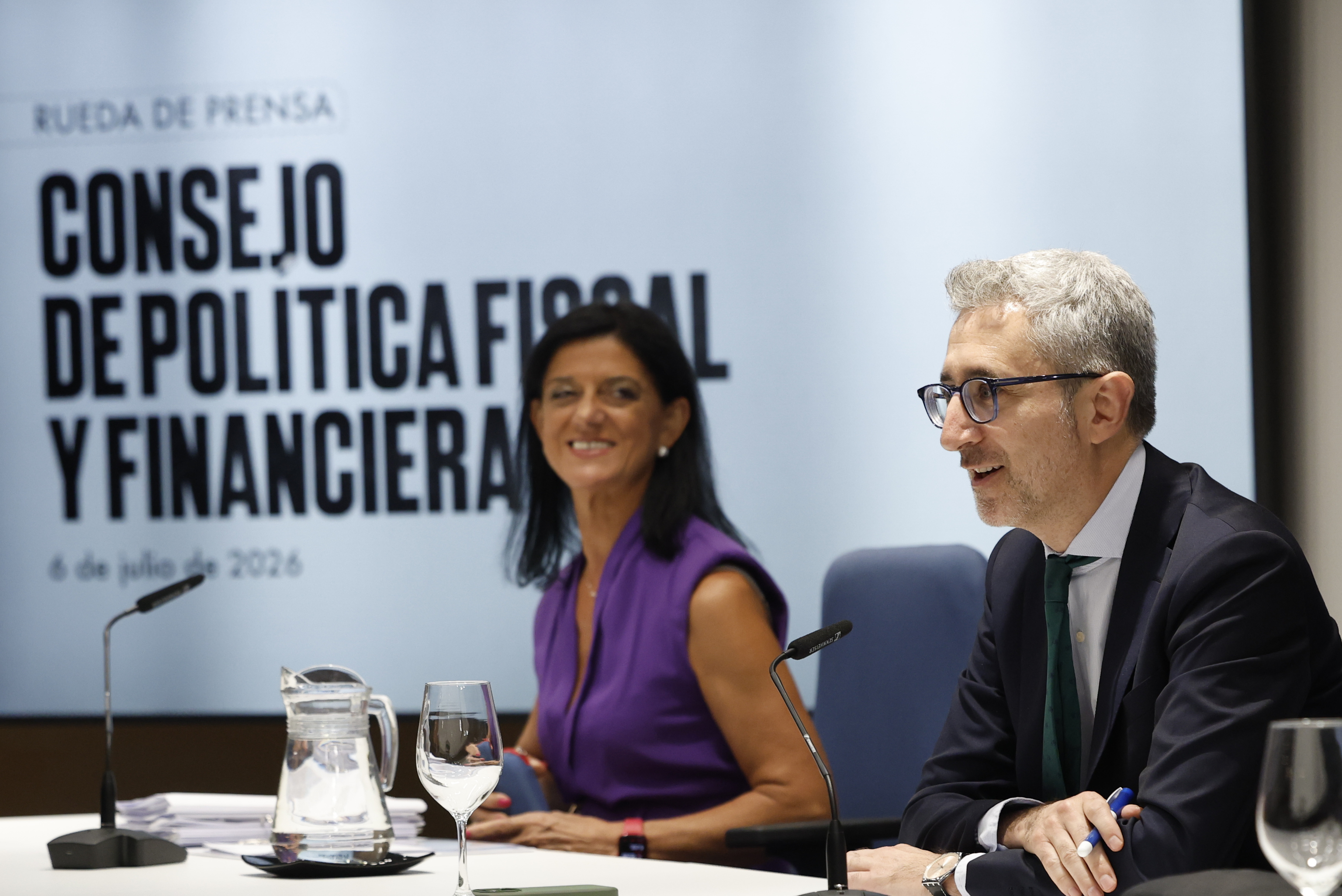
El Gobierno se abre por primera vez a dejar a unas comunidades tener más déficit que a otras para satisfacer a Cataluña Las comunidades gobernadas por el PP se oponen en masa a fijar objetivos de déficit "asimétricos" Leer
elmundo · about 4 hours ago
Nejvíc stojí premiéra Babiše rady ke svobodě slova. Poradkyni Vachatové vyplatil úřad 370 tisíc Služby poradců vyšly za první pololetí letošního roku Úřad vlády na 1,7 milionu korun. Nejvyšší částku uhradil úřad Natálii Vachatové, která radí premiérovi v oblasti svobody projevu. Její odměna byla 370 tisíc korun. Informace poskytl Radiožurnálu Úřad vlády na základě informačního zákona. Vachatová Radiožurnálu řekla, že pomáhá se zapracováním unijních nařízení a plní úkoly premiéra, k těm konkrétní nebyla. Přes tři sta tisíc korun vyplatil úřad také právničce a manažerce hnutí ANO Michaele Pobořilové. Čtvrt milionu dostal ekonom Jaroslav Ungerman, téměř 163 tisíc pak lékař Jiří Votruba.
irozhlas.cz · about 4 hours ago
Altersvorsorge: Allianz: Betriebsrente ist beliebteste Zusatzleistung im Job Die betriebliche Altersvorsorge ist laut Allianz-Umfrage sowohl bei Beschäftigten als auch bei Unternehmen besonders gefragt. Doch nicht alle profitieren gleichermaßen von diesem Vorteil.
tagesspiegel · about 4 hours ago