
Germany to buy U.S. Tomahawk cruise missiles for deployment on German soil

German Chancellor Friedrich Merz announced on Thursday that Germany will purchase long-range Tomahawk cruise missiles from the United States and station them on German soil, marking a historic shift in the country’s defense posture. Speaking to the Bundestag in Berlin, Merz said the agreement was reached on the sidelines of the NATO summit in Ankara, Turkey, this week. “We are closing an important strategic gap in our defense,” Merz told lawmakers. “At the same time, we will work to develop our own European systems and station them in Europe.”
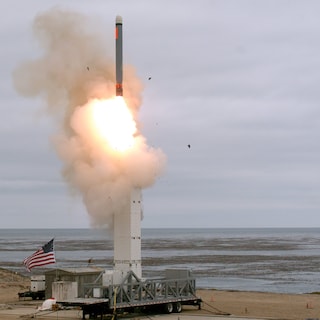
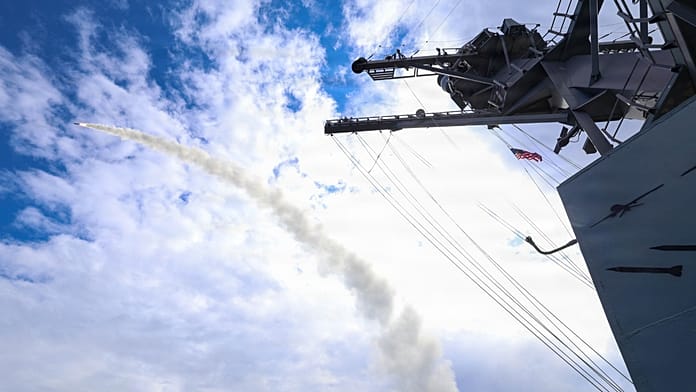
The deal, negotiated between Merz and U.S. President Donald Trump, includes the acquisition of Tomahawk missiles and ground-based Typhoon launchers, though the exact number of weapons and launch systems remains classified. A letter of intent was signed on Tuesday by German Defense Minister Boris Pistorius and his U.S. counterpart Pete Hegseth, with Washington committing to grant formal export approval by August.
The Tomahawk missiles, with a range of up to 1,600 kilometers (1,000 miles), are designed to strike deep into enemy territory, making them a critical asset for deterring threats from Russia. Their deployment in Germany addresses a long-standing gap in NATO’s conventional strike capabilities in Europe, particularly in light of Russia’s deployment of Iskander cruise missiles in the Kaliningrad exclave, just 500 kilometers from Berlin.
The agreement comes after months of uncertainty. Under the previous U.S. administration of President Joe Biden, Washington had planned to station a long-range fires unit in Germany by 2026 as a temporary measure until European allies developed their own capabilities. However, Trump’s administration reversed course, prompting Berlin to pursue direct procurement of the Tomahawks.
Germany’s move aligns with a broader European push to enhance long-range strike capabilities. On Wednesday, the United Kingdom announced that a dozen NATO allies, including Germany, will jointly invest approximately $50 billion (€43 billion) over the next decade to develop new precision strike weapons. Berlin is expected to contribute roughly half of the funding.
The Tomahawk purchase also reflects a wider trend of European nations increasing defense spending amid rising geopolitical tensions. Merz highlighted Germany’s recent agreement to purchase Canadian submarines, calling it the largest international arms deal in the country’s history, with potential economic benefits of up to €100 billion over decades.
While the Tomahawk deal strengthens Germany’s deterrence posture, it also underscores the country’s continued reliance on U.S. military technology. The missiles, which have been in the U.S. arsenal since the 1980s, are prized for their precision and ability to evade detection by flying at low altitudes. Their deployment in Germany will mark the first time mid-range weapons of this class are stationed on German soil.
The announcement follows a series of high-level discussions between Merz and Trump, as well as between Pistorius and Hegseth, aimed at securing the deal. The U.S. has faced pressure to replenish its Tomahawk stockpiles, which have been depleted by recent conflicts, including the wars in Iran and Ukraine.
The German government has not disclosed a timeline for the missiles’ delivery, but officials expect the process to move quickly given the urgency of the security situation. The deployment will be closely watched by NATO allies and Russia, as it represents a significant escalation in Europe’s military preparedness.
Follow us for live European news
- 5
- 2
- 1
- 1
- 1
2 further sources not geolocated
Articles

Merz: Deutschland kauft und stationiert US-Tomahawk-Marschflugkörper Deutschlands Bundeskanzler sieht in dem Schritt die Möglichkeit, „eine wichtige strategische Lücke in unserer Verteidigung zu schließen.
die presse · about 2 hours ago
US approves sale of Tomahawk missiles to Germany, Chancellor Friedrich Merz says
gdeltproject.org · about 2 hours ago
Live - Duitsland koopt Amerikaanse Tomahawk-raketten en stationeert ze op eigen grondgebied
de morgen · about 2 hours ago

Deutschlands strategischer Coup gegen Putin Mit dem Kauf amerikanischer Tomahawk-Marschflugkörper sendet die Bundesregierung eine klare Botschaft an das russische Regime: Im Ernstfall hätte Deutschland die Mittel, Schläge ins Herz des Putin-Imperiums vorzunehmen.
welt.de · about 2 hours ago
Deutschland kauft von USA Tomahawk-Marschflugkörper
orf.at · about 2 hours ago
Regierungserklärung: Dieser Deal mit Trump soll Deutschland sicherer machen Bundeskanzler Friedrich Merz kündigt überraschend den Kauf von US-Marschflugkörpern des Typs „Tomahawk an. Damit reagiert er auf eine konkrete Gefahr aus Russland.
sueddeutsche · about 2 hours ago
Germany reaches deal to acquire US Tomahawk missiles
gdeltproject.org · about 2 hours ago
Germany reaches deal with US to buy long-range Tomahawk missiles
gdeltproject.org · about 2 hours ago
Germany to buy US Tomahawks in shift towards own long-range capability Germany will purchase Tomahawk cruise missiles from the United States and station them on German soil, Chancellor Friedrich Merz said on Thursday, in a shift from planned U.S. deployments to Germanys own long-range strike capability. Merz told lawmakers he had sealed the deal with the U.S. government on the sidelines of a NATO summit in […]
cyprus mail · about 2 hours ago
Marschflugkörper-Deal mit Trump: Merz-Regierung kauft Tomahawk – die Biden kostenlos in Deutschland stationieren wollte Um Putin abzuschrecken, wird in Deutschland aufgerüstet – mit einem Waffensystem aus Washington. Weil der Präsident dort aber nicht mehr Biden, sondern Trump heißt, gibt es den Schutz nicht gratis.
tagesspiegel · about 2 hours ago
Kommentar: Der Tomahawk-Verkauf ist Trumps nächster Triumph Nur Stunden nach der Zusage, die Nato europäischer machen zu wollen, feiert Kanzler Merz den Kauf von Marschflugkörpern in den USA. Zur Freude des „Dealmakers im Weißen Haus.
handelsblatt · about 2 hours ago
Regierungserklärung des Kanzlers: Bundesregierung will Tomahawk kaufen Friedrich Merz kündigt an, von den USA Marschflugkörper zu erwerben. Damit würden erstmals Mittelstreckenwaffen in Deutschland stationiert. mehr...
taz.de · about 2 hours ago
Merz anunță că Germania a ajuns la un acord cu SUA privind rachetele Tomahawk: „Umplem o lacună în apărarea noastră Germania a convenit cu guvernul Statelor Unite să achiziţioneze rachete de croazieră cu rază lungă de acţiune Tomahawk, care vor fi staţionate pe teritoriul german, a anunţat joi cancelarul Friedrich Merz în parlamentul de la Berlin, transmit Reuters şi dpa, potrivit Agerpres.
digi24 · about 2 hours ago
US approves sale of Tomahawk missiles to Germany, Chancellor Friedrich Merz says The United States committed to granting formal approval for the sale of Tomahawk missiles and ground-based Typhoon launchers by August, although the number of missiles acquired would remain classified.
euronews · about 3 hours ago