 Wednesday, May 20Wednesday, May 20
The U.S. has deployed autonomous drones, such as the GARC, in the Strait of Hormuz to counter Iran’s fast-attack boats, which employ swarm tactics and hidden missile sites. These drones are capable of detecting, monitoring, and even ramming Iranian vessels, disrupting Iran’s layered maritime defense strategy . Iran’s "mosquito fleet," consisting of thousands of small, agile boats, poses a significant threat to shipping in the strait, reducing the effectiveness of larger warships. Iran has also expanded its production of anti-aircraft missiles, which can be launched undetected, further complicating maritime security .
A Bahrain-led UN resolution calling for free navigation in the Strait of Hormuz and an end to Iranian attacks on Gulf neighbors has gained support from 112 nations. The resolution reflects broad international backing for efforts to stabilize the waterway . France has announced plans for defensive maritime operations in the strait to help reopen the waterway amid Iranian threats of a "decisive response," signaling European involvement in Gulf security .
The UK has pledged to deploy warships, drones, jets, and automated mine hunters to secure the Strait of Hormuz, with Defense Secretary John Healey confirming the commitment during a meeting of defense ministers . The EU is also considering extending its naval operation *Aspides* to the strait to protect cargo shipments, with EU High Representative Josep Borrell emphasizing that closing the strait is unsustainable . Meanwhile, an Israeli official reportedly expressed satisfaction with the ongoing blockade of the strait, suggesting a preference for its continuation .

#USA #Iran The U.S. has used autonomous drones like the GARC to counter Irans fast-attack boats in the Strait of Hormuz, targeting their swarm tactics and hidden missile sites. These drones can detect, monitor, and even ram Iranian vessels, helping to dismantle Irans layered defense strategy. Subscribe to @OSINTdefender Chat room
telegram bot · 8 days ago
#Iran Irans mosquito fleet consists of thousands of small, fast-attack boats that can effectively disrupt shipping in the Strait of Hormuz, making large warships less effective against this type of threat. Additionally, Iran has increased its production of anti-aircraft missiles, which can be launched undetected, complicating the situation further. Subscribe to @OSINTdefender Chat room
telegram bot · 8 days ago
Bahrain-led UN resolution on Strait of Hormuz gains support of 112 nations The resolution calls for free navigation through the strait and an end to Iranian attacks on its Gulf neighbours.
aljazeera · 8 days ago
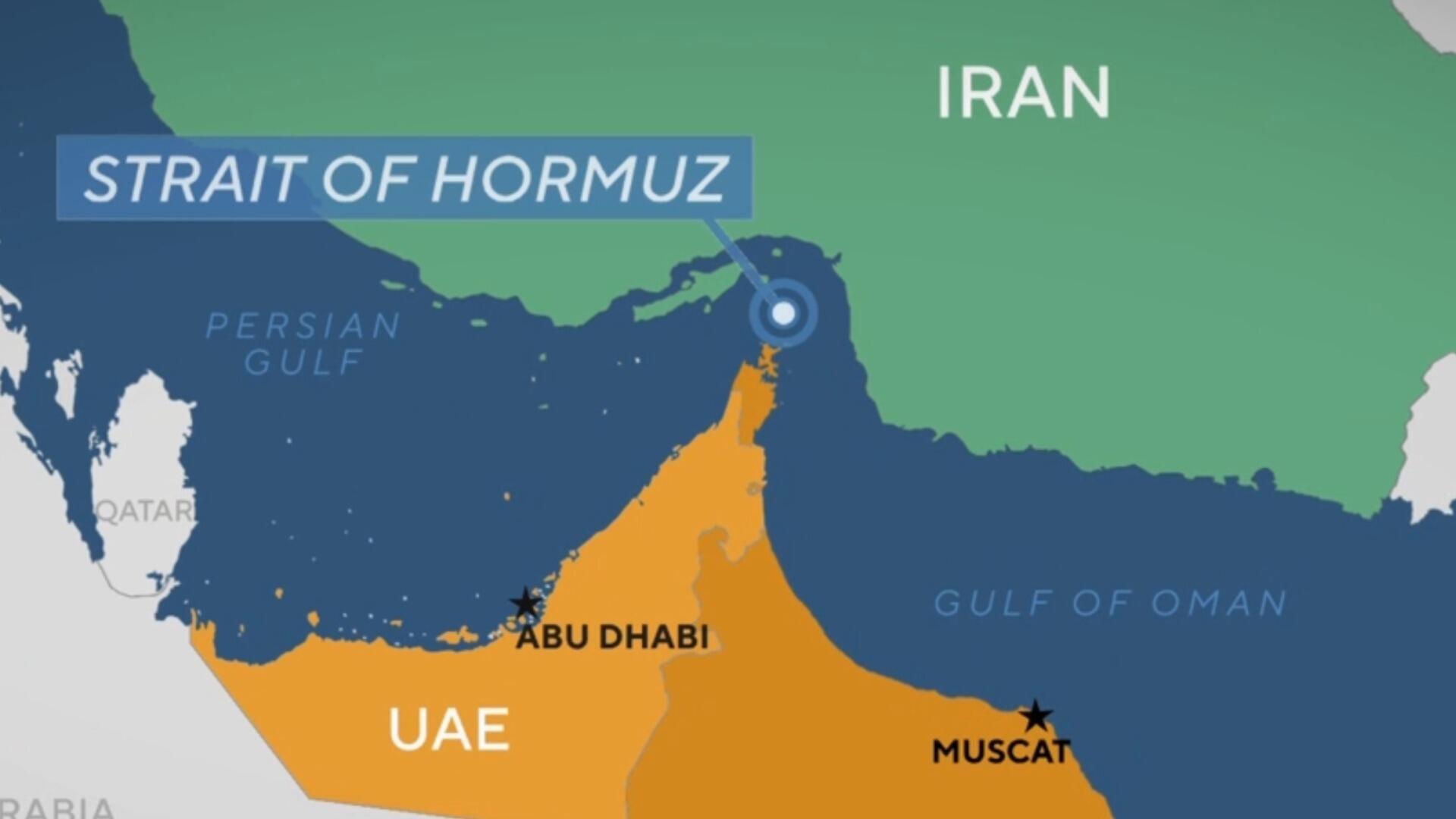
France insists its planned maritime operations in the Strait of Hormuz are exclusively defensive to help reopen the waterway amid Iranian threats of decisive response, highlighting European naval involvement in Gulf stability.#europe #geopolitics #maritime #hormuz
mastodon bot · 8 days ago
⚡Diplomatic sources to Al Jazeera: The support of 112 countries for the draft resolution on the Strait of Hormuz reflects broad support for an initiative that serves everyone.
telegram bot · 8 days ago
the US real game is NOT TO OPEN THE STRAIT OF HORMUZ...
gdeltproject.org · 8 days ago

Monkey Tail breech-loading carbine, UK, 1865
mastodon bot · 8 days ago
JUST IN: 🇮🇱 Israeli official says they would be happy if there is no deal and the blockade on the Strait of Hormuz continues, CNN reports. @BRICSNews
telegram bot · 8 days ago
JUST IN: 🇬🇧 UK to send warship, drones, jets, and automated mine hunters to help secure the Strait of Hormuz. @BRICSNews
telegram bot · 8 days ago
Iran, Kallas: Aspides could be extended to the Strait of Hormuz and help the willing The EU High Representative for Foreign Affairs and Security Policy has raised the possibility of stepping up the EUs naval operation to safeguard cargo shipments: Closing the Strait is unsustainable; countries will contribute
eunews.it · 8 days ago
UK pledges drone boats to help secure Strait of Hormuz Defence Secretary John Healey made the pledge at a meeting of defense ministers in London on Tuesday.
politico.eu · 8 days ago