
Trump warns of communist menace at Mount Rushmore on US 250th anniversary
Story Timeline
2 months · 4 summary articles
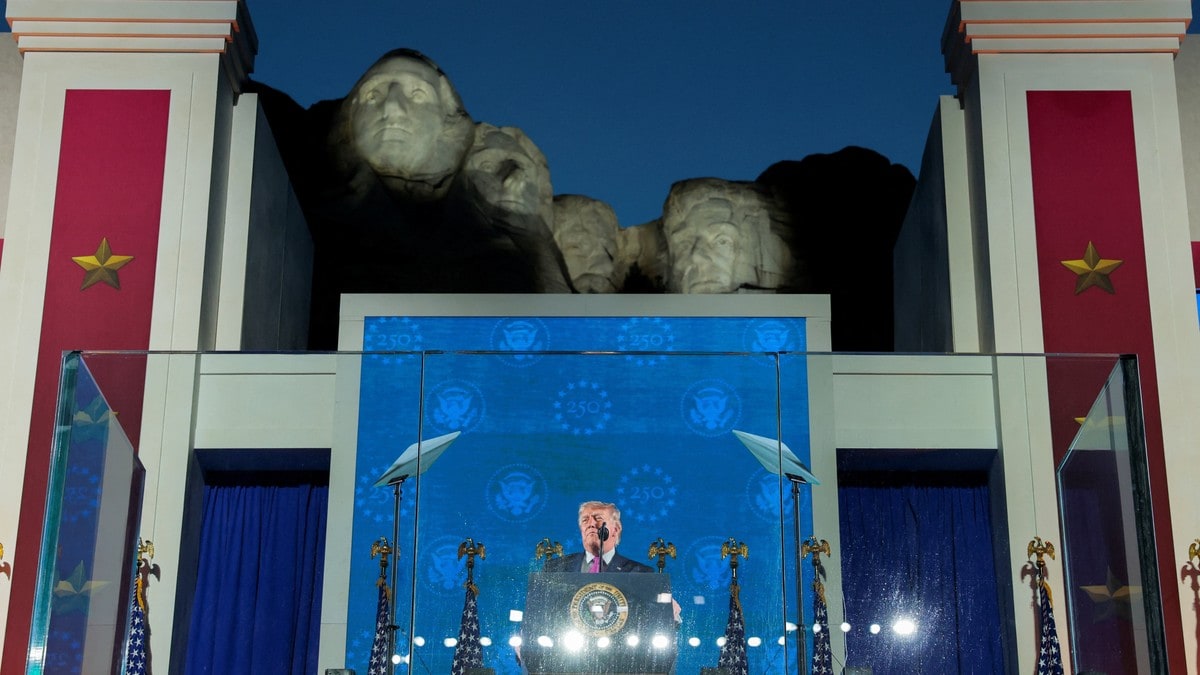
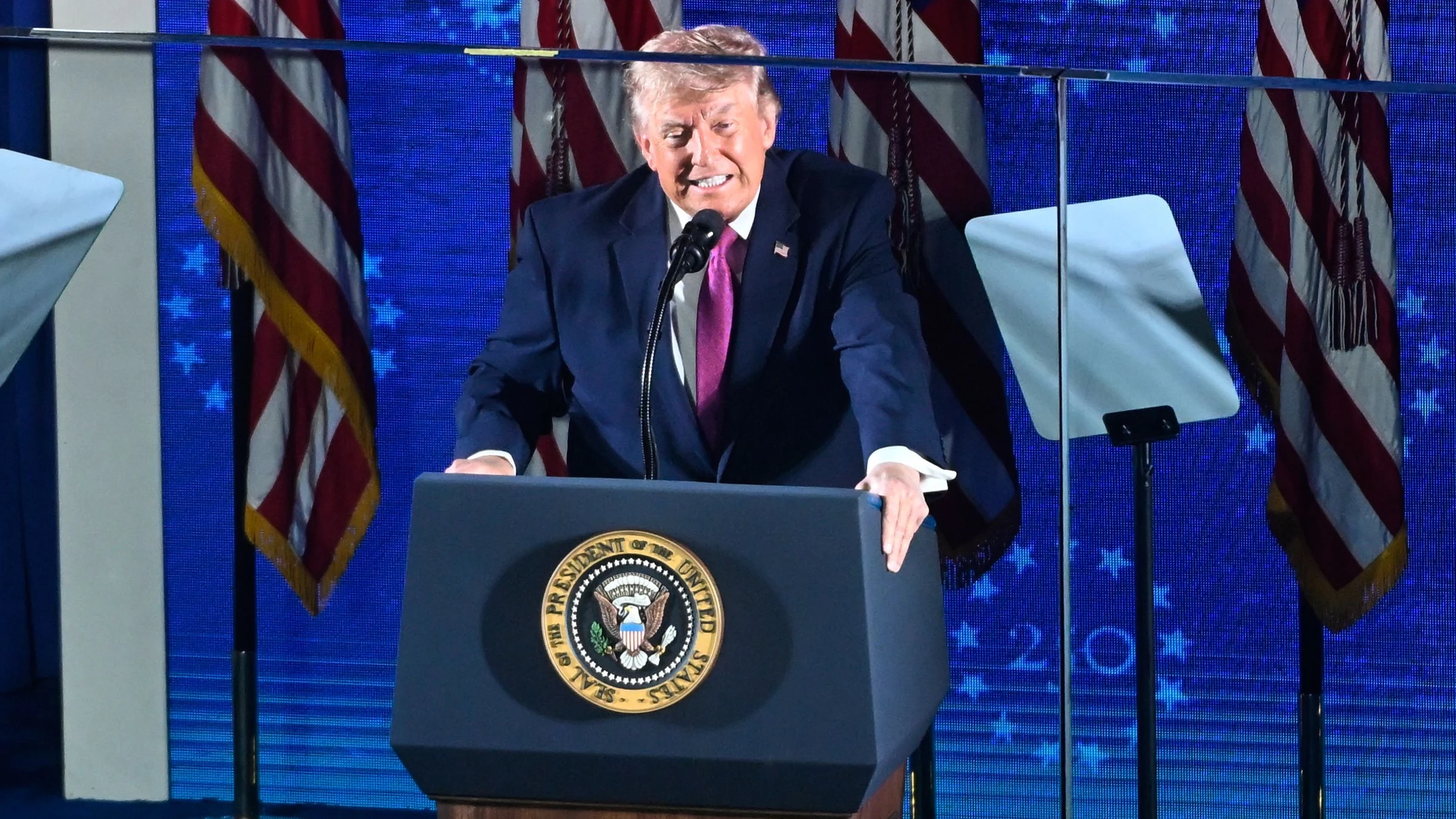
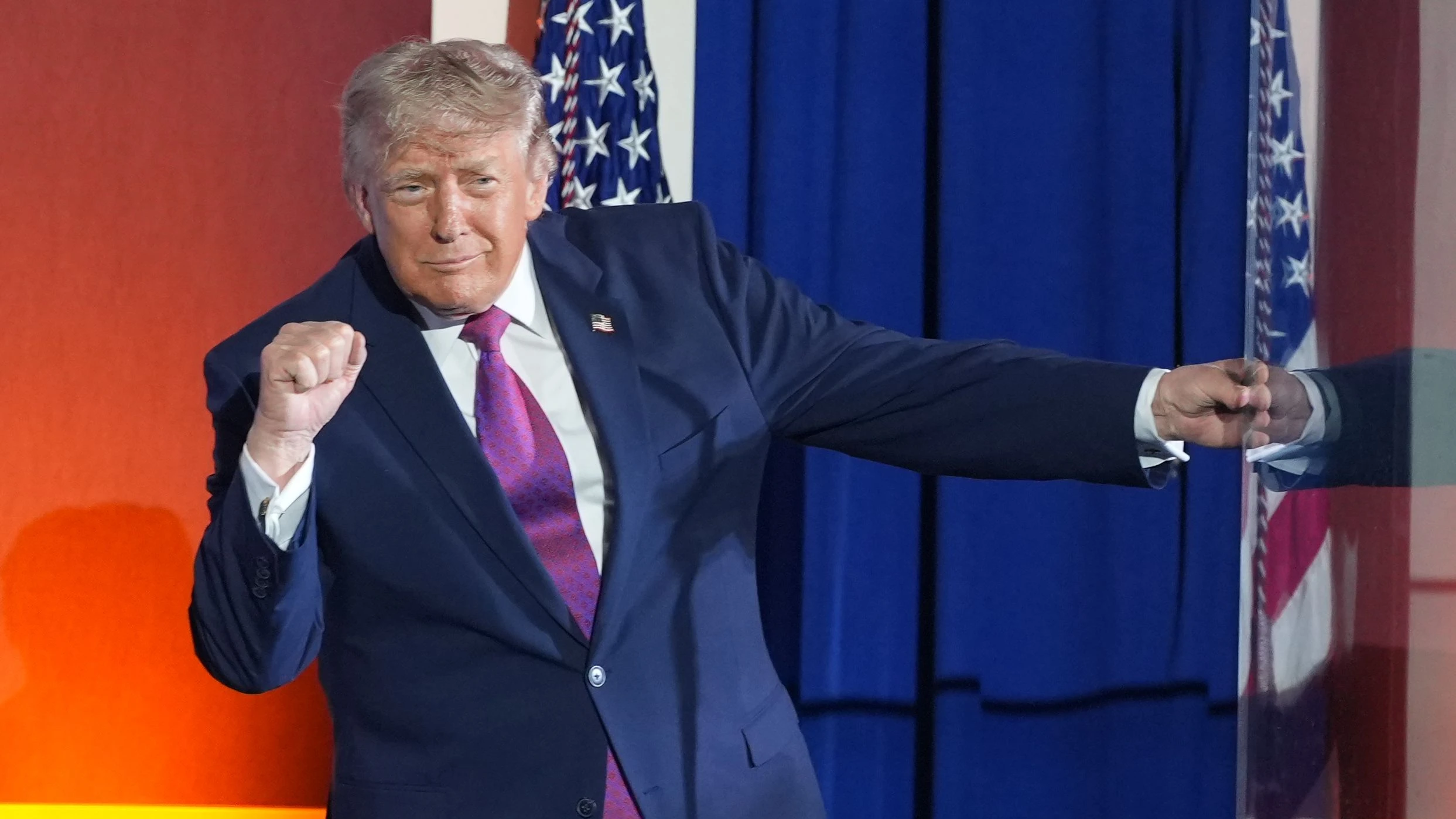
President Donald Trump delivered a fiery Independence Day address at Mount Rushmore on Friday, casting domestic political opponents as existential threats to American identity and declaring communism the nation’s “mortal enemy” on the eve of the United States’ 250th anniversary.
Speaking beneath the towering granite faces of George Washington, Thomas Jefferson, Abraham Lincoln and Theodore Roosevelt, Trump framed the celebration as a defense of the nation’s founding principles against what he described as a resurgent communist menace. “There is now a resurgence of the communist menace in our land, including from newcomers to our country who embrace ideas totally opposed to our way of life and our great success,” he said in a 30-minute address. “We’re not going to let this happen.”
Trump’s speech, delivered under a storm warning with temperatures forecast to reach 100°F (38°C), positioned the 250th anniversary not as a unifying moment but as a clarion call to rally against internal enemies. He warned that “radicals and extremists” sought to “loot and pillage” the nation, and that the upcoming November midterm elections represented a battle for the country’s soul. “America will never be a communist country,” he declared. “We may lose the congressional elections only if we allow it—if we are imprudent, foolish, and reckless.”
The president’s rhetoric echoed the anti-communist fervor of the 1950s Red Scare, framing ideological opposition as an existential threat to national survival. He singled out progressive Democrats, immigrants and critics of American history as complicit in this perceived danger. “You can be a communist or you can be a patriot,” Trump said. “You cannot be both. Those who spread Marxist lies about our heritage and tell our children that we live on stolen land or that our heroes were oppressors do worse than slander our past—they attack our future.”
The speech came as extreme heat forced cancellations of parades and public gatherings across the country, including in Washington, D.C., where organizers scrambled to adjust plans for the main Independence Day festivities. Trump, however, framed the challenges as part of a broader struggle. “We stand beneath the monument of these heroes—a true group of unbelievable people—and we rededicate ourselves to being a nation as big, bold, noble, and as great as these American giants,” he said.
Critics accused Trump of hijacking the anniversary to advance his political agenda. In New York, Mayor Zohran Mamdani delivered a counter-message celebrating an inclusive and solidaristic society, contrasting sharply with Trump’s nationalist vision. French newspaper *Libération* described Trump’s address as a “cardboard speech” before the granite monument, while *Mediapart* noted that the president’s narrative excluded slavery, segregation and the genocide of Indigenous peoples.
The president’s speech also underscored deep divisions over how to commemorate the nation’s founding. While Trump celebrated American exceptionalism and Christian nationalism, critics argued that the anniversary had become a platform for division rather than unity. In Washington, the official celebrations were overshadowed by logistical challenges and political infighting, with some events canceled or scaled back due to the heat.
As the United States marked its 250th year, Trump’s address at Mount Rushmore served as both a celebration of national pride and a warning of impending ideological conflict—one that he framed as a fight for the country’s survival.
Follow us for live European news
- 4
- 3
- 2
- 2
- 2
- 1
- 1
- 1
- 1
- 1
- 1
- 1
- 1
- 1
- 1
3 further sources not geolocated
Articles

Larmet inför Trumps fest: En katastrof Donald Trump slår på stort i helgen i Washington när USA firar 250 år. Men nu tvingas arrangörerna till ändringar i sista stund – och experter larmar att en katastrof väntar i huvudstaden.
expressen · about 2 months ago
250 Jahre USA: Eine Supermacht mit Geburtsfehlern 2007 machte ich Studenten in Texas zu Europa-Fans. Heute sind beide Modelle in der Krise: die USA unter Donald Trump und die EU.
die presse · about 2 months ago
Fourth of July: How Ancient Greece Inspired American Independence Greek Americans have one more reason to be proud on the Fourth of July each year because they dont only celebrate Americas Independence Day, but also the great influence of Hellenism on the birth of the American nation. The ideas and practices that are celebrated on Fourth of July and that led to the development […]
greek reporter · about 2 months ago
Cum va arăta parcul „Donald Trump din București: Daniel Băluță a prezentat un proiect cu rachete, cinema și simboluri americane. Primarul Sectorului 4, Daniel Băluță, a prezentat vineri conceptul viitorului Parc al Prieteniei Româno-Americane „Donald Trump, un spațiu tematic care urmează să fie amenajat în apropierea Parcului Tudor Arghezi din București.
adevarul · about 2 months ago

Trump Accounts to debut as US kicks off 250th Independence Day celebrations reut.rs/3SEQAOA
bluesky_Reuters · about 2 months ago
USAs feirer 250 år, men feirer ikke sammen Markeringen av USAs 250-årsdag splitter et allerede delt USA. Kritikerne mener president Trump legger opp til en feiring av seg selv. Nå skaper også heten problemer.
nrk · about 2 months ago

Obchody 250. rocznicy Deklaracji Niepodległości w USA. Trump o "śmiertelnym zagrożeniu" - Nasza amerykańska tożsamość ponownie jest atakowana - mówił Donald Trump w przeddzień Dnia Niepodległości USA. Amerykański prezydent zaalarmował, że w kraju "odradza się komunistyczne zagrożenie", w tym "ze strony osób nowo przybyłych".
gazeta.pl · about 2 months ago
USA unter Trump: Trump in Mount Rushmore: „Wir sind das stärkste und erfolgreichste Land, das jemals existiert hat Liveticker zur US-Politik unter Donald Trump / Trump soll republikanischen Senator angeschrien haben / Jetzt lesen im Liveticker der FAZ
faz · about 2 months ago
Trump praises army, rails against communism in US 250th anniversary speech At Mount Rushmore Trump warns of communist menace, ties rhetoric to immigration ahead of November midterms.
aljazeera · about 2 months ago

Dont let Trump ruin Americas anniversary. www.vox.com/podcasts/493...
bluesky_Vox · about 2 months ago
Donald Trump, discurs de Ziua Independenţei SUA la Muntele Rushmore: „Cea mai excepţională naţiune care a existat vreodată Preşedintele american Donald Trump a dat vineri seară startul unui weekend aniversar dedicat celor 250 de ani de independenţă a SUA, a lăudat America, pe care a descris-o drept o naţiune unică şi puternică, ale cărei zile cele mai bune abia urmează, într-un discurs susţinut pe Muntele Rushmore, înainte de celebrarea de sâmbătă de la Washington, D.C.
digi24 · about 2 months ago
Trump laments attack on American identity and blasts communist menaces, as US turns 250 Searing temperatures have done little to deter President Donald Trump, who has gone to great lengths to ensure the event becomes, in large part, a celebration of himself.
thejournal · about 2 months ago
Trump, atac politic dur în discursul de Ziua Independenţei: „O amenințare comunistă renaște în SUA Preşedintele american Donald Trump a dat vineri seară startul unui weekend aniversar dedicat celor 250 de ani de independenţă a SUA, cu un discurs lung pe Muntele Rushmore, în care a menționat riscul comunismului, despre care a spus că este „dușmanul Constituției, potrivit The Guardian. În discursul său de jumătate de oră, Trump a lansat …
hotnews.ro · about 2 months ago

A la veille des 250 ans des Etats-Unis, Trump décrit une identité américaine attaquée : "une résurgence de la menace communiste sur notre sol" A la veille des 250 ans des Etats-Unis, Donald Trump a affirmé vendredi depuis lemblématique Mont Rushmore (nord) que lidentité américaine subissait sur son sol ce quil a décrit comme une "nouvelle offensive" venant de "radicaux et dextrémistes". ...
la libre · about 2 months ago
Die Vereinigten Staaten feiern gigantische Party Die USA feiern am 4. Juli ihren 250. Geburtstag. Im Mittelpunkt steht das Präsidentendenkmal am Mount Rushmore. Höhepunkt der Feierlichkeiten ist die zentrale Veranstaltung in Washington D.C.
welt.de · about 2 months ago
Unabhängigkeit der USA: Wie die USA unter Donald Trump ihre Unabhängigkeit feiern Unter Trump soll das US-Jubiläum natürlich besonders groß und spektakulär werden. Nicht allen ist nach Feiern zumute. Es gibt Kritik. Und einige Absagen. Ein Überblick
die zeit · about 2 months ago
Rede am Mount Rushmore: Trump warnt vor Kommunismus
orf.at · about 2 months ago
Finanzgeschäfte des Präsidenten: Trump schröpft Kryptofans Donald Trump versprach eine neue Ära für Kryptowährungen. Reich geworden ist vor allem er selbst.
faz · about 2 months ago
OVERVIEW: How the US will celebrate its 250th birthday Saturday marks exactly 250 years since the USA declared independence from Great Britain. In Washington D.C., celebrations feature exhibits, concerts, an air show featuring Donald Trumps new presidential plane, and a speech Trump announced he will hold. In Philadelphia, where the declaration was signed, the Wawa Welcome America festival features concerts and parades. New York, […]
cphpost · about 2 months ago
OVERVIEW: Trump steals spotlight at D.C. 250th party The celebration of the USAs 250th anniversary in Washington D.C. has become less unifying than usual. In 2016, Congress established the non-profit America250 to coordinate the celebration. However, after Donald Trump became president in 2025, disagreements led his administration to create the partnership Freedom 250 for official events. Freedom 250 received most of the $150 […]
cphpost · about 2 months ago
The RS Palace in Banja Luka illuminated in the Colours of the US Flag On the occasion of the 250th anniversary of the independence of the United States of America, the Palace of the Republic in Banja Luka is illuminated in the colors of the American flag on Friday evening. Independence Day in the United States of America is a national holiday celebrated on July 4. This holiday is […] The post The RS Palace in Banja Luka illuminated in the Colours of the US Flag appeared first on Sarajevo Times.
sarajevo times · about 2 months ago
Obrovský zárobok na kryptomenách. Trump priznal miliardu dolárov a odmieta konflikt záujmov Donald Trump odmieta, že by podnikanie jeho rodiny bolo konfliktom záujmov. Tvrdí, že obchody s kryptomenami sú legálne a nemá na ne žiadny vplyv.
aktuality.sk · about 2 months ago

I New York firas USA:s 250-årsdag inte som Trump vill NEW YORK. I Washington kommer USA:s 250-årsdag att se ut som en hyllning till Donald Trump, regisserad av honom själv. På andra håll går firandet i motsatt riktning – och påminner ibland om att det som hände 1776 var ett uppror mot en engelsk tyrann, inte särskilt olik dagens amerikanske president.
dagens nyheter · about 2 months ago
Mount Rushmore: 250 Jahre USA: Trump warnt vor „kommunistischer Bedrohung Trump verschärfte vor dem 4. Juli seine Warnungen vor dem linken Flügel der Demokraten. In den USA sorgen Inflation und steigende Spritpreise für Unmut.
faz · about 2 months ago
Radikale og ekstremister truer USAs identitet, sier Trump Kvelden før USAs 250-årsjubileum sier president Donald Trump sier at landets identitet er under angrep fra innenlandske…
aftenposten · about 2 months ago
How Trump took over Americas 250th America250 organizers have received only a fraction of the appropriated funds to celebrate Americas milestone. Into the void stepped Freedom250.
politico.eu · about 2 months ago
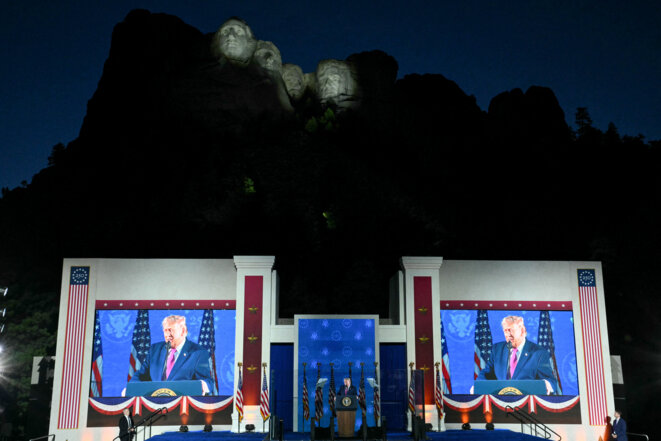
À la veille des 250 ans des États-Unis, Trump célèbre les héros de la nation et agite la peur du communisme À la veille du 250e anniversaire de la déclaration dindépendance, Donald Trump sest rendu au mont Rushmore, une terre volée aux Autochtones Lakotas, où les visages de quatre présidents états-uniens ont été sculptés. Sil a parlé dhistoire glorieuse, il a mis en garde contre le retour du «communisme».
mediapart · about 2 months ago
Unabhängigkeitstag: 250. Geburtstag: Trump beschwört ein Amerika der Gläubigen Die USA feiern 250. Geburtstag. Trump nutzt eine Rede am Vorabend an einem bedeutenden Ort, um einen Gegensatz hervorzuheben.
handelsblatt · about 2 months ago
USA: Trump warnt beim Präsidentendenkmal vor „kommunistischer Bedrohung Kurz vor dem Höhepunkt der 250-Jahr-Feier sprach der Präsident am Mount Rushmore davon, wie einzigartig die USA seien. Seinen Wunsch, auch dort verewigt zu werden, erwähnte er nicht.
handelsblatt · about 2 months ago
Trump, il 4 luglio come un comizio: Identità Usa sotto attacco, non saremo mai un Paese comunista Il discorso del presidente a Mount Rushmore per il duecentocinquantesimo compleanno degli Stati Uniti. Le accuse a radicali e estremisti interni
corriere · about 2 months ago