
Wild turkeys in Alameda turn aggressive, police issue warnings after attacks
Wild turkeys in Alameda, California, have turned aggressive, prompting police to issue urgent warnings after separate attacks on an 83-year-old woman and a dog. Authorities urge residents to avoid feeding the birds—whether intentionally with birdseed or unintentionally by leaving fallen fruit in gardens—to prevent further confrontations. The incidents mark a sharp escalation in human-wildlife conflict in the area, with police emphasizing that even small food sources can embolden the animals .
The attacks follow a pattern of rising urban wildlife encounters, though the Alameda cases stand out for their direct aggression toward humans and pets. No injuries were reported in the latest incidents, but officials warn that wild turkeys, which can weigh up to 24 pounds, pose a growing threat as their populations expand into residential zones. The city has not yet announced plans for population control or relocation efforts.
Elsewhere, wildlife faces mounting pressures from human activity. A University of Tartu study reveals that Estonia’s wild animals—including deer, boars, and foxes—are most vulnerable to vehicle collisions during spring and autumn, particularly at dawn and dusk. The findings, published this week, highlight seasonal migration patterns and rush-hour traffic as key risk factors, with collisions peaking during these periods . Meanwhile, in Romania, authorities issued a RO-ALERT after a bear was spotted in Rimetea, a popular tourist village in Alba County, underscoring the challenges of managing large predators in areas where human settlements and wilderness overlap .
The Alameda turkey incidents reflect broader global trends of wildlife adapting to urban environments, often with dangerous consequences. In the U.S., similar conflicts have been reported in states like Massachusetts and New York, where wild turkeys have become a year-round nuisance. Experts attribute the rise in aggressive behavior to habituation—animals losing their natural fear of humans after repeated exposure to food sources. As urban sprawl continues to encroach on natural habitats, such encounters are expected to increase, forcing cities to balance public safety with conservation efforts.
- liberation
- independent
- news.err
- digi24
- nrc
Articles

Bijna elk jaar vullen zijn slechtvalken het politienest met vier tot zes eieren De politie gaat meer doen aan de aanpak van milieucriminaliteit, zegt hoofdcommissaris Gert Veurink, die een nestkast voor slechtvalken liet plaatsen op het hoofdbureau. „Milieurechercheurs worden vaak snel van hun werk gehaald om te helpen bij het oplossen van een moord- of drugszaak.
nrc · 5 days ago
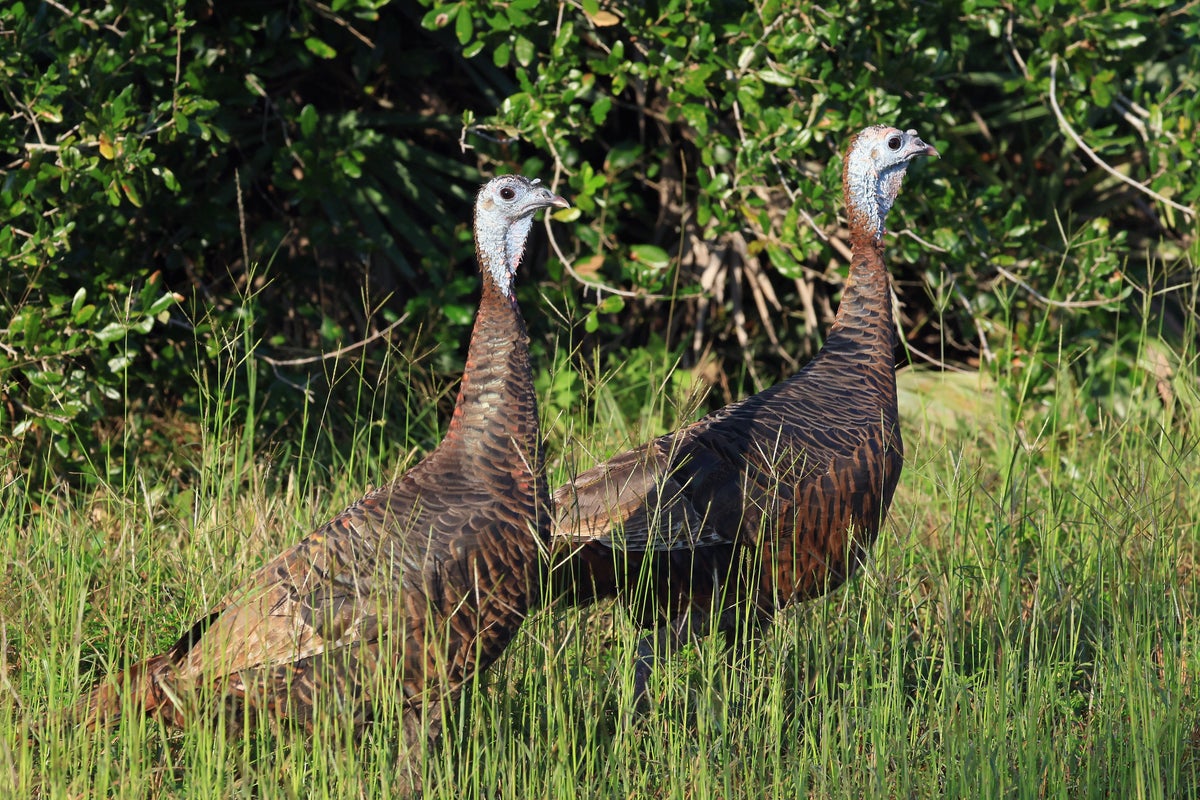
Aggressive wild turkeys attack woman, 83, and dog in separate incidents sparking police warnings Police are warning Alameda residents to keep a safe distance from the turkeys and not tempt them to their homes with bird seed or fallen fruit left out in their gardens
independent · 5 days ago
Wild animals at greater risk from traffic in autumn, spring and during rush hour Wildlife-vehicle collisions in Estonia are most common at sunrise and sunset, with the highest risk occurring in spring and autumn, a University of Tartu study found.
news.err · 5 days ago
Un urs a fost semnalat în comuna Rimetea, una dintre cele mai vizitate localități din Alba. Autoritățile au emis RO-ALERT Prezenţa unui urs a fost semnalată, luni, în comuna Rimetea, una dintre cele mai importante destinaţii turistice din judeţul Alba, la faţa locului deplasându-se un echipaj al Jandarmeriei, echipat corespunzător pentru alungarea animalelor de talie mare.
digi24 · 5 days ago
En Nouvelle-Zélande, les perruches Nacho et Trixie bien décidées à sauver les kākāriki karaka de lextinction En lespace de deux ans, le couple élevé en captivité à Christchurch a donné naissance à plus de 10 de la population totale. Des «super reproducteurs» qui offrent un espoir de survie à leur espèce en danger critique.
liberation · 5 days ago

Outdoor balloon releases will be illegal in this state starting in August Wildlife activists say the new law will help prevent animals from accidentally ingesting balloons after they eventually fall
independent · 5 days ago
Coloane de mașini pe A1 spre Capitală, după minivacanța de Rusalii. Rutele alternative recomandate de polițiști Traficul este aglomerat, luni după-amiază, pe sensul de mers către București al A1 București–Pitești, pe fondul întoarcerii din minivacanța de Rusalii.
digi24 · 6 days ago
«Lémotion a été immense» : Zlatka, une tamarin lion doré volée en 2015 au zoo de Beauval, de retour en France Retrouvée vivante en Slovaquie, la primate a été rapatriée jeudi, a annoncé ce lundi le parc animalier, onze ans après avoir été dérobée aux côtés de seize autres singes. Laffaire, classée sans suite, reste inexpliquée.
liberation · 6 days ago