
Archaeologists uncover 3,200-year-old Egyptian tomb with rare funerary furniture
Archaeologists have uncovered a nearly complete set of funerary furniture in a 3,200-year-old Egyptian tomb, marking the first such discovery in the burial site of Panehsy in Matariya, Ain Shams. The Egyptian Ministry of Tourism and Antiquities announced the find on Monday, attributing it to an excavation team from the Supreme Council of Antiquities. The cache includes artifacts that officials say will provide unprecedented insight into New Kingdom burial practices .
In Barcelona, researchers studying Queen Elisenda of Montcada’s 700-year-old tomb at the Royal Monastery of Santa Maria de Pedralbes have revealed new details about medieval Catalan burial customs. The ongoing excavation, part of the monastery’s 700th-anniversary celebrations, has also uncovered remains of individuals interred alongside the queen, offering clues about the social hierarchy of the period .
Europe’s largest Copper Age tomb, Camino del Molino in southeastern Spain, is yielding fresh evidence of prehistoric childhood illness. A study of skeletal remains from the 5,000-year-old site found widespread respiratory diseases and chronic conditions among children, suggesting early agricultural communities faced significant health challenges .
Meanwhile, seasonal snowmelt on Turkey’s Lifos Mountain has exposed the outline of a vast ancient complex near the summit of a volcanic peak. Drone footage captured the site’s expansive layout, though archaeologists have yet to determine its purpose or exact age. The discovery has intensified interest in the region, which lies near Mount Erciyes in Kayseri province .
These findings follow recent revelations about early human fire use in South Africa, where new research suggests *Homo erectus* exploited wildfires 1.8 million years ago—700,000 years earlier than previously documented. Evidence from the Wonderwerk Cave indicates the species transported fire into the cave, though they lacked the ability to create it . The discoveries underscore a surge in archaeological breakthroughs across multiple continents, with ongoing excavations expected to clarify the cultural and historical significance of each site.
- aktuality.sk
- orf.at
- die presse
- elmundo
Articles

Predpoveď počasia na utorok: Denné teploty vystúpia do 28 stupňov, zrážky hrozia najmä na východe V utorok 2. júna bude na území Slovenska prevládať polooblačné až oblačné počasie.
aktuality.sk · 5 days ago

They take you out of life, out of time: a journey into Spains astonishing cave paintings For tens of thousands of years, these Palaeolithic artworks were unseen. When they were rediscovered, onlookers marvelled at their vivid beauty. One of the worlds leading experts took me up closeThe aurochs, the mammoth and the steppe bison are long extinct, but their painted likenesses still look relatively fresh across the walls and roofs of Altamira. Or so said Diego Garate Maidagan, who is one of the very few humans allowed to enter that exalted cave in northern Spain.I met Garate last summer in a small Basque village called Gautegiz Arteaga. A professor of prehistory and Palaeolithic art at the University of Cantabria, he told me hed been inside Altamira as recently as the week before, furthering his lifelong investigations of the prep work, tools and methodologies developed by early Homo sapiens painters. Continue reading...
theguardian · 5 days ago
Na juhu Česka udreli dve tornáda. Meteorológovia potvrdili ich výskyt pri Netoliciach a pri Týne nad Vltavou Na juhu Česka sa počas nedeľňajších búrok objavili dve slabšie tornáda. Meteorológovia skúmajú rozsah škôd a upozorňujú na čoraz častejší výskyt tohto javu.
aktuality.sk · 5 days ago
Zeichen für „Super-El-Nino mehren sich Die Hinweise auf einen besonders starken „El Nino verdichten sich. Das zeigt vor allem die Bilanz der Meerestemperaturen im Mai: Einige Male wurde der bisher gemessene Höchstwert überschritten. Obwohl die direkten Auswirkungen von „El Nino in Form von Extremwetterereignissen weit von Europa entfernt auftreten, sind die Folgen weltweit spürbar. Medien berichten sogar von einem bevorstehenden „Super-El-Nino – mit Sicherheit lässt sich das Ausmaß des Klimaphänomens aber noch nicht voraussagen.
orf.at · 5 days ago
600 Kilometer weit spürbar: Starkes Erdbeben vor Süditalien Um 0.12 Uhr wurde vor der Küste Kalabriens ein Seebeben der Magnitude 6,2 registriert. Erschütterungen waren bis hin zur Balkanhalbinsel zu spüren.
die presse · 5 days ago
Queen Elisendas Tomb in Barcelona Reveals Secrets Hidden for 700 Years Archaeologists studying the Royal Monastery of Santa Maria de Pedralbes in Barcelona have uncovered new details about Queen Elisenda of Montcada and the community buried alongside her, shedding fresh light on life, death and burial practices in medieval Catalonia. The findings come from a large-scale study launched as part of the monasterys 700th anniversary. Researchers […]
greek reporter · 5 days ago
Predpoveď počasia na noc: Na strednom a východnom Slovensku hrozí dážď, od západu sa vyjasní Počas noci na utorok 2. júna bude na území Slovenska oblačno až zamračené.
aktuality.sk · 5 days ago
Rare Burial Treasure Found in 3,200-Year-Old Egyptian Tomb Archaeologists in Egypt have uncovered a rare funerary cache at the 3,200-year-old tomb of Panehsy in Matariya, Ain Shams, the Ministry of Tourism and Antiquities said. The discovery was made during excavations by an Egyptian mission from the Supreme Council of Antiquities. Officials said the cache contains the first nearly complete set of funerary furniture […]
greek reporter · 5 days ago
Europes Largest Copper Age Tomb Reveals New Clues About Prehistoric Life The largest Copper Age tomb in Europe is offering new clues about the health challenges faced by prehistoric children nearly 5,000 years ago. Researchers studying skeletons from the Camino del Molino burial site in southeastern Spain found widespread evidence of respiratory disease and chronic illness among young members of the community. The study, led by […]
greek reporter · 5 days ago
Snowmelt Reveals Massive Ancient Complex on Lifos Mountain in Turkey Seasonal snowmelt on Lifos Mountain in central Turkey has revealed the outline of a large ancient complex near the summit of a volcanic peak, bringing renewed attention to one of the regions most mysterious archaeological sites. The remains lie on Lifos Mountain in Kayseri province, within the Hacılar district north of Mount Erciyes. Drone footage […]
greek reporter · 5 days ago
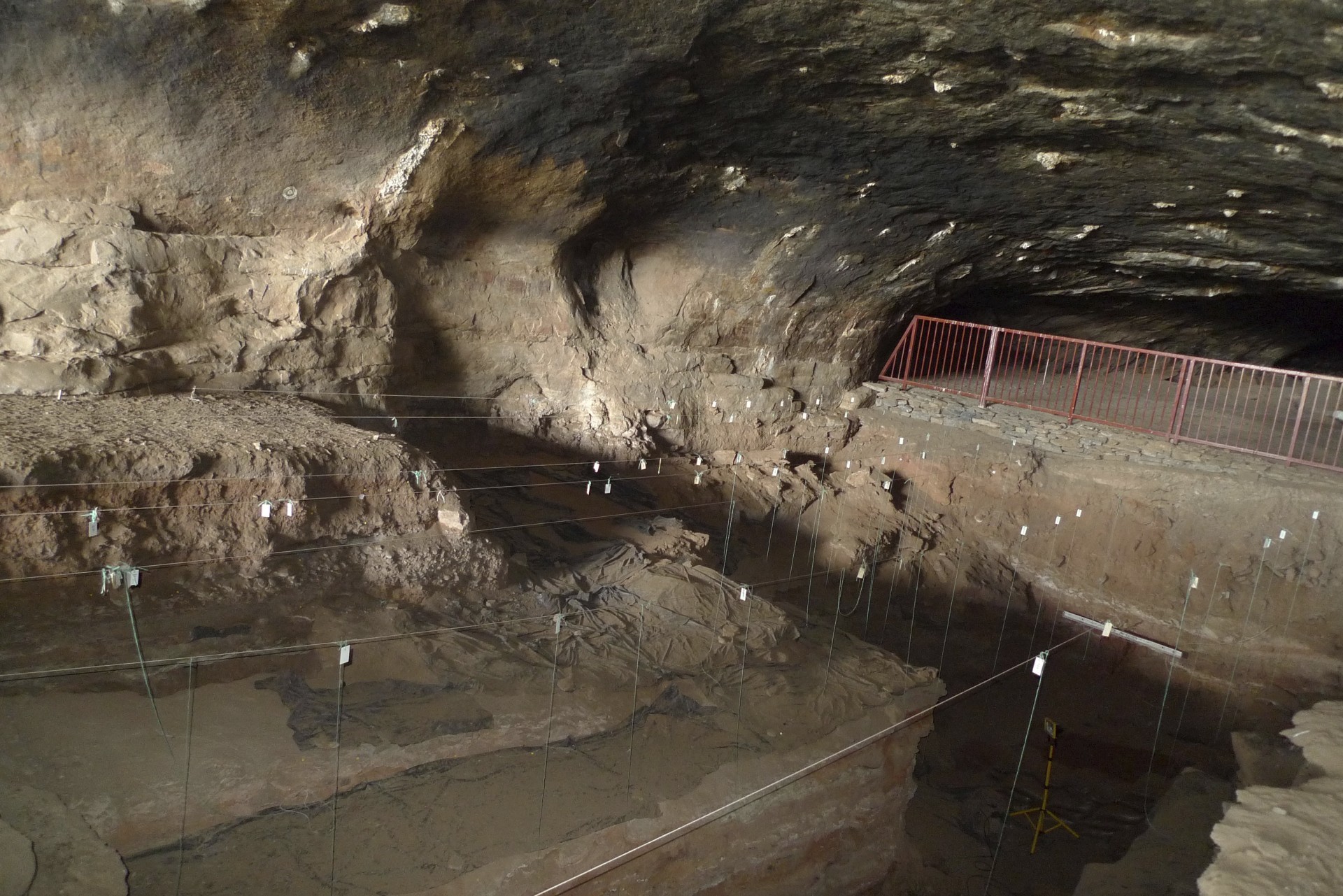
Hallan en una cueva de Sudáfrica la prueba más antigua de la utilización del fuego Un nuevo método de investigación indica que los Homo erectus usaban el fuego de forma oportunista y recurrente hace 1,8 millones de años, 700.000 años antes de lo que se creía. Aunque no eran capaces de encenderlos, aprovecharon los incendios forestales y llevaban el fuego al interior de la cueva de Wonderwerk, en Sudáfrica Leer
elmundo · 5 days ago
Marble Head of Greek Goddess Aphrodite Found at Ancient Heracleopolis in Egypt Archaeologists in Egypt have uncovered a rare marble head of Aphrodite (Venus) at Ihnasya Al-Madina, an ancient city once known as Heracleopolis Magna (Greek: Μεγάλη Ἡρακλέους πόλις). The discovery was made during excavations by an Egyptian mission affiliated with the Supreme Council of Antiquities in Beni Suef Governorate. The mission is led by Mohamed Ibrahim, […]
greek reporter · 5 days ago