
Europe's synthetic drug surge fuels record cocaine seizures and public health crisis
Story Timeline
2 months · 5 summary articles
A sharp rise in synthetic drug trafficking and record cocaine seizures across Europe have set off alarm bells among law enforcement agencies, as criminal networks adapt to shifting demand with ever more potent substances. On Wednesday, police in Cyprus disclosed that cocaine seizures in the first half of 2026 have more than doubled compared with the same period last year, while new synthetic drugs—some far stronger than traditional narcotics—are flooding the market at an unprecedented rate . The announcement follows a wave of coordinated raids in Greece, where authorities on Mykonos arrested five suspects and seized substantial quantities of cocaine, ketamine, ecstasy, and other controlled substances .
In Finland, where the drug situation has taken a markedly darker turn, police have warned that the proliferation of synthetic substances is exacerbating public health risks and complicating enforcement efforts . The trend mirrors broader European patterns: a 2025 survey in Italy found that 23% of under-18s had used at least one illegal substance, prompting Prime Minister Giorgia Meloni to call for a comprehensive, long-term strategy to address addiction and prevention .
Public discourse on drug policy is also shifting. In Ireland, a parliamentary committee has recommended removing criminal penalties for personal drug possession, a move backed by Senator Lynn Ruane, who described the current system as both ineffective and harmful . Meanwhile, in the Netherlands, a survey released ahead of International Day Against Drug Abuse and Illicit Trafficking revealed that more young people are experimenting with drugs, with cocaine use among the most pronounced concerns for federal drug policy officials .
The surge in synthetic drugs—often designed to evade detection and deliver intense, unpredictable highs—has intensified pressure on emergency services and addiction treatment centers. In Portugal, two people were detained and drugs seized near a music festival in Crato, while authorities also recorded 12 traffic violations and 12 administrative offenses related to drug possession or use . Across Central Europe, police have reported widespread intoxication among drivers during recent sobriety checks, underscoring the dual threat of impaired driving and escalating substance abuse .
As governments and law enforcement scramble to respond, experts warn that the proliferation of these substances is not merely a policing issue but a public health crisis requiring cross-sector collaboration. With criminal networks exploiting gaps in regulation and technology, the coming months will be critical in determining whether Europe can reverse the tide—or whether the market for ever more dangerous drugs will continue to expand unchecked.
Follow us for live European news
- 1
- 1
- 1
- 1
- 1
- 1
- 1
- 1
- 1
- 1
- 1
1 further source not geolocated
Articles

Hasslers: Οι άνθρωποι που μας εξαντλούν χωρίς να το καταλαβαίνουμε – και μας γερνούν πρόωρα, σύμφωνα με μια νέα μελέτη Ένας συγκάτοικος βγαλμένος από θρίλερ, ένας ναρκισσιστής συγγενής, ο τοξικός συνάδελφος – όλοι θα αναγνωρίσουμε στην περιγραφή τους κάποιον από το περιβάλλον μας
protothema · 2 months ago
«Χτύπημα» του Ελληνικού «FBI» σε κύκλωμα ναρκωτικών στην Μύκονο με πέντε συλλήψεις Έχουν κατασχεθεί σημαντικές ποιότητες κοκαΐνης, κεταμίνης, ecstasy και άλλων ναρκωτικών ουσιών
protothema · 2 months ago
Poliția din Londra extinde folosirea AI și a recunoașterii faciale. Temeri ale societății civile Poliţia londoneză va accelera utilizarea dronelor, a recunoaşterii faciale şi a inteligenţei artificiale pentru a combate infracţionalitatea, a anunţat miercuri şeful instituţiei, Mark Rowley, informează AFP, preluată de Agerpres. Această strategie urmăreşte să permită poliţiei să păstreze „un avans asupra infractorilor, a justificat Rowlwy într-un discurs, în contextul în care utilizarea acestor tehnologii este criticată …
hotnews.ro · 2 months ago
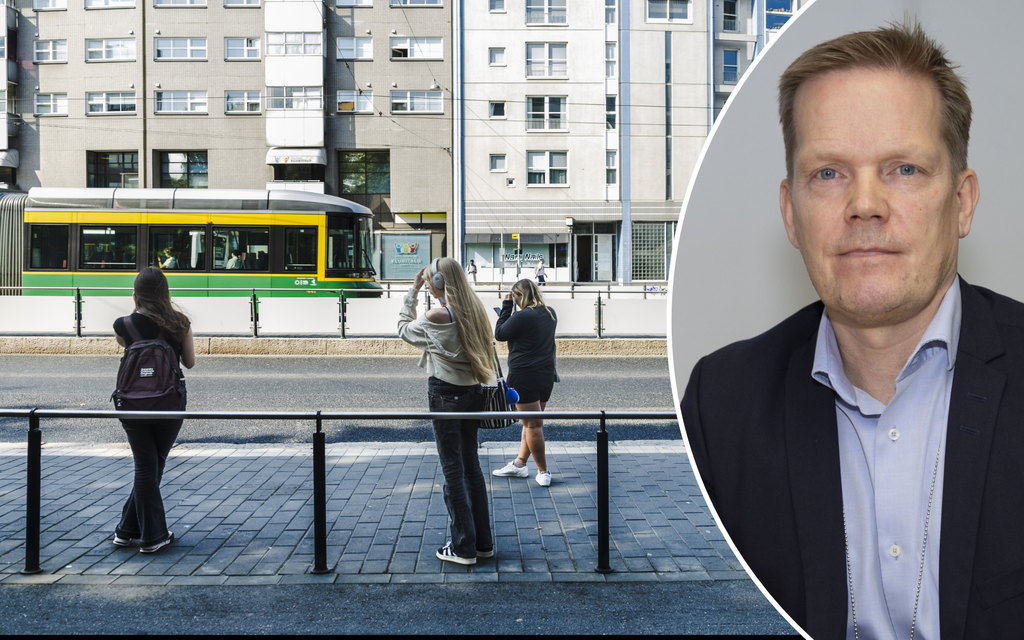
Helsingin huumetilanteesta synkkä uusi tieto
iltalehti · 2 months ago

Do you think all drugs should be decriminalised for personal use? A new report has called for the removal of criminal penalties for personal drug possession.
thejournal · 2 months ago

Ive lost friends during this: Emotional scenes as committee backs radical drug law change This is why I ran Senator Ruane said of the reports recommendations.
thejournal · 2 months ago
Nearly a quarter of young clubbers have tried cocaine According to an analysis by the Rockwool Foundation, nearly a quarter of 15-to-25-year-olds who frequent nightlife have tried cocaine. While 24 percent of nightlife survey respondents and 7 percent of population survey respondents in this age group have tried cocaine, the foundations corrected estimate is 9 percent overall, with 4 percent having used it within […]
cphpost · 2 months ago
Police warn of rise in synthetic drugs as cocaine seizures more than double Record cocaine seizures and the emergence of powerful new synthetic drugs have prompted concern among Cyprus police, who warned on Wednesday that criminal networks are rapidly adapting their methods and introducing increasingly dangerous substances to the local market. Unveiling anti-drug squad (Ykan) statistics for the first half of 2026, police said they had already seized […]
cyprus mail · 2 months ago

Dois detidos e droga apreendida junto a festival de música Registadas ainda 12 contraordenações ao código da estrada e 12 contraordenações por detenção/consumo de produto estupefaciente
observador · 2 months ago

S. João. Mais de 70 foram detidos por condução com álcool A ação da GNR foi desenvolvida em vários concelhos da AM Porto
observador · 2 months ago

Seksfeestjes met drugs: Het is vrijheid, het is van alles mogen voelen
trouw · 2 months ago
Weltdrogentag: Umfrage: Mehr junge Menschen nehmen Drogen Am 26. Juni ist Weltdrogentag. Eine Umfrage unter jungen Menschen bringt keine guten Nachrichten. Den Bundesdrogenbeauftragten besorgt vor allem der gestiegene Konsum von Kokain.
tagesspiegel · 2 months ago

Több száz ittas vagy bekábítószerezett sofőr bukott le a múlt heti kiemelt razzián Rengeteg sorfőrt nem érdekel a zéró tolerancia.
hvg.hu · 2 months ago
Høyreekstremisme er blitt en farligere sikkerhetstrussel og samfunnsutfordring Hva kan gjøres? Les kronikken fra Anders Ravik Jupskås og Jacob Aasland Ravndal.
aftenposten · 2 months ago
Det er ingen problemer med Fri Det bør være mulig å støtte Pride fullt ut, samtidig som man diskuterer om Fri bør være arrangør, skriver Kristin Clemet, leder i tankesmien Civita.
aftenposten · 2 months ago
Dipendenze, il 23 degli under 18 ha usato almeno una sostanza illegale nel 2025 La premier Meloni: «Occorrono un approccio a 360 gradi e risposte lungimiranti. Il governo ha costruito un nuovo metodo di lavoro, condiviso con tutti coloro che sono impegnati nel contrasto alle dipendenze»
il sole 24 ore · 2 months ago