
Dutch armed forces to expand unmanned weapons systems across all branches

The Dutch armed forces will significantly expand the use of unmanned weapons systems across all branches in the coming years, Defence Minister Kajsa Ollongren announced on Monday. The shift, outlined in the 2026 Defence White Paper presented at Gilze-Rijen airbase, marks a complete transformation of the armed forces, prioritising drones, artificial intelligence (AI), and cyber capabilities over traditional heavy armour such as tanks.
The plan, which does not increase the size of the military but reorients its structure, will see the Dutch armed forces rely on 200,000 personnel in wartime, supported by a network of unmanned systems. Ollongren stated that the evolving nature of warfare, particularly in light of Russia’s preparations for a prolonged confrontation, necessitates a new approach. “The way we fight wars has fundamentally changed,” she said. “Investments must now focus on drones, AI, and cyber to ensure our forces remain effective and adaptable.”
The expansion includes investments in counter-drone technologies, with the Dutch Ministry of Justice and Security granting prisons the authority to intercept and disrupt drones approaching high-security facilities . Meanwhile, the US Army is also accelerating its adoption of autonomous systems, seeking up to 100 drone boats to address vessel shortages in the Pacific .
European defence startups are emerging as key players in this transformation. Estonian firm Vegvisir, which develops command-and-control software for unmanned systems, announced a funding round led by Iron Wolf Capital to integrate allied drone networks into a unified battlefield platform . In Germany, Rheinmetall is collaborating with startups to secure multi-billion-euro contracts for space-based defence projects, including radar satellites and orbital security systems .
The shift reflects a broader trend across NATO members, with countries like Belgium developing secret national defence plans such as *Plan Shield* to protect against potential conflicts . Meanwhile, demand for counter-drone solutions is surging, with Israeli company Smart Shooter reporting increased orders from the US military for kinetic systems to neutralise small drones .
Analysts suggest the Dutch strategy could serve as a model for other European nations grappling with the dual challenges of rising security threats and the need to modernise ageing military infrastructures. The focus on unmanned systems, digitalisation, and AI underscores a recognition that future conflicts will be defined by speed, precision, and technological superiority.
Follow us for live European news
- 6
- 3
- 1
- 1
- 1
- 1
5 further sources not geolocated
Articles

Dutch military to expand drone warfare across all forces The Dutch armed forces will significantly expand the use of unmanned weapons systems in the coming years.
nltimes.nl · about 3 hours ago

EXCLUSIVE: POLITICO has seen a €580 million contract that lays the foundations of Germanys own combat cloud system. 🔗 www.politico.eu/article/hels...
bluesky_Politico Europe · about 3 hours ago
Israels Smart Shooter sees c-UAS demand grow across US military: Exec Smart Shooter VP Scott Thompson told Breaking Defense that the evolving threat of small drones has sparked high demand for kinetic solutions.
breaking defense · about 3 hours ago
Navy sees scores of applications for tech-focused Reserve unit, mirroring Army push The Navy is trying to entice senior engineers, software architects, and other technical leaders in the civilian world for the new unit.
breaking defense · about 3 hours ago
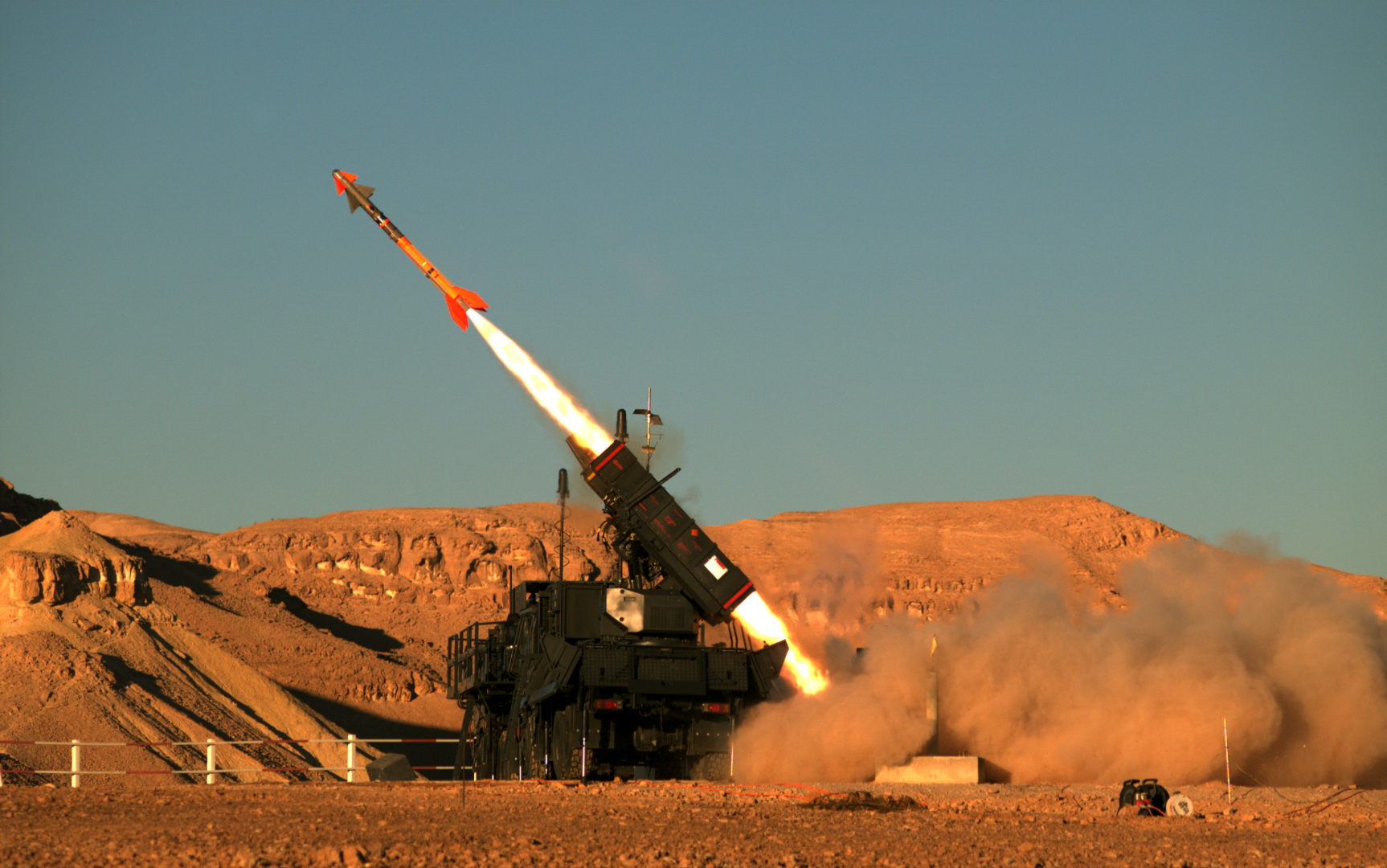
Israel sells Spyder air defense systems to Romania for $2.3 billion According to manufacturer Rafael, its the largest contract in its history.
defense news · about 3 hours ago

US Army wants up to 100 drone boats to fill watercraft gap in Pacific As the Army contends with a shortage of boats in the Pacific, its looking at autonomous watercraft to fill the gaps.
defense news · about 3 hours ago
Drones, specs and sensors - meet RFUs Q behind gadgets for Englands stars Duncan Locke arms England with the technology and innovation to perform at their best on the pitch.
bbc sport · about 3 hours ago
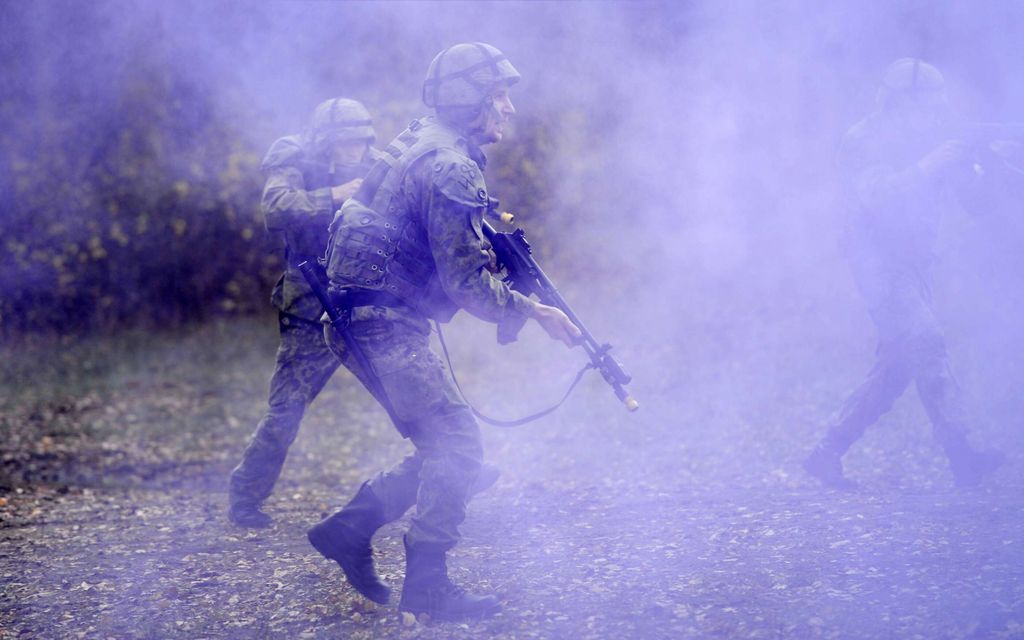
Suomessa on 600 000 reserviläistä, jotka eivät koskaan saa kutsua kertausharjoituksiin – Näin heille käy, jos sota syttyy
iltalehti · about 3 hours ago
Stranden in Sydney krijgen permanente dronebewaking na haaienaanvallen De Australische deelstaat New South Wales gaat stranden in en rond Sydney het hele jaar bewaken door haaien op te sporen met drones. Het land heeft dit jaar te maken met een grote hoeveelheid haaienaanvallen, waarbij al meerdere doden vielen.
nu.nl · about 3 hours ago
Extra beveiligde gevangenissen mogen straks zelf naderende drones neerhalen De Dienst Justitiële Inrichtingen mag binnenkort zelf drones neerhalen en verstoren die dicht bij extra beveiligde gevangenissen komen. Staatssecretaris Claudia van Bruggen van Justitie en Veiligheid wil dat de gevangenisorganisatie de bevoegdheid vanaf woensdag krijgt.
nu.nl · about 3 hours ago
De Nederlandse krijgsmacht wordt niet groter, wel anders: Defensie zet vol in op drones
parool · about 3 hours ago
Intelligence artificielle : la Corée du Sud annonce un nouveau plan dinvestissements de 1 000 milliards deuros Etalée sur dix ans, la collaboration public-privé annoncée par Séoul ce lundi doit permettre au pays de consolider sa place sur le marché des semi-conducteurs et pourrait rouvrir le débat sur la redistribution des profits liés à lIA.
liberation · about 3 hours ago
Raumfahrt: Die Sicherheit Deutschlands wird im Erdorbit verteidigt Der Rüstungskonzern Rheinmetall arbeitet auch mit Start-ups zusammen, um Milliardenaufträge der Bundeswehr für Space-Projekte zu bekommen. Dabei geht es nicht nur um Radarsatelliten.
sueddeutsche · about 3 hours ago
Bundeswehr: Verweigern oder verteidigen? Frühere „Zivis widerrufen ihre Kriegsdienstverweigerung – wegen der neuen Risiken für Deutschlands Sicherheit. Zugleich steigt die Zahl neuer Verweigerungen auf den Höchststand seit 2011.
sueddeutsche · about 3 hours ago
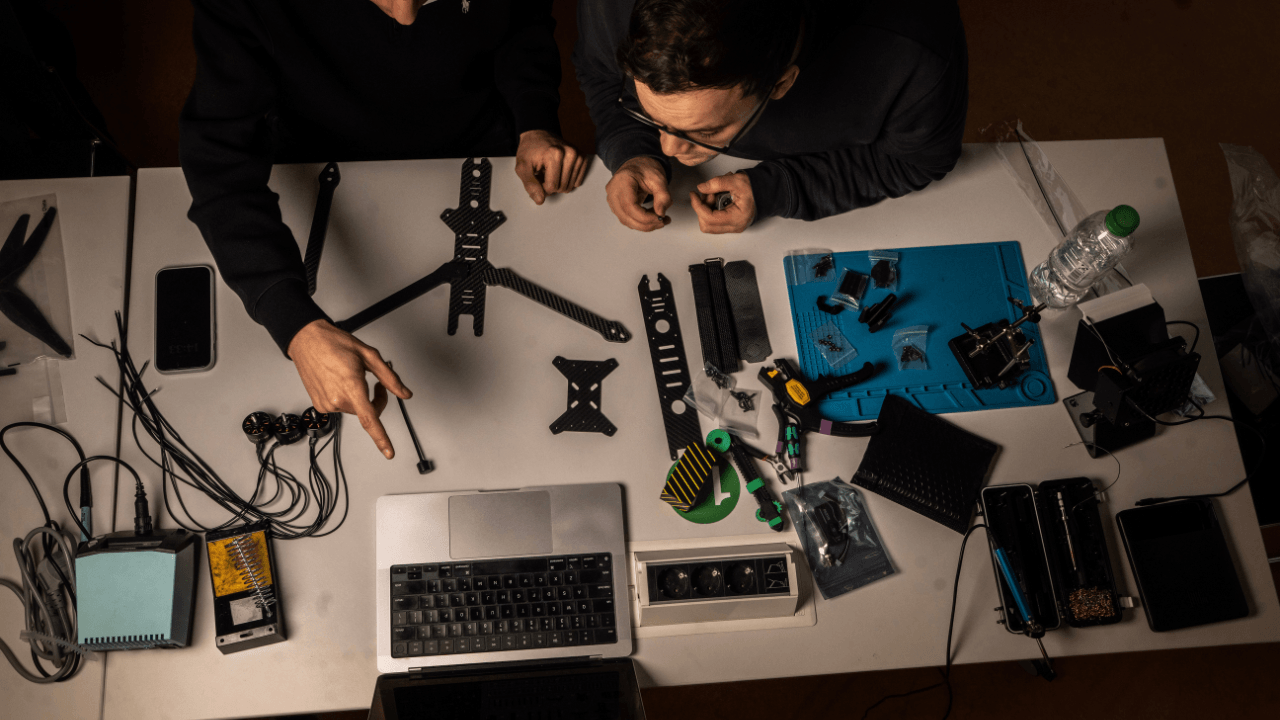
The hackathon that became Europes defence startup ecosystem Here in Europe, a new generation of defence startups is emerging far outside the traditional military-industrial complex. Across weekend hackathons, engineers, software developers, drone builders, res...
tech.eu · about 3 hours ago

Plan Shield: nieuw (geheim) nationaal verdedigingsplan moet België tegen oorlog beschermen
de morgen · about 3 hours ago

Vertrag von Enschede: Jetzt dürfen deutsche Spezialkräfte Kriminelle bis in die Niederlande verfolgen Berlin und Den Haag wollen Spezialeinheiten über die Grenze hinweg einsetzen. Es geht um die Verfolgung von Terroristen und organisierter Kriminalität.
faz · about 3 hours ago
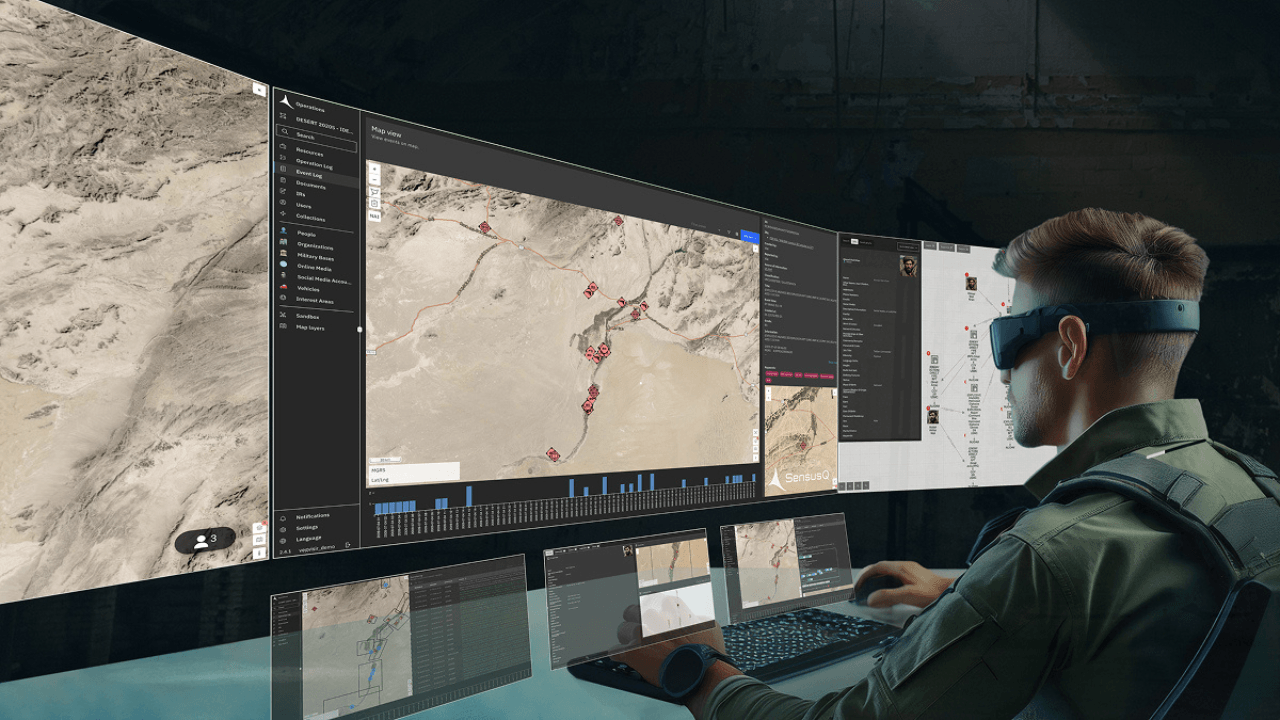
Vegvisir raises funding to connect allied unmanned systems through a unified command platform Vegvisir, an Estonian defence technology company building the command-and-control software layer for the multi-domain battlefield, today announced a venture investment from Iron Wolf Capital (IWC). V...
tech.eu · about 3 hours ago
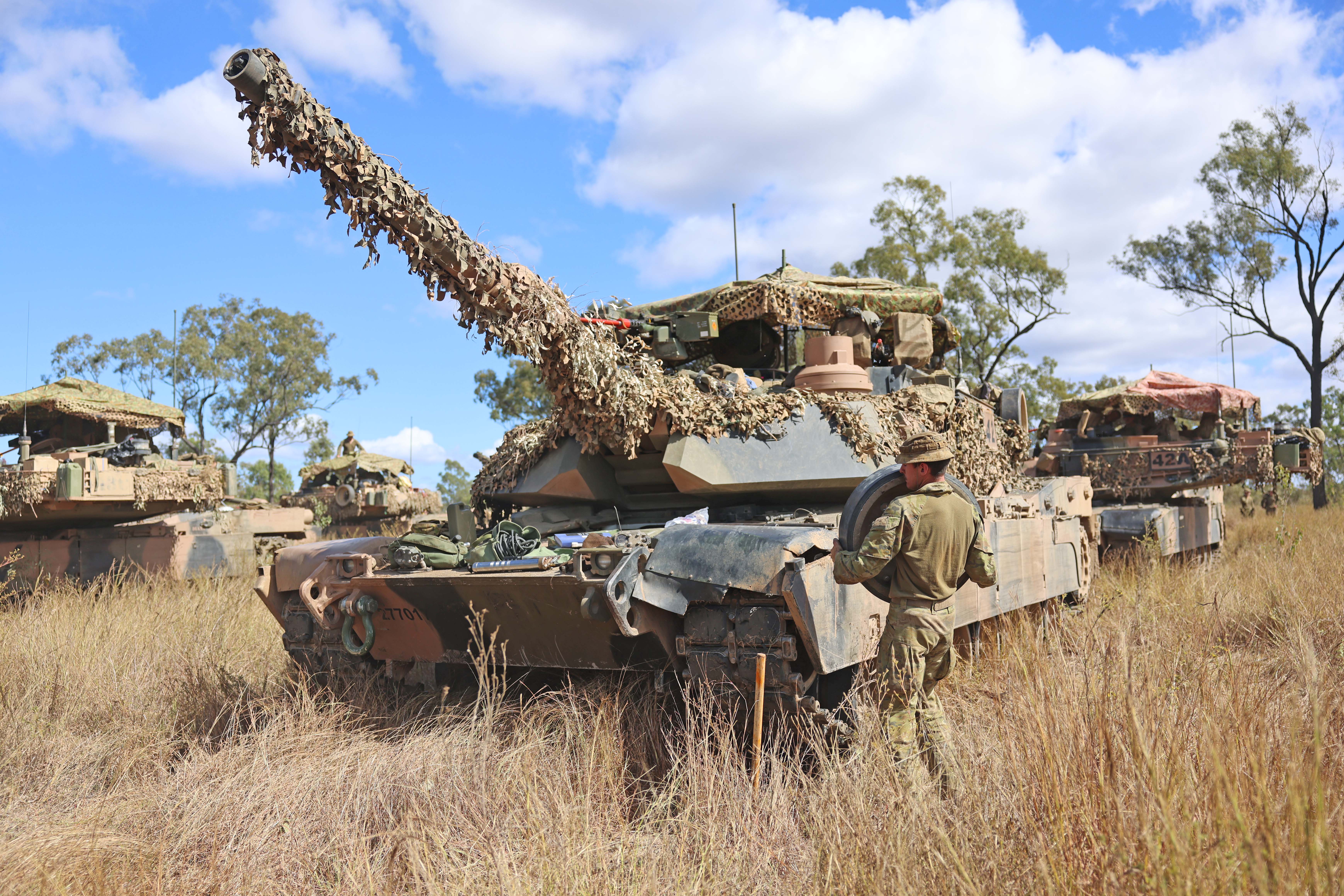
As one Australian Army brigade bulks up with armor, its fuel and ammo needs spike The formation is expected to burn through 300,000 liters of diesel per day during high-intensity operations, compared with 40,000 liters previously.
defense news · about 3 hours ago
Defensie investeert in drones nu Rusland zich voorbereidt op lange confrontatie De manier van oorlog voeren is definitief veranderd. Daarom ligt de nadruk bij nieuwe investeringen in defensie op drones, kunstmatige intelligentie (AI) en cyber. Een andere manier van denken en doen door Defensie is daarom noodzakelijk.
nu.nl · about 3 hours ago
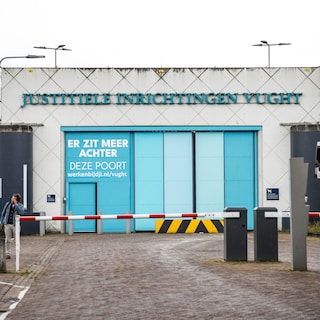
Gevangenissen mogen vanaf woensdag zelf drones neerhalen: Criminelen zoeken voortdurend naar nieuwe manieren
parool · about 3 hours ago
Defensie gaat investeren in drones en andere onbemenste wapensystemen
trouw · about 3 hours ago
Für Technologie und Verteidigung: Airbus erhält Rekordkredit von drei Milliarden Euro Die Europäische Investitionsbank soll dabei helfen, Spitzentechnologie in der EU zu finanzieren. Nun gewährt sie dem Flugzeugbauer so viel Geld wie nie einem Unternehmen zuvor.
tagesspiegel · about 3 hours ago
Complete transformatie van de krijgsmacht: drones verdringen de tanks en de machines de mens In de Defensienota 2026, gepresenteerd op vliegbasis Gilze-Rijen, ligt de nadruk op drones en andere onbemenste systemen. Verder investeert Defensie grootschalig in digitalisering, IT en AI. En de krijgsmacht moet in oorlogstijd kunnen beschikken over 200.000 mensen.
nrc · about 3 hours ago

Vroeger bestonden ook in de oorlog elementaire menselijke grenzen. Hoe anders is dat nu
de volkskrant · about 3 hours ago

Local Officials Vow To Shield the Public from Virginias Authoritarian New Gun Laws
news.yahoo.com · about 3 hours ago