 Monday, May 18Monday, May 18
The U.S. and Iran remain in a fragile ceasefire as Washington awaits Tehran’s response to its latest ceasefire proposal. The U.S. insists the truce is still holding despite recent hostilities, including exchanges of fire in the Strait of Hormuz and U.S. strikes on Iranian oil tankers near the strategic waterway. These attacks have raised doubts about the ceasefire’s stability, with Iranian officials accusing the U.S. of violating the agreement and undermining diplomatic efforts .
The U.S. has not disclosed any formal response from Iran as of late Friday or Saturday, though President Trump has stated he expects a reply "soon" or within "the next few hours." The ongoing violence in the Strait of Hormuz, including skirmishes and tanker strikes, threatens to collapse the ceasefire, which was described as "tenuous" and "technical" by multiple sources .
Iran has blamed the U.S. for escalating tensions, accusing Washington of breaching the ceasefire through military actions, including the recent tanker strikes. Meanwhile, the U.S. continues to assert that it is awaiting Tehran’s response to its peace proposal, with Secretary of State Marco Rubio stating that diplomatic efforts remain active despite the flare-ups in fighting .
Israel is reportedly preparing to target Iran’s energy infrastructure, including the South Pars gas field and Bushehr nuclear power plant, if the ceasefire collapses. This preparation is part of close coordination between the U.S. and Israel, which has previously conducted strikes on Iranian facilities . The U.S. Navy has also increased its presence in the Strait of Hormuz, aiming to reduce Iran’s floating storage capacity and assert control over the region .
> Background: **U.S. and Iran Clash in Strait of Hormuz Amid Ceasefire Tensions** — *1 days ago*
More LFE coverage on this topic

#Israel #Iran #USA President Trump is escalating military pressure on Iran to force a reaction, aiming to reduce Irans floating storage capacity and assert U.S. Navy presence in the Strait of Hormuz. Israel is reportedly preparing to strike Irans energy facilities if the current ceasefire collapses, with close coordination between the US and Israel. Previous attacks by Israel have targeted Irans energy infrastructure, including the South Pars gas field and the Bushehr nuclear power plant. Subscribe to @OSINTdefender Chat room
telegram bot · 8 days ago
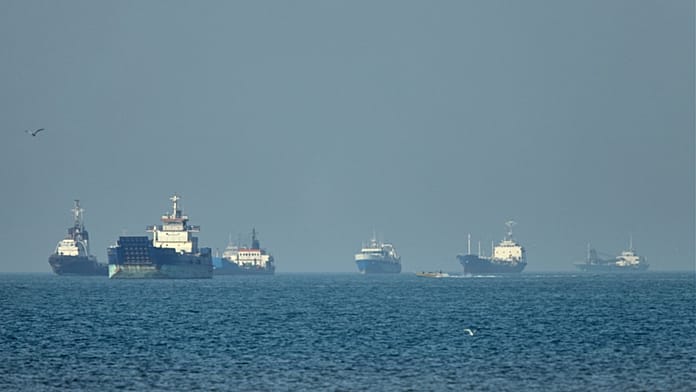
US says the fragile truce with Iran holds as it awaits response to its latest ceasefire proposal Washington insists its month-long ceasefire with Iran is continuing to hold despite renewed hostilities and the recent exchanges of fire. The US says it is awaiting Irans response to its latest ceasefire proposal to end the war.
euronews · 9 days ago
Tensions Remain High As Washington Awaits Irans Peace Proposal Response Iran blamed the United States for a recent escalation of skirmishes in the Persian Gulf as Washington awaits a response from Tehran over the latest proposal to end their war.
radio free europe · 9 days ago
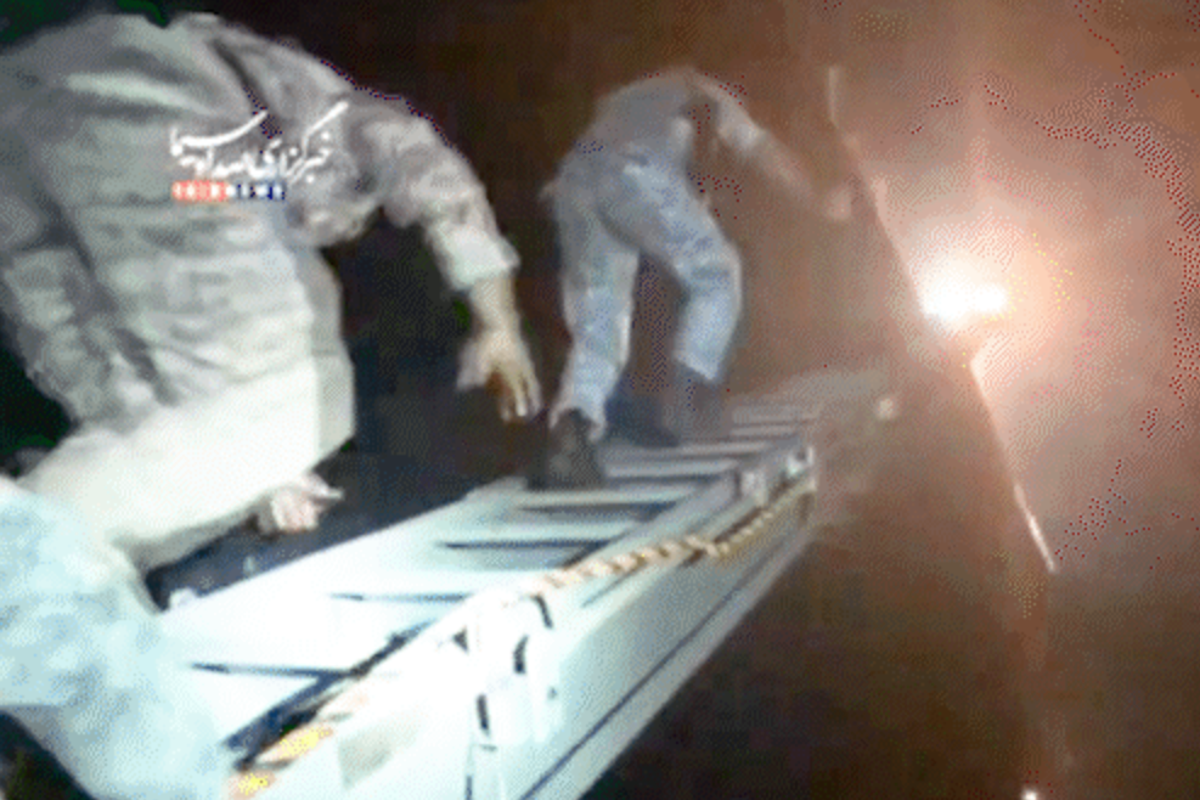
Iran-US war latest: UK sends destroyer back to Middle East while Trumps awaits Tehrans response to peace plan US officials did not disclose any Iranian response to their offers as of late Friday, while ongoing hostilities inside the Strait of Hormuz threatened to upend the shaky ceasefire
independent · 9 days ago
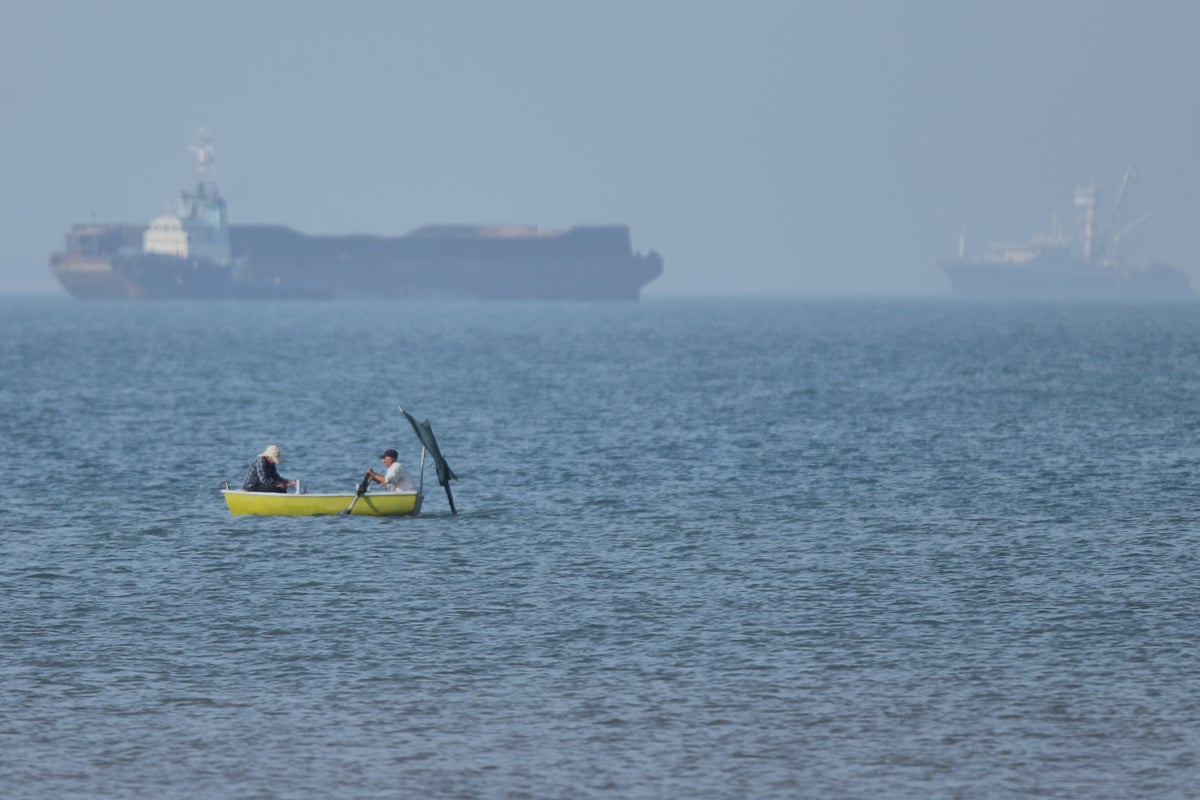
A fragile ceasefire holds as US awaits Iran response, Bahrain detains dozens A tenuous ceasefire appeared to be holding Saturday after the United States struck two Iranian oil tankers, while the country that hosts the U.S. Navys regional headquarters said it arrested dozen of people it alleged were linked to Irans Revolutionary Guard
independent · 9 days ago
US strikes Iranian oil tankers while awaiting Tehran response on peace plan The attacks on the ships near the Strait of Hormuz cast more doubt on a tenuous ceasefire that the Trump administration insists is still holding.
politico.eu · 9 days ago
Trump Says He Expects Iranian Response To Peace Proposal Soon As the US-Israeli war with Iran continues to impact and shape the region, journalists from RFE/RLs Central Newsroom and Iranian service, Radio Farda, deliver ongoing updates and analysis.
radio free europe · 9 days ago
US awaits Irans response to latest proposal amid technical ceasefire The US and Iran appeared no closer on Saturday to finding an end to their war after the two sides traded fire in the Gulf amid a tenuous ceasefire.
france24 · 9 days ago

US awaiting response from Iran over proposals for ceasefire deal, says Rubio Diplomatic efforts continue despite fighting in and around contested strait of Hormuz in recent daysMiddle East crisis – live updatesThe US secretary of state, Marco Rubio, has said that Washington is expecting a response from Iran to its proposals for an interim deal to end the conflict in the Middle East, as Iran accused the US of breaching the increasingly fragile ceasefire announced last month.In recent days there have been the biggest flare-ups in fighting in and around the contested strait of Hormuz since the informal truce began. The rise in violence followed Donald Trumps announcement – then rapid pause – of a new naval mission aimed at opening the strategic waterway. Continue reading...
theguardian · 9 days ago
Iran-US war latest: Trumps awaits Tehrans response to peace plan as Rubio criticises Nato allies US officials did not disclose any Iranian response to their offers as of late Friday, while ongoing hostilities inside the Strait of Hormuz threatened to upend the shaky ceasefire
independent · 9 days ago
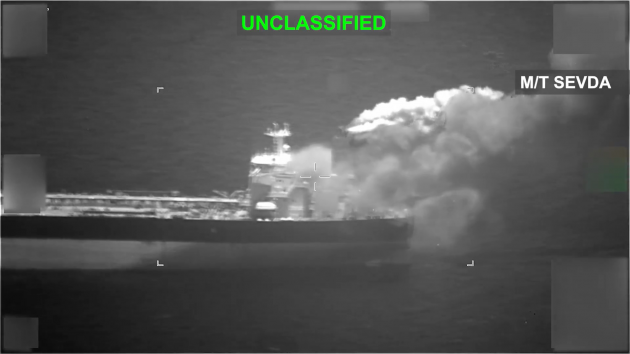
US fires on two Iranian tankers as Trump awaits Tehrans response to truce proposal Iranian officials accused the US of violating the ceasefire with the tanker strikes and hampering diplomatic efforts to end the conflict.
thejournal · 9 days ago