
Biontech fights for survival as layoffs loom and Bayer nears glyphosate deal

Biontech, once hailed as Germany’s biotech champion, is now fighting for survival as mass layoffs loom and investor confidence wanes. On Friday, the Mainz-based company confirmed internal sources that hundreds of jobs are at risk, with executives and investors engaged in urgent restructuring talks to salvage the firm after years of declining revenues and failed diversification.
The crisis at Biontech, which rose to prominence during the COVID-19 pandemic with its mRNA vaccine developed alongside Pfizer, reflects broader challenges in Europe’s biotech sector. Once valued at over €40 billion, the company’s market capitalisation has plummeted, and its pipeline of new drugs has underperformed. Employees, speaking anonymously to *Handelsblatt*, describe a company in disarray, with morale at an all-time low as management explores cost-cutting measures and potential asset sales.
Meanwhile, Bayer is on the verge of resolving its long-running glyphosate litigation nightmare. After the 2018 acquisition of Monsanto saddled the German conglomerate with tens of thousands of lawsuits and billions in damages, Bayer has now reached a tentative agreement with plaintiffs’ lawyers to settle the majority of remaining claims. The deal, expected to close within weeks, would cap Bayer’s legal exposure at around $10 billion—a fraction of the $16 billion it had previously set aside—marking a rare victory for the embattled group.
In a contrasting move, German industrial giant Renk has expanded its defence footprint by acquiring UK-based David Brown Defence for $200 million, securing a key supplier of armoured vehicle transmissions. The deal underscores Europe’s accelerating rearmament efforts amid geopolitical tensions, with Renk positioning itself as a critical link in NATO’s supply chains.
Switzerland’s corporate resilience was further highlighted as four of its firms—Roche, Novartis, Nestlé, and ABB—ranked among the world’s top 100 most valuable companies in the first half of 2026. Their combined market capitalisation surged by 18% in six months, reaching $61.9 trillion, with US tech giants still dominating the rankings. The data, released by EY, signals Europe’s gradual recovery in global market share, though its presence remains half what it was two decades ago.
Elsewhere, Continental’s automotive components unit Contitech is reportedly on the block, with private equity firm LoneStar in advanced talks to acquire the division for over €1 billion. The sale, if completed, would mark another major exit by a German industrial group from non-core assets.
As Europe’s corporate landscape shifts, the contrast between struggling legacy firms and resilient multinationals underscores the continent’s uneven economic recovery. For Biontech, the coming months will determine whether it can regain its footing—or fade into the annals of once-great German innovators.
Follow us for live European news
- 2
- 2
- 2
- 2
- 1
- 1
- 1
- 1
- 1
- 1
2 further sources not geolocated
Articles

Dacia, în fața invaziei chinezilor. ANUNȚ al noului CEO Katrin Adt este CEO al mărcii Dacia începând din ultimul trimestru al anului trecut, când a preluat din mers bunul mers al companiei, după demisia lui Denis le Vot. Are o carieră petrecută aproape integral la Mercedes-Benz, cu o perioadă importantă în care a condus brandul Smart, chiar în perioada în care era preluat de …
hotnews.ro · about 3 hours ago

La fin dune longue idylle entre Pieter Bourgeois et Marc Coucke, et une nouvelle aventure Lancien CEO dAlychlo, Pieter Bourgeois, rejoindra le groupe dinvestissement Koramic dès septembre. Sa fin de fonction en tant que CEO a eu lieu il y a trois mois. ...
la libre · about 3 hours ago
Biontech: Ist das einstige deutsche Wirtschafts-Wunderkind zu retten? Biontech galt als Shootingstar. Jetzt bangen viele Mitarbeiter um ihren Job. Gespräche mit Unternehmensvertretern und Investoren zeigen, wie tief der Wandel reicht. Eine Inside-Recherche.
handelsblatt · about 3 hours ago

Pálinkás Szilveszter a BioTechUSA-hoz is leigazolt A volt katona lett a táplálékkiegészítős cég új márkanagykövete azok után, hogy nemrég egy sportárucéghez is leszerződött.
hvg.hu · about 3 hours ago
18 milliárd forintnyi MNB-pénz van benne, de a 140 milliárdos új kölcsönéről hallgat Szíjj László cége A Duna Aszfalt szerint zárt ügylet, ezért nem tartozik a nyilvánosságra, mire kellett az új kötvényforrás. Csakhogy a Szijjártó Pétert jachtoztató Szíjj László cége korábban az MNB programján keresztül is jutott finanszírozáshoz, így nem mindegy, hogyan változik a cég adósságpályája.
hvg.hu · about 3 hours ago
:format(jpg)/f.elconfidencial.com%2Foriginal%2F7ba%2F72f%2F48a%2F7ba72f48a5dfcc49ee50d5fb866a9965.jpg)
El vicepresidente de la SEPI admite reuniones con Globalia y el Ministerio de Economía que aceleraron el rescate de Air Europa Las reuniones, en las que también participó el exCEO de la compañía, Javier Hidalgo, se celebraron antes de la apertura del expediente para la concesión de la ayuda por 475 millones
el confidencial · about 3 hours ago
Nach jahrelangem Chaos: Wie Bayer sein Glyphosat-Problem loswerden will [premium] Die Monsanto-Übernahme im Jahr 2018 hat Bayer Milliardenklagen beschert. Nun sieht es so aus, als könnte der Konzern halbwegs heil aus der Angelegenheit herauskommen.
die presse · about 3 hours ago
Four Swiss firms among top 100 companies The combined market capitalisation of the worlds 100 most valuable listed companies rose significantly in the first half of 2026. Switzerland is represented four times in the ranking, by Roche, Novartis, Nestlé and, for the first time, ABB. The combined market capitalisation of the 100 most valuable companies rose by 18 compared with the end of 2025, reaching a total of $61.9 trillion (CHF50 trillion). This is a record, consultancy firm EY announced on Friday. This means the combined market capitalisation of the top 100 is almost half higher than it was at the end of 2024. Fifty-six of the worlds 100 most valuable companies are headquartered in the US. China, in second place, currently accounts for 12 companies, while Japan and the UK each account for five. The number of European companies in the top 100 now stands at 16. Twenty years ago, there were 46. US tech companies dominate the global stock markets. They account for eight of the ten highest-valued companies worldwide – ...
swissinfo · about 3 hours ago
Critical Metals Corp. Provides Update on Proposed Acquisition of European Lithium
gdeltproject.org · about 3 hours ago
German tank supplier buys UK company that helped make Spitfires Bavaria-based Renk acquires David Brown Defence in deal worth $200mn
financial times · about 3 hours ago
Ο billionnaire που παρακάμπτει τους κληρονόμους και επιλέγει ίδρυμα-μυστήριο Η περιουσία του Ανρί Μποφόρ και το 26 της Ipsen μεταφέρονται σε ίδρυμα και trust, αναδιαμορφώνοντας τις ισορροπίες ελέγχου σε έναν από τους σημαντικότερους φαρμακευτικούς ομίλους της Ευρώπης
protothema · about 3 hours ago
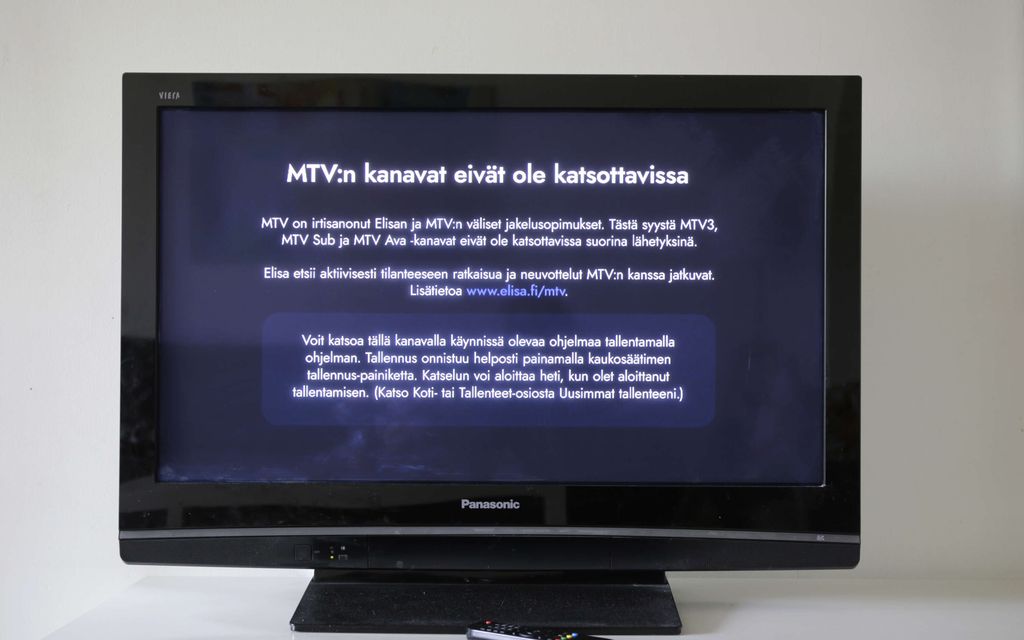
MTV halusi Elisalta rahaa: Nyt riitaan tuli sopu – Näin yhtiöt kommentoivat
iltalehti · about 3 hours ago
Olaf Scale: Deutscher Familienunternehmer empfiehlt China als „Bootcamp für Innovationen Der Chinachef des Familienunternehmens Rosenberger warnt deutsche Konzerne davor, das kreative Potenzial der Volksrepublik nicht zu nutzen. Dann würden sie erst recht aus dem Markt gedrängt.
handelsblatt · about 3 hours ago
Management: „Ein Unternehmen ist kein Verein, dem man beitritt, weil man überzeugter Aktivist ist Die Organisationssoziologin Judith Muster forscht dazu, warum Prozesse und Projekte in Unternehmen scheitern. Im Interview erklärt sie, weshalb daran selten bloß die Führungskräfte schuld sind.
handelsblatt · about 3 hours ago
BYD, MG, Chery: Marktanteil nahezu verdoppelt: Wie Chinas Autobauer Großbritannien erobern Im Vereinigten Königreich expandieren chinesische Hersteller rasant. Insbesondere im elektrifizierten Segment bauen die Anbieter aus dem Reich der Mitte ihre Anteile aus.
handelsblatt · about 3 hours ago
Peter Wackel: Wie verdient man Millionen mit Après-Ski, Karneval und Ballermann? Steffen Haas alias Peter Wackel ist seit 30 Jahren Partysänger. Doch sein Kerngeschäft ist längst nicht mehr die Malle-Musik. Einblicke in das Multimillionen-Business eines Alleinunterhalters.
handelsblatt · about 3 hours ago
Heiner Thorborg: „80 Prozent der oberen Etagen bestehen aus Narzissten Er ist einer der bekanntesten deutschen Headhunter, besetzt Spitzenposten in Dax-Konzernen. Jetzt spricht er darüber, wie falsche Chefs Unternehmen gefährden – und welche Machtregeln zählen.
handelsblatt · about 3 hours ago
Geld: Zu viel Reichtum, zu wenig Unternehmertum Elon Musk, erster Billionär der Welt, geht mit seinen unternehmerischen Investitionen große Risiken ein. In Deutschland sind dagegen große Vermögen über Generationen festgemauert.
handelsblatt · about 3 hours ago
Zulieferer: Continental-Tochter Contitech offenbar vor Übernahme durch Finanzinvestor Lonestar Die Tochterfirma des Autozulieferers geht einem Bericht zufolge für eine Milliardensumme an den Investor. Der Kaufpreis fällt dabei höher aus als bisher gedacht.
handelsblatt · about 3 hours ago
Még idén bezár az összes Hervis az országban Felvásárolták az üzleteket, az új brit tulajdonos alatt Sports Direct néven nyílnak újra.
hvg.hu · about 3 hours ago
Popmusiikki | Warner osti Mökkitien hitit Mökkitien musiikkikatalogi siirtyy Warnerille, jonka vanhat Dingo- ja Mamba-hitit soivat taas listoilla. Samalla Mökkitien luova tiimi palkataan Warnerille.
helsingin sanomat · about 3 hours ago

Erfahrungen mit dem Bauherrenmodell als Investment-Möglichkeit? Mein Forum: Diskutieren Sie dieses Thema mit der STANDARD-Community
der standard · about 3 hours ago
Batavus und Winora: Der Abstieg des Fahrradriesen Accell Europas einstiger Branchenprimus führt Marken wie Batavus und Winora. Nach dem Niedergang unter KKR soll er abermals verkauft werden. Der wahrscheinliche Käufer aus Singapur hält mehrere deutsche Fahrradmarken.
faz · about 3 hours ago
ECM Partners expands Ygia Group with strategic acquisition ECM Partners continues to expand Ygia Group, further strengthening Cyprus largest privately owned healthcare organisation through another strategic acquisition. The firm has recently completed the acquisition of Cyprus largest provider of ophthalmology services, which will join the Group as Ygia Vision. The latest addition represents the continued execution of ECMs long-term investment strategy, bringing together […]
cyprus mail · about 3 hours ago
Η απατηλή λάμψη των Μίλερ: Από το πολυτελές λαϊφστάιλ και ένα ειδύλλιο σαν παραμύθι, στα χρέη και την αυτοκτονία Ο μεγιστάνας των κτηματομεσιτικών, Brandon Miller, αυτοκτόνησε μετά από σοβαρά οικονομικά προβλήματα, αφήνοντας στην influencer σύζυγό του, Candice, τεράστια χρέη
protothema · about 3 hours ago
Το ελληνικό γιαούρτι γίνεται ο νέος μοχλός ανάπτυξης της FrieslandCampina Hellas Οι πωλήσεις ελληνικού γιαουρτιού προς εταιρείες του ομίλου σε Ολλανδία και Ουγγαρία εκτινάχθηκαν μέσα σε έναν χρόνο, δίνοντας στην ελληνική θυγατρική έναν νέο ρόλο μέσα στη FrieslandCampina
protothema · about 3 hours ago
Δανάη Μπεζαντάκου: Η πρώτη γυναίκα πρόεδρος στην 91χρονη ιστορία του Propeller Club Πειραιά Νέα διοίκηση με συνδυασμό εμπειρίας και ανανέωσης για την τριετία 2026-2029 – Πρώτη σε ψήφους η Δανάη Μπεζαντάκου
protothema · about 3 hours ago

Olivier Nora, viré de chez Grasset par Vincent Bolloré, en route chez la concurrence ? Des discussions seraient en cours avec Editis, où léditeur pourrait débarquer avec plusieurs de ses proches collaborateurs. Rappelons quEditis était détenu auparavant par Vincent Bolloré. ...
la libre · about 3 hours ago
La francesa ABGi compra la consultora española Incotec La consultora francesa ABGi da el salto al mercado español con la adquisición de la consultora Incotec. Leer
expansion · about 3 hours ago
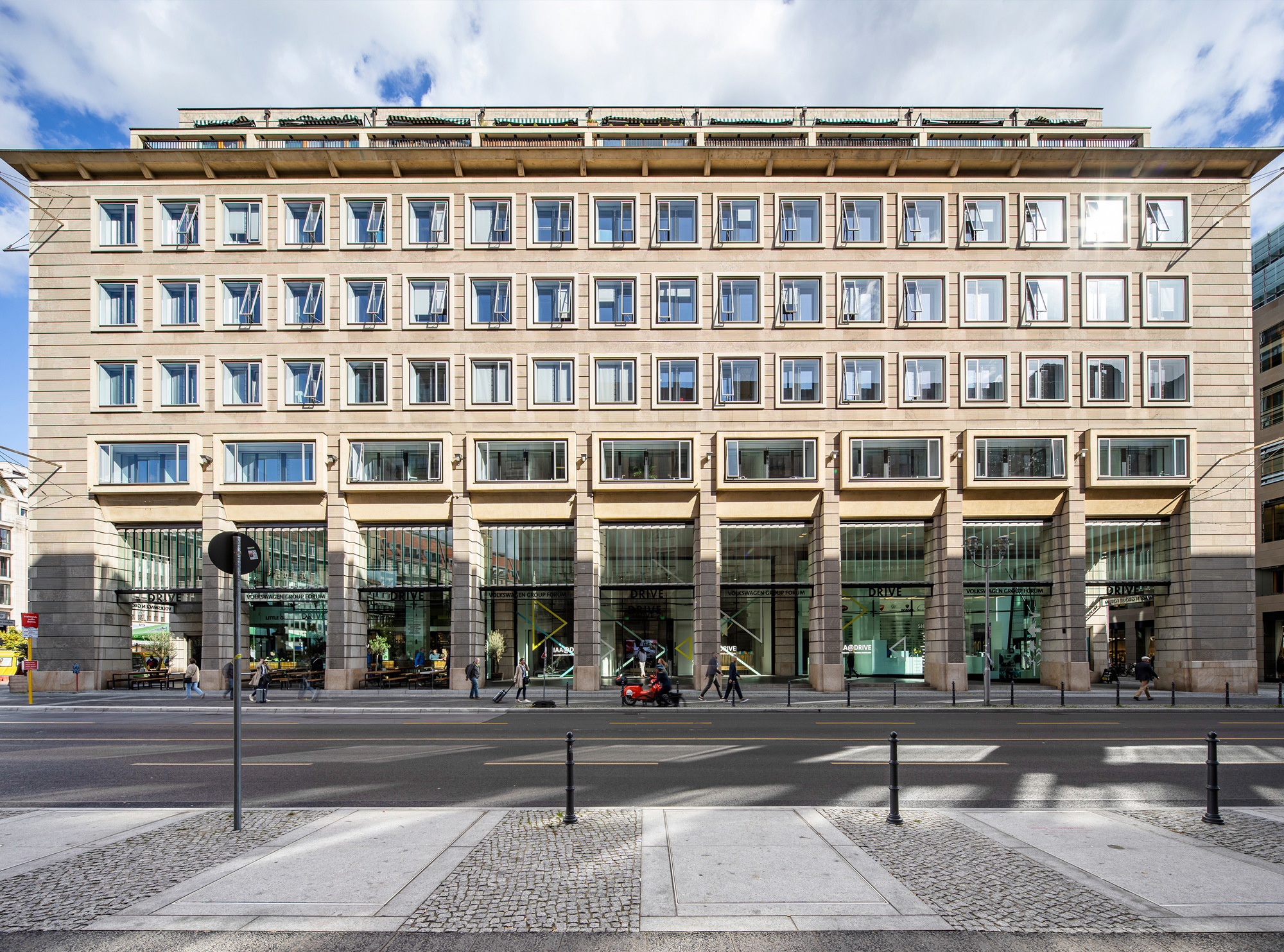
Colonial SFL se alía con Generali y entra en Alemania con la compra de dos edificios La Socimi invierte unos 150 millones en la adquisición del 51 de la sociedad dueña de dos activos prime en el centro de negocios de Berlín. Leer
expansion · about 3 hours ago