 Thursday, June 18Thursday, June 18
Vattenfall and Dutch start-up Project Enki have launched a joint feasibility study to develop offshore data centres powered directly by wind farms, marking a bold step toward sustainable digital infrastructure. The initiative, announced on 18 June 2026, aims to harness excess energy from offshore wind installations to run high-performance computing facilities in the North Sea, reducing both carbon emissions and grid dependency.
Project Enki, an Amsterdam-based start-up, will collaborate with Vattenfall, the Swedish energy giant, to assess technical and economic viability. The proposed data centres would be co-located with existing or planned wind farms, leveraging surplus electricity that is otherwise curtailed due to transmission constraints. According to the joint statement, the pilot could begin as early as 2027 if regulatory and engineering hurdles are cleared.
The move reflects a growing trend in Europe to integrate energy-intensive industries with renewable power sources. Offshore wind farms in the North Sea already produce more than 160 TWh annually, yet curtailment rates remain high due to grid bottlenecks. By siting data centres adjacent to turbines, operators could utilise stranded energy, improve grid stability, and lower operational costs for cloud providers.
Industry analysts see this as a strategic pivot for Vattenfall, which has long positioned itself as a leader in offshore wind. “This is not just about data centres—it’s about reimagining how energy systems and digital infrastructure can coexist,” said a company spokesperson. Project Enki, founded in 2024, has raised €12 million to date and specialises in modular, water-cooled data pods designed for harsh marine environments.
The initiative arrives amid heightened scrutiny of data centre energy use, which now accounts for about 1–1.5% of global electricity demand. The European Commission is finalising stricter sustainability rules for data centres, set to take effect in 2027. Offshore solutions could help operators meet these requirements while tapping into Europe’s expanding wind capacity, which is projected to reach 300 GW by 2030.
While challenges remain—including marine permitting, cable infrastructure, and cybersecurity risks in exposed locations—the partners insist the concept is technically feasible. A small-scale prototype is expected to be tested off the Dutch coast by late 2026, with commercial deployment targeted for 2028. If successful, the model could be replicated across the North Sea, where over 20 GW of new offshore wind capacity is slated for installation by 2030 .
1 further source not geolocated

Space startups seek insurance for orbital AI data centers reut.rs/4xUmUx9
bluesky bot · about 2 hours ago

Η πρόταση της πλουσιότερης γυναίκας της Αυστραλίας για να δελεάσει τον Ελον Μασκ Η billionaire της Αυστραλίας προτείνει δωρεάν παραχώρηση νησιών στον Έλον Μασκ για επενδύσεις της SpaceX στην Αυστραλία, ενώ εισηγείται κίνητρα για ισραηλινές αμυντικές εταιρείες και ταϊβανέζικες βιομηχανίες ημιαγωγών στη βόρεια Κουίνσλαντ
protothema · about 2 hours ago
Θεοδωρικάκος: Επενδύουμε σε έρευνα και καινοτομία, ενίσχυση 286 εκατ. ευρώ στο Ελληνικό Ίδρυμα Έρευνας και Καινοτομίας
protothema · about 2 hours ago
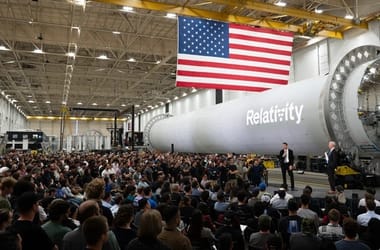
Bemondta a NASA, melyik cég viheti a műholdját a Marsra Erich Schmidt, a Google korábbi vezetője nemrég vásárolta fel a Relativity Space nevű céget, ami máris elnyerte az első komoly megbízását.
hvg.hu · about 2 hours ago
Cinci investitori se luptă pentru Liberty Galați. Licitația pentru cel mai mare combinat siderurgic din România pornește de la 444 milioane de euro Cinci companii din România, Ucraina, Grecia și India sunt înscrise la licitația programată vineri pentru preluarea combinatului siderurgic Liberty Galați.
adevarul · about 2 hours ago
Vattenfall and Dutch start-up explore offshore data centres powered by wind farm Vattenfall and Amsterdam start-up Project Enki are jointly studying the development of offshore data centres linked directly to wind farms.
nltimes.nl · about 2 hours ago
Is Tesla destined to be folded into SpaceX? Wall Street simmers with the idea of a merger of Elon Musks companies
financial times · about 2 hours ago
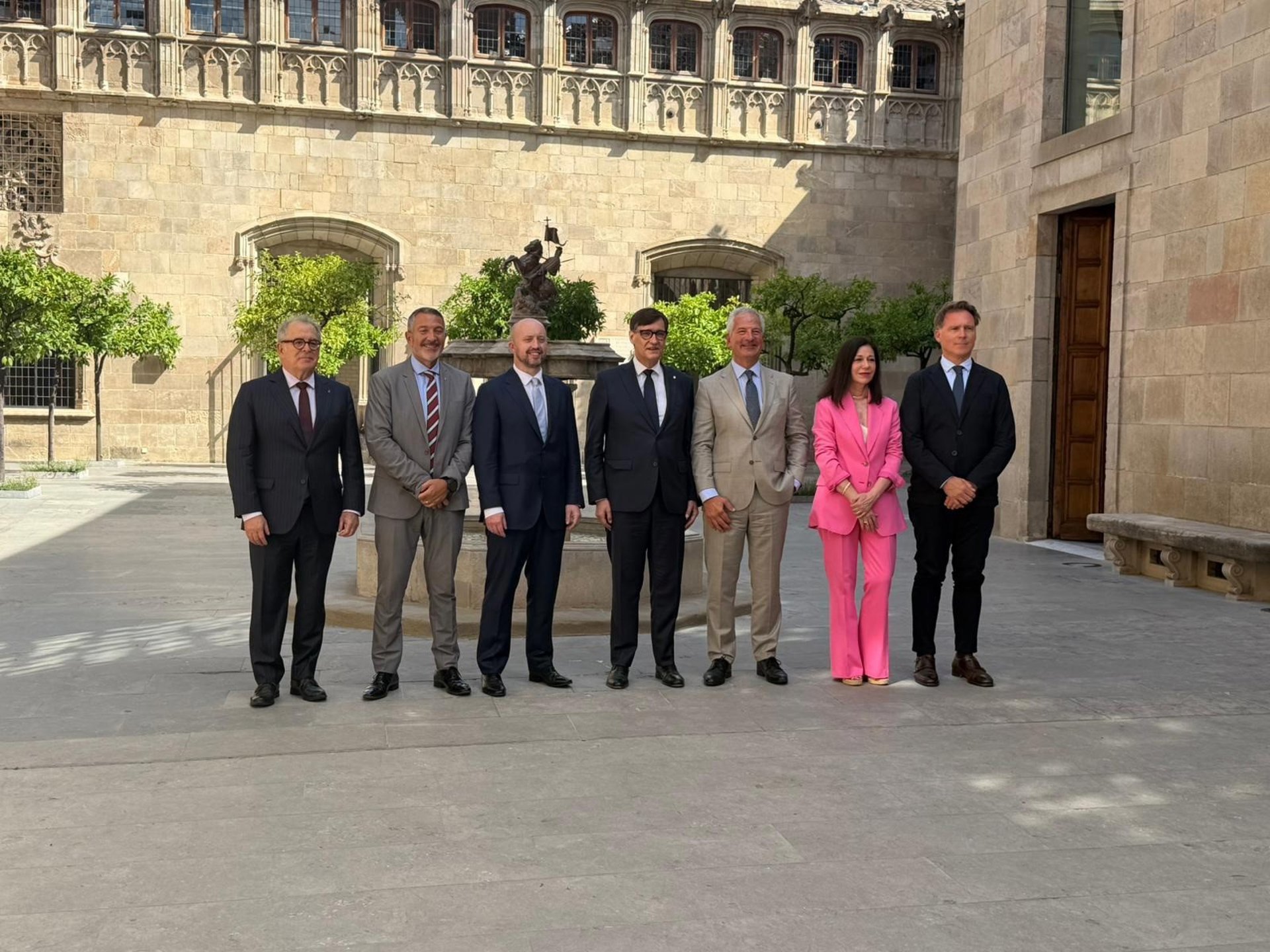
La británica OQC invertirá 92 millones en un nuevo centro de computación cuántica en Barcelona La empresa recibe el respaldo del Gobierno, a través de la sociedad público-privada Cofides, y prevé crear 210 puestos de trabajo en cinco años. Leer
expansion · about 2 hours ago

Architect Labs raises $24 million to take on Broadcom, Marvell custom chip business reut.rs/4eQ8xlJ
bluesky bot · about 2 hours ago
A legacy to help solve the space workforce pipeline In this episode of Space Minds, David Ariosto talks with Mike Kincaid, president and chief executive of the Challenger Center. They discuss the space workforce pipeline and the centers role […] The post A legacy to help solve the space workforce pipeline appeared first on SpaceNews.
spacenews · about 2 hours ago
Chinese startup Spark Space tests engine, raises funds for electric-pump rocket Chinese startup Spark Space has secured a series of funding rounds for what it claims will be the worlds largest electric-pump-fed rocket, following engine tests. The post Chinese startup Spark Space tests engine, raises funds for electric-pump rocket appeared first on SpaceNews.
spacenews · about 2 hours ago