 Tuesday, July 14Tuesday, July 14
18 days · 2 summary articles
German government submits Deutsche Bahns 16 billion Brenner rail project to Bundestag
Deutsche Bahn admits Stuttgart 21 Tiefbahnhof needs three more billion euros and five extra years
The German government is preparing to submit Deutsche Bahn’s planning documents for the €16 billion Brenner-Nordzulauf rail project to the Bundestag this week, as the state-owned operator unveils a €7.6 billion risk and inflation buffer for the Munich-to-Austrian-border route. The project, which will connect to the Brenner Base Tunnel currently under construction, has seen its estimated costs surge from €8 billion in 2021 to €8.57 billion for construction alone, with the total financial cushion now approaching the project’s headline figure of €16 billion .
The 200-kilometre Zuleitungsstrecke is designed to unlock the capacity of the 55-kilometre Brenner Base Tunnel, which is scheduled to open in 2032 after tunnel boring began in 2015. Without the new feeder line, the tunnel’s potential to cut travel time between Germany and Italy by two hours would remain unexploited. The project is part of the EU’s Scan-Med corridor from Scandinavia to Italy and is expected to receive EU co-financing, though the exact share has not been disclosed. The Federal Ministry of Transport, led by CDU’s Patrick Schnieder, confirmed that the ministry will forward DB’s planning files, an internal report, and an assessment from the Federal Railway Authority to parliament “as soon as possible” .
Deutsche Bahn’s project director stressed that the €7.6 billion buffer—comprising risk and inflation reserves—is not expected to be fully drawn. The company has priced in inflation of up to 10%, a figure higher than typical forecasts, to account for the project’s decade-long horizon. “Rail megaprojects consistently overrun budgets,” a DB spokesperson noted, “but we are confident the cushion will not be needed in full.” The ministry’s submission to the Bundestag marks the start of parliamentary scrutiny, where lawmakers will assess whether the project’s benefits justify the escalating costs.
The Brenner-Nordzulauf has become a test case for Germany’s ability to deliver large-scale infrastructure on time and on budget. Its completion is critical for shifting freight and passenger traffic from road to rail across the Alpine crossing, a key EU transport policy goal. Yet the project’s ballooning price tag risks overshadowing its strategic value. In parallel, Germany’s regional rail network faces pressure from new private operators cherry-picking lucrative long-distance routes, prompting Bavaria’s CSU-led transport minister Christian Bernreiter to warn that “cherry-picking is not an option” for the federal network .
Brandenburg’s SPD transport minister Robert Crumbach has gone further, calling for an independent state-owned infrastructure company to manage the rail network amid concerns that private operators like Italy’s Italo could sideline rural and regional services. “The federal government must ensure that the big picture is not lost,” Crumbach said, citing the Federal Network Agency’s recent decision to cap DB InfraGo’s capacity allocations on congested routes at 60–75% for single operators .
As the Bundestag prepares to review the Brenner-Nordzulauf, the debate over Germany’s rail future is widening: from the high-speed corridors of the Alps to the rural lines of Brandenburg, the challenge is to balance competition, capacity, and connectivity without leaving the hinterland behind.
Follow us for live European news

Wien bekommt eine Seepromenade und so wird sie aussehen [premium] Die Waterfront in der Seestadt nimmt Form an. Hier werden bis 2028 eine Gastromeile plus mehrere neue Hochhäuser entstehen.
die presse · 8 days ago
Μητσοτάκης: Έφτασε στη Θεσσαλονίκη το πρώτο νέο τρένο, στόχος ένας σιδηρόδρομος που θα εμπιστεύονται οι πολίτες Οι νέοι υβριδικοί συρμοί της Hellenic Train αποτελούν μέρος της συμφωνίας Ελλάδας – Ferrovie dello Stato για την ανανέωση του στόλου
protothema · 8 days ago
Ausbau des Bahnverkehrs: Brandenburgs Verkehrsminister Crumbach fordert unabhängige Netzgesellschaft Die Schieneninfrastruktur sei in einem Flächenland wie Brandenburg Daseinsvorsorge, sagt Minister Robert Crumbach (SPD). Er sieht eine Lösung im Aufbau einer unabhängigen staatlichen Infrastrukturgesellschaft für das Schienennetz.
tagesspiegel · 8 days ago
Neue Minna-Cauer-Schule fertiggestellt: Berlin-Mariendorf bekommt eigene Integrierte Sekundarschule Die Minna-Cauer-Schule ist fertiggestellt und wird zum Schuljahr 2026/27 bezogen. Der Neubau verbindet moderne Lernräume mit nachhaltiger Technik und schließt eine große Lücke im Ortsteil.
tagesspiegel · 8 days ago
Heidelbeeranbau: „Erfolgsgeschichte Heidelbeere - Erntesaison gestartet Heidelbeeren sind als vitaminreiche Früchte im Trend. Brandenburg als wichtiges Anbaugebiet ist in die Saison gestartet.
tagesspiegel · 8 days ago
Bahnprojekt: Bahn plant Finanzpuffer in Milliardenhöhe für Brenner-Zulauf Die Bahn plant die Zulaufstrecke zum Brennerbasistunnel mit einem riesigen finanziellen Puffer, der fast so hoch wie ist die derzeit veranschlagten Baukosten - alles zusammen 16 Milliarden Euro.
handelsblatt · 8 days ago
Radu Miruță lansează un formular prin care călătorii CFR pot reclama problemele din trenuri. Reacția sindicaliștilor Ministrul interimar al Transporturilor Radu Miruță a anunțat lansarea unui formular prin care călătorii pot semnala problemele întâmpinate în timpul călătoriilor cu trenul, după ce a constatat că situația din teren diferă de cea prezentată în rapoartele companiilor feroviare. Federația Națională Feroviară Mișcare Comercial Vagoane a afirmat că inițiativa ministrului USR este binevenită, însă susțin că problemele sistemului feroviar nu pot fi rezolvate doar prin colectarea sesizărilor de la pasageri.
digi24 · 8 days ago
Primul tronson din Autostrada Transilvania A3, gata de inaugurare. Imagini cu segmentul Poarta Sălajului - Zimbor Autostrada Transilvania se pregătește pentru prima inaugurare din acest an. Tronsonul Poarta Sălajului - Zimbor poate fi deschis „imediat în iulie, susține Asociația Pro Infrastructura. Totul stă acum în mâinile CNAIR.
digi24 · 8 days ago
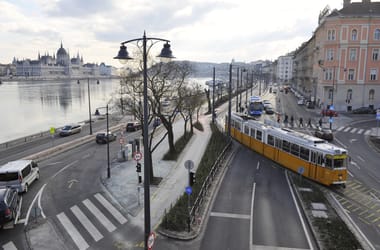
Már az ősszel elkezdődhet a budai fonódó villamoshálózat második ütemének előkészítése A kivitelezés tervezett befejezése 2029 vége.
hvg.hu · 8 days ago
Wettbewerb im Fernverkehr: Minister fürchtet um Bahnverkehr abseits der Metropolen
die zeit · 8 days ago
Fußball-Bundesliga: HSV-Start: Kader noch lange nicht komplett
die zeit · 8 days ago
Brașovul, primul din țară cu proiectul depus pentru Trenul Metropolitan: Miza de 1,5 miliarde de lei Primăria Brașov a anunțat luni, 6 iulie, că a depus cererea de finanțare pentru proiectul Trenului Metropolitan, estimat la aproape 1,5 miliarde de lei.
adevarul · 8 days ago

Would you dare go 136 metres underground? Slovakias oldest coal mine opens to the public Visitors don helmets, lamps and miners coats before boarding an original mining train.
spectator.sme.sk · 8 days ago
Piirissaarele kavandatakse uut elurajooni, kuid kohalikud kahtlevad selle vajalikkuses Tartu vallavalitsus algatas Piirissaarele Tooni külla ligi hektari suurusele maa-alale detailplaneeringu, kuhu saaks rajada uue väikeelamute piirkonna. Kohalike seas ei tekita plaan rõõmu.
postimees · 8 days ago

Seia vai receber o acervo do Museu dos Recursos Hídricos O projeto museológico vai aproveitar a estrutura da antiga Fábrica de Papel de Valmaior
observador · 8 days ago

365 mil euros investimento de Melgaço em transporte público A CIM Alto Minho integra os concelhos de Arcos de Valdevez, Caminha, Melgaço, Monção, Paredes de Coura, Ponte da Barca, Ponte de Lima, Valença, Viana do Castelo e Vila Nova de Cerveira
observador · 8 days ago
Νέα εποχή για τον ελληνικό σιδηρόδρομο με την άφιξη των πρώτων Blues Intercity Οι δύο υβριδικοί συρμοί της Hellenic Train αποτελούν μέρος της συμφωνίας Ελλάδας – Ferrovie dello Stato για την ανανέωση του στόλου
protothema · 8 days ago

Le corridor interocéanique de Tehuantepec, une alternative au Canal de Panama qui crée la polémique au Mexique Censé apporter de la richesse à la nation aztèque, ce projet denvergure est accusé daspirer une partie des ressources dont dépendent les populations locales. ...
la libre · 8 days ago
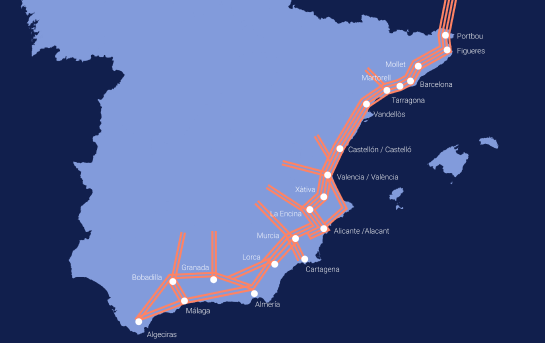
El movimiento QuieroCorredor ve con preocupación los retrasos en las obras Señala que el 84 de la infraestructura está ya en obras, aunque numerosos hitos previstos para 2026 se han vuelto a aplazar. Leer
expansion · 8 days ago
Braunkohleausstieg: Erster ICE im Februar: Bahnwerk in Cottbus als „Meilenstein Der erste Teil des Bahnwerks für ICE-Züge in Cottbus steht schon, die zweite Halle ist auch bald fertig. Liegt das Großprojekt im Plan?
tagesspiegel · 8 days ago
Bahnstrecke Deutschland-Polen: Woidke will für Ausbau der Ostbahn kämpfen Brandenburgs Regierungschef Woidke will Tempo für den Ausbau der Ostbahn von Berlin nach Polen. Der Bund macht deutlich, dass das derzeit nicht in Planung ist - aber es bahnt sich ein Fortschritt an.
tagesspiegel · 8 days ago
Kommentar: Behördentrick lässt Bahnfahrer hoffen Die Bundesnetzagentur umgeht rechtliche Hürden und setzt die DB geschickt unter Druck. Wer sich die Zahlen der neuen Langstreckenanbieter ansieht, kommt aus dem Staunen nicht heraus.
handelsblatt · 8 days ago
Deutsche Bahn: Bahn plant Finanzpuffer in Milliardenhöhe für Brenner-Zulauf Die Bahn plant die Zulaufstrecke zum Brennerbasistunnel mit einem riesigen finanziellen Puffer. Der ist fast so hoch wie die derzeit veranschlagten Baukosten, insgesamt 16 Milliarden Euro.
handelsblatt · 8 days ago
Steil, offen, riesig: Das sind die irrsten Seilbahnen der Alpen Ob offen, drehend oder nostalgisch: In diesen Seilbahnen in Frankreich, Italien, der Schweiz, Österreich und Deutschland sind die Fahrten zum Gipfel das eigentliche Erlebnis.
handelsblatt · 8 days ago
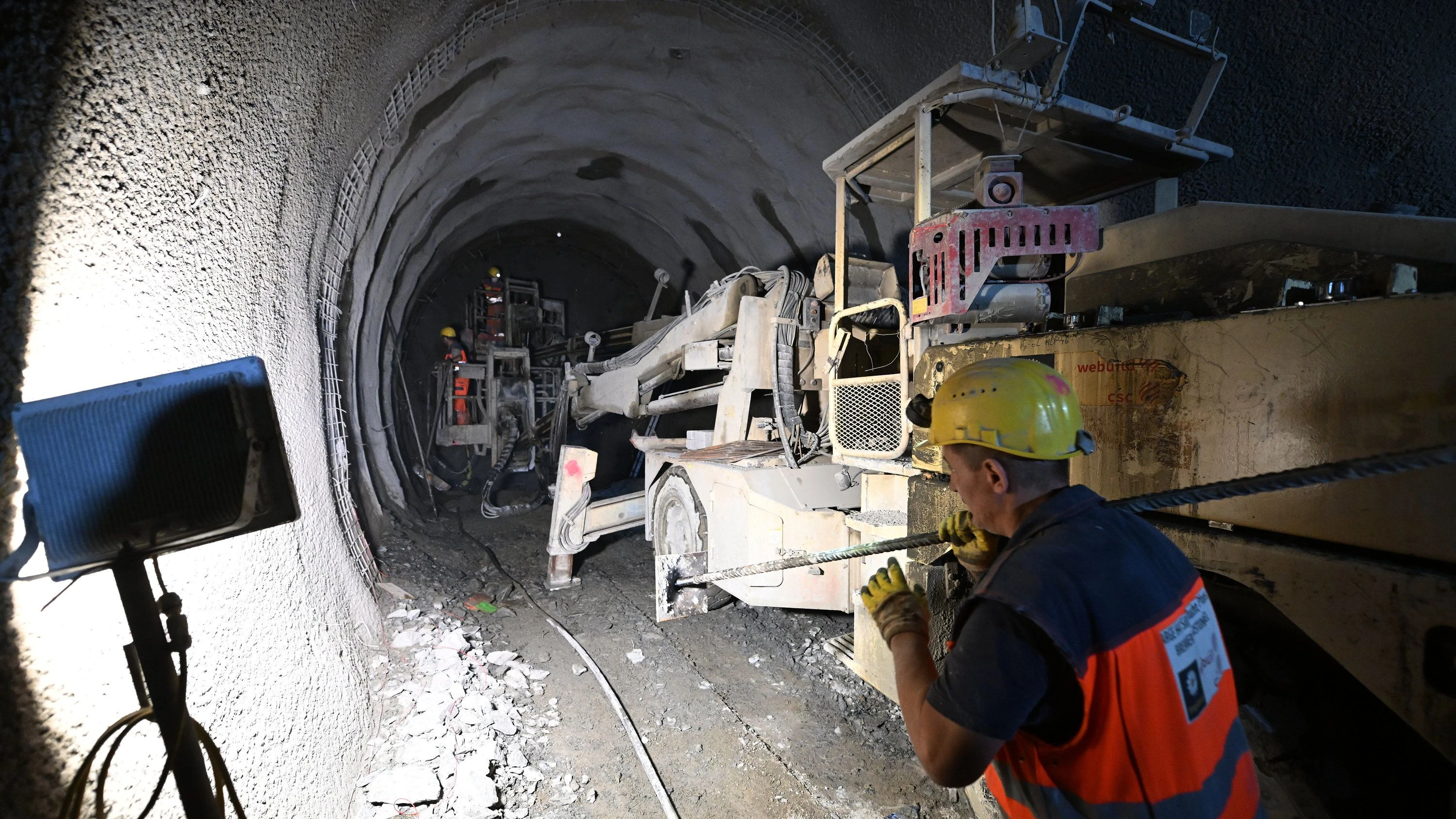
Ausbau des Brennertunnels: Die Bahn plant Finanzpuffer in Milliardenhöhe Eine neue Zuleitungsstrecke am Brenner soll die Fahrzeit von Deutschland nach Italien um zwei Stunden verkürzen. Die Bahn will für das Projekt mehr Geld zurücklegen als ursprünglich angedacht.
faz · 8 days ago
Fernverkehr: Wie die Deutsche Bahn sich mit einem Video blamiert Sieht aus wie Satire, ist aber offenbar keine: Mit einem Social-Media-Video wollte die Deutsche Bahn den ewigen Vergleich mit der Schweizer Bundesbahn beenden – und hat ihn damit erst recht befeuert.
sueddeutsche · 8 days ago