
Dutch ministry must decide on school funding after inspectorate finds serious teaching failures

Story Timeline
3 months · 2 summary articles
Dutch ministry must decide on school funding after inspectorate finds serious teaching failures
Dutch schools cancel trips after voluntary parental contributions backfire
Follow-up
The Dutch education inspectorate has referred Amsterdam’s Cornelius Haga Lyceum (CHL) to the Dutch Ministry of Education after finding that its board “has long and seriously failed” to improve teaching quality, pushing the school to the most urgent phase of intervention. In a Thursday letter to parliament, state secretary Judith Tielen (VVD) wrote that the ministry must now decide on next steps, which could include withdrawing state funding. The inspectorate’s report, published on 9 July 2026, found that the board neglected to act despite warnings as early as 2022, failed to provide key documents, and supplied contradictory information. The CHL’s board disputes the findings, asserting there has been no mismanagement .
The controversy at CHL dates back to 2019, when the National Coordinator for Counterterrorism and Security (NCTV) warned of alleged salafist influences and past ties to extremists. A subsequent investigation by the education inspectorate found no evidence of anti-democratic teaching, but did uncover financial mismanagement. In December 2019, a court struck down the inspectorate’s conclusions after an NRC investigation showed it had overstepped its authority, and intelligence warnings were deemed overly broad by the intelligence oversight body .
Meanwhile, in Portugal, Prime Minister Luís Montenegro has acknowledged “very significant” challenges in the national exam system, telling SIC Notícias on Thursday that the government is working to restore normalcy within existing deadlines. Montenegro, speaking at the NOS Alive festival, said 73% of exams have already been graded and that the administration is committed to publishing results on schedule despite a complex digital transition. Earlier on Thursday, Presidency Minister Leitão Amaro confirmed the 73% figure and reiterated the government’s full commitment to meeting deadlines .
The exam crisis has sparked sharp criticism. In an opinion piece for Público, Sofia Pereira argues that the government’s July improvisations have turned education into a “testing ground,” undermining confidence in a long-overdue modernization effort . Rui Ribeiro, also writing in Público, contends that repeated assurances followed by last-minute corrections have eroded trust and left schools caught between government rhetoric and classroom reality .
In Romania, the University of Oradea’s Daniela Maci, a social work lecturer, has defended the inclusion of Viorel Pașca’s Dumbrava centre in international exchanges with Dutch students, calling it a “model of good practice.” In an interview with HotNews, Maci noted that Oradea’s multiconfessional and multiethnic context, combined with strong evangelical activism, creates a unique social-assistance environment that Dutch observers—from a similarly Calvinist tradition—found instructive. She acknowledged, however, that the centre’s current legal troubles, including allegations of exploiting vulnerable individuals, highlight a broader gap in Romania between grassroots workers and policymakers .
Across Europe, universities are also adjusting to shifting admissions policies. In Italy, Education Minister Anna Maria Bernini has proposed abolishing the national habilitation exam for academic recruitment, shifting greater responsibility to individual universities while maintaining commission oversight. The reform, discussed without prejudice, reflects Bernini’s dual perspective as both a politician and a professor at the University of Bologna .
In the United States, the Department of Justice has confirmed that a Jersey City college-prep school will end diversity, equity, and inclusion-based admissions practices following a federal review .
Follow us for live European news
- 3
- 2
- 2
- 2
- 2
- 1
- 1
- 1
- 1
- 1
- 1
1 further source not geolocated
Articles

Facultăți unde poți intra fără examen de admitere în 2026. Lista universităților care iau în calcul media de la bacalaureat Pentru absolvenții de liceu care se pregătesc de admiterea la facultate, există numeroase programe de studii unde selecția candidaților nu presupune susținerea unui examen scris. În aceste cazuri, înscrierea se realizează pe baza dosarului.
digi24 · about 2 months ago
Admitere la liceu 2026: Cine poate intra la liceu fără repartizarea computerizată Aflarea rezultatelor finale de la Evaluarea Națională îi apropie pe mii de elevi de momentul admiterii la liceu chiar înainte de repartizarea computerizată. Sunt cinci categorii de elevi care vor ști până în 22 iulie dacă au fost deja admiși.
adevarul · about 2 months ago

3h. PM focado em resolver problemas nos exames nacionais Ciente da preocupação dos alunos e dos professores Luís Montenegro pede confiança. Ainda, França é a primeira seleção qualificada para as meias finais do Campeonato do Mundo.
observador · about 2 months ago

A guerra que se senta à mesa com bolsa de estudo Esta guerra não é feita com Kalashnikovs. As suas armas são ao ombro. Entra com bolsas de investigação para cursos como Intifada Performativa: Acampar no Campus Contra a Civilização.
observador · about 2 months ago

Universidade Católica: quando a missão fica para depois – II Quando uma escola deixa de cuidar daquilo que a tornou diferente.
observador · about 2 months ago
Nakrmit nutrii, vyrobit sopku, posbírat vejce. Děti na táboře Jihočeské univerzity navštíví statek i laboratoř Příměstské tábory na Jihočeské univerzitě v Českých Budějovicích dětem během prázdnin otevírají laboratoře, univerzitní statek i další pracoviště, kam se běžně nepodívají. Kromě pokusů si můžou vyzkoušet péči o zvířata nebo poznat práci vědců.
irozhlas.cz · about 2 months ago
JO kritiserar rektor efter pridetåg på förskola En förskola i Kalmar anordnade ett pridetåg för barnen.Det fick en pappa att reagera och anmäla förskolan till Justitieombudsmannen, JO.Nu kritiserar JO rektorn.Enligt JO har barnen inte uppnått en sådan ålder att de kan förutsättas ha någon egentlig egen mening i de frågor som förskolan fokuserade på, skriver man.
expressen · about 2 months ago
Riforma Bernini sul reclutamento universitario, avanzo una proposta radicale: abolire i concorsi La riforma del reclutamento universitario della ministra Anna Maria Bernini va discussa senza pregiudizi. Bernini conosce luniversità non solo come esponente politico, ma anche come docente dellUniversità di Bologna, e ha individuato alcuni nodi reali del reclutamento accademico. La riforma abolisce lAbilitazione Scientifica Nazionale, attribuisce maggiore responsabilità agli atenei, mantiene commissioni con una forte componente […] Larticolo Riforma Bernini sul reclutamento universitario, avanzo una proposta radicale: abolire i concorsi proviene da Il Fatto Quotidiano.
il fatto quotidiano · about 2 months ago

Vermeiden wir eine Bildungsöxit-Debatte! Ausländische Studierende sind weit mehr als Bildungsgäste. Sie stärken die Qualität der Hochschulen und sind am Arbeitsmarkt Gold wert. Es liegt an Österreich, das Potenzial zu nutzen
der standard · about 2 months ago
Inspectie: wanbeheer bij Cornelius Haga Lyceum, ministerie moet beslissen over vervolgstappen Volgens de Onderwijsinspectie schiet het islamitische Cornelius Haga Lyceum in Amsterdam ernstig tekort in de kwaliteit van het onderwijs. Inmiddels is de situatie op de school volgens de staatssecretaris zo slecht, dat het ministerie kan besluiten de financiering stop te zetten.
nrc · about 2 months ago
INTERVIU VIDEO. Studenți și profesori olandezi au venit timp de 8 ani să vadă un model de „bune practici la centrul lui Viorel Pașca, povestește o profesoară din România Studenți de la asistență socială de la Universitatea Avans din Olanda au mers la centrul de la Dumbrava condus de Viorel Pașca, aflat astăzi în mijlocul unui scandal național. Daniela Maci, unul dintre cadrele didactice de la Universitatea din Oradea care au luat parte în acest proiect, explică, într-un interviu pentru publicul HotNews, de ce …
hotnews.ro · about 2 months ago
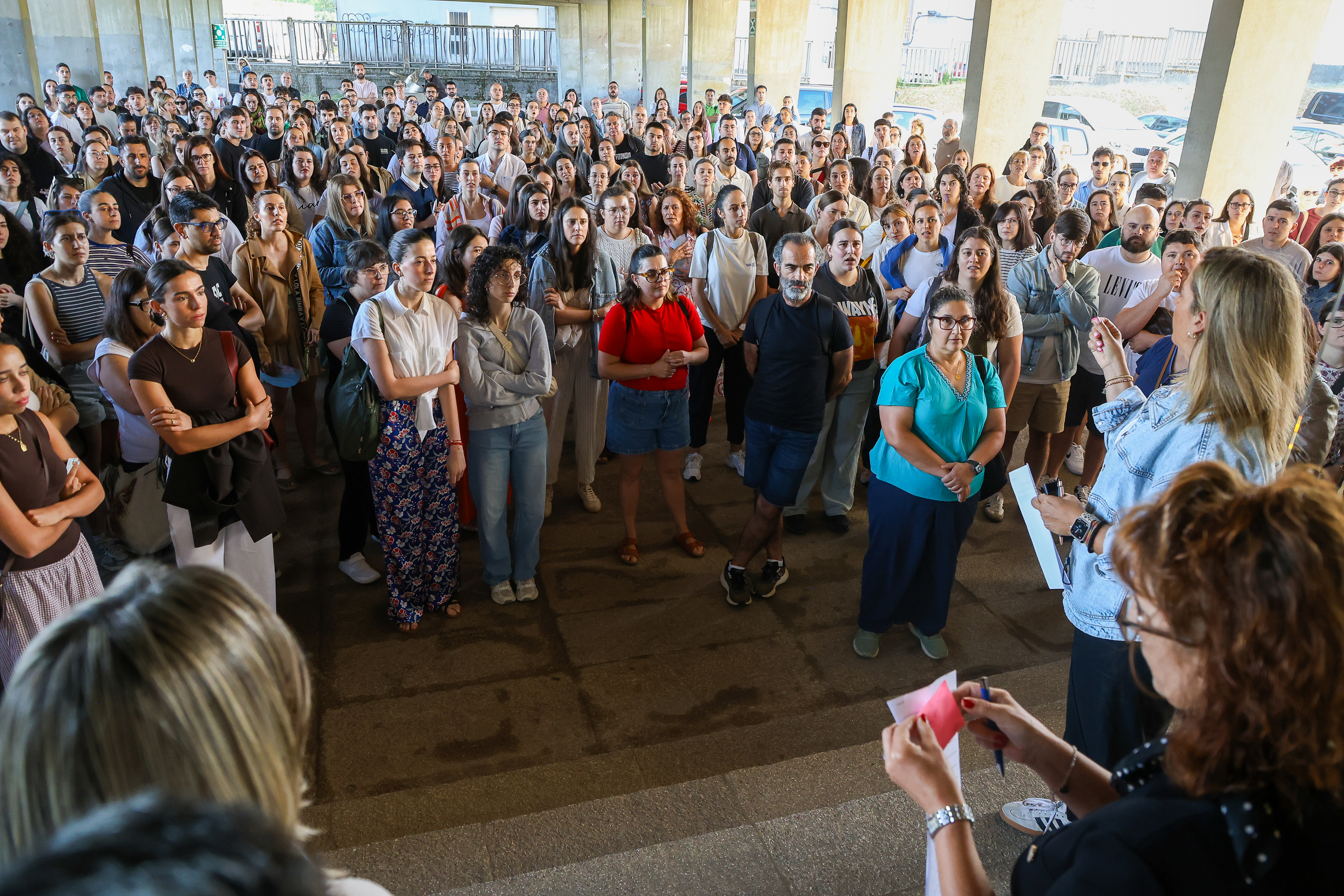
Alerta por la oleada de suspensos en las oposiciones a profesor, del 83 en Castilla y León al 63 en Murcia: "Es increíble la cantidad de faltas de ortografía en los aspirantes jóvenes" "Los tribunales han detectado una preparación insuficiente y errores de sintaxis y de comprensión lectora" Leer
elmundo · about 2 months ago
Exames nacionais: o passo em frente que o ministério deu a caminho do precipício Primeiro vem a certeza taxativa, depois a correção envergonhada, e pelo meio fica sempre alguém a pagar o custo da distância entre o que o Governo diz e o que está, de facto, a acontecer nas escolas. Opinião de Rui Ribeiro
publico · about 2 months ago
A reforma foi a exame. E chumbou É mais ou menos consensual que Portugal precisa de um Estado mais moderno, mais simples, mais ágil. Do que não precisa é de improvisos em julho que transformam a Educação num campo de ensaio. Opinião de Sofia Pereira
publico · about 2 months ago

US DOJ says Jersey City college prep school to end DEI admissions practices reut.rs/4wrrNfe
bluesky_Reuters · about 2 months ago
Onderwijsinspectie ziet wanbeheer op Cornelius Haga Lyceum in Amsterdam Volgens de onderwijsinspectie is er op het Cornelius Haga Lyceum in Amsterdam sprake van wanbeheer. Het bestuur van de islamitische middelbare school heeft volgens de inspectie jarenlang nagelaten om het onderwijs te verbeteren.
nu.nl · about 2 months ago

Alojamento estudantil terá 26 mil camas com investimento Em Coimbra, o ministro da Educação sublinhou que o PRR vai financiar 11 mil novas camas a nível nacional. IPC recebe ainda residência em Oliveira do Hospital com 98 camas.
observador · about 2 months ago
Svårare få plats på högskoleutbildning i höst I dag får 307 000 sökande besked att de antagits till en högskoleutbildning i höst.Jämfört med förra hösten har konkurrensen hårdnat, eftersom rekordmånga sökt men färre antas.
svenska dagbladet · about 2 months ago
INTERVIU VIDEO. O altă perspectivă. Cum au ajuns studenți și profesori olandezi să vadă un model de „bune practici la centrul lui Viorel Pașca / Ce nu s-ar fi întâmplat niciodată în Olanda Timp de 8 ani, studenți de la asistență socială de la Universitatea Avans din Olanda au mers la centrul de la Dumbrava condus de Viorel Pașca, aflat astăzi în mijlocul unui scandal național. Daniela Maci, unul dintre cadrele didactice de la Universitatea din Oradea implicate în acest proiect, explică, într-un interviu pentru publicul HotNews, de …
hotnews.ro · about 2 months ago
První český kvantový počítač v Ostravě už naplno funguje. Pomůže i s výzkumem Alzheimerovy choroby Po měsících testování se v Ostravě naplno rozjel první český kvantový počítač. Nachází se v Národním superpočítačovém centru při Vysoké škole báňské a už teď je jasné, že nouzi o práci mít nebude. Zájem mají vědci z oblasti zdravotnictví, chemie nebo fyziky.
irozhlas.cz · about 2 months ago
Sărăcia și lipsa educației părinților, rețeta eșecului la Evaluarea Națională: sute de elevi au luat note între 1 și 4 Aproximativ 21 dintre elevii din România nu au reușit să obțină media 5 la Evaluarea Națională. Majoritatea acestor școlari sunt din mediul rural. Iar printre cauzele identificate este lipsa de interes a părinților față de școală, sărăcia lucie, dar și evaluările prea permisive.
adevarul · about 2 months ago
Kirkko | Rippikoulun voi käydä maksuttomasti Suurin osa seurakunnista joutuu perimään 7–10 vuorokauden rippikoulun todellisista kuluista pienen osakorvauksen.
helsingin sanomat · about 2 months ago

Una alumna de una escuela de aviación sobrevive al suicidio de su instructor en pleno vuelo El piloto, que tenía problemas mentales y estava ampliando su formación para ser piloto de línea aérea regular, abrió la puerta de la avioneta y se precipitó al vacío
la vanguardia · about 2 months ago
Ce facultăți au admitere pe bază de dosar în 2026 Pentru miile de absolvenți de liceu care își doresc o carieră universitară fără presiunea suplimentară a unor probe scrise eliminatorii, sesiunea de admitere aduce vești bune. Mai multe facultăți din România optează pentru un sistem de admitere bazat exclusiv pe dosar.
adevarul · about 2 months ago

Teacher says he was turned down for UCD masters course in favour of less-qualified woman Discrimination case taken in 2002 has been before Circuit Court, High Court and European Court of Justice
irish times · about 2 months ago
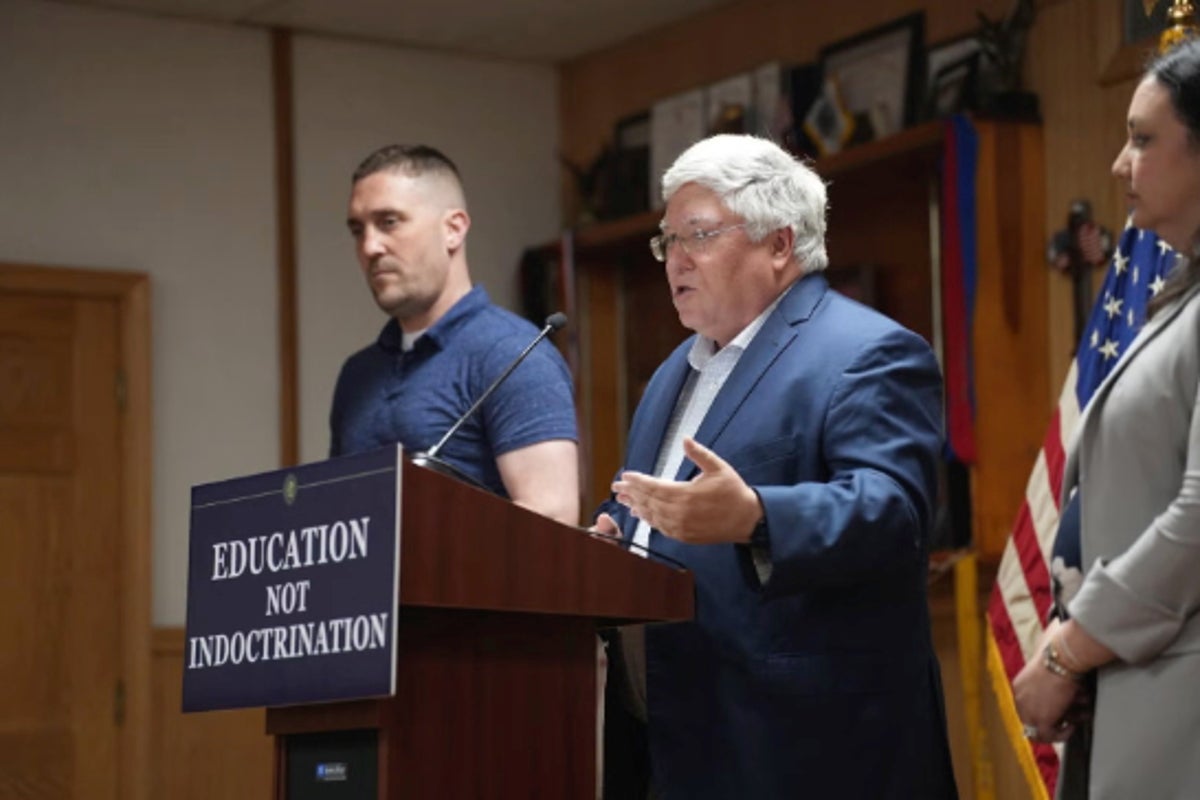
West Virginia spent $3M to create university program to fight woke ideology. One student is enrolled State lawmakers mandated the centers creation despite recent budget troubles at the university
independent · about 2 months ago