 Sunday, June 7Sunday, June 7
One in five couples in the Czech Republic now seek medical help for infertility, according to leading gynecologist Pavel Darebný, who says the figure reflects a growing but often unspoken crisis. “A year of unsuccessful attempts to conceive should prompt a consultation,” Darebný told public broadcaster iROZHLAS on Saturday. “We see 15 to 20 percent of couples facing real difficulties, and the emotional toll—repeated disappointment, exhaustive tests, and strain on relationships—is often underestimated.” At his Prague-based Center for Assisted Reproduction, Darebný and his team prioritize identifying root causes before tailoring treatment, a process that can take months and demand significant personal resilience.
The urgency of the issue is underscored by personal stories across Europe. Estonian journalist and photographer Meisi Volt, who announced her first pregnancy on 15 May, revealed last week that doctors had once warned her motherhood might remain out of reach. “Life’s greatest gifts often arrive when we least expect them,” Volt wrote in an emotional post, reflecting on years of uncertainty and the eventual miracle of pregnancy. Her experience mirrors broader trends: in the Netherlands, reality TV personalities Nella and Burak stunned audiences during *Temptation Island* by revealing they already share a child, a disclosure that sparked conversations about family planning and relationship dynamics.
Medical professionals stress that infertility is not a single-country issue but a continental challenge. In Estonia, a recent study highlighted a simple dietary tweak that can help people eat less without increased hunger, offering a practical tool for those managing weight during fertility treatments. Meanwhile, in France, a *Le Monde* essay this week examined why men still struggle to express grief, a psychological barrier that can complicate emotional support during the stress of infertility. “The pain of holding back is real,” one man told the newspaper. “Your throat tightens, your chest aches.”
The human cost is starkest in lower-income settings. In Ghana, Dorcas Ouedraogo’s harrowing journey to deliver twins—undertaken to secure safe medical care—has drawn global attention. Her story, published Friday by *The Independent*, underscores how systemic gaps in healthcare access can turn what should be a joyous event into a life-threatening ordeal.
As Europe marks Fertility Awareness Week, experts urge policymakers to expand access to reproductive health services and reduce stigma around seeking help. “This isn’t just a medical issue,” Darebný said. “It’s a societal one.” With one in five couples affected, the conversation is long overdue.

NAISTEJUTUD ⟩ Personaaltreener: «Süüa saab õigesti ja valesti – väike trikk määrab, kas kasvatad kõhu ette või võtad alla» Kuidas kõhu peale kogunenud «rõõmurullidest» lahti saab? Sa võid vähe süüa, trenni teha ning nad vahivad seal endiselt vastu. Ja sa võid pitsat süüa ja nad on korraga kadunud. Kuidas? Siin on valem, mis töötab.
postimees · about 20 hours ago
Důvodem k vyhledání pomoci by měla být rok neúspěšná snaha o početí potomka, říká gynekolog Darebný Problémy s plodností jsou v Česku častější, než by se možná mohlo zdát. Podle odhadů gynekologů má složitější cestu k dítěti 15 až 20 párů. Ty nečelí jen opakovanému zklamání, ale někdy taky spoustě vyšetření a dopad to má samozřejmě i na jejich vztah. Snažíme se odhalit příčinu a na základě toho volíme adekvátní léčebný postup, říká Pavel Darebný, gynekolog a vedoucí Centra asistované reprodukce v Ústavu pro péči o matku a dítě v Praze.
irozhlas.cz · about 20 hours ago
Via lacne, capelli splendenti e seno più voluminoso: cosè lo spironolattone, il farmaco che spopola su TikTok, e perché non va assunto come una pillola magica che cambia la vita Su Instagram e TikTok spopola questo farmaco su prescrizione, promosso come un trattamento di bellezza per la capacità di combattere lodiata acne, regalare chiome splendenti e perfino far aumentare il seno. Non manca un fondo di verità, ma la cautela è dobbligo. Pillola magica che cambia la vita: è questo il commento di un utente, […] Larticolo Via lacne, capelli splendenti e seno più voluminoso: cosè lo spironolattone, il farmaco che spopola su TikTok, e perché non va assunto come una pillola magica che cambia la vita proviene da Il Fatto Quotidiano.
il fatto quotidiano · about 20 hours ago
Non riuscite a guardare unaltra donna e a dire guarda che bella e non è rifatta? Basta, veramente basta. Avete problemi con voi stessi: lo sfogo di Katia Pedrotti Sono un po di giorni che mi vengono scritti messaggi del tipo: Non ci prendere per i fondelli, tu che sei tutta completamente rifatta: inizia così lo sfogo di Katia Pedrotti, ex concorrente del Grande Fratello e oggi influencer. Pedrotti è testimonial di prodotti di bellezza e anche promotrice di uno stile di vita che […] Larticolo Non riuscite a guardare unaltra donna e a dire guarda che bella e non è rifatta? Basta, veramente basta. Avete problemi con voi stessi: lo sfogo di Katia Pedrotti proviene da Il Fatto Quotidiano.
il fatto quotidiano · about 20 hours ago
Nella heeft zich herontdekt na Temptation Island: Ik was mezelf even kwijt Nella en Burak zorgden voor verbaasde reacties toen ze in Temptation Island onthulden dat ze samen een kind hebben. In gesprek met RTL Boulevard vertellen ze meer over hun gezinsleven en blikt Nella terug op haar deelname, die naar eigen zeggen veel voor haar heeft betekend.
rtl nieuws · about 20 hours ago

„Was hat man dir, du armes Kind, getan? Wim Wenders hat seinen Film „Falsche Bewegung vorläufig zurückgezogen. Anstoß lieferte die Halbnacktszene mit der damals 13-jährigen Nastassja Kinski. Warum die Probleme schon bei der Goethe-Vorlage beginnen.
welt.de · about 20 hours ago
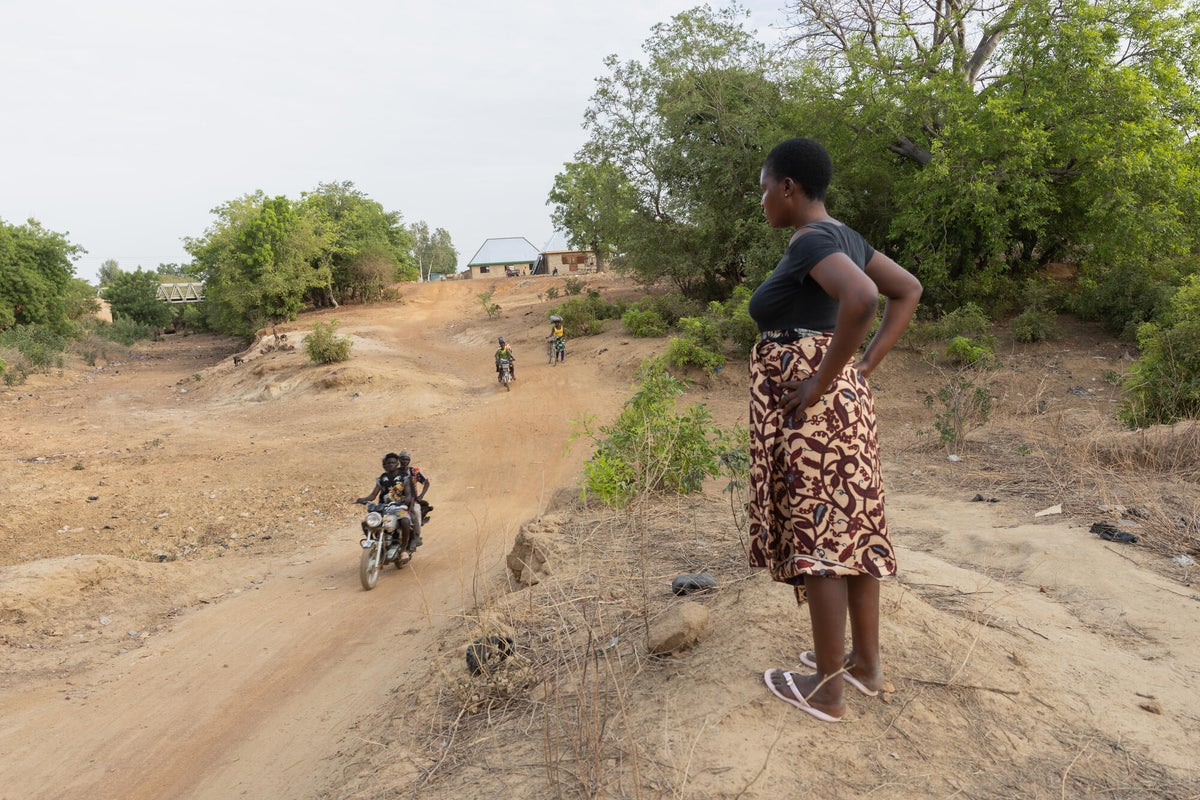
A mother risked everything to bring her twins into the world. Her story should shock us all Basile Ouedraogo salutes the strength of a mother – Dorcas – who undertook a terrifying journey to try and get the help she needed to safely give birth, and how her story is far too familar
independent · about 20 hours ago
Uuring: üks lihtne muudatus võib aidata märkamatult vähem süüa Paljud inimesed soovivad langetada kaalu, kuid püsivate muutuste tegemine ei ole alati lihtne. Üks igapäevane toitumisharjumus võib aidata süüa vähem ilma näljatunnet suurendamata.
postimees · about 20 hours ago
NAISTEJUTUD ⟩ Personaaltreener: «Nii saad pitsat süüa ja taljest 6 cm peenemaks muutuda!» Kuidas kõhu peale kogunenud «rõõmurullidest» lahti saab? Sa võid vähe süüa, trenni teha ning nad vahivad seal endiselt vastu. Ja sa võid pitsat süüa ja nad on korraga kadunud. Kuidas? Siin on valem, mis töötab.
postimees · about 20 hours ago

Perdonar al que te ha amputado
la vanguardia · about 20 hours ago

Ellas tienen poder Núria Cabutí, Siri Hustvedt y la exposición Vindran les dones coinciden en una semana de electricidad femenina
la vanguardia · about 20 hours ago
Christiaan Bauer en vriendin praten al over samenwonen en kinderen: Denk meer na over de toekomst Christiaan Bauer (24) is inmiddels bijna zes maanden samen met zijn vriendin Rosalie. Hoewel de relatie nog relatief pril is, kijken de twee al naar de toekomst. In een gesprek met De Telegraaf vertellen ze dat onderwerpen als samenwonen en een toekomstige kinderwens regelmatig ter sprake komen.
rtl nieuws · about 20 hours ago
Christiaan Bauer wil met zijn jeugdliefde gaan samenwonen Christiaan Bauer wil gaan samenwonen met zijn jeugdliefde Rosalie van der Horst. Dat vertelt de 24-jarige zoon van Frans en Mariska Bauer zaterdag aan De Telegraaf. Zij kennen elkaar al sinds de kleuterschool, maar hebben inmiddels zes maanden een relatie.
rtl nieuws · about 20 hours ago
Katja Schuurman mag niet topless zonnen: Ik vind het heerlijk De vrije geest Katja Schuurman (51) wordt weleens ingeperkt door haar 16-jarige dochter Sammie. Zij heeft liever niet dat haar moeder topless naast haar zont op het strand, aldus de actrice in gesprek met Veronica Superguide.
rtl nieuws · about 20 hours ago
Jan Smit komt terug op tien jaar oude belofte om vroegtijdig te stoppen Jan Smit heeft vrijdag aangekondigd dat hij nog lang niet gaat stoppen. De veertigjarige zanger komt daarmee terug op uitspraken die hij tien jaar geleden deed. De Volendammer stelde toen dat hij op zijn veertigste met pensioen zou gaan.
nu.nl · about 20 hours ago
Varje frånvaroanmälan skär som kniv i magen Skolavslutningen närmar sig men Karin Nygårds kan inte glädjas. Hennes barn har varit hemmasittare hela högstadiet. Trots att hon själv är lärare. Hur kunde det bli så här? frågar hon sig i en personlig essä som osar av sorg, maktlöshet och ilska.
svenska dagbladet · about 20 hours ago

Je me suis toujours méfiée des hommes… et jai appris que jétais enceinte dun garçon Pendant sa grossesse, tout ce que désirait cette chroniqueuse du Guardian, cétait un bébé en bonne santé. Apprendre quelle allait avoir un garçon a complètement changé son regard sur les discours sur la masculinité, raconte-t-elle.
courrier international · about 20 hours ago
INTERVJUU ⟩ Meisi Volt avab esimest korda südame: läbipõlemine röövis lootuse emaks saada, kuid elu kinkis talle ime Moeajakirjanik ja fotograaf Meisi Volt, kes teatas 15. mail esiklapse ootusest, räägib avameelselt teekonnast emaduseni. Veel mõned aastad tagasi vihjas arst, et lapse saamine võib tema jaoks osutuda keeruliseks või lausa võimatuks. Täna kannab ta aga südame all kauaoodatud beebit ning tunnistab, et elu suurimad kingitused saabuvad sageli siis, kui neid kõige vähem ootad.
postimees · about 21 hours ago
HEA TEADA ⟩ Niimoodi silud nahka ilma ilukliinikusse minemata Igavese nooruse otsinguil kipuvad paljud esimese hooga vaatama kallite protseduuride poole, ent see ei ole alati vajalik. On olemas tõhusad, looduslikud ja rahakotisõbralikud viisid, kuidas hoida oma nahk prink.
postimees · about 21 hours ago
Enrico wil Bachelorette Kashin nog een kans geven: Er is vuur en spanning Enrico (32), bekend van De Bachelorette, heeft na de reünie van het programma laten weten dat hij Kashin nog een kans wil geven buiten de cameras om. Tijdens de opnames leek er al een duidelijke klik te zijn tussen de twee.
rtl nieuws · about 21 hours ago
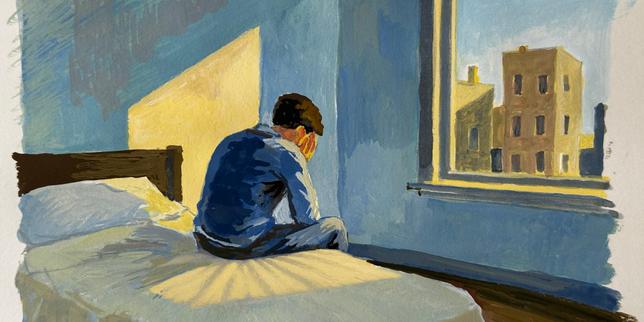
Pourquoi les hommes ne pleurent (toujours) pas : « Jenvie les femmes. Ça fait tellement mal de se retenir : la gorge se serre, le plexus est douloureux » Jusquau XIXᵉ siècle, il était de bon ton de montrer ses émotions en public. Puis le patriarcat a imposé aux hommes un certain « idéal de maîtrise de soi » qui lemporte encore trop souvent aujourdhui.
le monde · about 21 hours ago