
U.S. imposes sweeping tariffs on 60 economies over forced labor claims
U.S. targets 60 economies with new tariffs over alleged forced labor, sparking global backlash
The Trump administration has proposed tariffs of 10% to 12.5% on imports from 60 countries and economic blocs, including the EU, UK, Switzerland, and Australia, accusing them of failing to combat forced labor in their supply chains. The move, announced by the U.S. Trade Representative on Wednesday, marks the first major attempt to revive sweeping tariffs since the Supreme Court struck down earlier trade restrictions in 2025.
The EU immediately condemned the tariffs as "unjustified," with European Commission officials arguing that the bloc’s regulations on forced labor are among the world’s strictest. "We expect Washington to honor the trade pact established in July 2025," a Commission spokesperson said, warning that retaliatory measures could follow . The head of the EU trade committee called the proposed duties "unacceptable," while Switzerland’s business federation, Economiesuisse, dismissed the allegations as "completely unfounded," citing strict national laws prohibiting forced labor .
The tariffs target a broad range of goods, with the U.S. claiming that imports from these economies—particularly those routed through low-tax jurisdictions like Bermuda, Cyprus, and the Cayman Islands—may involve exploitative labor practices. A *New York Times* review of securities filings found that nearly 500 companies attributed hundreds of billions in earnings to such tax havens, though the administration has not linked these findings directly to the forced labor probe . The Financial Times reported that the White House is framing the tariffs as a replacement for earlier duties invalidated by the Supreme Court, using a new legal justification .
China, which faces separate U.S. tariffs, rejected the forced labor allegations as "baseless," with Foreign Ministry spokeswoman Mao Ning accusing Washington of weaponizing trade policy. The U.S. has also signaled plans to expand scrutiny of imports from alleged forced labor zones, including products from Xinjiang, though the latest tariffs focus on broader supply chain compliance .
Economists warn the tariffs could trigger price hikes for U.S. consumers, with the *Independent* reporting potential inflationary effects as early as Q3 2026 . The EU has not ruled out countermeasures, while Switzerland’s Economiesuisse said the 12.5% duty on Swiss goods, though lower than past threats, would still strain exporters. Analysts note the timing aligns with Trump’s push to revive his trade agenda ahead of the 2026 midterms, though legal challenges are expected.
- sueddeutsche
- independent
- eunews.it
- swissinfo
- euronews
- financial times
Articles

From @nytimes.com: A review of securities filings from nearly 500 companies showed that they avoided taxes by attributing hundreds of billions of dollars in earnings to low- or no-tax foreign locales like Cyprus, Bermuda, Switzerland and the Cayman Islands.
bluesky bot · 4 days ago
Beijing rejects forced labor claims, slams US tariff plans Chinese Foreign Ministry spokeswoman Mao Ning on Wednesday rejected allegations of forced labor in the countrys production sectors and criticized the Trump administrations proposal to impose additional tariffs on at least 60 economies, warning that trade wars serve no ones interest.
yenisafak · 4 days ago
USA: Für Produkte aus angeblicher Zwangsarbeit: USA planen neue Zölle Das neue Argument der Trump-Regierung: Importe aus mutmaßlicher Zwangsarbeit werden nicht ausreichend verhindert oder kontrolliert. Auch die EU ist im Visier, weist die Vorwürfe jedoch zurück.
sueddeutsche · 4 days ago
European Commission responds to US forced labour allegations: Tariffs unjustified The Commission "shares the United States concerns regarding forced labour" but defends the effectiveness of European anti-exploitation regulations and calls on Washington to respect the agreement reached in July 2025 in Scotland
eunews.it · 4 days ago
Swiss business federation rejects US forced labour claims as unfounded Economiesuisse, the Swiss business federation, has dismissed US claims of forced labour against Switzerland as completely unfounded. While the latest tariff threats from Washington would weigh on Swiss firms, the group said they were less severe than earlier rounds of punitive duties. + Get the most important news from Switzerland in your inbox Economiesuisse chief economist Rudolf Minsch told a media conference on Wednesday that Swiss law clearly prohibits forced labour, adding: Switzerland has done its homework. The new tariff threats from Washington came as no surprise, Minsch said. Economiesuisse had expected the administration of US President Donald Trump to look for new ways to keep some tariffs in place. He said this was an attempt to replace duties that had previously been imposed under emergency law but were later struck down by the US Supreme Court. US tariff threats no major shock for Swiss firms The current threat of 12.5 punitive tariffs on Switzerland is not a ...
swissinfo · 4 days ago
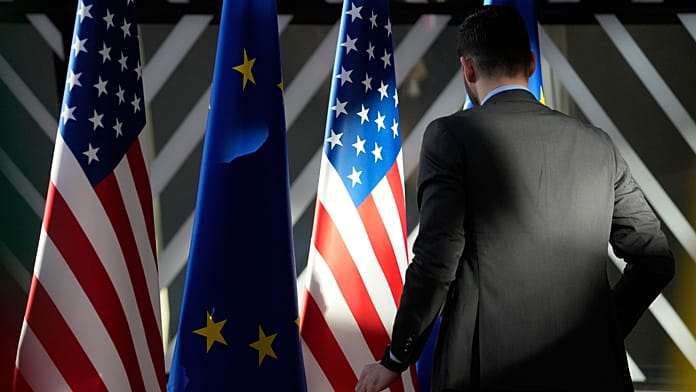
US tariff threats over forced labour unjustified, Commission says The EU hit back at US threats of fresh tariffs over forced labour, saying its rules are among the most stringent in the world for banning imports and exports of goods linked to forced labour.
euronews · 4 days ago

Big tobacco uses cigarette playbook to help sell ultra-processed foods, journal reveals New issue of the American Journal of Public Health focuses on parallels between marketing for cigarettes and UPFsThe new issue of the American Journal of Public Health focuses on ultra-processed foods, and reveals that big tobacco companies used strategies that helped them sell cigarettes to sell ultra-processed food products, including Lunchables, geared toward children.The parallels between ultra-processed foods (UPFs) and cigarettes include not only how UPF products were formulated and marketed to drive excess consumption, but also the growing body of evidence linking UPFs to a variety of health risks. For UPFs, these include cardiovascular diseases, certain cancers and cognitive health decline. Continue reading...
theguardian · 4 days ago
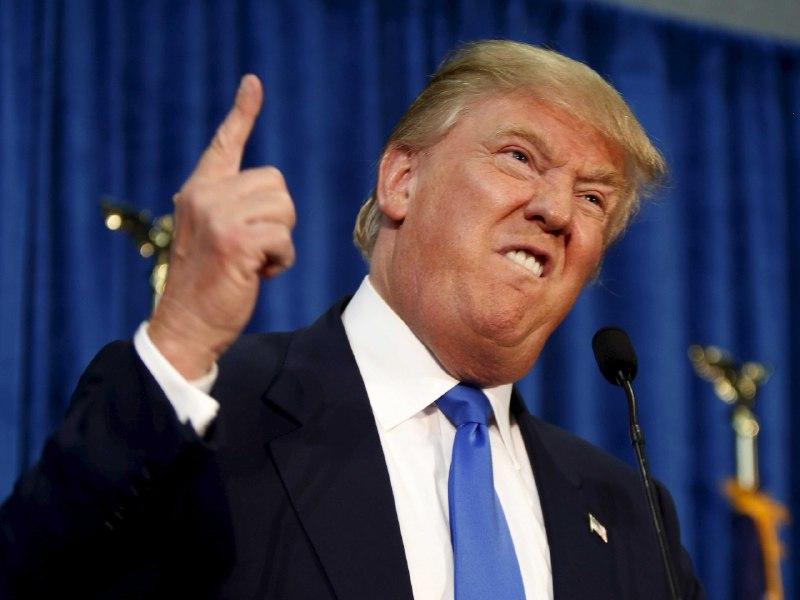
Trump has threatened to impose #tariffs on several countries due to forced labor. In a bid to revive his signature trade policy, Donald #Trump has threatened to impose tariffs of 10 to 12.5 on 60 nations and economic blocs—including the #UK, the #EU, and Australia—citing alleged failures to combat forced labor. The European Union quickly retaliated, stating it expects Washington to honor the trade pact established last July and arguing that these hidden duties violate the spirit of that
mastodon bot · 4 days ago

New U.S. tariffs on EU goods would be unacceptable, EU trade committee head says reut.rs/4x1MSyh
bluesky bot · 4 days ago
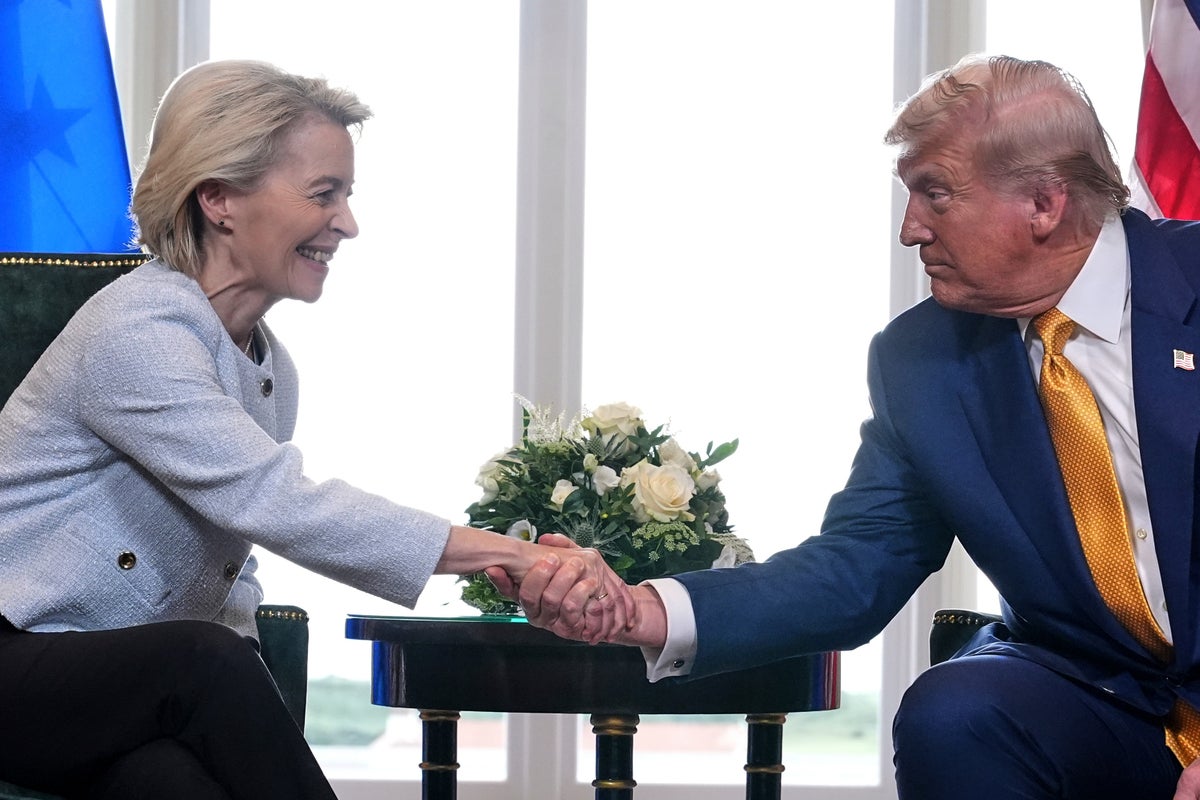
Americans face new price hikes as Trump targets imports from dozens of countries over forced labor The U.S. Trade Representative has announced the Trump administration is proposing tariffs of 10 or more for dozens of major trading partners following a probe into alleged forced labor
independent · 4 days ago
US proposes tariffs of at least 10 after forced labour probe White House makes first significant effort to resurrect sweeping tariffs since its defeat at US Supreme Court
financial times · 4 days ago