 Sunday, June 21Sunday, June 21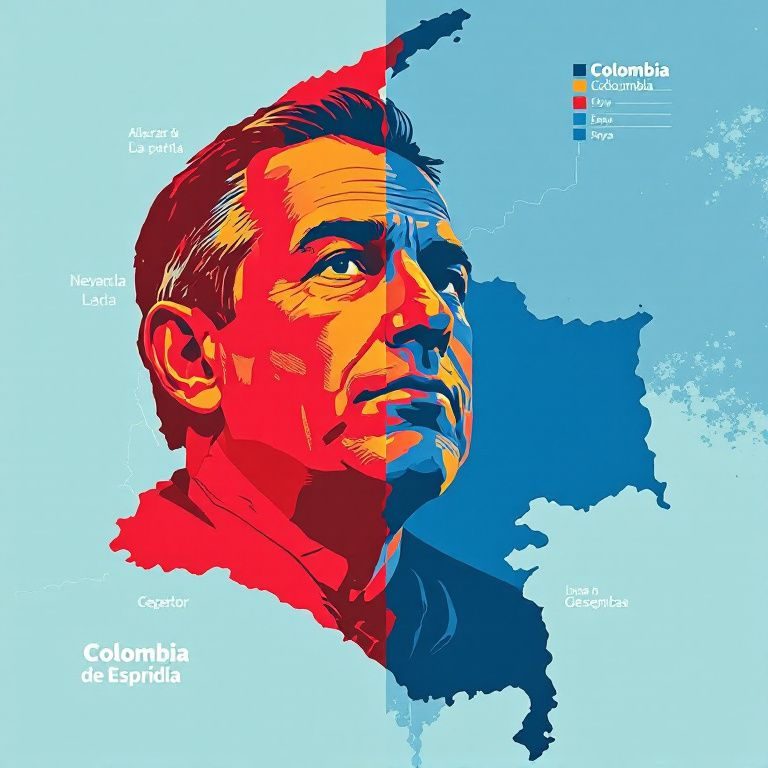
2 days · 2 summary articles
Colombia's runoff pits hard-right de la Espriella against leftist Cepeda in pivotal election
Youth protests surge as AI-driven far-right campaign dominates Colombia runoff
Colombians voted on Sunday in a high-stakes presidential runoff that pits hard-right outsider Abelardo de la Espriella against leftist Senator Iván Cepeda, a contest that will determine the future of the country’s fragile peace process and its strained relations with Washington. With polls showing de la Espriella leading into election day, the vote has become a defining moment for Latin America’s political pendulum, where economic anxiety and security fears dominate the campaign.
De la Espriella, a conservative lawyer backed by the White House under former US President Donald Trump, has vowed to abandon President Gustavo Petro’s signature “total peace” negotiations and return to full-scale military confrontation with armed groups. His opponent, Cepeda, represents the continuation of Petro’s leftist agenda, which has sought dialogue with guerrillas and criminal organizations to reduce violence. The runoff follows Petro’s disqualification from re-election, leaving his political movement to rally behind Cepeda as the successor to a government that has faced relentless opposition from conservative forces.
Security and economic policy are the central battlegrounds. De la Espriella has campaigned on a platform of “iron-fisted” governance, promising to crush transnational crime and what he describes as “communism,” while Cepeda has emphasized social reforms and the defense of Petro’s peace agreements. International observers, including French broadcaster France 24, note that the election’s outcome will directly influence Colombia’s armed conflict policy and its diplomatic ties with the United States, which has historically supported military solutions to internal strife.
Domestic tensions have been palpable in the final stretch of the campaign. Reports from Spanish daily *El País* describe both candidates scrambling for votes, with de la Espriella maintaining a lead in surveys while Cepeda mounts a late surge. In Barranquilla, where de la Espriella has established his campaign headquarters, he declared on Saturday that he would “govern with an iron hand” if elected, framing the vote as a referendum on crime and ideological struggle. Meanwhile, polling stations opened across the country under heightened security, with authorities citing fears of electoral interference and social unrest.
The runoff arrives amid broader regional shifts, with right-wing victories in neighboring countries amplifying the stakes. Austrian broadcaster ORF and German newspaper *Die Zeit* frame the election as part of a broader conservative wave in Latin America, where populist leaders are capitalizing on public dissatisfaction with crime and economic instability. For Colombia, the choice between de la Espriella’s militarized approach and Cepeda’s negotiated peace could redefine the country’s trajectory for years to come.

⚡ NEWSColombia runoff election expected to shift armed conflict policyColombia holds a presidential runoff election with frontrunner Abelardo de la Espriella leading. De la Espriella vows to abandon the current total peace negotiations and return to full-scale military confrontation with armed groups, marking a...📰 #Diplomacy #Geopolitics #GeoWire
mastodon bot · about 2 hours ago

Präsidentschaftswahl in Kolumbien: Ein Tiger für Trump In Lateinamerika gewinnt die Rechte eine Wahl nach der anderen. Nun könnte in Kolumbien Abelardo de la Espriella siegen. Sein Versprechen: Härte gegen die Kriminalität.
die zeit · about 2 hours ago

Corine Pelluchons Buch: Der Rechtsruck als „narzisstische Perversion? Corine Pelluchon erklärt den Wahlerfolg rechter Parteien als toxische Beziehung von „Opfer und Peiniger. Das klingt engagiert, entlastet aber von Verantwortung – und blendet soziale Ursachen fast völlig aus.
faz · about 2 hours ago
Colombias runoff pits right-wing populist against Petros successor Colombians are set to choose a new president in a sharply polarised runoff between conservative outsider Abelardo de la Espriella and leftist Senator Iván Cepeda. The election serves as a defining test for Latin Americas political pendulum, with economic anxiety and security concerns at the fore.
yenisafak · about 2 hours ago
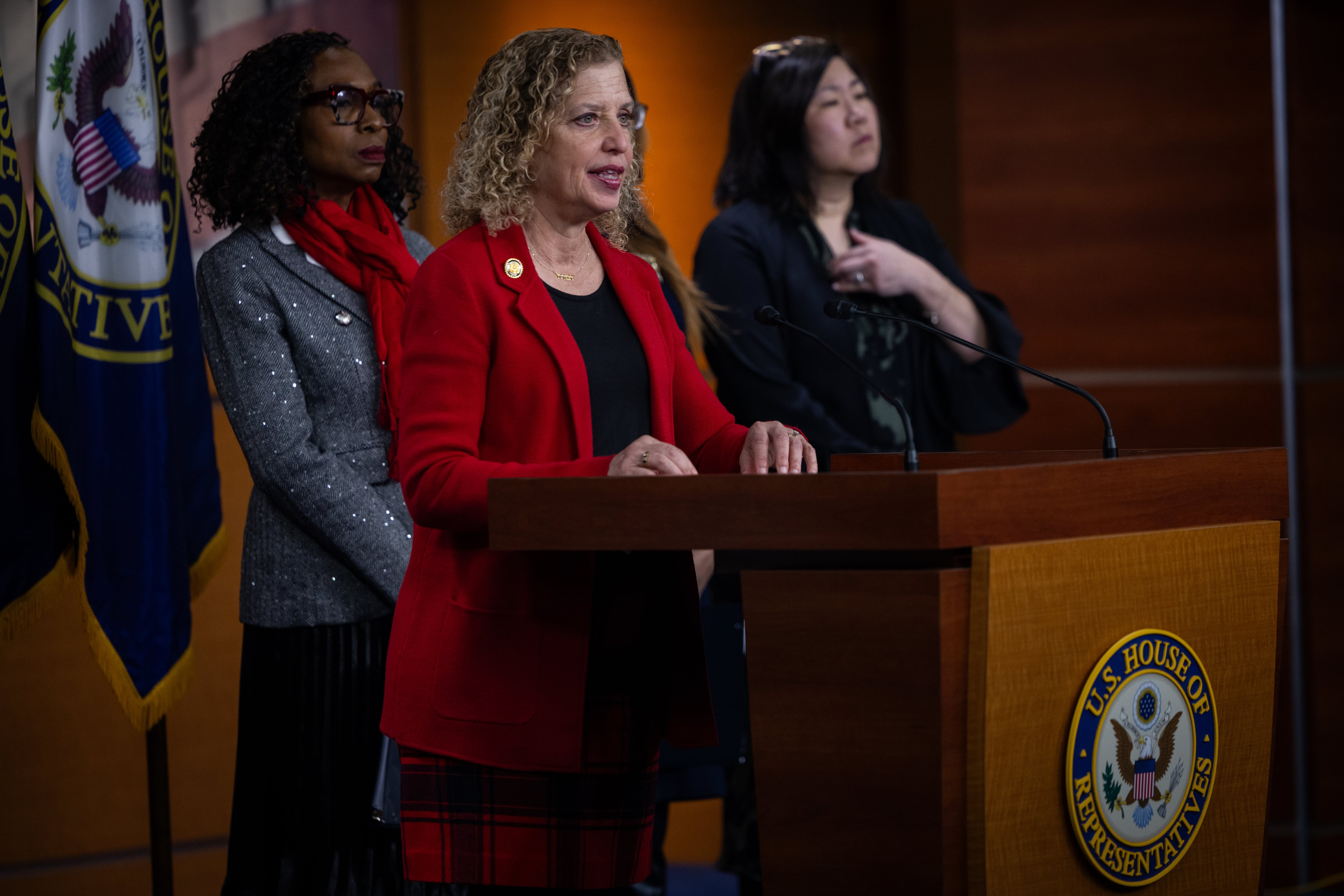
The Democratic battle over a Florida district reveals the political cost of DeSantis new electoral map Debbie Wasserman Schultzs decision to run in majority-Black District 20 after the disappearance of her former seat has ignited a debate among Democrats over racial representation
elpais · about 2 hours ago
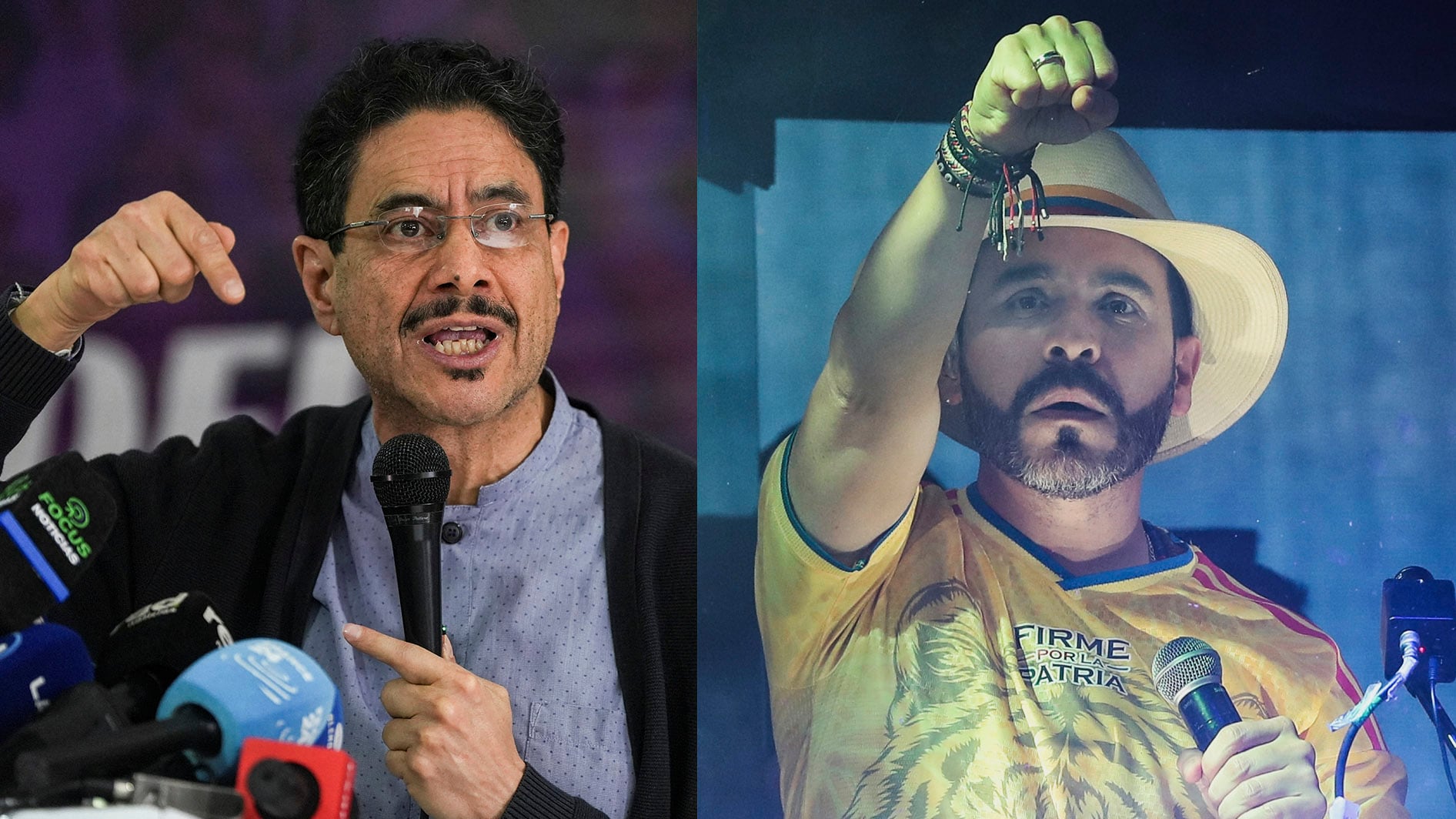
Presidential candidates in Colombia scramble for every vote in final stretch of the campaign The far-right contender Abelardo de la Espriella leads going into election day, while the leftist candidate Iván Cepeda is relying on a late surge
elpais · about 2 hours ago
🟠 UPDATEColombia runoff election expected to shift armed conflict policyThe runoff is between hard-right lawyer Abelardo de la Espriella, backed by the White House/Trump, and leftist senator Ivan Cepeda. The vote determines the fate of the peace process and strained ties with Washington.📰 #Military #USA #Geopolitics #GeoWire
mastodon bot · about 2 hours ago
High-stakes Colombia vote sees Trump-backed hardliner face leftist senator Voters in Colombia will choose a new president Sunday as hard-right White House-backed lawyer Abelardo de la Espriella faces leftist senator Ivan Cepeda in a high-stakes vote that will decide the fate of the countrys stumbling peace process and strained ties with Washington.
france24 · about 3 hours ago
Boliviens Präsident lässt Straßenblockaden räumen
orf.at · about 3 hours ago

Abelardo de la Espriella: "Voy a gobernar con mano de hierro contra el crimen transnacional y el comunismo" Instalado en Barranquilla, donde mantiene su cuartel general, asegura que será el próximo presidente del país. De momento, las encuestas le dan la razón Leer
elmundo · about 4 hours ago

Elecciones en Colombia : a puertas cerradas entre polarización y dudas electorales
gdelt bot · about 5 hours ago
Landrat: Stichwahl um Landratsposten im Kreis Saalfeld-Rudolstadt
die zeit · about 7 hours ago
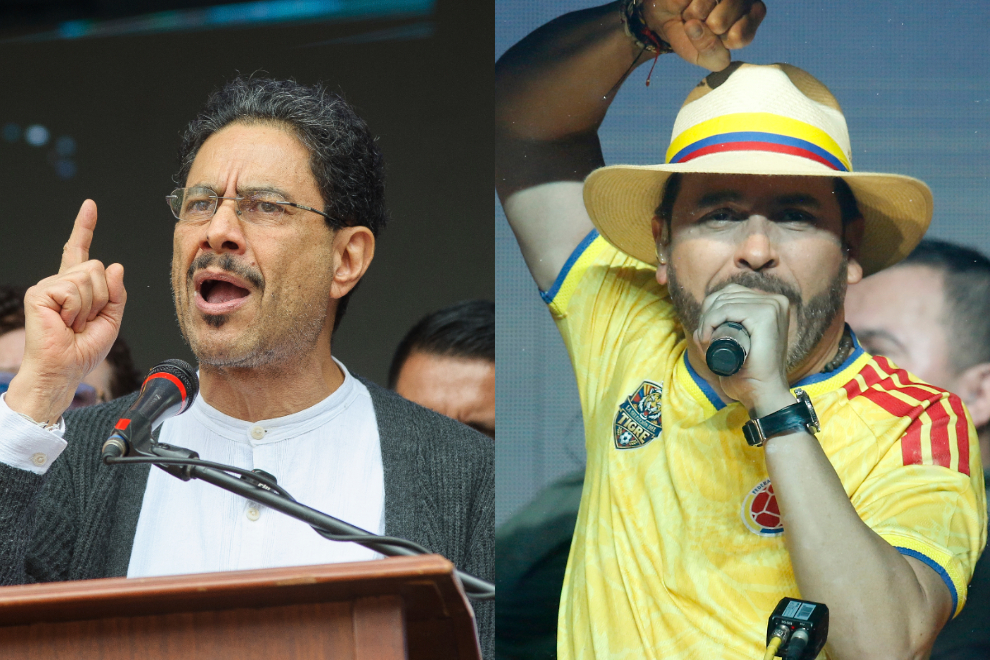
Colombia elige presidente en medio de la confrontación social y política Este domingo los colombianos están llamados a las urnas para elegir entre dos modelos radicalmente opuestos en lo económico y en lo social. Leer
expansion · about 11 hours ago
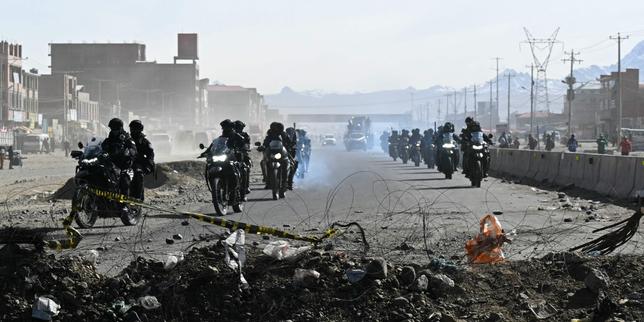
En Bolivie, les images des blocages paralysant une partie du pays alors que le président a décrété lEtat dexception Rodrigo Paz a décrété, samedi, létat dexception, qui pourrait permettre la mobilisation de larmée afin de mettre fin aux barrages routiers.
le monde · about 11 hours ago
Kolumbien: Stichwahl zwischen Linken und Rechten
orf.at · about 11 hours ago
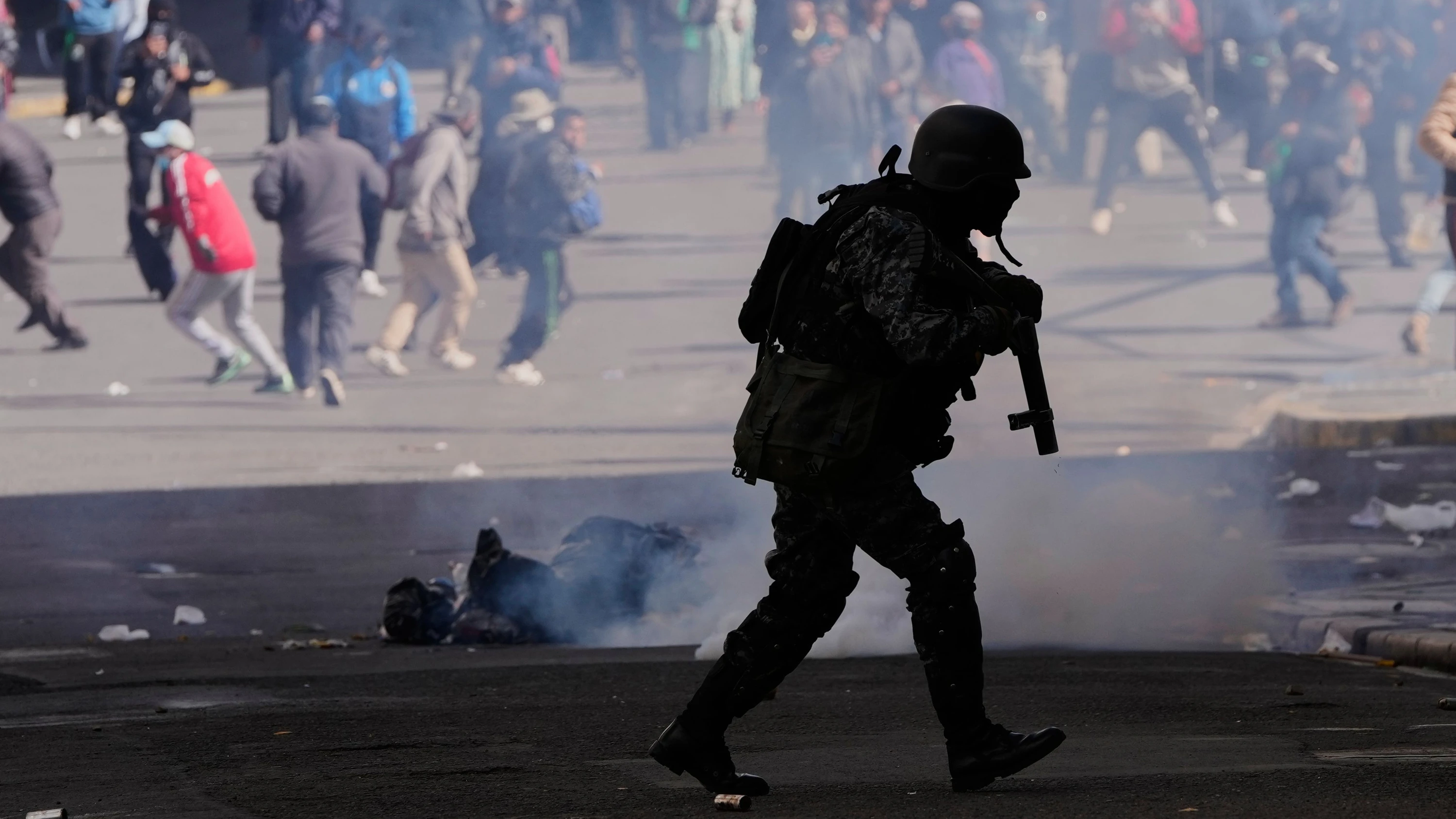
wochenlange Proteste: Boliviens Präsident verhängt Ausnahmezustand Seit mehr als sieben Wochen kommt es in Bolivien zu Straßenblockaden und Demonstrationen. Nun ergreift der Präsident eine weitreichende Maßnahme gegen die anhaltenden Proteste.
faz · about 11 hours ago