 Sunday, June 28Sunday, June 28
1 month · 4 summary articles
The Democratic Republic of Congo has imposed travel restrictions abroad after France confirmed its first Ebola case linked to the worsening outbreak in eastern provinces, where infections have now surpassed 1,200 and deaths reached 321 since mid-May. Health authorities in Kinshasa announced the measures on Saturday, citing the detection of the virus in a returning doctor as a trigger for tighter border controls. The move follows a surge in community resistance to containment efforts and warnings from the Africa Centres for Disease Control and Prevention (Africa CDC) that pledged emergency funding of $1.4 billion remains largely unpaid.
The outbreak, centred in Ituri province, has overwhelmed treatment centres operating at 95% capacity, while nearly 300 confirmed cases are unaccounted for, suspected to be sheltering in inaccessible refugee camps. Dr Jean Kaseya, director of Africa CDC, told Swedish media that the displaced populations are beyond the reach of health workers, accelerating transmission. The International Committee of the Red Cross (ICRC) has linked the crisis to decades of underdevelopment, noting that eastern DRC’s lack of health, water, electricity and education services has enabled Ebola, mpox and cholera to thrive in tandem.
Community resistance has further complicated containment, with families refusing safe burial practices and authorities struggling to expand treatment capacity. The Africa CDC’s emergency appeal, issued on 26 June, remains only partially funded, leaving response teams without critical resources. Meanwhile, the travel restrictions imposed by Congo come as France reported its first case on 24 June, when a doctor returning from the DRC tested positive. The new measures add to growing concerns over cross-border spread, with Congo’s health ministry citing the risk of further international transmission.
Analysts warn that the combination of funding shortfalls, logistical barriers and public distrust has created a perfect storm for the virus to spread unchecked. The ICRC’s head of delegation in DRC, speaking to *The Independent*, described the situation as a reflection of systemic failures that have left communities vulnerable to repeated health crises. With treatment centres stretched to capacity and displaced populations beyond reach, the window for containing the outbreak is rapidly closing.
Follow us for live European news
2 further sources not geolocated

«Toute la côte est concernée» : face au durcissement des contrôles en France, les exilés traversent la Manche depuis la Belgique Ces derniers mois, la côte belge simpose comme une nouvelle voie pour rejoindre le Royaume-Uni. Une évolution qui inquiète les autorités locales et accroît les risques pour les exilés.
liberation · about 8 hours ago
The Externalization of Migration Management and the Coloniality of Border Containment in Africa
gdeltproject.org · about 10 hours ago
Congo Imposes Restrictions on Travel Abroad After Ebola Case Detected in France
gdeltproject.org · about 11 hours ago

4 dead in Kentucky flooding, state of emergency declared: Governor
news.yahoo.com · about 12 hours ago
DR Congo Ebola cases top 1,200 amid community resistance Health authorities in the Democratic Republic of the Congo reported late Friday that Ebola infections have reached 1,203 cases with 321 deaths since the outbreak was declared in mid-May, as officials struggle with community resistance to safe burial practices and insufficient treatment capacity in the epicenter of Ituri province.
yenisafak · about 13 hours ago

Familias de diplomáticos denuncian desprotección: sin derecho a atención sanitaria ni vacunas El servicio exterior denuncia el limbo legal de cónyuges e hijos en algunas regiones Leer
elmundo · about 13 hours ago

Fraud suspect allegedly behind $250m Minnesota pandemic scam tracked down in Somalia Abdikerm Eidleh, 42, was arrested in Mogadishu, Somalia, following a raid by FBI agents and Somali intelligence officials,
independent · about 13 hours ago
Somalia: EU Imposes New Visa Restrictions On Somali Citizens
gdeltproject.org · about 14 hours ago
The Inhumane Treatment of Migrants: The Long Durée of Colonial Violence in the UK and Europe
gdeltproject.org · about 14 hours ago
DR Congo Ebola death toll surpasses 300 as cases rise The Ebola death toll in the Democratic Republic of Congo has exceeded 300, with 1,155 confirmed cases since the outbreak was declared on May 15. Africa CDC has called for $1.4 billion in funding for the regional response, warning that pledged funds are slow to materialise.
yenisafak · about 15 hours ago
Омбудсмен Лантратова заявила, что власти «закрыли вопрос» о возвращении жителей Курской области из Украины. Губернатор Хинштейн сообщил, что 300 человек пропали без вести
meduza · about 17 hours ago
300 ebolasmittade på okänd plats – sprids i stora flyktingläger Nästan 300 personer som har testat positivt för ebola i Kongo-Kinshasa befinner sig på okänd plats.Misstanken är att de befinner sig i stora flyktingläger som vårdpersonal inte har tillgång till, enligt Dr Jean Kaseya, direktör för den afrikanska smittskyddsmyndigheten.
expressen · about 19 hours ago

Terrorismo fecha 104 escolas e desloca 52 mil crianças Conflito armado em Cabo Delgado encerra escolas e desloca dezenas de milhares. ONU regista 28 mortos e 49 raptados só em maio. Desde 2017, já morreram 6.632 pessoas.
observador · about 19 hours ago

Irish woman stuck on hantavirus ship says she cant believe she escaped virus Anne Lane was released from isolation earlier this week and said she hasnt been put off going on a cruise ship again.
thejournal · about 21 hours ago
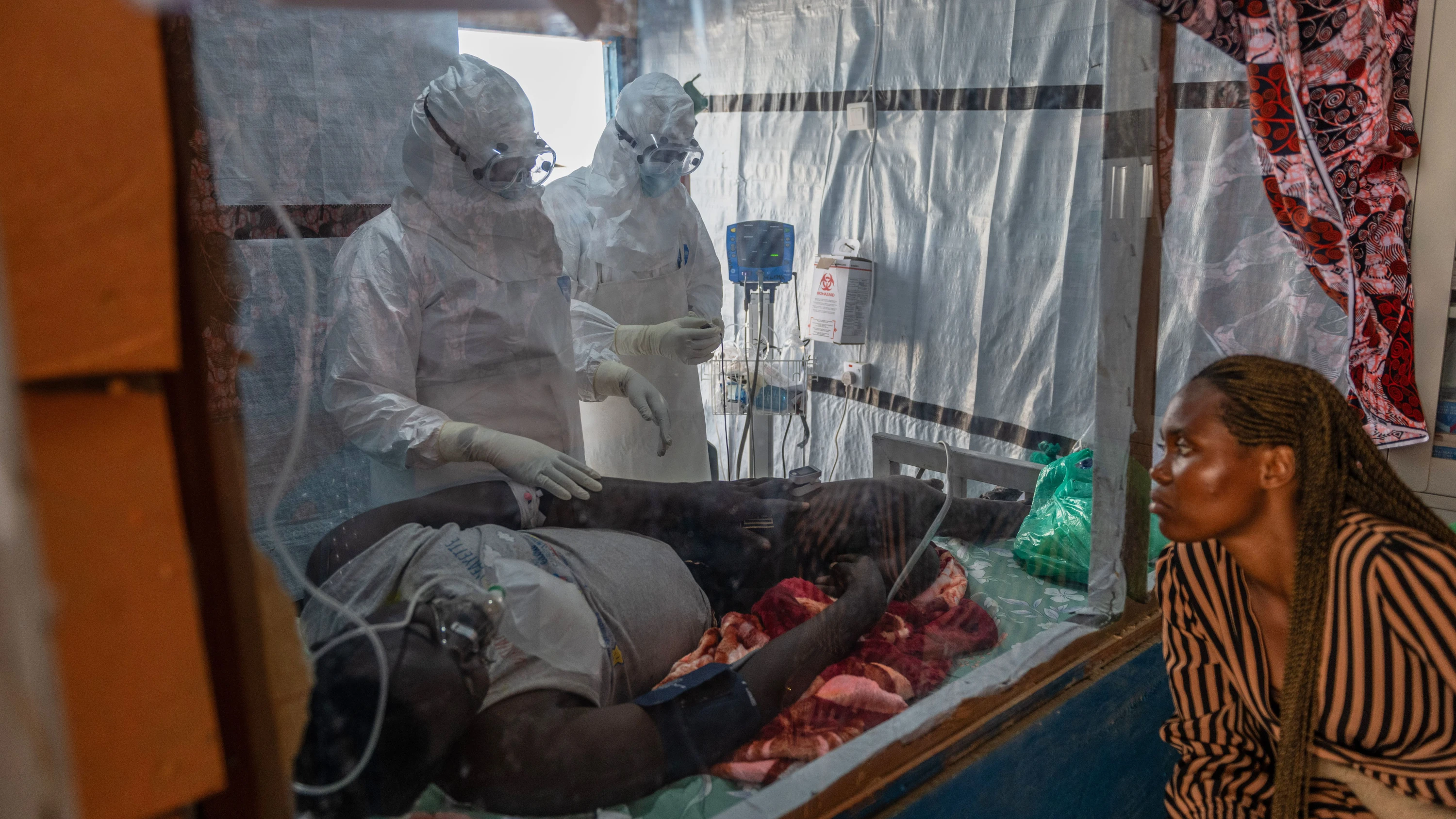
Hilfskürzungen in Kongo: Das Ebola-Virus profitiert Enorme Kürzungen bei Hilfsprogrammen tragen laut Fachleuten zur raschen Ausbreitung des Ebola-Virus bei. „Vor die Welle zu kommen, ist derzeit nicht möglich.
faz · about 22 hours ago

Irish woman on board hantavirus-hit cruise ship surprised she didnt become infected Anne Lane (79) and a travel companion were quarantined for six weeks at HSE facility following outbreak of deadly virus
irish times · about 22 hours ago
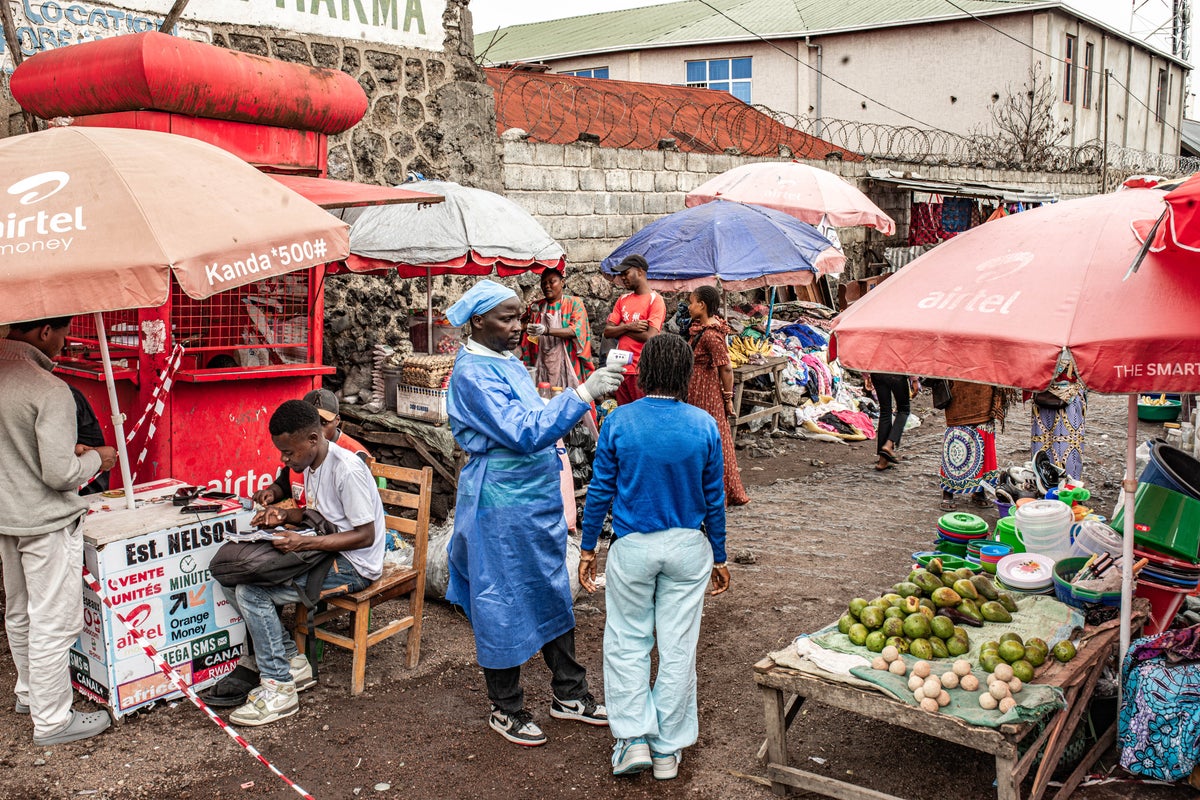
Fast-spreading Ebola outbreak in DRC reflects decades of development failure, says Red Cross The absence of health, water, electricity and education services means that people in eastern Democratic Republic of the Congo have suffered not only from Ebola, but also from mpox and cholera in recent years, the head of delegation for the International Committee of the Red Cross in the country tells Nick Ferris
independent · about 22 hours ago

Centrafrique : le gouvernement déclare lépidémie de choléra après 24 morts Le gouvernement centrafricain a officiellement déclaré une épidémie de choléra après la confirmation de 24 décès et 197 cas dans les districts de Bimbo et Mbaïki, au sud-ouest de la capitale Bangui, a annoncé vendredi soir le ministre de la Santé, le Dr Pierre Somse. ...
la libre · about 23 hours ago