
Iran launches U.S. nuclear deal talks as Gulf strikes threaten fragile ceasefire
Iran launches international exchange amid fragile Gulf ceasefire as U.S. and Tehran edge toward direct talks
Iran has initiated a high-stakes diplomatic maneuver by launching an international exchange framework with the U.S., even as fresh military strikes across the Gulf threaten to unravel a tenuous ceasefire. President Donald Trump confirmed on Wednesday that Iran has agreed not to pursue nuclear weapons—a key U.S. demand—and revealed plans to meet Supreme Leader Mojtaba Khamenei, signaling a rare opening for direct negotiations between the long-time adversaries.
The exchange follows a dramatic escalation in hostilities earlier this week. Iran launched a coordinated drone and missile attack on Kuwait International Airport on June 3, killing one Indian national and injuring 63 others, according to Kuwait’s health ministry. The assault, which forced the suspension of all commercial flights, marked the first fatality in a Gulf state since the April ceasefire. Kuwait’s defense ministry reported intercepting 13 ballistic missiles and 17 drones, while Iran accused Kuwait of "direct responsibility" for supporting U.S. strikes on its territory. The U.S. retaliated by targeting an island in the Strait of Hormuz, further straining the fragile truce.
Trump’s diplomatic push comes amid a sharp deterioration in U.S.-Israel relations. The president confirmed a profanity-laced phone call with Israeli Prime Minister Benjamin Netanyahu on Monday, during which he demanded Israel stand down from plans to bomb Beirut. According to U.S. officials, Trump told Netanyahu, *"You’re fucking crazy. You’d be in prison if it weren’t for me,"* warning that further escalation in Lebanon would isolate Israel globally. Netanyahu abandoned the Beirut strike after the call, and Trump announced a new ceasefire—though its durability remains in question.
The negotiations appear to be advancing despite the violence. Trump told *Pod Force One* that Khamenei is "involved in the talks" and that the two leaders "seem to be getting along quite well." He also claimed Iran has already committed to abandoning its nuclear weapons program, though no formal agreement has been signed. Secretary of State Marco Rubio told lawmakers the "war on Iran is over," though recent attacks suggest the conflict has merely shifted to a lower-intensity phase.
The exchange framework—details of which remain undisclosed—could reshape regional dynamics if it holds. Analysts warn, however, that Iran’s simultaneous military strikes and diplomatic overtures reflect a strategy of calibrated pressure, leaving the Gulf’s stability hanging in the balance. With Trump set to meet Khamenei and Netanyahu sidelined, the coming weeks will test whether the ceasefire can survive the region’s deep-seated rivalries.
- independent
- aljazeera
- axios
- france24
Articles

Iran agrees not to pursue nuclear weapon, Trump says amid renewed Gulf strikes Trump says Iran has agreed not to build a nuclear weapon and that he expects to meet its supreme leader, even as fresh missile strikes on Kuwait and Bahrain test a fragile Gulf ceasefire.
intellinews · 4 days ago
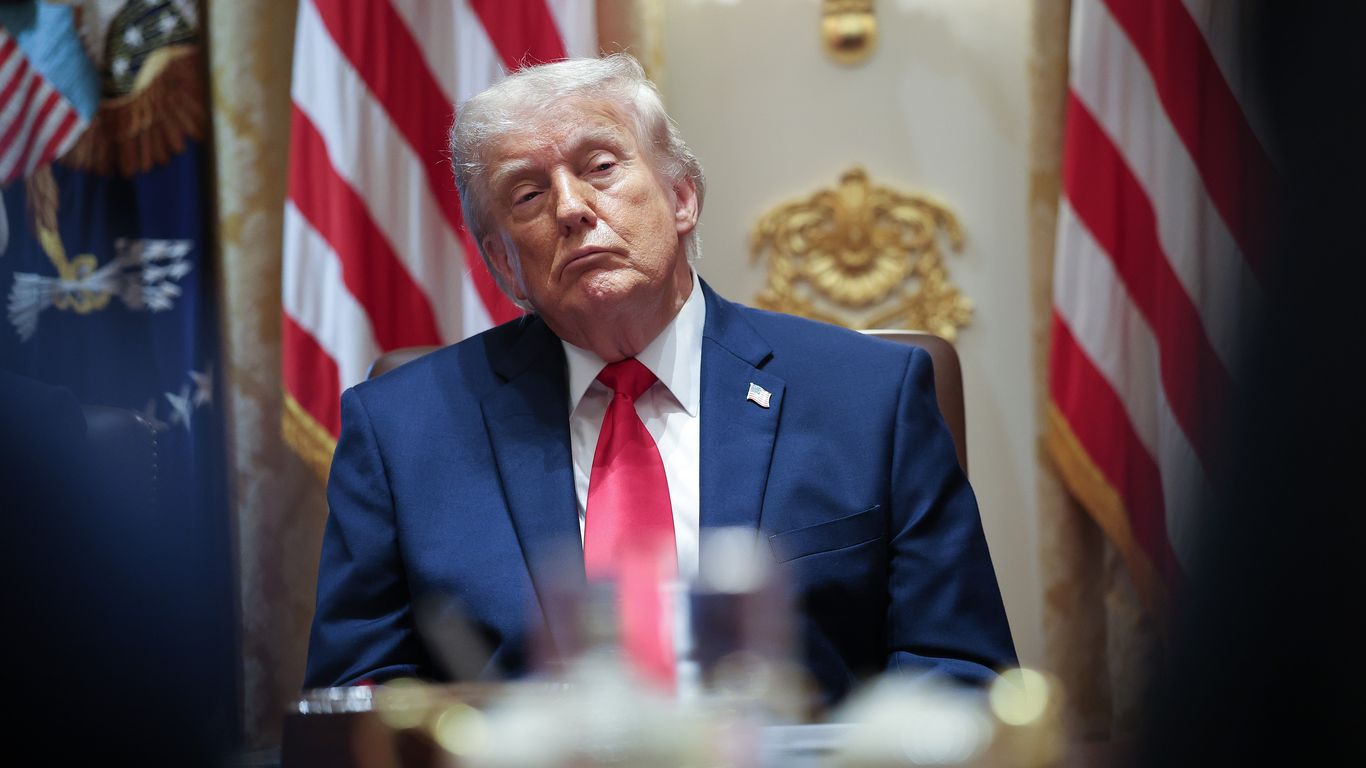
Trump confirms profanity-laced Netanyahu call over Lebanon President Trump confirmed on Wednesday that he sharply criticized Israeli Prime Minister Benjamin Netanyahu over Lebanon during a tense call, as Axios first reported. Why it matters: Trumps confirmation signals a widening divide between the two leaders, over both the fighting in Lebanon and the war with Iran.What hes saying: Miranda Devine asked Trump on her New York Post podcast if he called Netanyahu "fucking crazy" and that he would be in prison if not for Trump. "I did," Trump replied. "I wouldnt say angry. I was a little bit perturbed at his constantly fighting with Lebanon, you know. At some point I said, Bibi, weve got to stop this. We gotta stop it," Trump added. He then mentioned he likes Netanyahu and has worked well with him.Catch up quick: Trump lashed out at Netanyahu over Israels escalation in Lebanon in an expletive-laden call Monday.The call came after Iran threatened to abandon negotiations with the U.S. over Israels actions in Lebanon. U.S. officials said Trump told Netanyahu to stand down from plans to bomb Beirut, and he warned that such a move would further isolate Israel globally.Behind the scenes: Summarizing Trumps remarks to Netanyahu, a U.S. official said: "Youre fucking crazy. Youd be in prison if it werent for me. Im saving your ass. Everybody hates you now. Everybody hates Israel because of this."A second source briefed on the call said Trump was "pissed" and at one point yelled at Netanyahu: "What the fuck are you doing?"After the call, Netanyahu aborted the plan to bomb Beirut, and Trump announced a new ceasefire.
axios · 4 days ago
Trump denies impasse in Iran talks after fresh strikes on Gulf countries The ceasefire with Iran is being further tested after Iranian drones hit a terminal building in Kuwait. It forced the country to close down the airport briefly and one person was killed and at least 63 injured, according to the Kuwaiti health ministry. Meanwhile, talks with the US have been stalling over Lebanon and the US military said it had launched strikes on an island in the Strait of Hormuz.
france24 · 4 days ago

One killed and several wounded in Iranian attack on Kuwaits international airport US and Iran exchange more strikes across Gulf region, jeopardising efforts to secure a new ceasefireMiddle East crisis – live updatesKuwaits military said Iranian strikes that hit a terminal at its international airport caused significant damage, killed at least one person and wounded several others.The attack came as the US and Iran exchanged fresh missile and drone strikes, further jeopardising efforts to secure a new ceasefire agreement between Washington and Tehran. Continue reading...
theguardian · 4 days ago
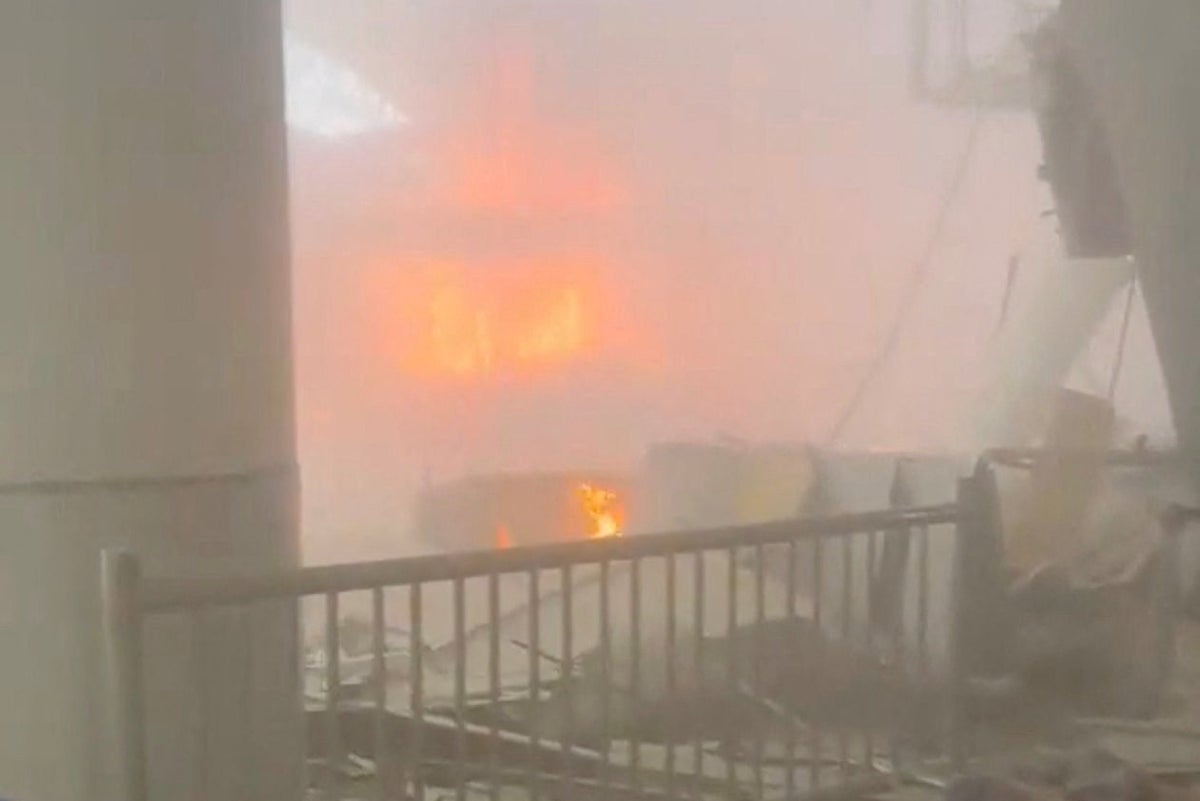
Iran-US war latest: One killed and 63 injured in Kuwait Airport attack after Iran launches massive strikes Iran accused Kuwait of direct and clear responsibility in supporting US attacks on its territory
independent · 4 days ago
Iran, Kuwait, Bahrain hit: Is the war in the Gulf escalating again? Secretary of State Rubio tells US lawmakers the war on Iran is over, amid recent attacks on Iran and Gulf countries.
aljazeera · 4 days ago
Middle East crisis live: Trump claims Iranian supreme leader is involved in US negotiations President says he would like to meet Mojtaba Khamenei and appears to confirm reports he had heated call with Benjamin NetanyahuThe Kuwaiti defence ministry said it intercepted 13 ballistic missiles and 17 drones launched by Iran today.A drone and missile attack on Kuwaits international airport killed one person, which Kuwaiti authorities identified as an Indian national. It is the first reported death in a Gulf state since the US and Iran agreed to a ceasefire in April. Continue reading...
theguardian · 4 days ago
Trump says he was perturbed by Netanyahus constantly fighting with Lebanon President Trump told Pod Force One that he was perturbed by Israeli Prime Minister Netanyahus stance of constantly fighting with Lebanon, and said he told Netanyahu at some point … we gotta stop this. Trump added that if there wasnt me, there would be no Israel right now, citing Irans nuclear program.
yenisafak · 4 days ago
Trump says Irans Supreme Leader involved in talks, they seem to be getting along well President Trump told Pod Force One that Irans Supreme Leader Mojtaba Khamenei is involved in negotiations to end the war, and that they seem to be getting along quite well. Trump said he would probably meet Khamenei at some point. He also claimed Iran has already agreed not to pursue nuclear weapons.
yenisafak · 4 days ago
Iran agrees not to pursue nuclear weapon, Trump says amid renewed Gulf strikes US President Donald Trump said on June 3 that Iran has agreed not to acquire a nuclear weapon and that he expects to meet the countrys new supreme ...
intellinews · 4 days ago
Iranian Drone Strike Devastates Kuwait Airport Kuwait has suspended all commercial air travel following a drone strike by Iran that heavily damaged Kuwait International Airport and resulted in multiple injuries. The attack marks a severe escalation in the region, coming just hours after Iran launched a wave of missiles into Kuwait and Bahrain, prompting retaliatory US airstrikes. According to Kuwaiti Defense […]
greek reporter · 4 days ago