 Sunday, June 7Sunday, June 7
Péter Magyar, Hungary’s foreign minister, has escalated a diplomatic row with Slovakia after a single sentence in a speech marking the anniversary of the 1920 Trianon treaty provoked outrage in Bratislava. Speaking at Budapest’s Kossuth Square on Sunday, Magyar declared that “Hungary and Slovakia are bound by more than geography,” a phrase Slovak foreign minister Juraj Blanár called “a deliberate provocation” that ignored “centuries of shared history.” Blanár summoned Hungary’s ambassador in Bratislava on Monday and dispatched a formal protest note to Budapest, while Slovak media reported that the government was reviewing bilateral cooperation projects.
The incident comes amid a broader pattern of tension between Budapest and its neighbors. In April, Magyar had emphasized strengthening ties with Poland and the Czech Republic, but avoided any mention of Slovakia in public remarks. Slovak analysts interpret the omission as a signal that Budapest views Slovakia as a lower priority, a perception reinforced by the Trianon anniversary speech. “This is not just about words,” said political scientist Zuzana Poláčková. “It reflects a strategic drift that risks isolating Hungary in Central Europe.”
The dispute follows a series of legal and political challenges facing the Hungarian government. On Wednesday, Budapest secured Ireland’s support in its bid to halt an Article 7 procedure in the European Union that could suspend Hungary’s voting rights. Irish foreign minister Micheál Martin confirmed that Budapest had requested Dublin’s assistance, with talks expected in Brussels next week. “We are working to find a solution that respects the rule of law while preserving Hungary’s place in the EU,” Martin told reporters .
Domestically, the government faces pressure over corruption allegations in Budapest’s park maintenance contracts, where prosecutors have charged over two dozen suspects, including officials from multiple districts. Progressive mayor Gergely Karácsony, who organized the city’s 30th Pride parade despite a national ban, saw charges against him dropped on Wednesday, a move critics called a political gesture ahead of local elections .
Magyar’s office has not responded to requests for comment, but his allies argue that the Trianon speech was intended to rally domestic support ahead of next year’s elections. “The prime minister’s message was about national unity, not confrontation,” said a senior Fidesz official who declined to be named. Yet the fallout in Slovakia suggests the strategy may be backfiring, with Blanár vowing to “defend Slovak interests” in all forums, including the EU. Analysts warn that the spat could further strain Hungary’s already fragile relations with its Visegrád partners, complicating efforts to present a united front on issues like migration and EU funding.

Senior U.S. diplomat Sarah Rogers accused Berlin of censorship, slamming Germanys free speech laws over the case of a German citizen who was convicted and fined for referring to Chancellor Friedrich Merz as Lügenfritz — or lying Fritz.
bluesky bot · 2 days ago

Koniec výnimočnej relácie na JOJ. Kým u nás ten formát pre divácky nezáujem končí, na jeseň ho oživí Česká televízia Slovenská komerčná televízia JOJ uzatvára kapitolu s projektom A sme tu. Relácia, ktorá dávala priestor redaktorom so zdravotným znevýhodnením, si napriek celospoločenskému presahu nenašla dostatok divákov.
aktuality.sk · 2 days ago
Pointa N: Jak se změní Rada České televize bez Pavla Matochy? Je logické, že politici dávají od Pavla Matochy a Romana Bradáče ruce pryč. Jen díky tomu ale politický vliv na dozorový orgán České televize rozhodně neklesne.
denik n · 2 days ago
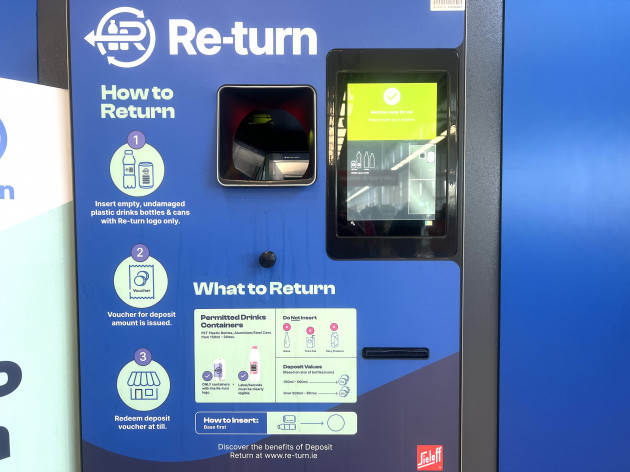
Nothing to do with me: Junior Minister responds to accusation of conflict of interest It has been described as disgraceful that a Fine Gael councillor is lobbying a Fine Gael minister on behalf of Re-turn.
thejournal · 2 days ago

Reforms Andrea Jenkyns storms out of meeting after discussion of Henry Nowak murder Exclusive: Greater Lincolnshire mayor walks out on cabinet minister after row over social media role in community tensionsAndrea Jenkyns walked out of a meeting with a cabinet minister and several other metropolitan mayors on Thursday after a heated discussion about the murder of Henry Nowak and the civil unrest that has followed.The Reform mayor of Greater Lincolnshire walked out of the meeting with the communities secretary, Steve Reed, and other regional leaders after a row over the role social media has played in exacerbating community tensions. Continue reading...
theguardian · 2 days ago
Belgian academics demand Israel boycott in open letter More than 4,500 students and scholars in Belgium have signed a letter urging universities to cut academic ties with Israel. The signatories include philosopher Slavoj Žižek and over 1,100 professors, citing alleged violations of ceasefire agreements.
yenisafak · 2 days ago
CSD in Aschaffenburg: Bürgermeister will keine Regenbogenflagge am Rathaus Der neue Aschaffenburger CSU-Oberbürgermeister will keine Pride-Flagge vor seiner Tür. Nach Kritik geht er einen Schritt auf die queere Community zu. mehr...
taz.de · 2 days ago
Magyar prosí Írsko o pomoc s konaním podľa článku 7. Budapešť chce čo najskôr ukončiť sankčný proces EÚ Maďarský premiér Péter Magyar žiada Írsko o pomoc pri ukončení konania podľa článku 7, ktoré Budapešti hrozí pozastavením hlasovacích práv v EÚ.
aktuality.sk · 2 days ago
Péter Magyar provokuje Slovákov. Pobúrený minister Blanár protestuje a Budapešti posiela odkaz Magyar ešte v apríli hovoril o posilnení česko-maďarských a poľsko-maďarských vzťahov, Slovensku sa vyhýba.
aktuality.sk · 2 days ago
Robert Fico označil výroky Pétera Magyara o susedení Maďarska so sebou samým za silácke reči Péter Magyar uviedol, že Maďarsko je jedinou krajinou na svete, ktorá susedí sama so sebou, čím narážal na maďarské menšiny v okolitých štátoch. Predseda vlády SR Robert Fico (Smer-SD) tieto slová rázne odmietol a označil ich za silácke reči, ktoré len zbytočne zvyšujú napätie namiesto uplatňovania zdravého rozumu a pragmatizmu.
aktuality.sk · 2 days ago
Boris Palmer, o autarca alemão que taxou descartáveis e desafiou a McDonalds Presidente da autarquia alemã de Tübingen transformou o lixo do take-away num teste político à ecologia, ao comércio e aos limites do poder local. Boris Palmer veio a Lisboa contar a experiência.
publico · 2 days ago
Narcotrafic : le déplacement du Premier ministre à la prison de Vendin-Le-Vieil reporté Sébastien Lecornu devait se rendre vendredi dans létablissement du Pas-de-Calais, pour annoncer des mesures visant à un «changement déchelle» dans la réponse de lEtat face à la criminalité organisée. Un «point de situation dans laffaire Lyhanna» a été décidé en urgence.
liberation · 2 days ago
Krise im ORF: Mehr Stoff, als in eine Sitcom passt Was sich beim Österreichischen Rundfunk abspielt, wirkt bisweilen wie eine Komödie. Tatsächlich aber steckt der ORF in einer ernsthaften Krise.
die zeit · 2 days ago

Instead of celebrating Pride this June, these states are celebrating Fidelity Month The designation drew outrage in Utah, where activists said it was a slap in the face for the LGBTQ+ community
independent · 2 days ago

I wouldnt flinch: Burnham on social care, markets, Brexit – and the prospect of a general election Exclusive: Greater Manchester mayor sets out his priorities before Makerfield byelection – and what might happen after the voteAndy Burnham has signalled he would begin transforming Englands broken social care system this year if he became prime minister, accusing Westminster of flinching away from tackling difficult policy problems.The Greater Manchester mayor said politicians must be willing to take on the weight of the system that stands in the way of radical change, as he began to set out his prospectus for government if he won the Makerfield byelection.Said Labour should be a broad church with more government ministers from the left of the party, but Jeremy Corbyn should not be allowed back in.Signalled there would be no snap election if he replaced Keir Starmer, but defended himself from criticism over a shadow leadership campaign.Defended his comments that politicians should not be in hock to the bond markets, and denied he was boxing himself in by sticking to Rachel Reevess fiscal rules.Argued it would be a mistake to rerun the Brexit referendum but that he wanted the UK to rejoin the EU in his lifetime.Praised Shabana Mahmood, the home secretary, for facing up to the big issues on immigration. Continue reading...
theguardian · 2 days ago

Why is Hasan Piker not conducive to the public good? Because on Gaza, we punish the witness, not the crime | Arwa Mahdawi The UK has banned Piker and Cenk Uygur from entry – but the objectionable things theyve said are not more dangerous than Israel itselfThis week, the British government banned Hasan Piker and Cenk Uygur, two leftwing US commentators with millions of followers, from entering the country on the grounds that their presence would not be conducive to the public good. It did not spell out what it meant by this very broad phrase, but Piker and Uygur have accused the government of denying them entry because of their prolific criticism of Israel. Some critics have accused the pair of antisemitism, which they deny.A lot has been written about the Piker-Uygur ban, and I dont think I need to litigate everything they have ever uttered here. They have undeniably said some objectionable things (Piker, for example, said some Orthodox Jews are inbred, which he later apologized for). What sort of speech crosses a line that makes you detrimental to the public good, is not clear, however. Conservative podcaster Ben Shapiro, for example, has said that Arabs like to bomb crap and live in open sewage. While he later apologized for this, he has repeatedly characterized Arabs as barbarians who value murder. The British government has never banned him from speaking in the UK. Continue reading...
theguardian · 2 days ago
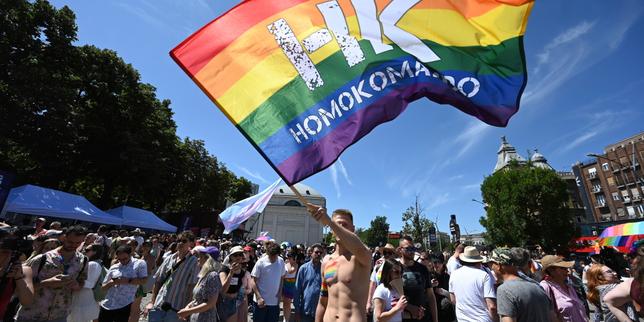
Hungary drops charges against organizers of banned Pride marches Budapests progressive mayor, Gergely Karacsony, was charged in January for organizing the citys 30th Pride parade despite an official ban ordered under the former prime minister, nationalist Viktor Orban.
le monde · 2 days ago
Turist străin, jefuit în Centrul Vechi din Bucureşti. Trei persoane ar fi furat bani, carduri şi 10.000 de euro din contul bancar Trei persoane sunt cercetate de procurori după ce au jefuit un cetăţean străin, la începutul lunii mai, în Centrul Vechi din Bucureşti. Cele trei persoane sunt acuzate că i-au furat turistului, aflat sub influenţa alcoolului, carduri, bani, un ceas şi au transferat din contul lui, folosindu-i aplicaţia de pe telefon, 10.000 de euro.
digi24 · 2 days ago
Fox News Antisemitism Exposed Newsletter: Piker unleashes on Israel after ban from UK
gdeltproject.org · 2 days ago
Korrupciós botrány: többen vádalkut köthettek, a parkfenntartás csak az egyik szál, közétkeztetős nagyvállalkozót is előállítottak Gy. Tamást, az egyik legnagyobb közétkeztető cég tulajdonosát is előállították az óbudai korrupciós ügyben – értesült a HVG. Úgy tudjuk, a rendkívül szerteágazó botránynak már legalább négy része van, több gyanúsított pedig megállapodást köthetett a hatóságokkal.
hvg.hu · 2 days ago
Can cities and states lead the shift to climate resilience? Can cities and states lead the shift to climate resilience? 24 June 2026 — 17:00 TO 18:00 BST Anonymous (not verified) 4 June 2026 Chatham House and Online Hear from mayors, governors and regional leaders driving climate action and resilience from the ground up. Hear from mayors, governors and regional leaders driving climate action and resilience from the ground up. Cities, local and regional governments are playing an increasingly decisive role in delivering practical solutions on climate action. Their proximity to communities, infrastructure systems and local economies enables faster, more targeted responses to flooding, heat, energy insecurity and economic disruption.But subnational leadership is not only about implementation. Local government and regions often control the policy levers, regulatory frameworks and long-term planning needed to scale resilience and accelerate the transition to clean energy systems. Together with cities, they are shaping new models of climate governance that are more connected to economic delivery, public services and regional development.This event will discuss:Why are cities, local government and regions delivering climate action more effectively than national governments?What powers and advantages do subnational governments hold?What barriers limit climate action in under-resourced jurisdictions, particularly in emerging economies?How are subnational leaders balancing immediate resilience needs with long-term transition goals?What does effective multilevel governance look like in an era of geopolitical fragmentation and fiscal pressure?
chatham house · 2 days ago
Demokrati odhalili fotky a tvrdia: raketový systém mieriaci z armády do Afriky nie je šrot. Kaliňák nesúhlasí Jaroslav Naď tvrdí, že štát sa za drobné zbavil funkčných strojov. Žiadajú ich zaistenie, kým sú na Slovensku. Kaliňák opakuje, že stroje sú nefunkčné a firma Robus ani len nepožiadala o vývoznú licenciu.
aktuality.sk · 2 days ago
Šiřitel dezinformací i strachu z migrantů. Na ministerstvo Motoristů nastoupil jejich další fanoušek František Kubásek provozuje alternativní web Incorrect, na němž šíří strach z migrantů a kritizuje Evropskou unii – a v poslední době také vyjadřuje podporu Motoristům sobě. Nyní získal práci na jimi vedeném ministerstvu životního prostředí.
denik n · 2 days ago
Frances ban on Israeli weapons at Eurosatory shameful, says economy minister Speaking to FRANCE 24, Nir Barkat, Israels economy minister called Frances decision to ban Israeli offensive weapons from the Eurosatory defence fair "shameful", warning that Israel would "bypass France" to reach its customers. He argued Israel had "no choice but to eliminate" Irans capabilities, and said he preferred "to be alive and deal with my image" rather than worry about Israels battered reputation abroad.
france24 · 2 days ago