 Thursday, May 21Thursday, May 21
OpenAI has achieved a significant breakthrough in AI reasoning by solving the 80-year-old *planar unit distance problem*, originally posed by mathematician Paul Erdős in 1946. This advancement demonstrates progress in AI’s ability to tackle complex mathematical challenges, reinforcing its potential for high-level problem-solving .
The AI inference boom is driving demand for innovative energy solutions and infrastructure. European AI infrastructure upstart Nebius has partnered with Bloom Energy in a $2.6 billion deal to deploy fuel-cell technology at its data centers, enabling faster and more efficient electricity generation to support AI workloads . Meanwhile, Antimatter, a French startup founded by tech entrepreneur David Gurlé, is addressing the inference boom with mini data centers housed in containers, offering cost-effective and scalable energy solutions for AI execution . Additionally, the world’s largest vanadium flow battery project has selected UK startup Invinity Energy Systems to meet the surging energy demands of AI-driven data centers .
European AI startups continue to attract substantial investment, with over €5.3 billion raised in 2025. Leading the funding surge are companies like Mistral AI, Helsing, Black Forest Labs, Synthesia, ElevenLabs, and n8n, reflecting strong investor confidence in the continent’s AI ecosystem . In the UK, Imperagen has secured £5 million in seed funding to advance AI-driven enzyme engineering, further highlighting the intersection of AI and biotech innovation .
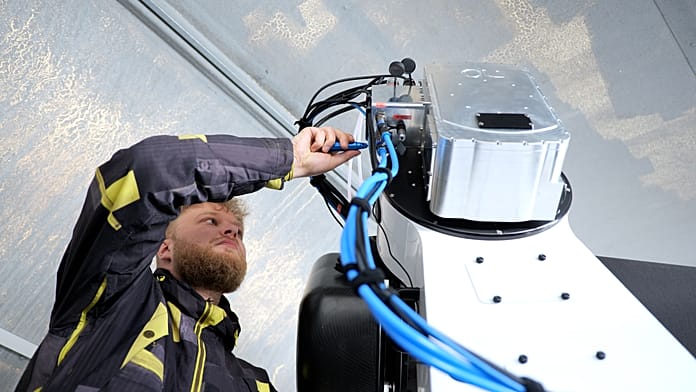
Greece opens laser ground station as Europe races to strengthen satellite links A new laser ground station has opened in northern Greece. Where else in Europe is this novel technology being used, and why does continent-wide connectivity matter?
euronews · about 3 hours ago

Single Gen Z Women Buy More Homes Than Men of the Same Age Single Gen Z women are buying homes at much higher rates than single men of the same age, despite rising housing costs and affordability pressures across the United States. New survey data from the National Association of Realtors found that single Gen Z women accounted for 35 of homebuyers in their generation between July 2024 […]
greek reporter · about 4 hours ago

OpenAI makes breakthrough on 80-year-old maths problem Company says work on Paul Erdős planar unit distance problem shows advance in AI reasoningOpenAI has claimed a further advance in AI reasoning after its technology successfully tackled an 80-year-old maths problem.The company behind ChatGPT said it had made a breakthrough with a challenge first posed by Hungarian mathematician Paul Erdős in 1946: the planar unit distance problem. Continue reading...
theguardian · about 5 hours ago
NextEra reported to be buying Caliber, setting up shale JV with Quantum NextEra Energy has reportedly agreed to buy Caliber Resource Partners for $1.3bn from private equity firm Quantum Capital Group and has also set up a joint venture with Quantum to manage its US shale assets.
intellinews · about 6 hours ago
Bloom Energy rises 12 after partnering with European AI infrastructure upstart in $2.6 billion deal Nebius said Wednesday that it would deploy Blooms fuel-cell technology to generate electricity faster and more quickly at its data centers.
cnbc · about 7 hours ago
Powering the AI inference boom: Is it time to downsize the data centre? In the world of artificial intelligence, the focus used to be on training AI models. Now, increasingly, its on inference – the actual execution of the tasks we ask these systems to perform. David Gurlé is a French tech entrepreneur whose startup Antimatter aims to service the inference boom with energy solutions, mini data centres that fit inside a container and appropriate software – for only a fraction of the cost and time.
france24 · about 7 hours ago
Swiss giant battery developer taps UK start-up to feed AI power boom Worlds largest vanadium flow battery project selects Invinity Energy Systems to meet data centre energy demands
financial times · about 7 hours ago

Airbnb expands beyond rentals with AI planning tools, airport pickups and World Cup experiences The holiday rental giant is expanding far beyond accommodation, adding car hires, luggage storage, boutique hotels, AI-powered planning tools and exclusive travel experiences.
euronews · about 10 hours ago
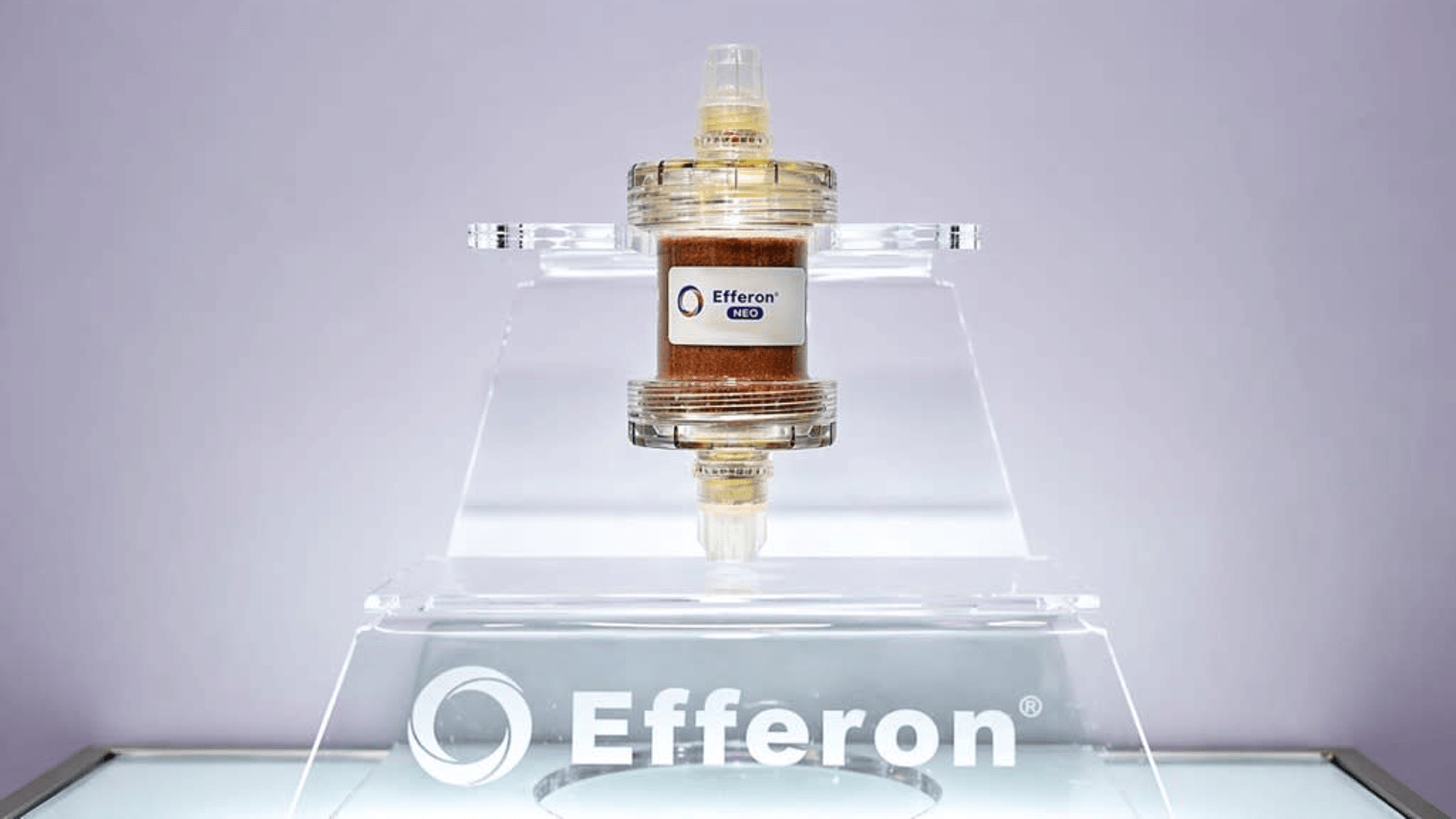
Efferon secures €2.5M to grow blood purification platform Biotechcompany Efferon has raised €2.5 million in a seed funding round led by privateinvestors from the DACH region to support the European commercial expansion ofEfferon LPS, its hemoadsorption devic...
tech.eu · about 11 hours ago

AI: 10 companies that raised the most in 2025 European AI companies raised over €5.3 billion during 2025, with capital heavily concentrated among a smallgroup of companies led by Mistral AI, Helsing, Black Forest Labs, Synthesia,ElevenLabs and n8...
tech.eu · about 12 hours ago
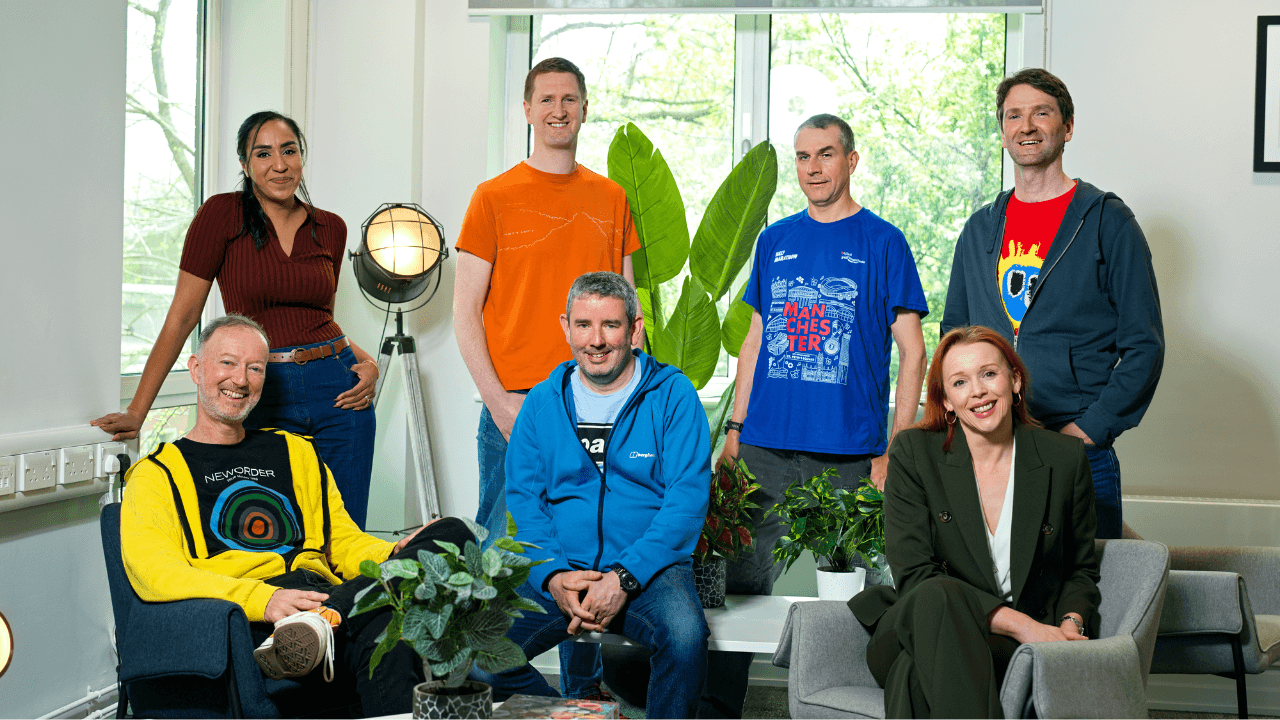
Imperagen raises £5M seed round to accelerate AI-driven enzyme engineering Manchester techbio Imperagen has closed a £5 million seed funding round led by PXN Ventures with participation from Imperagens existing investors IQ Capital and Northern Gritstone. Established in 202...
tech.eu · about 12 hours ago