 Monday, June 22Monday, June 22
Norway’s Data Protection Authority has raised serious concerns about the indefinite storage of blood samples from nearly 800,000 newborns, questioning whether parents were adequately informed about the practice. The samples, collected shortly after birth to screen for severe diseases, are retained indefinitely in biobanks across the country. Yet the Norwegian Data Protection Authority (Datatilsynet) now argues that the consent process may not meet legal standards, citing reports from parents who claim they were unaware their children’s blood would be stored permanently.
The controversy centers on a national newborn screening program that has operated for decades, with samples archived for potential future research. While health authorities defend the practice as essential for public health surveillance, Datatilsynet’s scrutiny signals a potential breach of privacy rights. “We are skeptical about whether parents are being properly informed about the indefinite storage of these samples,” a spokesperson for the authority told NRK on Monday . The agency has not yet issued a formal ruling but has requested clarification from health authorities on consent procedures.
Parents in Norway have long been told that blood samples are used for early detection of conditions such as phenylketonuria and congenital hypothyroidism. However, the expansion of biobanking for unspecified future research has raised ethical questions. Critics argue that the current system lacks transparency, leaving families unaware that their children’s biological data could be used indefinitely. Health officials maintain that the samples are anonymized before storage, reducing privacy risks, but Datatilsynet questions whether anonymization fully protects families’ rights.
The debate comes amid growing scrutiny of biobanking practices across Europe, where similar programs have faced legal challenges over consent and data use. Norway’s newborn screening program, established in the 1960s, has saved countless lives by enabling early intervention for treatable conditions. Yet the indefinite retention of samples now risks undermining public trust. Health authorities have until late July to respond to Datatilsynet’s concerns, with potential implications for how genetic data is managed in the country.
In a separate development, experts in Germany are weighing the reliability of IQ testing in young children, a topic that intersects with broader discussions about early childhood development and gifted education. Begabungsdiagnostiker Thomas Eckerle, a specialist in giftedness assessment, has emphasized that IQ tests administered in kindergarten can provide valuable insights but must be interpreted with caution. “Not all children who score highly at age four will maintain that trajectory,” Eckerle noted, highlighting the variability of cognitive development in early childhood . His remarks underscore the need for nuanced approaches to identifying giftedness, particularly as debates over early testing intensify.
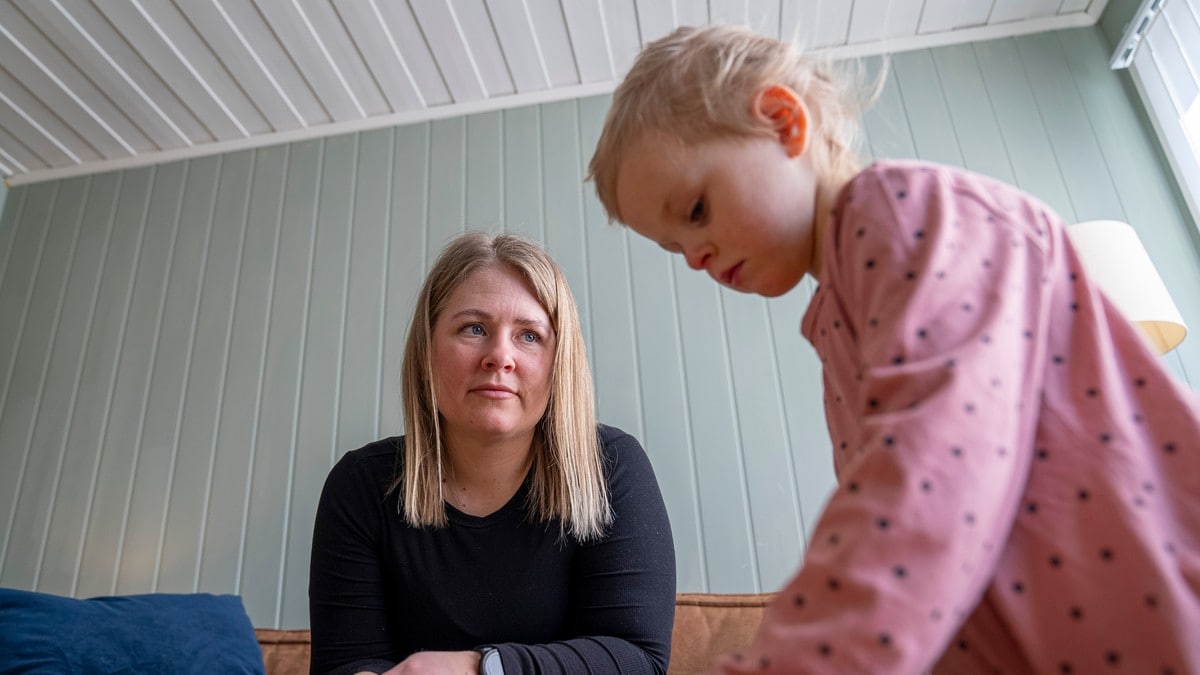
Lagrer 800.000 prøver av nyfødte evig: – Kan ikke huske å ha blitt informert Blodprøvene som tas av de nyfødte, er viktige for å avdekke alvorlige sykdommer tidlig. Men Datatilsynet er skeptiske til om foreldrene blir godt nok informert om lagringen.
nrk · about 2 hours ago

Alimentele procesate, care au conservanți, un pericol pentru sănătate. Riscurile la care se expun cei care le consumă Alimentele procesate care au conservanți pot veni la pachet cu boli cardiovasculare și hipertensiune. Substanțele care prelungesc termenul de valabilitate se găsesc în numeroase produse din comerț. Printre ele se numără și mezelurile, pâinea ambalată și produsele de patiserie.
digi24 · about 2 hours ago
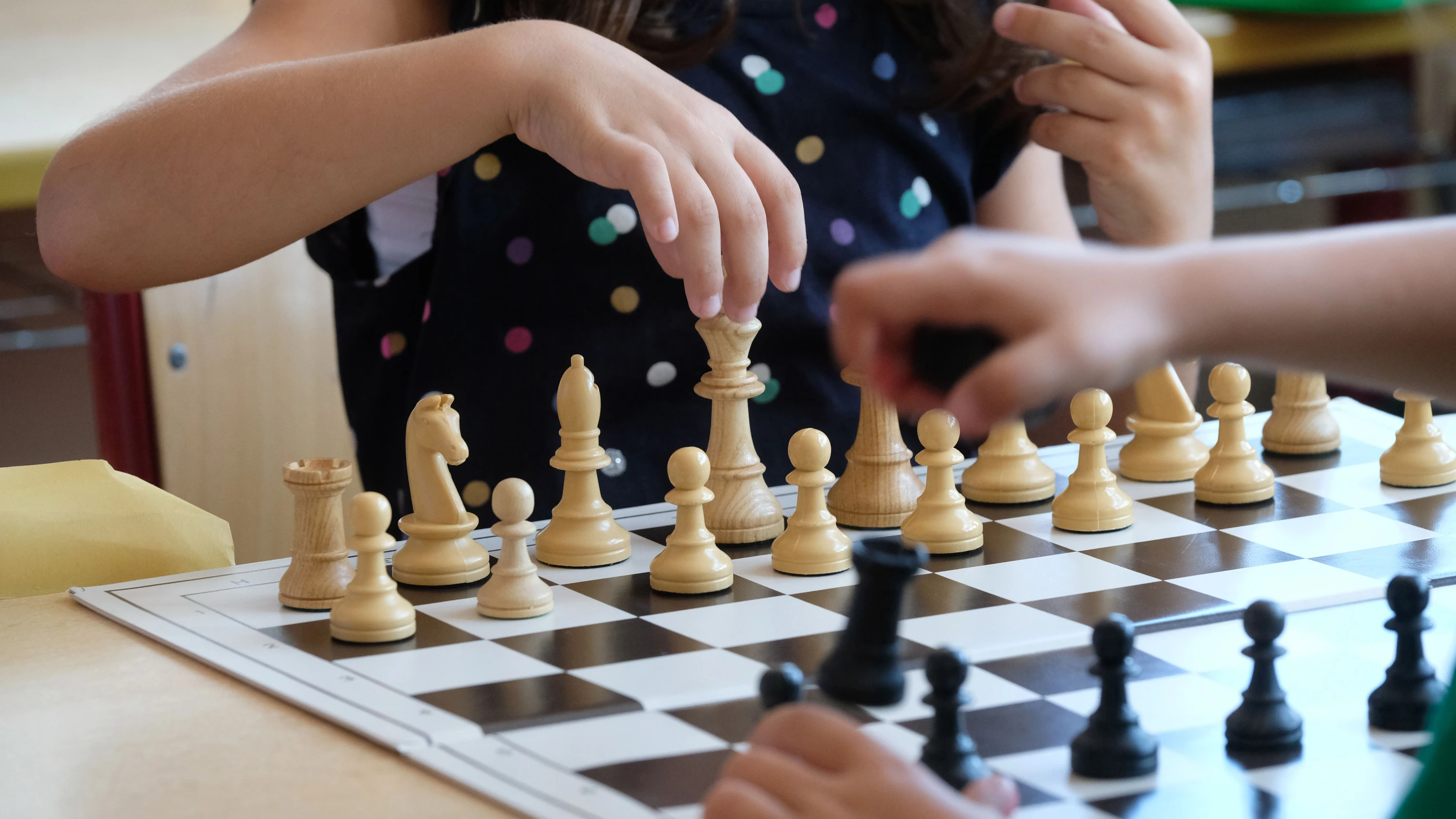
Hochbegabung: „Welche Kinder kommen zum IQ-Test zu Ihnen, Herr Eckerle? Sollte man schon im Kindergartenalter einen IQ-Test machen, wie funktioniert er, und wie verlässlich ist das Ergebnis? Begabungsdiagnostiker Thomas Eckerle schildert, woran er junge Hochbegabte erkennt.
faz · about 2 hours ago
Imkerei: Imker Ackermann: Der Mann, den alle fragen, wenn es summt Vom Tischler zum Bienen-Versteher: Wie ein Duft aus Kindertagen das Leben von Holger Ackermann veränderte – und warum heute ganz Brandenburg bei Bienenfragen bei ihm anklopft.
tagesspiegel · about 2 hours ago
»Family-Influencing «: Das Netz vergisst nichts. Und auch nicht unsere Kinder Family-Influencer leben von der Aufmerksamkeit für ihr Familienleben. Doch der Druck, immer neue Inhalte zu liefern, kann Kinder gefährden, warnen Experten.
die zeit · about 2 hours ago