 Sunday, June 7Sunday, June 7
Romania extends IVF funding program until 2030, offering up to €3,000 per couple as part of a broader pro-natality push. The government approved the extension on Friday, ensuring financial support for fertility treatments for another four years. Couples undergoing in vitro fertilisation (IVF) will receive up to 15,000 lei (€3,000) per procedure, covering up to three attempts, according to the Ministry of Health. The programme, first launched in 2023, targets families affected by infertility and aims to reverse Romania’s declining birth rate.
Eligibility is strict: only Romanian citizens aged 18 to 45 with a medical diagnosis of infertility qualify. The funding covers IVF cycles, embryo transfers, and related medications, but excludes additional services such as genetic testing. Health Minister Alexandru Rafila confirmed the extension in a statement to local media, emphasising the programme’s role in supporting “families who want children but face medical barriers.” The move aligns with broader demographic policies, including tax breaks for large families and subsidies for childcare.
The announcement comes as Romania grapples with one of Europe’s lowest fertility rates—1.6 births per woman in 2025—and a shrinking population. The government’s 2026-2030 pro-natality strategy, unveiled in March, earmarks €500 million for family support measures, including IVF subsidies. Critics, however, argue the funding is insufficient to address structural issues like rural depopulation and economic emigration. “This is a step in the right direction, but it won’t solve the crisis alone,” said demographer Vasile Ghețău. “We need housing policies, job stability, and better healthcare access outside cities.”
The IVF programme’s extension follows similar initiatives in other European countries, though Romania’s approach is among the most generous in terms of per-couple funding. Neighbouring Bulgaria offers €2,000 per cycle, while Hungary provides tax exemptions for families with three or more children. In Romania, the demand for IVF has surged by 20% since 2023, with over 12,000 procedures performed annually, according to the National Health Insurance House .
Health officials expect the extended programme to benefit an additional 5,000 couples by 2030. “Every child born through this programme is a victory for Romanian families,” said Social Affairs Minister Gabriela Firea. Yet demographic experts warn that without addressing underlying economic pressures, the policy may only delay, rather than reverse, the country’s population decline. The first disbursements under the extended scheme will begin in July, coinciding with the start of the new school year—a symbolic nod to the government’s focus on family growth.

Bald Realität in der Schweiz? – Organspende nach assistiertem Suizid – eine heikle Diskussion Ein Gutachten zeigt: Die Kombination ist rechtlich grundsätzlich möglich. Es stellen sich aber Fragen.
srf.ch · about 20 hours ago
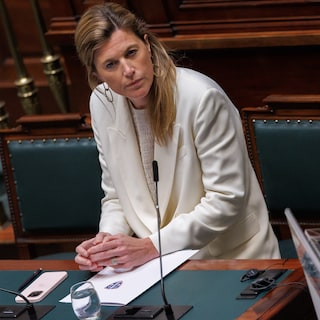
Live - Minister Verlinden (cd&v) wil abortustermijn verlengen tot 14 weken
de morgen · about 20 hours ago

„Zeit, Zeichen zu setzen – diese Großstadt führt im Organspenden-Ranking Hamburg ist bundesweiter Spitzenreiter bei Organspenden: 35 Spender pro Million Einwohner – damit liegt die Hansestadt weit über dem Bundesdurchschnitt. Die Sozialsenatorin ist für die Widerspruchslösung.
welt.de · about 20 hours ago
Programul pentru fertilizare in vitro continuă până în 2030. Cine poate primi sprijinul de 15.000 de lei Persoanele afectate de infertilitate vor putea beneficia de un sprijin financiar de până la 15.000 de lei pentru tratamente și proceduri de fertilizare in vitro, după ce Guvernul a aprobat un program dedicat susținerii natalității pentru perioada 2026-2030.
digi24 · about 20 hours ago
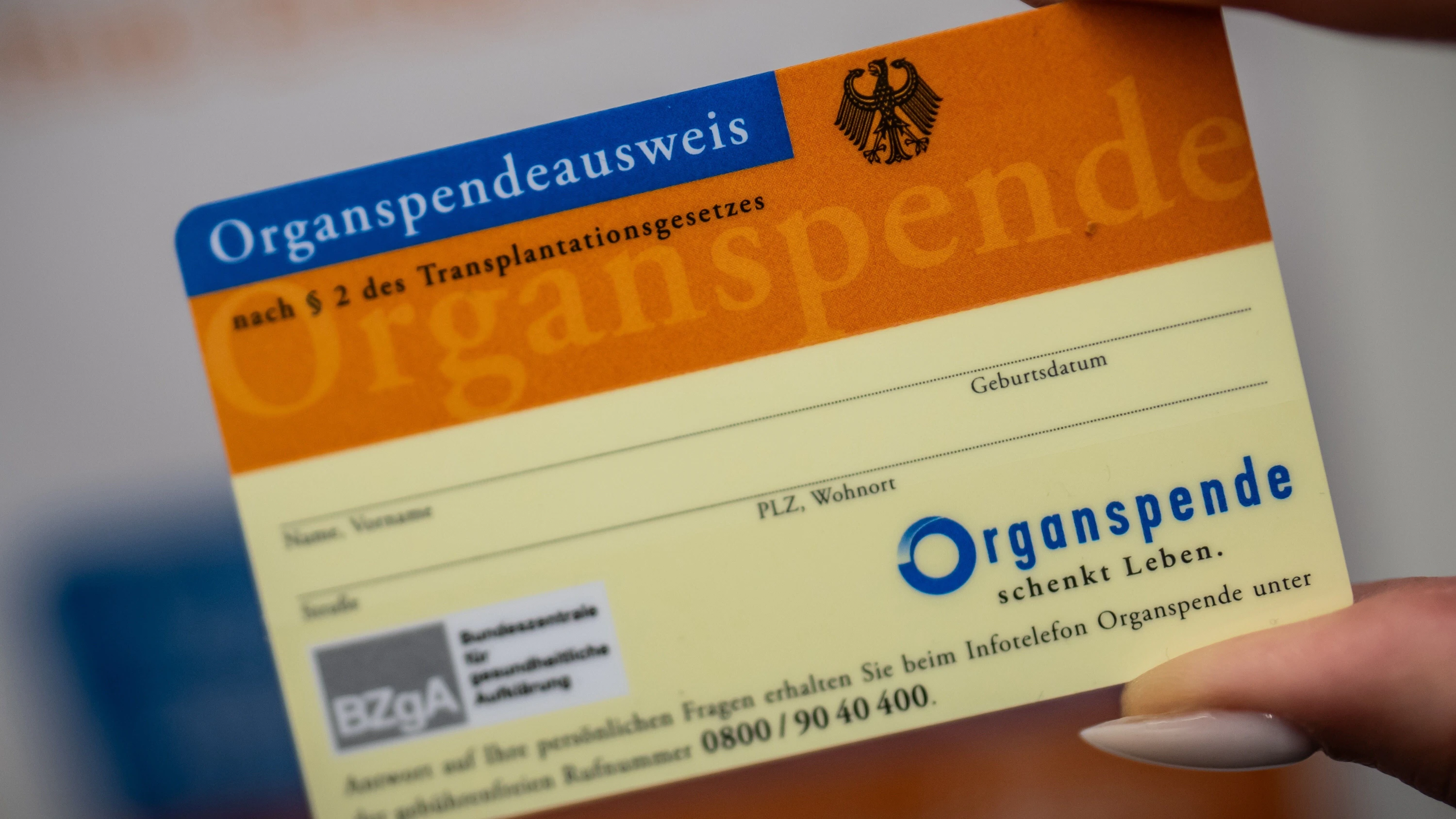
Rhein-Main-Liveblog: Mehr Organspender in Hessen Was ist los in Frankfurt & Hessen? Lesen Sie aktuelle News & Nachrichten im News-Ticker von heute ► Was heute wichtig ist, erfahren Sie bei der F.A.Z.
faz · about 20 hours ago
Wartelisten bleiben dennoch lang: Mehr Organspenden in der ersten Jahreshälfte Die Zahl der Organspender und auch die Zahl der gespendeten Organe sind in den ersten fünf Monaten dieses Jahres leicht angestiegen. Doch die Spenderorgane reichen bei Weitem nicht aus.
tagesspiegel · about 20 hours ago
Organspende: Mehr Menschen spenden Organe für Transplantation Die Zahl der Organspender und die der gespendeten Organe sind in den ersten fünf Monaten dieses Jahres leicht angestiegen. Doch das reicht nicht für alle Schwerkranken.
die zeit · about 20 hours ago