Loading…
 Saturday, September 26Saturday, September 26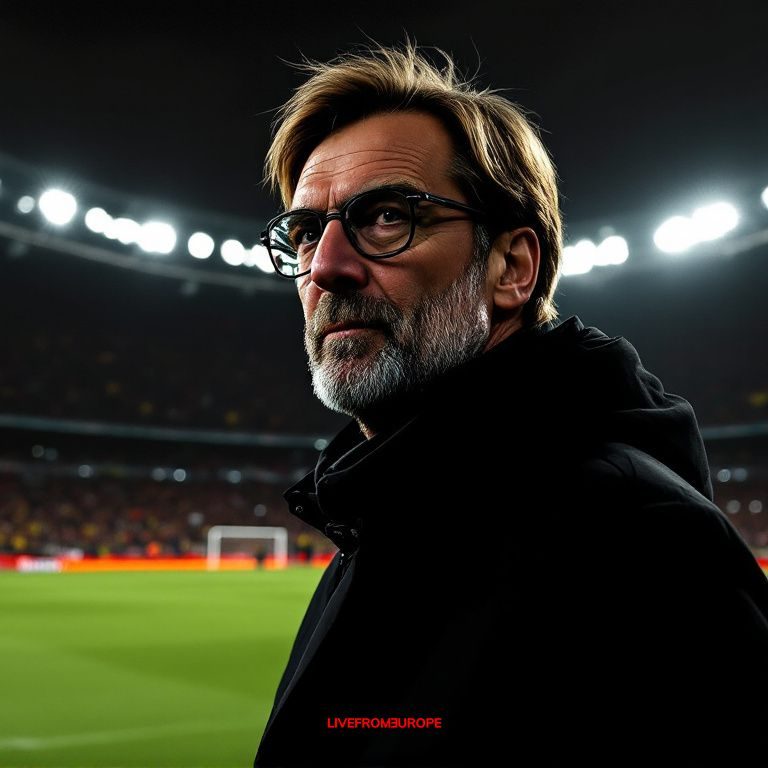
3 months · 2 summary articles
Jürgen Klopp agrees to become Germanys new national team coach
DFB to finalise Klopp appointment as Germany coach in New York talks
Jürgen Klopp has agreed to become Germany’s new national team coach, ending weeks of speculation and sealing a dramatic turnaround for the DFB after Julian Nagelsmann’s abrupt departure following the World Cup exit. The 59-year-old, who had previously ruled out a return to international management, confirmed his decision in a high-profile interview in New York on Saturday, just hours after the DFB publicly acknowledged Nagelsmann’s resignation. “I am more than recharged—I am ready,” Klopp told MagentaTV, standing on a Manhattan rooftop with the skyline behind him. “The German national team needs a clear direction, and I believe I can provide that.”
The announcement follows a flurry of behind-the-scenes activity. DFB president Bernd Neuendorf and vice-president Hans-Joachim Watzke are scheduled to travel to the U.S. within days to finalize contract details with Klopp, who currently serves as Head of Global Soccer at Red Bull. While no formal agreement has been signed, transfer expert Fabrizio Romano reported that Klopp has already given his verbal commitment, with the parties now working to resolve his exit from Red Bull—a process that could take weeks. “The Klopp package will be expensive for the DFB,” noted *Frankfurter Allgemeine Zeitung*, “but it must not become unaffordable, even with the Nike millions due from 2027 onward.”
Klopp’s appointment marks a radical departure from recent DFB tradition, where club success has often trumped coaching pedigree. As *taz* pointed out, past Bundestrainers like Sepp Herberger, Helmut Schön, and Franz Beckenbauer had minimal club coaching experience before leading Germany to glory. Klopp, by contrast, brings a track record of domestic and European triumphs—most notably his eight-year tenure at Liverpool, where he won the Premier League, Champions League, and FIFA Club World Cup. His arrival signals a potential shift in the DFB’s approach, with calls growing for structural reforms in youth development and senior team preparation.
The timing could not be more urgent. Germany’s World Cup campaign ended in humiliation on Monday, when Paraguay eliminated them on penalties in the Round of 16—a result that exposed deep flaws in squad depth and tactical cohesion. Klopp has already hinted at sweeping changes, including closer collaboration with the DFL’s newly formed expert commission, which he helped shape through initiatives like the U-21 league aimed at bridging the gap between junior and senior football. “We need fundamental changes,” he said, “and that starts with how we develop players.”
Yet challenges loom. Klopp’s Red Bull contract, which includes promotional roles tied to the 2026 World Cup in North America, complicates the transition. The company is reportedly considering replacements, with Oliver Glasner among those in the frame, though the Austrian manager is reportedly close to joining Nottingham Forest. Meanwhile, DFB officials must navigate the optics of paying a premium for Klopp while addressing long-standing criticisms of the federation’s bloated bureaucracy—particularly the overlapping roles of Sport Director Rudi Völler and Managing Director Sport Andreas Rettig.
For now, the focus is on Klopp’s vision. “He will bring a different energy, a different imprint,” wrote *Der Standard*, “one that could restore discipline and clarity to a team that has lost its way.” With the Nations League opener against the Netherlands just two months away, the clock is ticking. As Klopp himself put it: “The ball is round, and the DFB is now chasing it with renewed purpose.”
Follow us for live European news
1 further source not geolocated
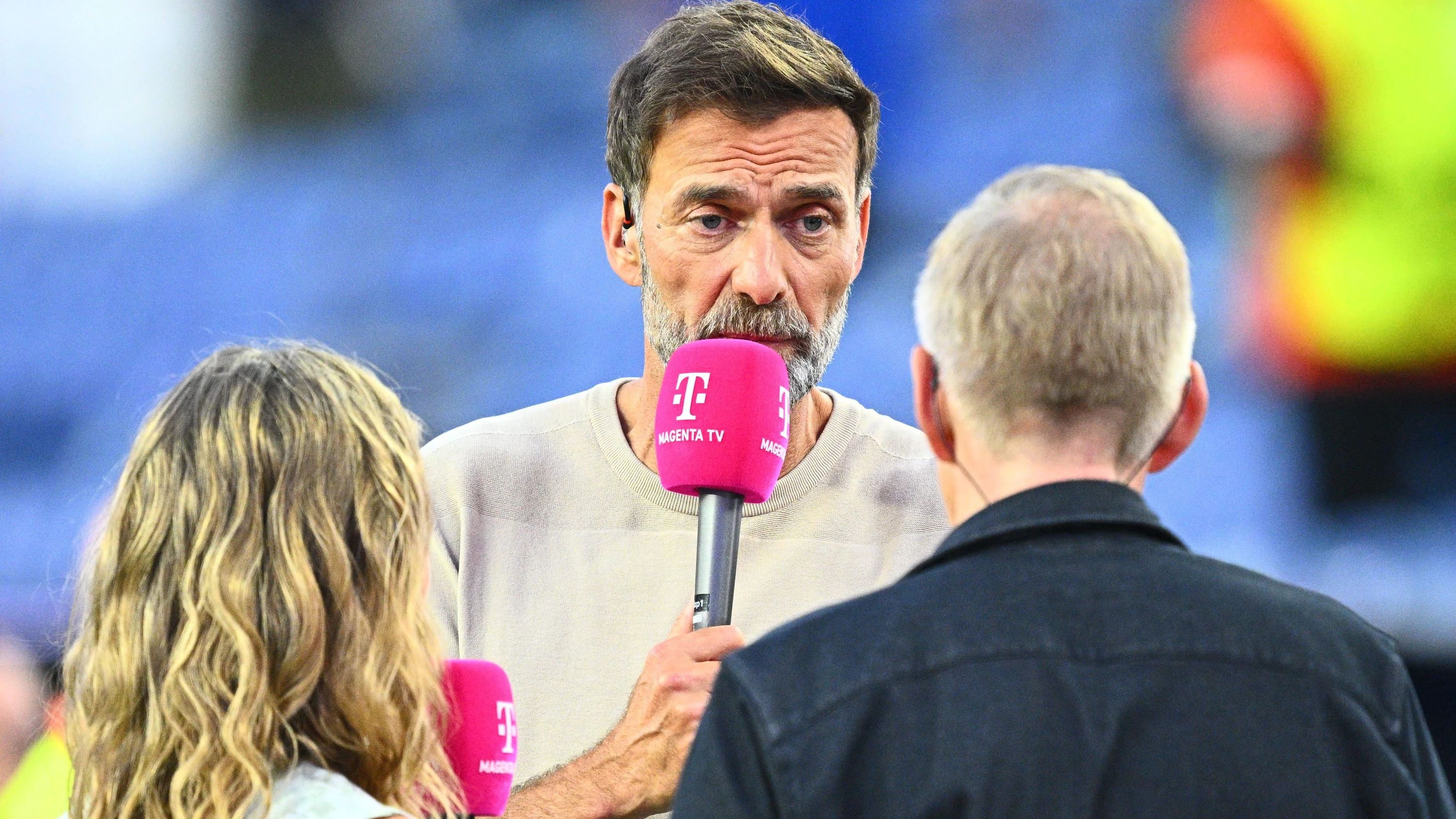
Grundlegende Änderung im DFB: Klopp vor der Krönung Mit Vollgas treibt DFB-Vizepräsident Watzke die Verpflichtung des deutschen Startrainers voran. Der würde zum mächtigsten Bundestrainer in der Geschichte des Verbandes.
faz · 3 months ago

Ιστορίες από το Μουντιάλ: Πρώτη φορά έγιναν πλειονότητα τα μαύρα διαμάντια, πώς οι εθνικές ομάδες της Ευρώπης άλλαξαν... χρώμα Μετανάστευση, scouting και ο κανονισμός Μποσμάν άλλαξαν τον χάρτη του ποδοσφαίρου - Γαλλία, Αγγλία, Ολλανδία, Βέλγιο, Γερμανία, ακόμη και Ελβετία εμφάνισαν περισσότερους μαύρους παίκτες από λευκούς
protothema · 3 months ago
Fußball-Nationalmannschaft: Ja, ich will: „Aufgetankter Klopp macht klare Ansagen Wie geht es weiter beim DFB nach dem WM-Flop und der Trennung von Nagelsmann? Topkandidat Klopp steht „bereit. Es gibt aber Hürden. Es geht um Einfluss, Verträge, Köpfe, Geld und „ein Kopfkino.
tagesspiegel · 3 months ago
Deutschlands Trainer: Der Nächste bitte! Die Verpflichtung von Jürgen Klopp als Nachfolger von Julian Nagelsmann folgt dem Prinzip des großen Namens. Funktioniert hat das beim DFB noch nie. mehr...
taz.de · 3 months ago
Jürgen Klopp igent mondott, ő lesz az új német szövetségi kapitány Két nappal Julian Nagelsmann lemondása után már meg is egyezhetett a Német Labdarúgó-szövetség és a Liverpool volt vezetőedzője.
hvg.hu · 3 months ago
So läuft der Klopp-Showdown in New York ab Der Kampf um Jürgen Klopp als neuen Bundestrainer gewinnt an Geschwindigkeit. Gleich zwei Gipfelgespräche sind in den nächsten Tagen geplant, um den gewünschten Kandidaten als Nachfolger von Julian Nagelsmann zu verpflichten.
welt.de · 3 months ago
Auch Tjark Ernst vor Absprung bei Hertha: Stefan Leitl ist weiter „im Konjunktiv unterwegs Die Spieler von Hertha BSC machen zum Aufgalopp eine gute Figur. Trainer Leitl muss dabei noch mit vielen Unbekannten arbeiten.
tagesspiegel · 3 months ago
Fußball-Bundesliga: Schalke startet vor 3.700 Fans in Bundesliga-Vorbereitung Der Ball rollt wieder auf Schalke. Vor Tausenden Fans startet die Mannschaft in die Vorbereitung auf die neue Saison in der Bundesliga - mit neuen Gesichtern, aber auch noch offenen Personalfragen.
tagesspiegel · 3 months ago
Newcastle sign Toure for £43m - what will he bring to club? Newcastle United reporter Ciaran Kelly looks at why the club have bought forward Bazoumana Toure from Hoffenheim for £43m.
bbc sport · 3 months ago
Deutschland sollte Fußball als strategische Chance nutzen: Es darf nicht bei der Talentsuche in Afrika bleiben Über die Förderung des populären Ballsports kann nachhaltige Entwicklung erreicht werden – und Einfluss genommen werden. Warum Deutschland eine Fußballstrategie für Afrika braucht.
tagesspiegel · 3 months ago
Fußball-Nationalmannschaft: Transfer-Experte Romano: Klopp sagt als Bundestrainer zu Eine Einigung zwischen Jürgen Klopp und dem Deutschen Fußball-Bund rückt näher. Aber wie nah ist sie? Der 59-Jährige soll dem DFB zugesagt haben, doch noch sind Details zu klären.
tagesspiegel · 3 months ago
Jalkapallo | Saksaan siirtynyt Otto Ruoppi teki heti maalin Otto Ruoppi debytoi uudessa seurassa.
helsingin sanomat · 3 months ago
Oficial: Jurgen Klopp preia naționala Germaniei Fotbalul german se pregătește pentru o schimbare majoră după parcursul dezamăgitor al naționalei la Cupa Mondială 2026.
adevarul · 3 months ago
2. Fußball-Bundesliga: Hertha aktiv im Konjunktiv: Haben noch ein paar Fragezeichen Die Spieler von Hertha BSC machen zum Aufgalopp eine gute Figur. Trainer Leitl muss dabei noch mit vielen Unbekannten arbeiten.
tagesspiegel · 3 months ago
Jürgen Klopp soll den deutschen Fußball retten Nach der WM-Enttäuschung dürfte der 59-Jährige der nächste DFB-Teamchef werden. In seiner Karriere hat er bereits mehrmals bewiesen, die Erfolgsspur zu finden
der standard · 3 months ago
Za trenérem Köstlem míří na Slovensko další krajan. Ze Sparty do Ružomberku přestoupil Hranoš Trenér Jaroslav Köstl má v Ružomberku dalšího českého fotbalistu. Z pražské Sparty přestoupil do slovenského klubu mládežnický reprezentant Vojtěch Hranoš a podepsal smlouvu na dva roky. MFK Ružomberok to uvedl na svém webu.
irozhlas.cz · 3 months ago
MM-seuranta | Lähde: Jürgen Klopp on Saksan uusi päävalmentaja HS seuraa miesten MM-jalkapalloa.
helsingin sanomat · 3 months ago
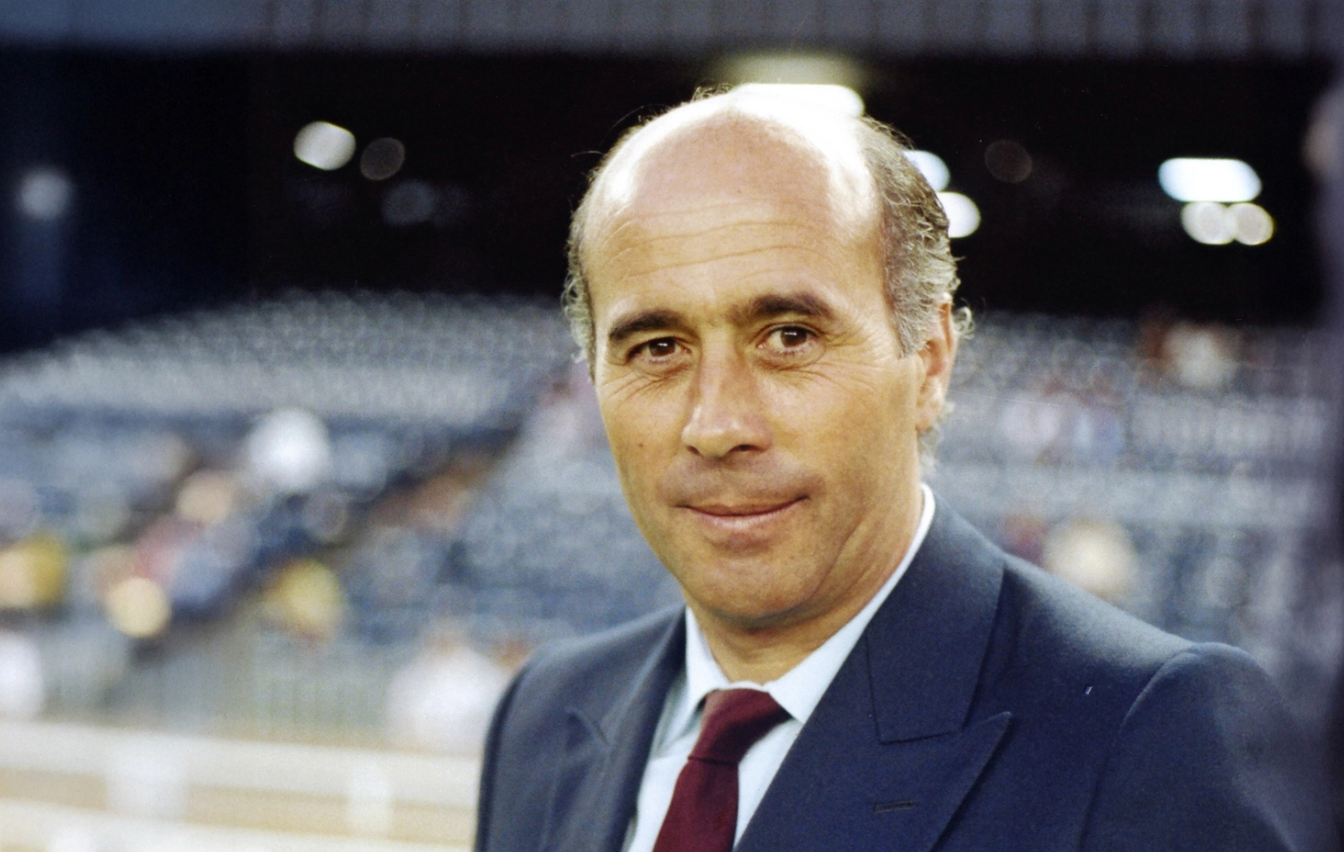
Muere José Manuel Díaz Novoa, histórico futbolista y entrenador del Sporting de Gijón Fue el técnico que más partidos ha dirigido en la historia del Sporting Leer
elmundo · 3 months ago

Klopp assume Alemanha, França critica "truques" do Paraguai Dia 25 do Mundial-2026 terá mais dois jogos dos oitavos do Mundial, com Brasil-Noruega (21h) e México-Inglaterra (1h). Antes, Portugal faz último treino antes do duelo com a Espanha. Siga em direto.
observador · 3 months ago