
Chinese billionaire Guo Wengui sentenced to maximum prison term for 1 billion fraud scheme
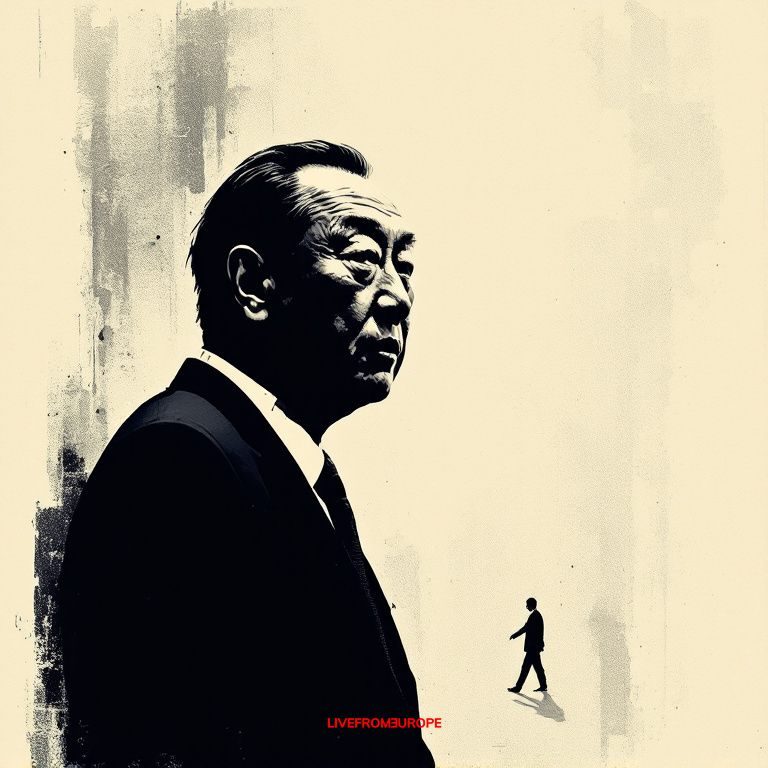
A New York court sentenced Chinese billionaire and government critic Guo Wengui to 30 years in prison on Tuesday for orchestrating a fraud scheme that swindled thousands of victims out of more than $1 billion. The landmark verdict, delivered by Judge Denny Chin in Manhattan federal court, marks the culmination of a years-long investigation into one of the most audacious financial crimes in recent U.S. history.
Prosecutors presented evidence that Guo preyed on individuals seeking to promote democracy in China, soliciting investments in ventures that he falsely claimed would fund opposition movements against Beijing. Instead, the funds were diverted to finance his lavish lifestyle, including luxury properties and private jets. The scheme collapsed in 2023 after federal authorities raided his New York properties and seized assets worth hundreds of millions. The 30-year sentence, the maximum allowed under U.S. sentencing guidelines, reflects the scale of the deception and the profound harm inflicted on victims across multiple continents.
Guo, 58, fled China in 2017 amid corruption allegations and reinvented himself in the U.S. as a vocal critic of the Chinese Communist Party. He cultivated a following among American political figures, including allies of former President Donald Trump, who had previously called for his pardon. The Trump administration now faces renewed pressure to either deport Guo or grant clemency, though legal experts note that such actions would require extraordinary justification given the severity of the conviction. A spokesperson for the U.S. Attorney’s Office for the Southern District of New York declined to comment on potential executive interventions.
The sentencing follows Guo’s conviction in May on charges of securities fraud, wire fraud, and money laundering. Federal investigators traced the origins of the scheme to 2014, when Guo began soliciting investments in a purported media platform aimed at exposing corruption in China. Victims, many of whom were Chinese expatriates, were promised returns of up to 30% annually. Instead, Guo used the funds to purchase a $67 million Manhattan penthouse and a $35 million estate in New Jersey, according to court filings. The total losses, estimated at $1.1 billion, make this one of the largest fraud cases in U.S. history involving a foreign national.
Legal analysts describe the case as a cautionary tale about the risks of unchecked financial ambition and the exploitation of political causes for personal gain. “Guo weaponized the hopes of people who genuinely wanted to challenge authoritarianism,” said Sarah Chen, a professor of financial crime at Columbia University. “His victims weren’t just investors; they were idealists who believed in his cause.” The case has also raised questions about due diligence in high-profile political alliances, particularly among figures who positioned Guo as a symbol of resistance against Beijing.
Guo’s legal team has indicated it will appeal the verdict, arguing that the prosecution was politically motivated. However, with the 30-year sentence now in place, the focus shifts to asset recovery and the potential extradition of associates still at large. Federal agents continue to pursue leads in Singapore, Canada, and the United Arab Emirates, where Guo maintained financial ties. The case underscores the global reach of financial crime and the enduring challenge of holding perpetrators accountable across borders.
Follow us for live European news
- 2
- 2
- 1
- 1
- 1
- 1
- 1
- 1
- 1
- 1
- 1
- 1
- 1
- 1
2 further sources not geolocated
Articles
IN USA VOR GERICHT: 30 Jahre Haft für chinesischen Immobilienmagnaten Guo 30 Jahre Haft für chinesischen Immobilienmagnaten Guo
faz · about 2 hours ago

30 jaar cel voor in New York verblijvende Chinees vanwege fraude De Chinese zakenman Guo Wengui is door een rechtbank in New York veroordeeld tot dertig jaar gevangenisstraf voor het oplichten van duizenden mensen voor meer dan 1 miljard dollar (ongeveer 876 miljoen euro). Hij leefde in zelfballingschap in de Verenigde Staten.
nu.nl · about 2 hours ago
30 jaar cel in New York voor Chinese ondernemer Guo Wengui, die duizenden slachtoffers voor meer dan 1 miljard dollar oplichtte
de morgen · about 2 hours ago

Guo Wengui, China Critic and Tycoon, Sentenced to 30 Years for Fraud After conviction in a U.S. court, the Trump administration faces calls to pardon or deport the Beijing gadfly who built a devoted following.
wsj · about 2 hours ago
Sentința primită de un regizor după ce a înșelat Netflix cu 11.000.000 de dolari Carl Rinsch a solicitat 11 milioane de dolari pentru un serial SF care nu a fost niciodată finalizat, dar a transferat banii într-un cont personal, au declarat procurorii, relatează The Gaurdian. Scenaristul și regizorul de la Hollywood, Carl Rinsch, a fost condamnat luni la doi ani și jumătate de închisoare, după ce a fost găsit …
hotnews.ro · about 3 hours ago
USA: 30 Jahre Haft für Immobilienmagnaten Guo
orf.at · about 3 hours ago
Minciuna perfectă de 65 de miliarde de dolari: Omul care a înșelat planeta timp de două decenii 29 iunie 2009. Într-o sală de judecată federală din Manhattan, domnește o tăcere deplină. Judecătorul Denny Chin se uită la bărbatul din fața lui și pronunță sentința: 150 de ani de închisoare. Bernard Madoff, în vârstă de 71 de ani, nu reacționează. Nu își plecă capul, nu încearcă să se justifice. Ascultă fără expresie ceea …
hotnews.ro · about 3 hours ago
Ísť za mreže, zaplatiť alebo prijať ponuku Ľuboša Blahu. Šéf komunistov tvrdí, že už neverí v právny štát Sme nevinní, tvrdí šéf komunistov na Slovensku po vynesení historického verdiktu súdu.
aktuality.sk · about 3 hours ago

Indonesia court to announce verdict in high-profile graft case against Gojek founder reut.rs/4vCVHxb
bluesky_Reuters · about 3 hours ago

TPG dealmaker Thickins convicted of negligent driving, refusing breath test in Sydney crash reut.rs/4gNAfRu
bluesky_Reuters · about 3 hours ago
,xPosition=.5,yPosition=.5;Resize=(1200,675)&impolicy=medium)
Filminstruktør idømmes fængselsstraf for millionsvindel mod Netflix
dr.dk · about 4 hours ago
Kinesisk miljardär döms till 30 år
svenska dagbladet · about 4 hours ago
Tallinna lastehaigla endine toitlustusjuht mõisteti suure rahalise kahju tekitamise eest tingimisi vangi Tallinna lastehaigla endine toitlustusjuht Gert Reisner mõisteti kokkuleppemenetluse korras kelmuses süüdi, sest fiktiivsete töölepingute sõlmimisega tekitati haiglale üle 60 tuhande euro varalist kahju.
postimees · about 4 hours ago
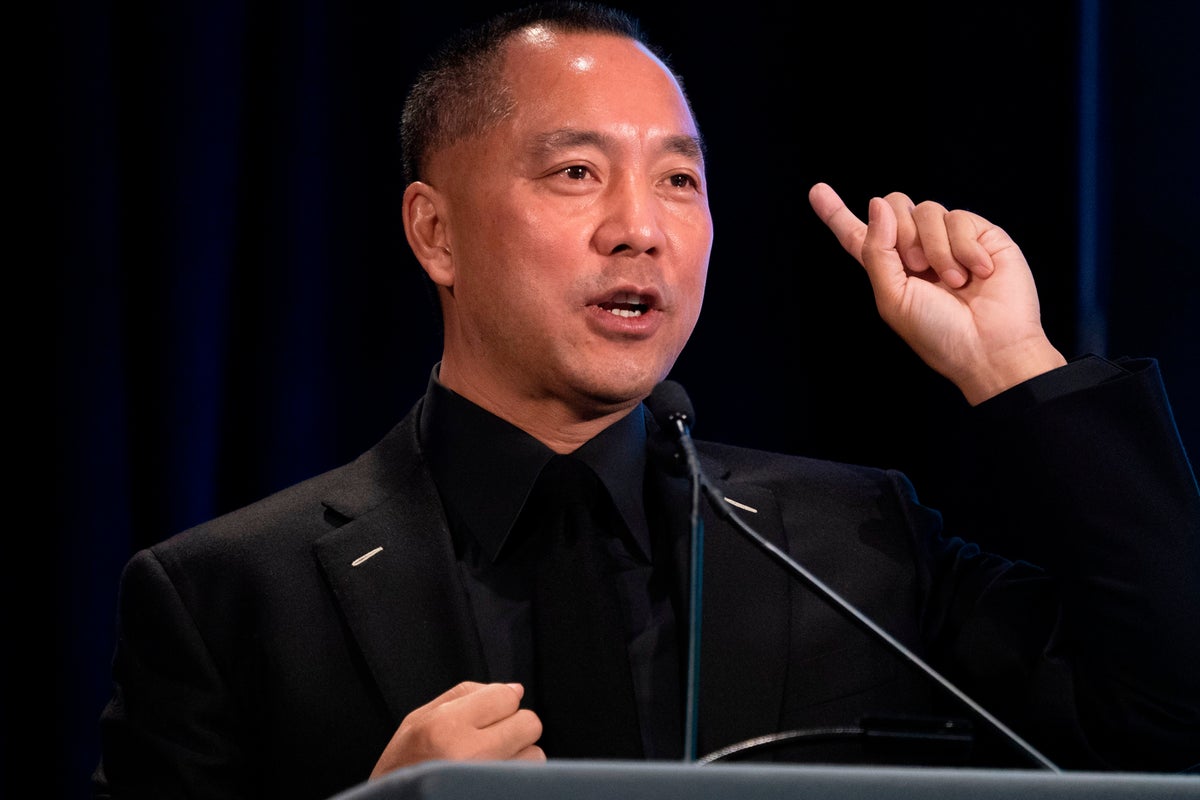
Chinese billionaire Guo Wengui sentenced to 30 years for fraud The judge said Guo preyed on those seeking to bring Democracy to China, taking their money so he could live lavishly
independent · about 4 hours ago
De la exil la escrocherie: căderea magnatului care promitea să răstoarne Beijingul Guo Wengui, considerat cândva unul dintre cei mai bogați oameni de afaceri din China, a fost condamnat la 30 de ani de închisoare în SUA pentru o escrocherie de miliarde de dolari, scrie BBC. Fostul magnat imobiliar a fugit din China în SUA în 2017, unde s-a reinventat ca un critic acerb al Partidului Comunist …
hotnews.ro · about 4 hours ago
Luigi Mangione gets stuck in an elevator as judge delays his federal trial until January Luigi Mangiones federal trial in the killing of UnitedHealthcare CEO Brian Thompson will now begin in January instead of the fall, a judge said Monday at a hearing…
japantoday · about 5 hours ago
The young Chinese choosing life in ghost cities Urban castaways are making homes in half-empty towers left over from the worlds biggest housing boom
financial times · about 5 hours ago

Chinese tycoon sentenced to 30 years in US jail
news.yahoo.com · about 5 hours ago

22h. Estado condenado a pagar 15 mil euros a José Sócrates O Tribunal Administrativo de Círculo de Lisboa concluiu que o ex-primeiro-ministro foi lesado no decorrer da investigação. Ainda, o Brasil venceu o Japão por 2-1.
observador · about 5 hours ago
A Chinese dissident recounts his perilous dinghy escape to South Korea and how he got to Canada Chinese dissident Dong Guangping has finally reached Canada after a perilous escape from China
abcnews · about 5 hours ago
«Schweizer Elon Musk» – Jaussi zu fünfeinhalb Jahren Haft verurteilt Der Gründer von «Swiss Space Systems» wurde wegen Veruntreuung, Betrugs, Urkundenfälschung und Brandstiftung belangt.
srf.ch · about 6 hours ago
Chinese exile Miles Guo given 30 years in prison for $550mn fraud Businessman had fled to the US claiming persecution and then allied himself with the Maga movement
financial times · about 6 hours ago
12 jaar cel geëist tegen directie van bedrijf in haven Vlissingen voor drugshandel Het OM heeft twaalf jaar cel geëist tegen drie directeuren van een overslagbedrijf in de haven van Vlissingen. De drie mannen staan voor de rechter omdat ze hun bedrijf als dekmantel voor de invoer van cocaïne zouden hebben gebruikt.
nu.nl · about 7 hours ago