 Thursday, May 28Thursday, May 28
Clashes erupt in Belgrade as anti-government protesters defy police during mass rally against Serbian President Aleksandar Vučić
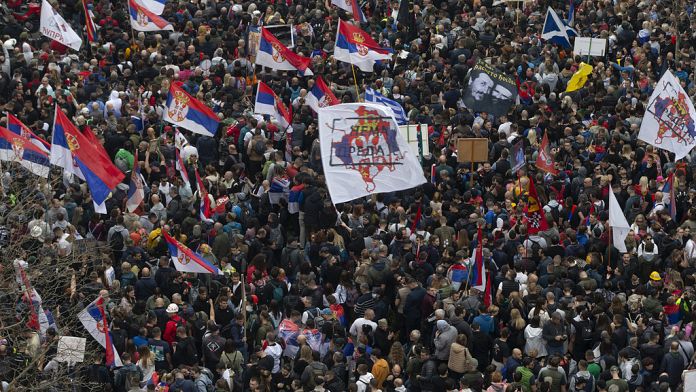
Thousands of anti-government demonstrators clashed with police in central Belgrade on Saturday after a massive protest against Serbian President Aleksandar Vučić turned violent, according to multiple reports. Riot police deployed tear gas and batons to disperse crowds near the National Assembly building, where protesters had gathered to demand Vučić’s resignation over allegations of authoritarianism and electoral fraud.
Witnesses described chaotic scenes as groups of demonstrators hurled stones and Molotov cocktails at security forces, who responded with water cannons and stun grenades. At least 47 people were injured, including 12 police officers, and 23 protesters were arrested, Serbia’s Interior Ministry said in a statement . The unrest followed a peaceful march that drew an estimated 50,000 people—one of the largest opposition rallies in Serbia in years—organized by the *Serbia Against Violence* coalition, a broad alliance of opposition parties and civil society groups.
Protesters accuse Vučić’s government of eroding democratic institutions, suppressing media freedom, and manipulating elections. The rally’s organizers cited recent reports by the Organization for Security and Co-operation in Europe (OSCE), which criticized Serbia’s April 2026 parliamentary elections for "uneven playing field" conditions favoring Vučić’s Serbian Progressive Party (SNS). "This is not a protest—it’s a revolution," said opposition leader Marinika Tepić, addressing the crowd before clashes erupted. "We will not stop until this regime falls" .
Vučić, who has led Serbia since 2014, dismissed the protests as a "foreign-backed coup attempt" in a televised address late Saturday. He accused opposition leaders of inciting violence and warned of "severe consequences" for those involved in the unrest. "Serbia will not be destabilized by hooligans paid by Brussels and Washington," Vučić said, without providing evidence for his claims. The government has also restricted access to social media platforms in parts of Belgrade, citing "national security concerns" .
The protests come amid growing international scrutiny of Vučić’s rule. The European Union, which Serbia has sought to join since 2012, has repeatedly urged Belgrade to implement judicial reforms and respect press freedoms. Last week, the European Parliament passed a resolution condemning "systematic intimidation" of journalists in Serbia, citing the unsolved 2018 murder of investigative reporter Milan Jovanović as a symbol of impunity. The U.S. State Department also expressed "deep concern" over the weekend’s violence, calling for "restraint from all sides" .
Opposition leaders have vowed to continue demonstrations, with another rally planned for next Saturday. "This is just the beginning," said Vladan Gligorijević, a protest organizer. "Vučić has two choices: resign or face the streets every weekend." Meanwhile, Serbia’s prosecutor’s office announced an investigation into "acts of vandalism" during the protests, raising fears of a crackdown on dissent. Human rights groups, including Amnesty International, have called for an independent inquiry into police use of force, warning that "excessive violence risks escalating an already volatile situation" .
The unrest in Belgrade reflects broader regional tensions, with pro-democracy movements gaining momentum in neighboring Hungary and Montenegro. Analysts suggest Vučić’s ability to maintain control may hinge on whether he can divide the opposition or secure concessions from the EU—neither of which appears imminent. For now, Serbia’s streets remain a battleground between a government clinging to power and a movement demanding change.

Pour fortifier le statut des autrices et auteurs, suivons Hugo ! par Julien Delmaire Lauteur des «Châtiments», défenseur du domaine public, en appelait également à la solidarité des vivants et des morts : il proposait de taxer les éditeurs des écrivaines et écrivains défunts pour abonder un fonds de soutien aux jeunes auteurs. Une source dinspiration pour les combats daujourdhui.
liberation · 4 days ago
FMI KAPA: uma conversa sobre periferia e os tempos que mudam, mesmo que as vontades pouco João Branco e Xullaji partiram do monólogo cadenciado, ritmado de José Mário Branco. O resultado é um espectáculo sobre as comunidades empurradas para as margens em tempos de desesperança.
publico · 4 days ago
Haos la Belgrad: protest masiv împotriva președintelui sârb Aleksandar Vucic. Ciocniri violente între manifestanți și forțele de ordine Ciocniri între grupuri de protestatari şi forţele de ordine au avut loc după o imensă manifestaţie antiguvernamentală organizată sâmbătă la Belgrad, capitala Serbiei, la care au participat oponenţi ai preşedintelui autocrat al ţării, Aleksandar Vucic, relatează CBS News.
digi24 · 4 days ago
Pesquisa une Brasil e Portugal e mostra desafios de mulheres na tecnologia Trabalho da carioca Renata Frade mapeou 247 comunidades de mulheres em tecnologia. Pesquisadora, que mora em Portugal há quase uma década, atua nos mercados acadêmico, corporativo e público.
publico · 4 days ago
Greek Tourists Who Unfurled Flag in Hagia Sophia Given Suspended Sentence Two Greek nationals who were arrested at Hagia Sophia after displaying a flag bearing a Byzantine symbol and a slogan in support of Orthodoxy were sentenced by a court in Istanbul to 10 months in prison, suspended for five years. The ruling was issued by a Turkish court regarding the incident that took place on […]
greek reporter · 4 days ago
Proteste violente în Serbia. Manifestanții s-au ciocnit cu poliția în mijlocul unui miting antiguvernamental de amploare la Belgrad Ciocniri între grupuri de protestatari şi forţele de ordine au avut loc după o imensă manifestaţie antiguvernamentală organizată sâmbătă la Belgrad, capitala Serbiei, la care au participat oponenţi ai preşedintelui autocrat al ţării, Aleksandar Vucic, relatează AP.
adevarul · 4 days ago
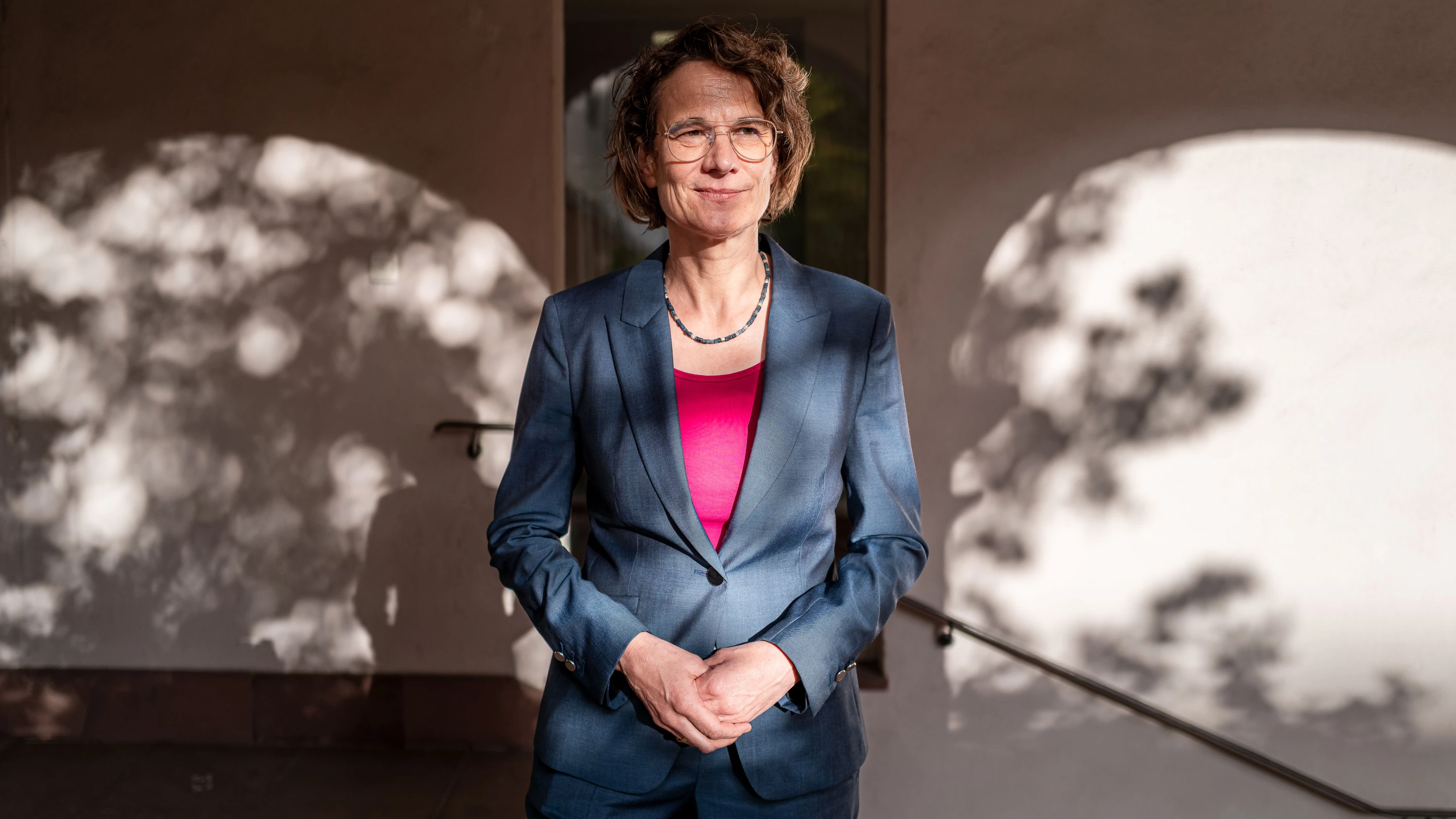
Glaube und Demokratie: Im Geist der Kraft, der Liebe und der Besonnenheit Die Zahl der Menschen, die AfD wählen, ist unter Gläubigen nicht kleiner als anderswo, sagt die Präsidentin der Evangelischen Kirche in Hessen und Nassau. Hier beschreibt sie, wie sie mit dem Erstarken des Extremismus umgeht.
faz · 4 days ago
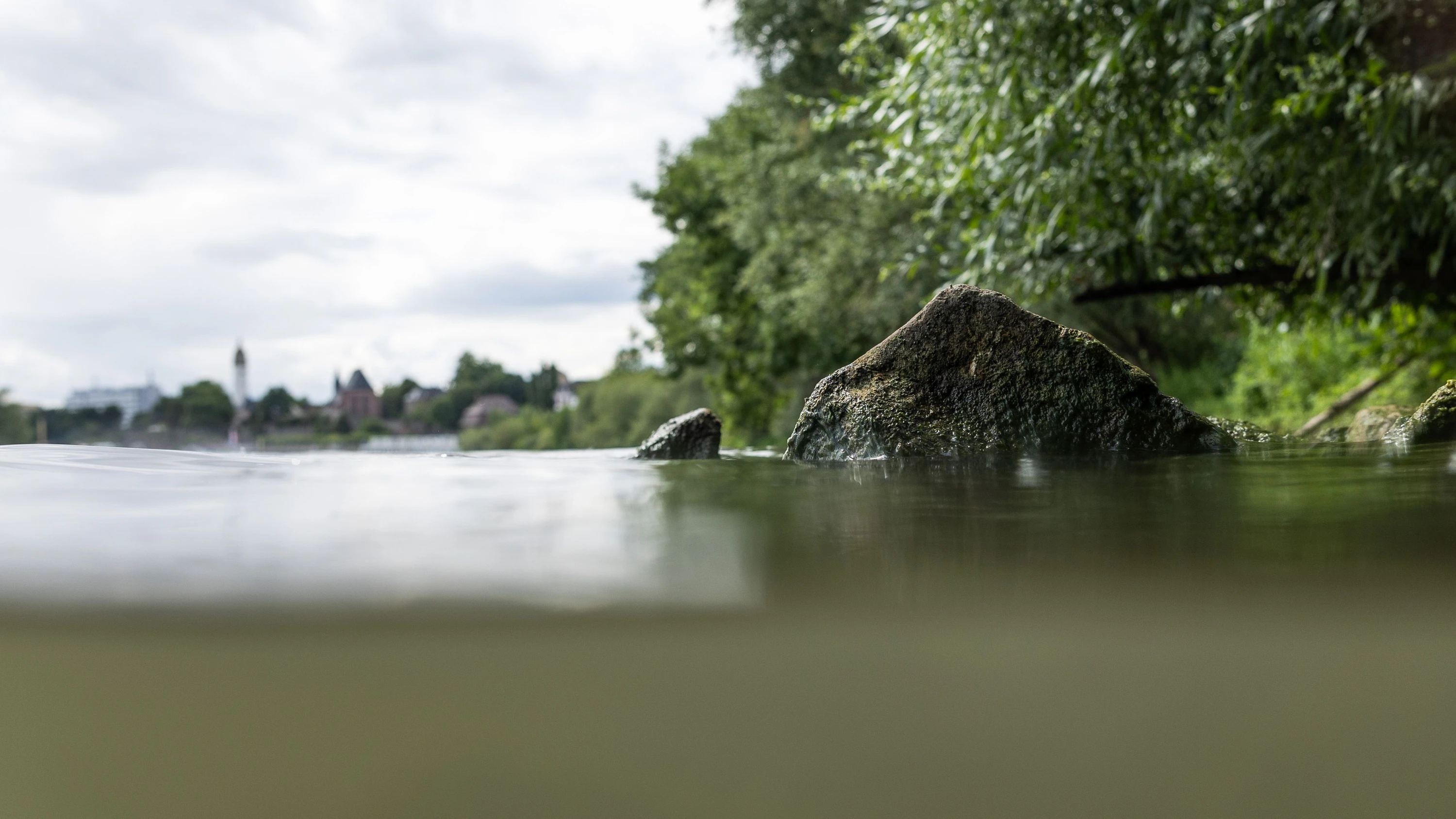
Kampagne „Identify Me: Wie das Mädchen aus dem Main seinen Namen zurückbekam Manchmal meldet sie nicht einmal jemand als vermisst. Die Kampagne „Identify Me von Interpol hilft dabei, die Schicksale von zunächst unbekannten Frauen aufzuklären, die Opfer von Gewaltverbrechen wurden.
faz · 4 days ago
Former Swiss banker faces CHF1 million tax evasion charge Pierin Vincenz, the former CEO of Swiss banking group Raiffeisen, must pay a fine of almost CHF1 million for tax evasion, according to the SonntagsZeitung newspaper. +Get the most important news from Switzerland in your inbox The Swiss Federal Court is reported to have handed down this sentence in a judgment that has been seen by the Tamedia newspaper group. The procedure was previously unknown because tax trials in Switzerland are not public. + Strip clubs and fraud: the trial of an unconventional Swiss banker Vincenz allegedly failed to declare CHF3.4 million in his tax return. In addition to the fine, he also faces backdated taxes, according to the SonntagsZeitung. Vincenz denied the allegations during the proceedings. The former Raiffeisen CEO was exposed after tax investigators from canton Appenzell Outer Rhodes read a Zurich criminal indictment and discovered suspicious payments. In 2022, Vincenz and other business partners were found guilty of fraud and embezzlement, but ...
swissinfo · 4 days ago
Gaza flotilla lawyer condemns Swiss inaction A lawyer representing Swiss members of the Gaza flotilla, arrested by Israel, has criticised foreign ministry inaction. This is despite warnings and testimonies of violence inflicted by Israel, the lawyer told Swiss public broadcaster RTS. +Get the most important news from Switzerland in your inbox Returning to Switzerland on Saturday afternoon, seven of the eight Swiss members of the recent Gaza flotilla were greeted by their families and supporters. They are doing reasonably well and are almost unharmed, at least physically. But they are still very shaken and psychologically exhausted. They are trembling; you can tell it was a harrowing experience, said their lawyer, Claire Dechamboux. The lawyer, who is also the legal coordinator of the activists support group, refused to go into detail about their health. We dont want to fully expose them to the trauma theyve suffered. The goal was to give them a warm welcome. However, I can tell you that there were some we couldnt hug ...
swissinfo · 4 days ago
UK judges decision not to jail boys for rape like a rock straight in my face, says victim, 16 Boys, aged 15, given youth rehabilitation orders for two separate attacks against two girls in Hampshire A judges decision not to jail two teenage boys who raped two girls has been described by one of the victims as a rock straight in my face.A trial at Southampton crown court heard the girls were raped in two separate attacks in Fordingbridge, Hampshire, the first attack on 26 November 2024 and the second on 17 January 2025. Continue reading...
theguardian · 4 days ago

Former prosecutor calls for EU statute blocking US sanctions on ICC members | International criminal court | The Guardian former prosecutor at the international criminal court has called for an EU-wide statute blocking what she describes as thuggish and bullying US sanctions imposed on members of the court that are designed to send the court into oblivion.YES!#ICC #EU #Europe #AmericanEmpire
mastodon bot · 4 days ago
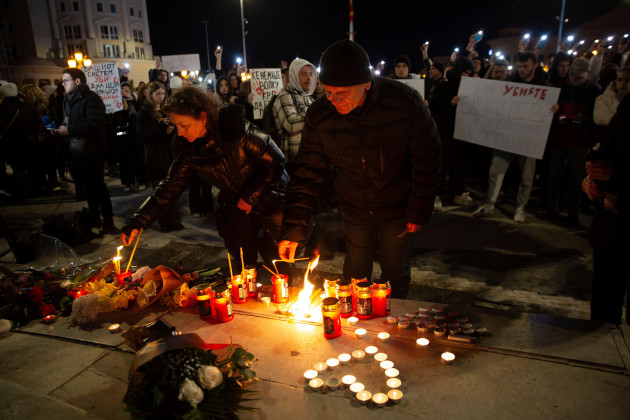
Thousands gather to remember victims of deadly club fire in North Macedonia The fire spread rapidly at Club Pulse, where more than 500 people were inside, leading to the deaths of 59 people.
thejournal · about 1 year ago
It seems like the last chance: Czechias Serbian community takes part in historic anti-corruption protests Firstly, what is the general context and background to these protests? Who is protesting, and what are their…
europesays.com · about 1 year ago

Kosovos Hashim Thaci Prevented from Attending Fathers Funeral Kosovos Justice Minister and Albanias Prime Minister slated the decision not to allow former Kosovo President Hashim Thaci to attend his fathers funeral on Tuesday as shameful.
balkaninsight · about 1 year ago
Government denies using sonic cannon at Serbia protests Serbian officials have denied allegations security forces deployed a military-grade Long Range Acoustic Device.
bbc · about 1 year ago
Literary Theorist Gayatri Chakravorty Spivak Named 2025 Holberg Prize Laureate Spivak is University Professor in the Humanities at Columbia University. She will receive the award of NOK 6,000,000…
europesays.com · about 1 year ago
Big teachers strike in Croatia to affect schools and unis nationwide by croatiaweek March 18, 2025 in News A nationwide teachers strike is set to take place across Croatia…
europesays.com · about 1 year ago

After the Fire: Anger, But Few Answers, in Grief-Stricken North Macedonia Town Kocani, in the east of North Macedonia, was in shock after a fire tore through a factory-turned-disco, killing 59 and injuring 155. Grief mixed with anger at how such a tragedy could happen.
balkaninsight · about 1 year ago
OSCE Chair Demands Respect For Constitution To End Bosnias Crisis The Chairperson-in-Office of the Organization for Security and Cooperation in Europe Elina Valtonen demanded respect for Bosnia-Herzegovinas constitutional framework during a visit to Sarajevo as a political crisis centering on the countrys Bosnian Serb entity, Republika Srpska, deepens.
radio free europe · about 1 year ago
Debate: How will the mass protests in Serbia pan out? More than 100,000 demonstrators marched against corruption under President Aleksandar Vučić in Belgrade on Saturday. Observers talk of this being the biggest popular rally since the fall of Slobodan Milošević 25 years ago. The months-long unrest was triggered by the fatal collapse of a roof at Novi Sad train station, which has been blamed on shoddy construction and cronyism. Europes press chimes in.
eurotopics.net · about 1 year ago

BIRN Fact-Check: Is 2023 Kosovo-Serbia Normalisation Deal a Dead Letter? On the second anniversary of an EU-brokered verbal deal to implement the normalisation of relations between Serbia and Kosovo, relations have arguably worsened, and nothing has been implemented on the ground.
balkaninsight · about 1 year ago
Over 100,000 people join protest rally in Belgrade against Serbias president and government At least 100,000 people descended on Belgrade on Saturday for a mass rally seen as a culmination of months-long protests against Serbias populist President Aleksandar Vucic and his…
japantoday · about 1 year ago
Large crowds converge in Belgrade for protest rally against Serbias president and government BELGRADE, Serbia (AP) — Tens of thousands of people descended on Belgrade on Saturday for a mass rally…
europesays.com · about 1 year ago
Tens of thousands rally in Serbias capital for anti-graft rally Tens of thousands of protesters converged in Serbias capital Belgrade on March 15 during the latest in a series of anti-corruption demonstrations to upend the Balkan country in recent months. Our correspondent Laurent Rouy tells us more.
france24 · about 1 year ago
Tens Of Thousands Fill Belgrade Streets In Latest Serbian Student-Led Protest Tens of thousands of people gathered in Belgrade for the latest in a wave of student-led demonstrations demanding that Serbian President Aleksandar Vucics government be held accountable for the deaths of 15 people in a canopy collapse at the railway station in the city of Novi Sad in November.
radio free europe · about 1 year ago
Tens of thousands of anti-government protesters converge in Belgrade Tens of thousands of protesters converged on Serbias capital Belgrade on Saturday for what could be the largest single rally since the start of an anti-corruption protest movement triggered by a deadly railway station roof collapse in the city of Novi Sad last November.
france24 · about 1 year ago
Tens of thousands protest in Belgrade against President Vucics government Tens of thousands of Serbians from across the country - most of them students - held a major anti-government rally in Belgrade on Saturday.
euronews · about 1 year ago
Thousands join antigovernment protest in Serbias capital, Belgrade Protests began after 15 people killed in Novembers Novi Sad railway station roof collapse.
aljazeera · about 1 year ago

Serbian Protesters Converge on Belgrade for Mass Rally Ten of thousands of protesters swarmed into Belgrade from all over the country for the latest in a series of huge anti-corruption rallies sparked by last years Novi Sad railway station disaster.
balkaninsight · about 1 year ago