 Wednesday, May 20Wednesday, May 20
NATO’s eastern flank, particularly the Baltic region, remains a focal point in the alliance’s efforts to counter Russia’s long-term threat. Recent analyses emphasize that Russia continues to pose a persistent security challenge to NATO members along its eastern border, necessitating sustained military preparedness and coordination .
At the Bucharest summit of the Bucharest Nine (B9) and Nordic allies, NATO Secretary General Jens Stoltenberg underscored the need for a "stronger Europe within a stronger NATO," highlighting enhanced defense cooperation among Eastern and Nordic members. The summit, held ahead of the July NATO gathering in Ankara, saw 14 member states pledge closer coordination to bolster regional security, particularly in response to Russia’s aggressive posture .
The alliance’s military posture in Eastern Europe is evolving, with countries like Poland actively negotiating with the U.S. to expand American troop deployments. This shift follows heightened concerns over Russia’s actions and reflects a broader trend of NATO members seeking to reinforce their defenses along the eastern flank . Social media discussions also suggest NATO is entering a new phase of conflict preparedness in Europe, with speculation about a potential larger confrontation with Russia .

Russian Shadow Fleet Suspicions Linger in Dropped Albania Smuggling Case Prosecutors dropped a probe into the alleged smuggling of Russian oil through an Albanian port in 2023, but behind the vessel in question lies a network of individuals and companies linked by Ukrainian intelligence agents to an alleged shadow fleet used by Russia to bypass sanctions and finance its war in Ukraine.
balkaninsight · 7 days ago
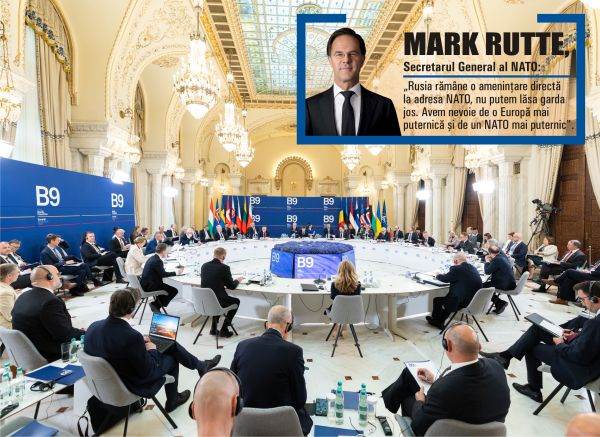
NATO Eastern Flank : Russia - long - term threat
gdelt bot · 7 days ago

NATOs Eastern Flank: Russia - long-term threat
gdeltproject.org · 7 days ago
NATO Secretary General at B9 and Nordic Allies Summit in Bucharest: We need a stronger Europe in a stronger NATO
gdeltproject.org · 7 days ago
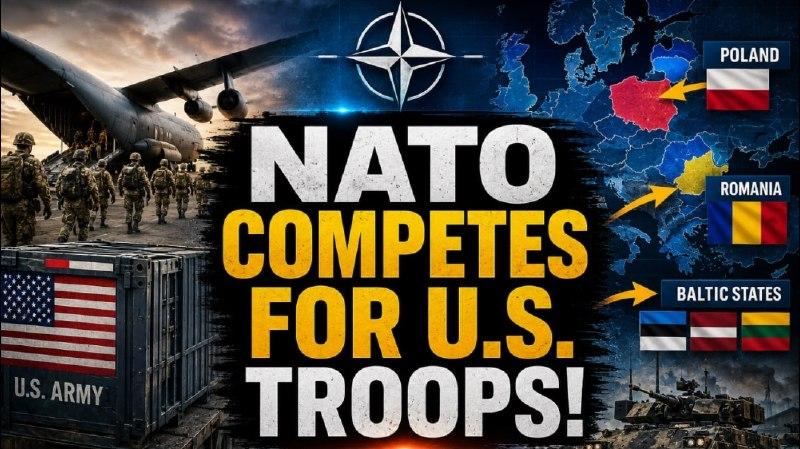
#NATO is entering a new phase of conflict within #Europe, with Eastern European countries vying to host #US troops following Trumps surprise decision. Is the alliances military map truly changing? And is a larger confrontation with #Russia looming?
mastodon bot · 7 days ago
Russias September election: United Russia will win but the sands are shifting under its feet Russia goes to the polls on September 18-20 for its first State Duma elections since the invasion of Ukraine. The lowed house of the Duma is up for grabs and the outcome is not in doubt: United Russia. But who comes second is a lot more unclear.
intellinews · 7 days ago
Russia places UK ex-Defence Minister Ben Wallace on wanted list Wallace last year recommended helping Ukraine carry out a strike on the bridge linking Russia to annexed Crimea.
aljazeera · 7 days ago
NATO Chief: Stronger Europe, Stronger NATO at B9 Summit
gdeltproject.org · 7 days ago
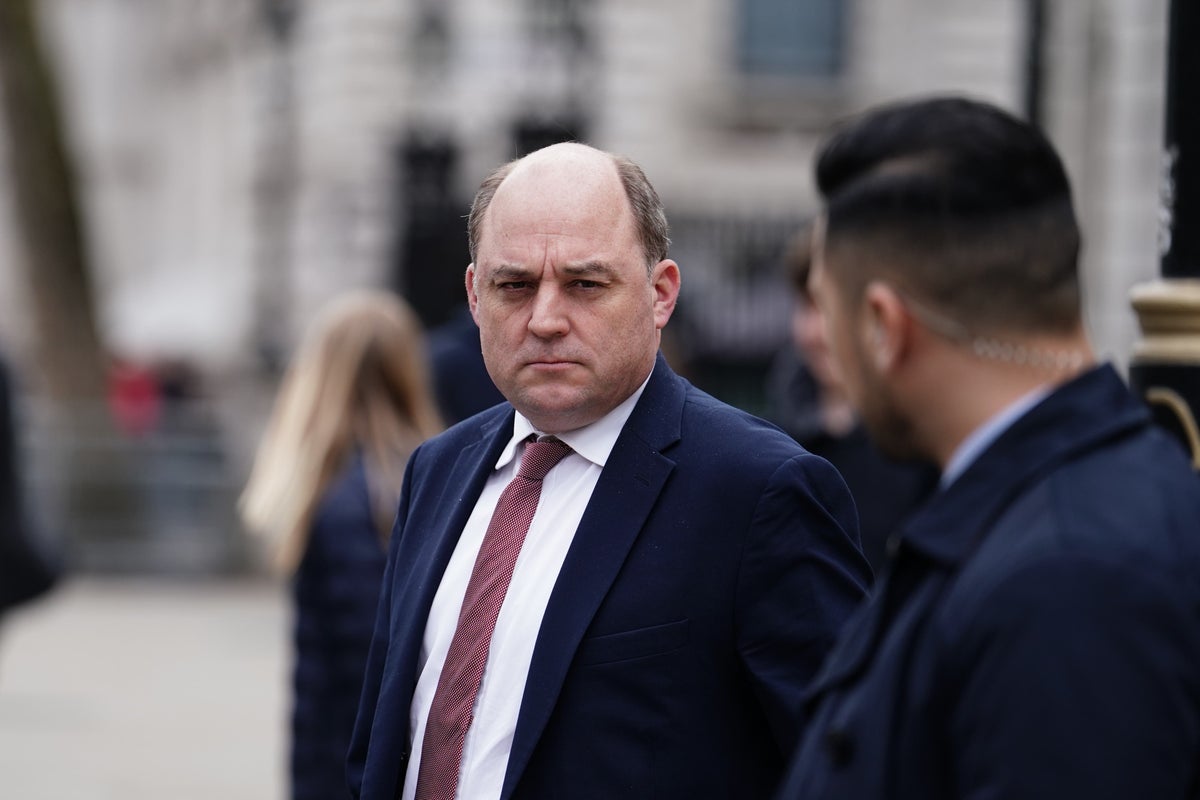
Former UK defence secretary Ben Wallace placed on Russias wanted list The state media reports did not give further details
independent · 7 days ago
Britains Former Defense Secretary Is Now a Wanted Man in Russia The warrant, which police have not confirmed, is reportedly connected to comments Ben Wallace made at the Warsaw Security Forum last year.
themoscowtimes · 7 days ago

NATOs Eastern, Nordic Allies Pledge Stronger Defence Cooperation Meeting in Romania ahead of the Julys NATO summit in Ankara, 14 member countries called for closer coordination on regional security along the alliances eastern flank to counter the continuing threat from Russia.
balkaninsight · 7 days ago
News from Poland:Warsaw in talks with Washington on expanding American troop presence Warsaw in talks with Washington on expanding American troop presence,Poland hosts Baltic Business Forum focused on Ukraines reconstruction,a new report reveals women are still a small minority on Polands technical degrees and what Poles think about cryptocurrencies
polskieradio · 7 days ago