
Tony Blair blasts Labour leadership, warns of UK's 'irrelevant island' risk
Tony Blair launches scathing attack on Labour leadership, warning the party risks turning Britain into an "irrelevant island."
Former UK Prime Minister Tony Blair has issued a 5,700-word critique of Keir Starmer’s Labour government, accusing it of "playing with fire" and jeopardising Britain’s global standing. In an essay published by his *Institute for Global Change*, Blair warns that Labour’s current policies risk relegating the UK to the "second tier of nations," echoing his earlier claim that the country could become an "irrelevant island" if it fails to adapt to modern challenges like AI and populism.
Blair’s intervention, timed just weeks before critical by-elections, calls for a return to his signature "radical centre" approach—rejecting progressive policies in favour of market-driven growth, welfare cuts, and closer alignment with Donald Trump’s US. He argues that Labour’s "infinite capacity for self-delusion" will cost it the next election unless it abandons what he describes as outdated left-wing ambitions.
Senior Labour figures have hit back. Shadow Health Secretary Wes Streeting accused Blair of wanting to "leave our future to the markets," while Greater Manchester Mayor Andy Burnham condemned the former PM’s failure to address inequality, calling his analysis "out of touch." Burnham, a potential future leadership contender, pledged to respond formally to Blair’s critique, signalling a growing rift within the party.
The *Guardian* editorial board dismissed Blair’s essay as "policymaking like it’s 1999," arguing that his 1990s playbook—centred on deregulation and centrist triangulation—ignores today’s economic and geopolitical realities. Critics on social media, including Green Party leader Zack Polanski, drew parallels between Blair’s positions and those of far-right figures like Nigel Farage, accusing him of serving "billionaire-class interests."
Blair’s broadside comes as Labour faces mounting pressure over its handling of welfare reform and climate policy, with internal divisions over whether to prioritise fiscal restraint or social investment. The former PM’s influence within the party has waned since his departure in 2007, but his interventions continue to shape debates—particularly among centrist factions wary of Starmer’s leftward drift.
With by-elections looming and Labour’s polling lead narrowing, Blair’s warning may yet galvanise or fracture the party’s base. His insistence on a "pro-business, pro-growth" agenda clashes directly with Starmer’s cautious, redistribution-focused platform, setting the stage for a defining ideological battle ahead of the next general election.
Articles

Criticado pela oposição e Passos, Montenegro diz-se corredor de endurance Primeiro-ministro defendeu-se das criticas da oposição à reforma laboral, argumentando que é uma evolução, e garantiu não ter conhecimento de nenhuma tentativa de ocultação do relatório do SIRESP.
publico · about 23 hours ago
#NewLeft leader criticizes Tsipras new party, cites - next #AR glasses are cheap, insanely bright, - Secretary Makes Bonkers Threat to Blue Cities - brand Aman is opening its first hotel in #Mexico - Commission chief eyes new #AI envoy, but the role - all news from Capitals in the World
mastodon bot · about 23 hours ago
Riskerar bli en irrelevant ö Tony Blair har med en kritisk essä ökat pressen på premiärminister Keir Starmer. Storbritannien riskerar att bli en irrelevant ö, enligt den förre Labourledaren.
svenska dagbladet · about 23 hours ago

The Guardian view on Tony Blairs advice for Labour: policymaking like its 1999 will not lead to a revival | Editorial A scathing essay by the former prime minister rehashes assumptions that underpinned his own rise to power. But the challenges are quite different nowA paradox lies at the heart of Sir Tony Blairs latest sermon to a Labour party that he seems actively to dislike these days. The 5,700-word intervention, published on the website of his Institute for Global Change, emphasises the sheer novelty of challenges such as the AI revolution and the rise of insurgent populism in western democracies. Yet the advice he offers is based on assumptions unchanged since he was bashing old Labour in the 1990s.In his essay, Sir Tony suggests that Labours infinite capacity for self-delusion is set to lose it the next election, irrespective of who is leading the party and the country by then. Only if it embodies a radical centre, he argues, can the government deliver the rises in growth and productivity that Britain desperately needs. This, it turns out, means rejecting more or less any policy that smacks of progressive ambition and intent. Continue reading...
theguardian · 1 day ago
Tony Blair atacă dur guvernul lui Keir Starmer și avertizează că Partidul Laburist „se joacă cu focul Tony Blair a lansat miercuri un atac devastator la adresa guvernului laburist condus de Keir Starmer, avertizând că propriul său partid „se joacă cu focul și riscă să retrogradeze Marea Britanie din „elita a națiunilor. Intervenția fostului premier vine cu doar câteva săptămâni înaintea unor alegeri parțiale-cheie care ar putea decide viitorul Partidului Laburist, scrie POLITICO.
digi24 · 1 day ago
David Dimbleby on Keir Starmer, Andy Burnham and the Rise of Nigel Farage
gdeltproject.org · 1 day ago

Streeting and Burnham accuse Blair of failing to confront inequality in Labour criticism Potential leadership candidates join senior figures in saying the former PMs essay does not address todays challengesUK politics live – latest updatesWes Streeting: Blair wants to leave our future to the marketsWes Streeting and Andy Burnham have criticised Tony Blairs striking weakness in failing to engage with inequality, as senior party figures hit back at the former prime ministers castigation of the Labour party.Blair published a lengthy critique of Labours time in office under Keir Starmer, and argued for the government to crack down on welfare spending, abandon restrictions on oil and gas production, and smooth relations with Donald Trump. Continue reading...
theguardian · 1 day ago
Blair does not understand role of inequality in politics, Burnham says Greater Manchester mayor hits out veiled attack from former prime minister
financial times · 1 day ago
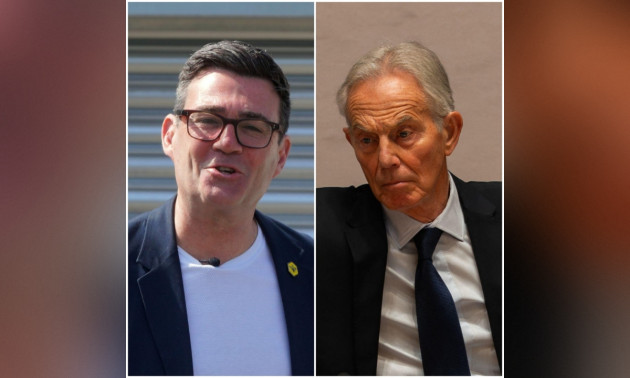
Blair pens 5,700-word critique of Labour failures as would-be leader Burnham pledges response Former prime minister Tony Blair said Labour is playing with the future of the country in the 5,700-word essay.
thejournal · 1 day ago

New Mandelson revelations cast doubt on claim vetting decision was borderline, Thornberry says – UK politics live It becomes quite clear why UKSV saw him as a subject of concern who shouldnt be granted clearance, Thornberry tells the GuardianZack Polanski, the Green party leader, posted this on social media about Tony Blairs latest intervention this morning.Tony Blair.What the billionaire class have paid for.Spot the difference between Tony Blair says and Nigel Farage says Continue reading...
theguardian · 1 day ago
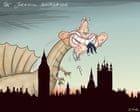
Nicola Jennings on Tony Blairs critique of Labour policy – cartoon Continue reading...
theguardian · 1 day ago
Britischer Ex-Premier Tony Blair übt brutale Kritik an der eigenen Partei Als "Spiel mit dem Feuer" bezeichnet der ehemalige Partei- und Regierungschef das Agieren der Sozialdemokraten an der Macht
der standard · 1 day ago