 Sunday, June 7Sunday, June 7
The United States imposed sweeping new sanctions on Friday targeting Cuban President Miguel Díaz-Canel, members of his family, and several former officials from the Castro era, escalating pressure on Havana amid rising tensions between Washington and Havana. The measures, announced by the US Treasury Department, freeze assets and block financial transactions for Díaz-Canel, his wife Lis Cuesta Peraza, and his stepson Manuel Anido Cuesta, as well as four other individuals and five entities, including Cuba’s Ministry of the Revolutionary Armed Forces and the Committee for the Defense of the Revolution .
Secretary of State Marco Rubio framed the sanctions as a response to alleged Cuban support for “Marxist and third-worldist movements” across the Americas, naming several government-linked organizations as targets. Among those sanctioned are Alejandro Castro, former intelligence chief and son of Raúl Castro, and a grandson of the late Fidel Castro, signaling a broader campaign against Cuba’s political leadership . The Treasury Department warned that any entity providing services to the listed individuals or organizations could itself face sanctions .
Cuban officials condemned the move as “perverse” and an attempt to destabilize the island. Díaz-Canel accused the US of “political blindness” and vowed to resist what he called an “imperialist onslaught,” while accusing Washington of seeking to provoke conflict . The sanctions follow President Donald Trump’s repeated threats of military action against Cuba and his characterization of the country as a “failed nation” that the US seeks to transform into a “nicely run country” .
The measures take effect immediately, freezing assets in US jurisdictions and barring listed individuals from entering the country. European companies operating in Cuba now face heightened risks, as US sanctions could expose them to asset freezes or exclusion from the American financial system . The sanctions also coincide with Trump’s broader regional strategy, which has included military strikes in the Caribbean and support for controversial political allies in Latin America .
Analysts suggest the timing reflects both domestic political pressure and Trump’s long-standing hostility toward Cuba’s communist government. The sanctions expand on an executive order signed earlier this year, intensifying a decades-long embargo that has crippled Cuba’s economy. With Díaz-Canel and key Castro allies now targeted, the move risks deepening the standoff between Washington and Havana, while increasing hardship for ordinary Cubans caught in the crossfire.

Outgoing president: Trumps Colombia allies are narcos Colombias outgoing president, Gustavo Petro, has criticized US President Donald Trump for supporting Colombian right-wing candidate Abelardo de la Espriella. In an AFP interview, Petro stated that the USs allies in Colombia come from a narco-paramilitary regime that commits genocide and traffics drugs. De la Espriella won the first round of the presidential election and […]
cphpost · 2 days ago
US imposes sanctions on Cubas president and others On Thursday, the USA imposed sanctions on Cubas president, Miguel Díaz-Canel, and several others. According to the US Treasury Department, the sanctions also apply to four other individuals and five companies or organizations, including Cubas Ministry of the Revolutionary Armed Forces. The presidents wife, Lis Cuesta Peraza, and stepson, Manuel Anido Cuesta, are also on […]
cphpost · 2 days ago
US sanctions Cuban President Miguel Díaz-Canel as Trump adds pressure to islands leadership Thursdays penalties, which follow Trump signing of an executive order expanding sanctions against the island, freeze individuals property and bank accounts in the US.
euronews · 2 days ago
Kubas Präsident verurteilt US-Sanktionen Laut US-Finanzministerium wurde Kubas Präsident Miguel Díaz-Canel Sanktionsliste gesetzt
der standard · 2 days ago
Kuba: USA verhängen Sanktionen gegen kubanischen Präsidenten Kubas Präsident Miguel Díaz-Canel, seine Familie sowie Ex-Präsident Raúl Castro werden von den USA sanktioniert. Díaz-Canel bezeichnet die Sanktionen als »Perversion«.
die zeit · 2 days ago
Trumps Still Busy in the Western Hemisphere, From Cuba to Ecuador
gdeltproject.org · 2 days ago
Inside the CBS mutiny against Bari Weiss and David Ellison A saga that started with Donald Trumps assault on 60 Minutes has turned into a full-blown crisis
financial times · 2 days ago
President Trump said that Cuba is a "failed nation" and said the U.S. wants it to be a "nicely run country" after he was asked whether Washingtons sanctions on Havana was meant to accelerate its collapse.
bluesky bot · 2 days ago
Der US-Überblick am Morgen : USA bauen neue Kohlekraftwerke, Sanktionen gegen Kubas Präsidenten Die US-Regierung kündigt Investitionen in die Kohleindustrie an. Im Repräsentantenhaus scheitert ein Antrag für ein Aus des umstrittenen Entschädigungsfonds. Die Nacht
die zeit · 2 days ago
🇺🇸🇬🇹 — SOUTHCOM Commander General Francis L. Donovan has completed a two-day visit to Guatemala, where he met with Guatemalas President Bernardo Arévalo, Guatemalas top defense officials, and the Minister of Interior & Minister of Foreign Affairs. General Donovans primary focus was expanding partnership with Guatemala to confront drug cartels. SOUTHCOM has also recognized Guatemalas "leading role" in confronting regional organized crime. Consistent with President Trumps America First Policy, and at the direction of the U.S. Department of War, U.S. Southern Command is strengthening cooperation with committed partners across Central America, South America, and the Caribbean to detect, disrupt, and dismantle the violent cartels and U.S.-designated terrorist organizations threatening our citizens, our economies, and our shared security. @GeoPWatch
telegram bot · 2 days ago
European companies flee Cuba as US sanctions go into effect As of Friday, EU-based businesses operating on the island risk having their assets frozen or getting locked out of the US financial system.
politico.eu · 2 days ago
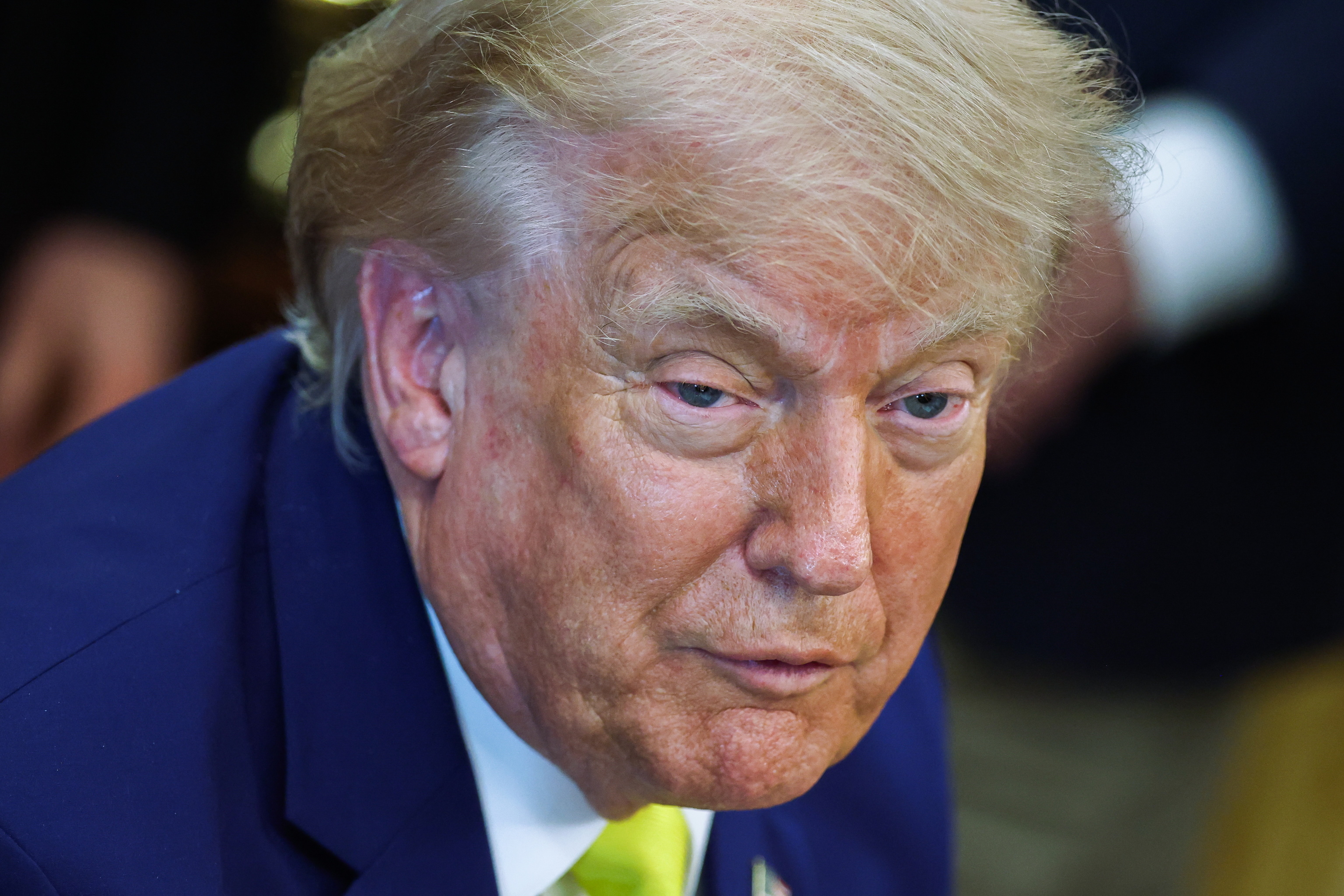
Washington aprieta la tuerca de la presión: sanciones para Díaz-Canel y Alejandro Castro, jefe de la inteligencia cubana Además de impedir que viajen a la nación estadounidense, Washington incluye en sus sanciones el bloqueo de activos y la prohibición de realizar transacciones con ciudadanos, empresas o entidades de ese país Leer
elmundo · 2 days ago
USA verhängen Sanktionen gegen Kubas Präsidenten
orf.at · 2 days ago
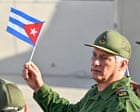
US imposes new sanctions on Cuban president and Castro family members US secretary of state Marco Rubio says anyone providing services to listed entities is at risk of sanctions themselvesThe United States has announced fresh economic sanctions on Cubas president and some of his immediate family, alongside members of the Castro family, in Washingtons latest ramping up of pressure on its communist-led neighbour.Among those targeted were the son and a grandson of former president Raúl Castro, who no longer holds an official position but remains a key figure on decisions about the future of the island. Continue reading...
theguardian · 2 days ago

US imposes sanctions on Cuban president, Treasury website shows reut.rs/4ocrnqv
bluesky bot · 2 days ago
USA inför sanktioner mot Kubas president USA inför nya ekonomiska sanktioner mot Kubas president Miguel Díaz-Canel och flera av hans närstående.
svenska dagbladet · 2 days ago
Maduro taps P Diddys acquittal lawyer as Venezuela drug trial looms Ousted Venezuelan strongman Nicolás Maduro has recruited a lawyer from Sean "Diddy" Combs defence team as he fights US drug charges from a Brooklyn jail cell.
intellinews · 2 days ago
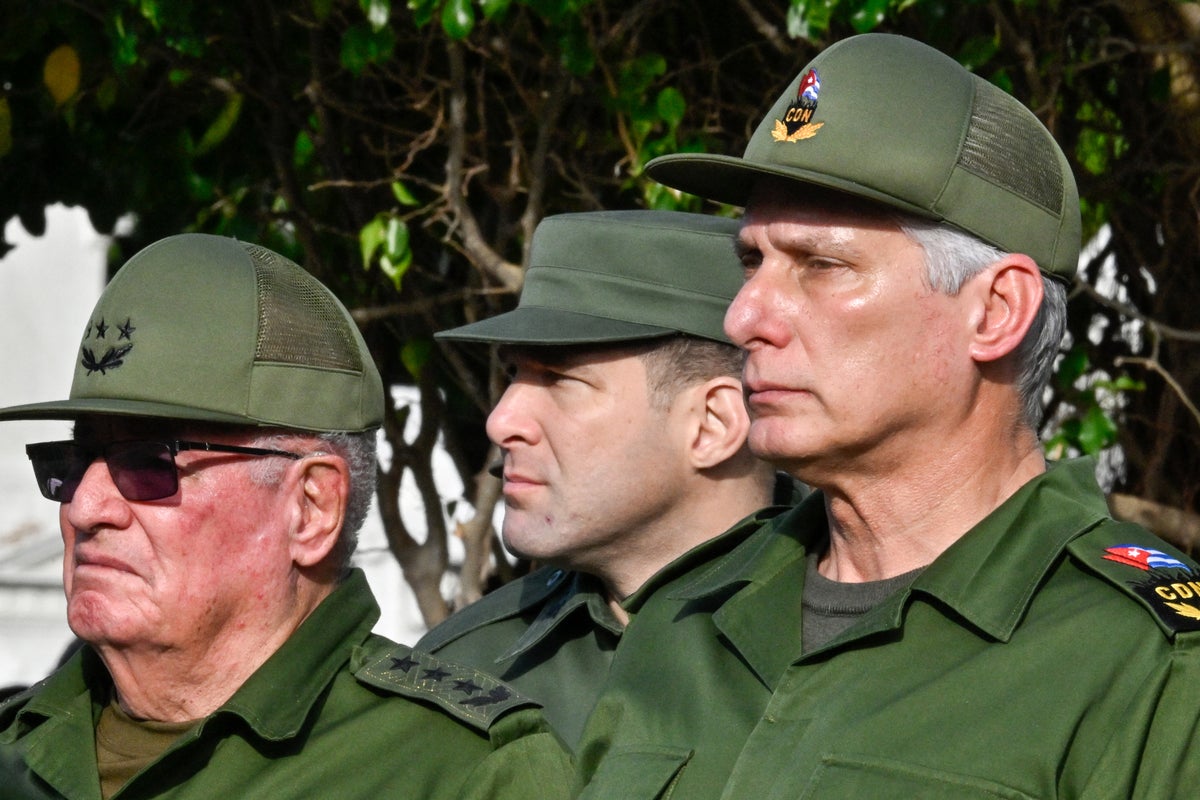
Trump administration imposes sanctions on Cuban president in latest pressure campaign These sanctions arrive as President Trump has been threatening military action against Cuba
independent · 2 days ago
🇺🇸❌🇨🇺 — United States Department of the Treasury has sanctioned President Miguel Díaz-Canel and his wife, as well as members of the Castro family. @GeoPWatch
telegram bot · 2 days ago
🇨🇺❌🇺🇸 — President Díaz-Canel: The President of the United States makes new threatening statements against Cuba; and the Treasury Department has added new names of Cuban leaders, organizations, and companies to an illegitimate sanctions list. They are aimed at reinforcing the blockade measures and the scenario of conflict between Cuba and the United States. This political blindness is added to the coercive measures applied in recent weeks against our country, designed to harm the Cuban people. The aggressiveness and perversity of the Yankee government will clash with our determination to confront the worst scenarios and resist the imperialist onslaught. @GeoPWatch
telegram bot · 2 days ago
EUA impõem sanções a Presidente cubano e membros da família Castro Entre os sancionados estão o Presidente cubano, Miguel Díaz-Canel, a sua mulher e enteado, além do filho e um dos netos do ex-presidente Raúl Castro.
publico · 2 days ago
🇺🇸❌🇨🇺 — Secretary of State Marco Rubio announces sanctions against the following, alleging training for "Marxist and third-worldist movements across our hemisphere and beyond": ➡️ Cubas Ministry of the Revolutionary Armed Forces of Cuba, responsible for overseeing the Revolutionary Armed Forces ➡️Cuban Institute of Friendship with the Peoples, responsible for maintaining relations with pro-Cuba groups worldwide ➡️ Amistur Cuba S.A., responsible for organizing politically-motivated vacations to Cuba intended for showcasing Cubas political system ➡️Committees for the Defense of the Revolution, responsible for local surveillance and organizing pro-government mobilization ➡️Minera La Victoria S.A., government-affiliated mining company @GeoPWatch
telegram bot · 2 days ago
USA-sanktioner mot Kubas president
svenska dagbladet · 2 days ago
US sanctions Cuban president and Castro relatives in latest pressure campaign US President Donald Trump has ramped up pressure on the island in recent months and has discussed taking the country over.
france24 · 2 days ago
Meliá, última gran cadena hotelera en apurar su salida de Cuba ante la amenaza de sanciones de Estados Unidos La cadena mallorquina es el último gran grupo hotelero con una cartera relevante de establecimientos en salir de la isla por mantener vínculos con Gaesa, la empresa pública en la diana de la Casa Blanca Leer
elmundo · 4 days ago
Study: FDA approves more orphan drugs with specific cancer, pediatric indications over EMA
gdeltproject.org · 4 days ago

Lépidémie dEbola est aussi une crise de gouvernance mondiale La République démocratique du Congo est à nouveau confrontée à une épidémie dEbola, qualifiée dextrêmement grave et difficile, par lOMS. Et cette crise est aggravée par des facteurs politiques et sociétaux qui la rendent encore plus difficile à contenir, analyse The Continent.
courrier international · 4 days ago

Exclusive: Cigna drops coverage of GLP-1 obesity drugs for its own employees reut.rs/4u9Gan6
bluesky bot · 4 days ago

Rubio says US is considering naming official to run Ebola response reut.rs/4u9Nb7a
bluesky bot · 4 days ago
Protesters use Ebola coffin to rally against US quarantine centre Demonstrators in Nairobi have carried an Ebola coffin to protest a proposed US quarantine facility.
aljazeera · 4 days ago