 Thursday, May 21Thursday, May 21
Russia’s Military Movements and Nuclear Threats Russia has confirmed the transfer of tactical nuclear weapons to Belarus, positioning them near NATO’s borders. Military drills involving the *Iskander-M* missile system—capable of carrying nuclear warheads—are underway across Russia and Belarus, signaling escalatory preparations . NATO Secretary-General Jens Stoltenberg warned that any use of nuclear weapons against Ukraine would have "devastating consequences" . Meanwhile, Russian warplanes flew dangerously close—within six meters—to RAF jets over the Black Sea, triggering emergency systems onboard and heightening tensions .
Ukrainian Countermeasures and Drone Warfare Ukraine has intensified drone strikes on Russian infrastructure, paralyzing nearly all major refineries in central Russia. These attacks have forced refineries with a combined capacity of 83 million tonnes annually (25% of Russia’s total refining capacity) to halt or reduce operations, disrupting fuel production—over 30% of gasoline and 25% of diesel output . To extend strike range, Ukraine tested a balloon-launched drone system, designed to enhance its ability to target Russian positions . A drone fragment found on a Romanian beach in Eforie Nord is under investigation, though its origin remains unconfirmed .
Belarus and Northern Front Threats Ukrainian President Volodymyr Zelenskyy warned of five potential Russian offensive scenarios targeting northern regions, including a possible advance toward Kyiv from Belarus. Kyiv is reinforcing its northern defenses and increasing diplomatic pressure on Belarus, which facilitated Russia’s 2022 invasion. While no immediate troop movements have been detected at the border, Ukraine’s border guards report sustained Russian pressure on Belarus to expand its role in the war . Zelenskyy emphasized that any Belarusian involvement would trigger "significant consequences" .
Sanctions, Legal Actions, and International Support Kazakhstan approved Ukraine’s request to seize assets belonging to Russia’s Gazprom, marking a historic legal breakthrough in Central Asia—a region traditionally under Moscow’s influence . The EU will disburse €3.2 billion to Ukraine next month as part of a previously approved loan package . Meanwhile, the UK faced criticism for initially exempting diesel and jet fuel made from Russian oil in its latest sanctions package. Prime Minister Keir Starmer assured Zelenskyy that sanctions would be phased in to avoid market disruptions, though Ukrainian officials called the approach "too little, too late" . Zelenskyy later thanked Starmer for the UK’s support, with both sides pledging to strengthen bilateral diplomacy.
> Background: **Russia conducts nuclear drills as Ukraine expands drone strikes deep into its territory.** — *1 days ago*
More LFE coverage on this topic

Putins nuclear build-up on NATOs doorstep: Russia transports nukes to Belarus as allies rehearse strikes on the West The Kremlin confirmed that the drills across Russia and Belarus, involve preparations linked to the Iskander-M tactical missile system - capable of carrying nuclear warheads.
dailymail · about 2 hours ago

Fragment de dronă descoperit pe o plajă din Eforie Nord. Autoritățile cercetează zona Un fragment de dronă a fost descoperit pe plaja Belona din Eforie Nord, județul Constanța. Conform primelor informații, ar fi vorba despre o aripă de dronă, cel mai probabil adusă de valuri pe țărm.
adevarul · about 2 hours ago
Precedent istoric în Asia Centrală: Kazahstanul dă undă verde Ucrainei să pună sechestru pe activele Gazprom. Începe marea vânătoare a banilor Moscovei Într-o mișcare geopolitică și juridică de o importanță majoră, Ucraina reușește să străpungă defensiva diplomatică a Moscovei într-un spațiu considerat în mod tradițional ca făcând parte din sfera de influență a Kremlinului.
adevarul · about 3 hours ago
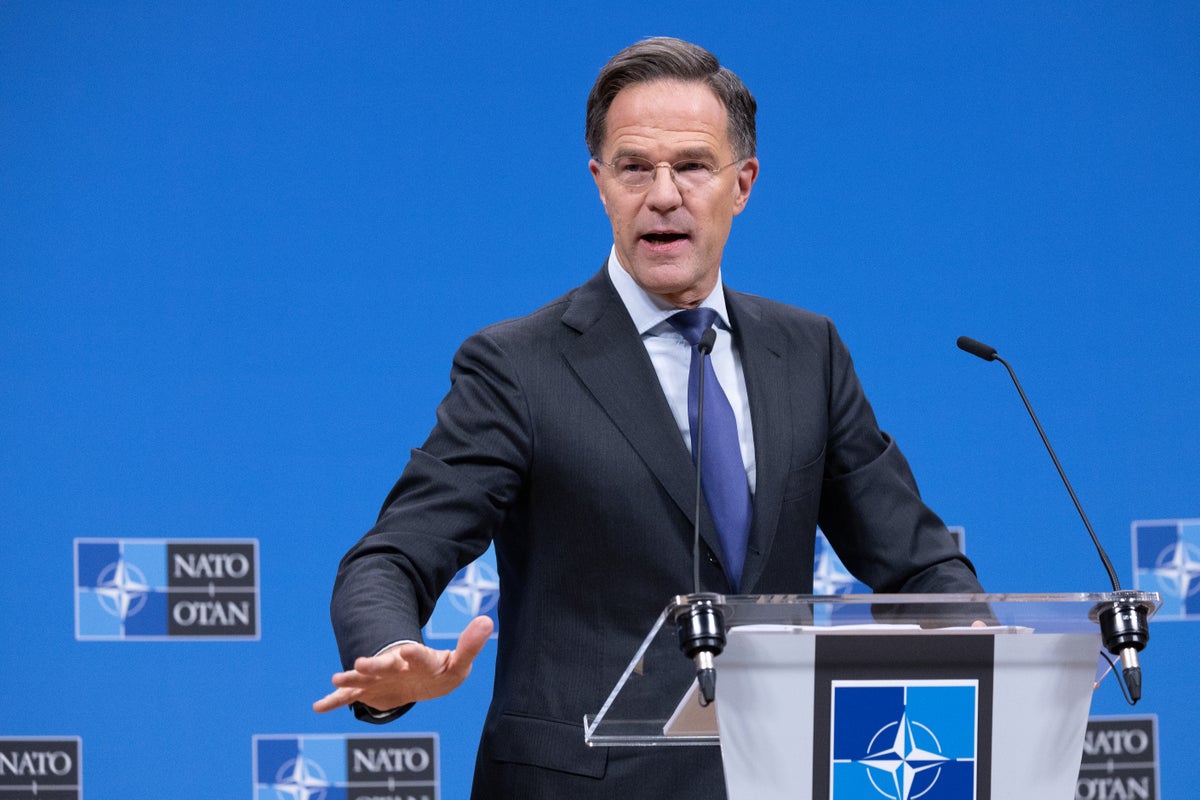
Ukraine-Russia war latest: Nato chief warns Putin of devastating consequences if nuclear weapons used against Kyiv MoD says Russian warplanes came as close as six metres to RAF jets, triggering onboard emergency systems
independent · about 3 hours ago
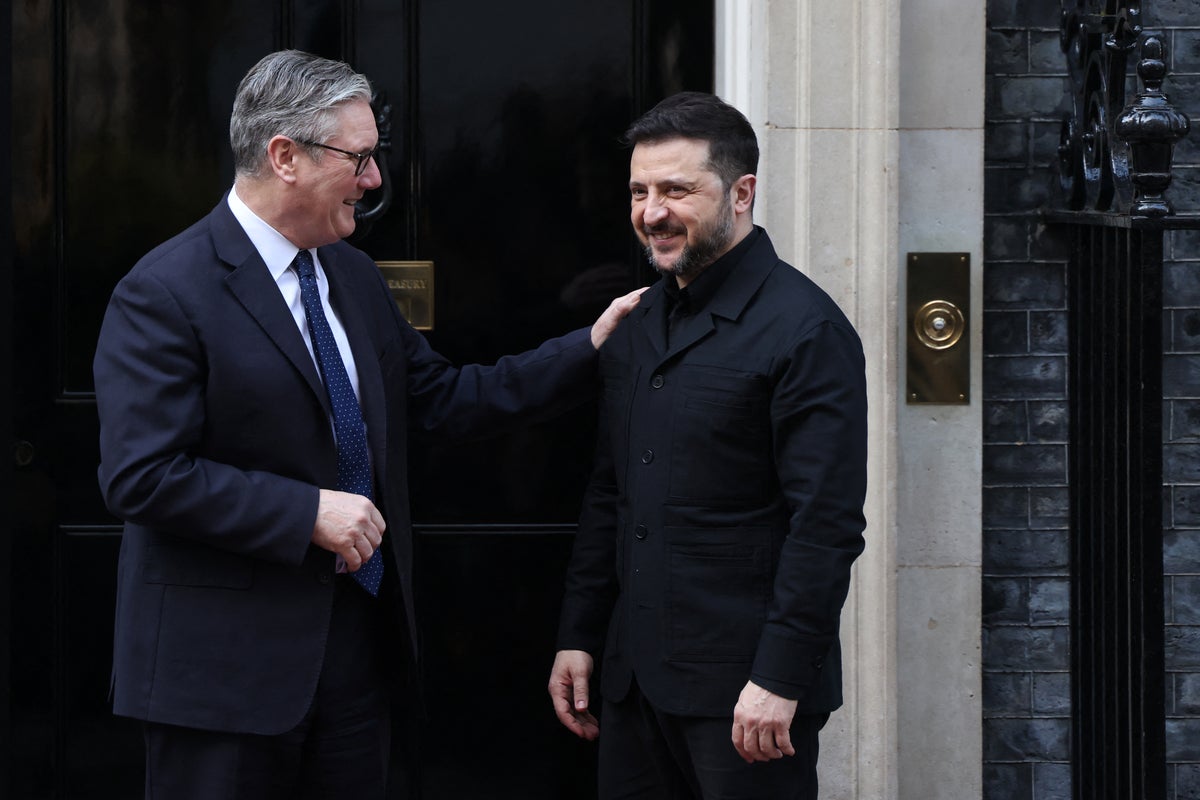
Ukraine-Russia war latest: Moscow deploys nuclear weapons to Belarus as allies conduct major drills MoD says Russian warplanes came as close as six metres to RAF jets, triggering onboard emergency systems
independent · about 5 hours ago
Atacurile cu drone ale Ucrainei paralizează rafinăriile din centrul Rusiei În urma valului de atacuri cu drone lansate de Ucraina, aproape toate marile rafinării din centrul Rusiei și-au suspendat complet activitatea sau au redus drastic producția de carburanți. Informația a fost publicată de Reuters, care citează surse din industrie și date oficiale rusești.
adevarul · about 5 hours ago
Ukraine tests balloon-launched drone system to extend strike range Ukraine has tested a balloon-assisted launch system designed to greatly extend the operational range of its intermediate range attack drones and improve its strike capabilities against Russian targets.
intellinews · about 6 hours ago
Ukraine-Russia war latest: UK issues defiant message to Putin after dangerous Black Sea flyby MoD says Russian warplanes came as close as six metres to RAF jets, triggering onboard emergency systems
independent · about 8 hours ago

Ukraine war briefing: Fresh threat of attack from Belarus front, warns Zelenskyy Kyiv learns of five scenarios Russia has drawn up and will increase forces in the north, says Zelenskyy; Ukraines attacks heap pressure on Russian oil refining. What we know on day 1,548Ukraine will send reinforcements to its northern regions and step up diplomatic pressure on Belarus to counter what Kyiv believes are Russian plans to launch a new offensive north of the capital, Volodymyr Zelenskyy has said. Kyiv knew of five scenarios Russia had drawn up, Ukraines president added. We analysed in detail the available data from our intelligence agencies on Russias planning of offensive operations in the Chernihiv-Kyiv direction, Zelenskiy said. Our forces in this sector will be increased.Oleksandr Syrskyi, Ukraines top army commander, said Kyiv had data that the Russian general staff was actively calculating and planning offensive operations from the north. The dictator Alexander Lukashenko allowed Russian troops to march on Ukraine from Belarus in 2022. Zelenskyy said it was already tiresome that there is constantly such a threat to Ukraine that the Russians may at some point drag Belarus into an expansion of the war. They should understand there will be consequences for them and they will be significant.In the initial full-scale invasion in 2022, Ukraine successfully repelled a huge Russian armoured column that attempted to attack Kyiv from the north. Ukraines border guards spokesperson, Andriy Demchenko, told Ukrinform news agency on Wednesday: As of now, we havent detected any movement of equipment or personnel directly at our border, but of course, we can see the pressure Russia is putting on Belarus.Virtually all major oil refineries in central Russia have been forced to halt or scale back fuel output following Ukrainian drone attacks in recent days, Reuters has reported, citing official data and its own sources. The combined capacity of refineries that have fully or partially shut down exceeds 83m tonnes per year, or about 238,000 tonnes per day, accounting for around a quarter of Russias total refining capacity. The share of the refineries in Russias fuel output is over 30 for gasoline and about 25 for diesel. Moscow has introduced a gasoline exports ban, while the Ukrainian strikes have reduced Russias crude oil exports – adding pressure to Moscows federal budget, where oil and gas accounts for roughly a quarter of revenue.Keir Starmer, the British prime minister, spoke to Volodymyr Zelenskyy on Wednesday as the UK government scrambled to reverse a public relations disaster over its latest package of sanctions on Russian oil and gas. After a storm of negative publicity and a row in parliament, Starmer and ministers were forced to spend Wednesday explaining why the package initially exempts diesel and jet fuel made in other countries using Russian oil. Starmer insisted sanctions on those products would be phased in to keep the market stable.However, Ukrainian officials expressed disappointment, write Peter Walker and Luke Harding. One former senior government figure described western sanctions policy against Russia as too little too late. They added: Im not sure I understand the logic behind this British decision. The only way Ukraine can stop the war is to put physical sanctions on Russia and destroy its infrastructure.Zelenskyy said Ukraine had been in contact with Britain on Wednesday and said the issue of sanctions was always very sensitive … We conveyed our signals on the matter to London. We expect that everything will be discussed this week on a bilateral level. Zelenskyy later posted that he had spoken to Starmer by telephone and thanked him for the support provided for Ukraine. The two sides were working to reinvigorate substantive diplomacy. No 10 said Starmer had reaffirmed the UKs steadfast support for Ukraine. A spokesperson added that as a result of the UKs actions to date, there will be less Russian oil on the market, with Russia weaker as a result.The EU is set to disburse €3.2bn to Ukraine next month, the first such payment under a giant loan approved in April, Brussels said on Wednesday. Continue reading...
theguardian · about 11 hours ago

Ukraine-Russia war latest: Zelensky warns Moscow planning possible northern offensive targeting Kyiv Kyiv is ramping up defences in the north of the region and believes Belarus may be more deeply involved
independent · about 14 hours ago
Guerra Ucraina - Russia, le news del 20 maggio. Droni su Vilnius: Andate nei rifugi. Allerta rientrata Mosca ha intercettato un aereo spia britannico nel mar Nero. Cina-Russia, conclusa la visita a Pechino: Putin riparte. Financial Times: Ue valuta Draghi o Merkel come intermediari con Putin
corriere · about 14 hours ago
Why Russian jets intercepting an RAF spy plane is serious incident The BBCs Frank Gardner explained how the incident highlighted tense relations between Russia and Nato.
bbc · about 15 hours ago