 Thursday, May 21Thursday, May 21
Ukraine has significantly intensified its use of drones in the ongoing conflict with Russia, with both sides deploying unmanned systems for reconnaissance, strikes, and combat operations. Ukrainian drone units, such as those from the 14th Brigade, have released footage demonstrating their ability to detect and destroy Russian "hidden waiting drones," highlighting the evolving tactics in this "robot war" . Ukraine is also advancing its drone capabilities through ambitious projects, including swarms of AI-controlled drones capable of autonomous communication and coordinated attacks, a strategy described as a potential "war of the future" .
Russia has responded with large-scale drone attacks, launching nearly 300 drones at Ukraine in a single overnight operation, resulting in direct hits at 15 locations, according to Ukraine’s Air Force . Ukrainian drone strikes have also targeted Russian territory, including a reported attack in Belgorod that killed one person . Additionally, Ukrainian drones have caused fires at Russian oil refineries, further escalating the conflict’s economic and military dimensions .
The conflict has seen drones used in alleged war crimes, with a Russian military unit documenting and later deleting footage of an FPV drone attack on a UN vehicle in Kherson . Meanwhile, Ukrainian drones en route to Russian Baltic ports have been jammed by Russia, causing unintended crashes in Baltic states like Latvia and Estonia, raising regional security concerns .
On the industrial front, Romania’s state-owned defense company ROMARM has warned against merely assembling drones under foreign licenses, advocating instead for domestic production of Ukrainian-designed military drones in state-owned facilities to strengthen local defense capabilities . Ukraine has also fortified its border with Belarus, citing potential threats despite a perceived "deceptive calm" from Belarusian forces .

A new Nuremberg tribunal is now being created. #Russia will go to trial, eventually. For the Ukrainians, it is a great victory. While Russia is carrying out massive attacks against civilians, others are preparing for what will happen the day the war is over. @news.dw.com@bsky.brid.gy #Ukraine #EuropeUkraine: European countries si...
mastodon bot · 4 days ago

Ukraine reports fully mined and reinforced border with Belarus How Ukraine fortified its border area in Polissia The military says, despite the deceptive calm from Belarus, Ukrainian…
europesays.com · 4 days ago
Avertisment dur al șefului ROMARM. România nu trebuie să rămână doar „atelier de asamblare a dronelor „Simpla asamblare sub licență nu dezvoltă industria, avertizează directorul general ROMARM, Răzvan Pîrcălăbescu, care a explicat pentru „Adevărul mizele parteneriatului cu Rheinmetall și de ce viitoarele drone militare ucrainene trebuie produse în uzinele de stat, înainte de termenul-limită SAFE.
adevarul · 4 days ago
Nuncio to Ukraine: Heavy attacks suggest no intention to end war The Apostolic Nuncio to Ukraine, Archbishop Visvaldas Kulbokas, describes the particularly intense Russian bombings of Ukraine on May…
europesays.com · 4 days ago
Ukraine-russia Robot War: Drone Units Hunt russian Hidden Waiting Drones (Video) Operators of Ukraines 14th Brigade have released new footage showing how their drone crews detect and destroy russian…
europesays.com · 4 days ago
Pariul Ucrainei pe roiurile de drone: Scenariu SF sau realitate? Industria de apărare a Ucrainei lucrează intens la concretizarea unei viziuni extrem de ambițioase asupra unui război al viitorului: roiuri de drone controlate de inteligență artificială, capabile să comunice între ele și să execute atacuri autonome asupra țintelor, relatează AFP.
adevarul · 4 days ago
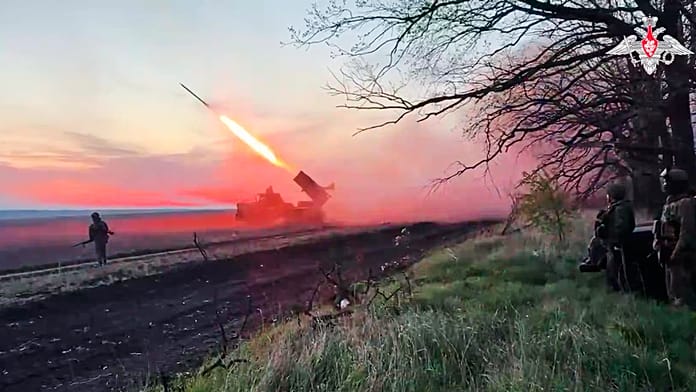
Russia launches nearly 300 drones at Ukraine as 528 bodies of Ukrainian soldiers are returned Russian forces launched hundreds of strikes across Ukraine overnight, with direct hits by drones recorded at 15 locationsm Ukraines Air Force said. Meanwhile, the bodies of 528 Ukrainian soldiers were returned a day after Russia and Ukraine exchanged prisoners of war.
euronews · 4 days ago
O unitate rusă și-a documentat propria crimă de război publicând imagini cu atacul asupra unui vehicul al ONU O unitate militară rusă a înregistrat propria crimă de război când a atacat cu o dronă FPV un vehicul al ONU în orașul ucrainean Herson, aflat în prima linie a frontului, și apoi a publicat imaginile, relatează Kyiv Independent. Filmarea a fost ștearsă ulterior.
adevarul · 4 days ago
Guerre en Ukraine: les incursions de drones, un casse-tête pour les pays baltes Le 7 mai au matin, un drone sest écrasé sur un réservoir de pétrole vide dans lest de la Lettonie. En début dannée, un drone sétait écrasé à Auvere, sur une centrale électrique en Estonie. Depuis juillet 2025, plusieurs drones ukrainiens volant en direction des ports russes sur la mer Baltique sont brouillés par la Russie et terminent leur course dans les pays baltes, sans autres dégâts que matériels pour le moment.
rfi.fr · 4 days ago
Kyiv Says Russia Returned 528 Bodies to Ukraine
themoscowtimes · 4 days ago
Ukraine Drone Attack Kills 1 in Belgorod Region
themoscowtimes · 4 days ago
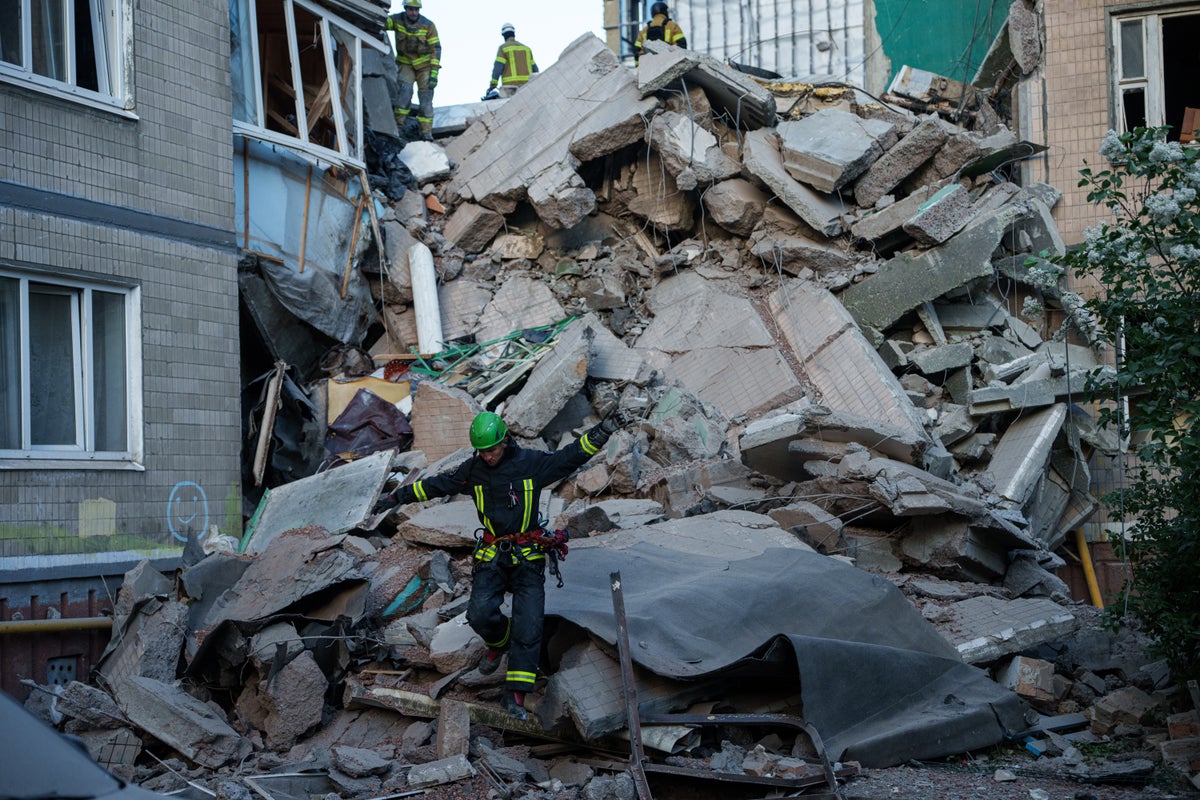
Ukraine-Russia war latest: Putins forces accused of attacking UN aid convoy Fire breaks out at another Russian oil refinery after a wave of Ukrainian drone attacks
independent · 4 days ago