 Thursday, May 28Thursday, May 28
Ken Paxton, the Trump-backed Texas attorney general, has defeated four-term incumbent Senator John Cornyn in a Republican primary runoff, marking one of the most significant upsets in recent GOP history. With 59% of precincts reporting by 8:45 p.m. on Tuesday, Paxton secured 63.2% of the vote to Cornyn’s 36.8%, according to the Associated Press, which called the race an hour after polls closed .
Paxton’s victory underscores Donald Trump’s enduring influence over the Republican Party, as the former president’s last-minute endorsement proved decisive in a race that pitted the party’s establishment against its grassroots base. Cornyn, one of the Senate’s most senior Republicans, had served four terms and was widely seen as a safe bet for renomination—until Paxton framed the contest as a referendum on loyalty to Trump and the party’s direction. "Tonight is the beginning of the fight to preserve every value we hold dear," Paxton told supporters, signaling a combative general election campaign against Democrat James Talarico, a state representative from Austin .
The outcome has sent shockwaves through the GOP, with Cornyn’s allies warning that Paxton’s polarizing profile—marred by legal scandals, an impeachment fight, and multiple corruption allegations—could jeopardize Republican hopes of holding the seat in November. Democrats, who have not won a statewide race in Texas in over three decades, now see an opening. Talarico, a progressive pastor and former teacher, has gained traction with a message of economic populism and social justice, positioning himself as a stark contrast to Paxton’s hardline conservatism. "Corrupt Ken," as Democrats have dubbed him, may energize the party’s base in a state where shifting demographics and suburban discontent have eroded Republican dominance .
Trump’s role in the race was pivotal. His endorsement came late in the runoff but galvanized Paxton’s campaign, which had struggled to overcome the baggage of his impeachment in 2023 over allegations of bribery and abuse of office. Despite these controversies, Paxton’s alignment with Trump’s "America First" agenda—particularly on immigration, election integrity, and opposition to federal overreach—resonated with primary voters. The Financial Times described the victory as evidence of Trump’s "ruthless" grip on the GOP, where loyalty to the former president now outweighs traditional metrics of electability .
The general election will test whether Paxton’s primary success translates into broader appeal. Cornyn, in his concession speech, acknowledged the voters’ decision but warned that the race could "complicate" Republican efforts to retain the seat. Meanwhile, outside spending in the primary exceeded $50 million, reflecting the national stakes of a contest that could help determine control of the U.S. Senate. With Texas’s 38 electoral votes and growing urban centers, the outcome may also offer a bellwether for the GOP’s ability to hold the state amid demographic shifts .
Paxton’s win arrives as Trump continues to reshape the Republican Party ahead of the midterms, where his endorsed candidates have prevailed in key races from Ohio to North Carolina. Yet the Texas result also highlights the risks of his strategy: a candidate dogged by legal troubles and ethical questions now faces a Democratic opponent who has already begun framing the race as a choice between "corruption and change." For a state that last elected a Democrat to statewide office in 1994, the November contest could defy decades of political precedent.

Ken Paxton wins Texas primary election: Results and key takeaways Trump-backed Paxton beat Cornyn, making him the first Texas Republican senator to lose renomination.
aljazeera · 1 day ago
Vorwahlen in den USA: Another One Bites The Dust Im US-Bundesstaat Texas gewinnt die Vorwahl der Republikaner der von Trump unterstütze Kandidat Ken Paxton. Trotz Irankrieg genießt der Präsident weiter Rückhalt. mehr...
taz.de · 1 day ago
Sieg und Schlappe für Trump Die Midterms werfen ihre Schatten voraus und bescheren US-Präsident Donald Trump sowohl einen Sieg als auch einen Dämpfer: Sein Wunschkandidat Ken Paxton gewann – obwohl in mehrere Skandale verwickelt – klar die Vorwahl der Republikaner in Texas für einen Senatssitz. Bei seinen Neuordnungsplänen von Wahlkreisen kassierte Trump aber gleich zwei empfindliche Niederlagen.
orf.at · 1 day ago
Demokraterna firar Trumps nya seger Texas republikaner följde Donald Trump och valde Magamannen Ken Paxton till kandidat i senatsvalet. Demokraterna kallar honom Corrupt Ken och tror att Paxton ger dem chansen att äntligen vinna i Texas.
svenska dagbladet · 1 day ago
Trump-backed Paxton topples Senator Cornyn in Texas primary run-off Ken Paxton defeats John Cornyn in Texas race, setting up a November election that could decide control of US Senate.
aljazeera · 1 day ago

Trumps (och Demokraternas) favorit vann i Texas WASHINGTON. Det blir republikanen Ken Paxton som får möta demokraten James Talarico om en plats i senaten för delstaten Texas i höstens mellanårsval. President Donald Trump har därmed fått sin vilja igenom i flera primärval under våren. Men resultatet i Texas kan även gynna Demokraterna.
dagens nyheter · 1 day ago
Vor den «Midterms»: Trump-Kandidat Paxton gewinnt Vorwahl in Texas
die zeit · 1 day ago
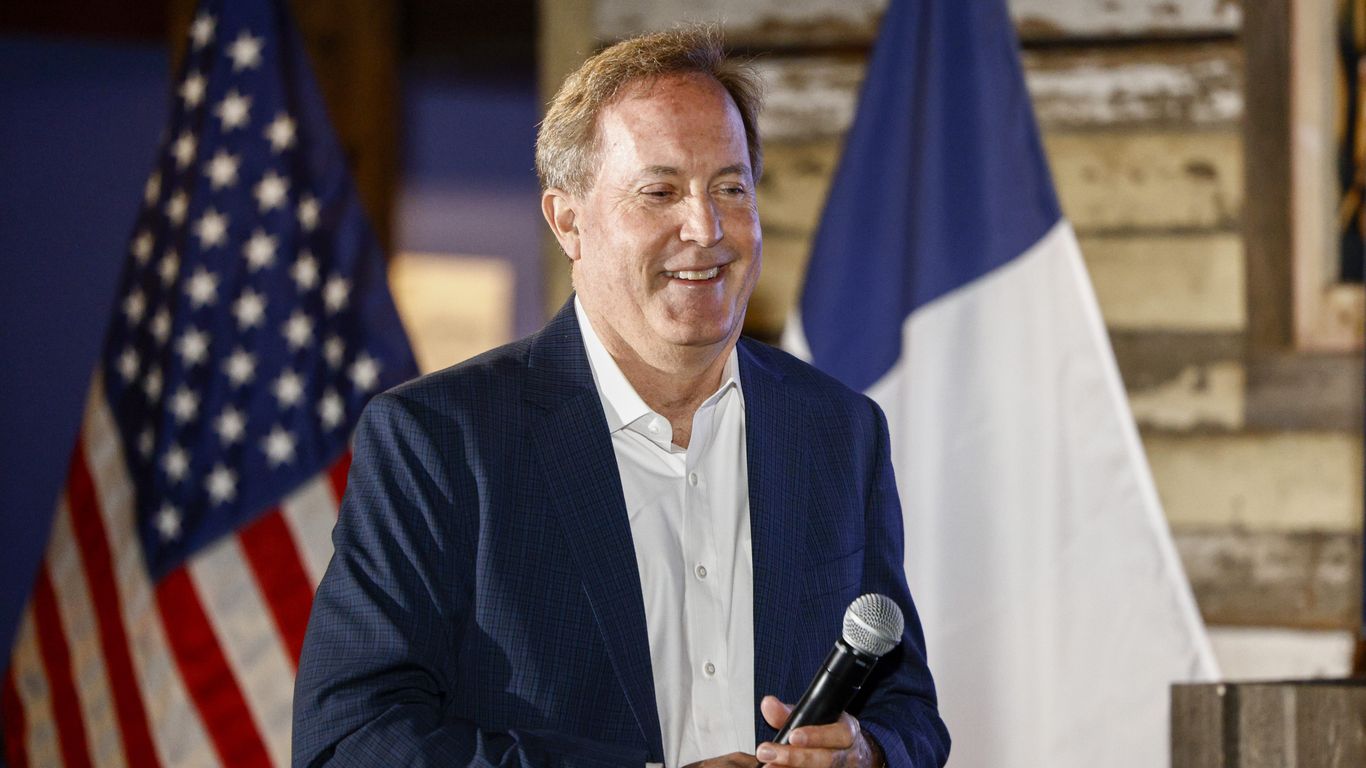
Texas GOP voters oust Cornyn in Paxton upset Republican primary voters on Tuesday rejected U.S. Sen. John Cornyn, one of the Senates most senior GOP members, in favor of Trump-backed Texas Attorney General Ken Paxton.Why it matters: Cornyns loss marks one of the most significant defeats for a Republican senator in years and underscores how loyalty to President Trump continues to reshape GOP primaries nationwide.Trump gave Paxton a last-minute endorsement in the runoff.What theyre saying: "Tonight is the beginning of the fight to preserve every value we hold dear," Paxton told supporters, referring to his upcoming general election campaign against Democrat James Talarico. "Ive always supported the Republican ticket, and I intend to do so again in this general election," Cornyn told supporters in Austin. "Ive said throughout this race that I trust the voters of Texas, and they made their decision."By the numbers: With 59 of the votes counted at 8:45pm, Paxton had 63.2 of the vote compared to Cornyns 36.8.The AP called the election in favor of Paxton an hour after polls closed Tuesday.Zoom in: Paxton successfully cast the race as a referendum on the party establishment, energizing grassroots conservatives while dodging concerns about the legal scandals and impeachment fight that dogged much of his tenure as attorney general.The race became one of the countrys most closely watched Senate primaries, fueling millions in fundraising and outside spending.What were watching: Cornyn and his supporters warned that the outcome could complicate Republicans efforts to hold the seat in November against Talarico, a state representative from Austin.Paxtons win gives Democrats a potentially more polarizing Republican opponent than Cornyn.Reality check: A Democrat hasnt won a statewide office in Texas in more than three decades.Go deeper: Trumps ruthless midterm power play
axios · 1 day ago
Trump-backed candidate ousts Republican senator in Texas run-off Victory of flawed candidate Ken Paxton shows the presidents enduring hold on Republican Party
financial times · 1 day ago

Paxton wins Texas Senate runoff, defeating longtime incumbent Cornyn
news.yahoo.com · 1 day ago
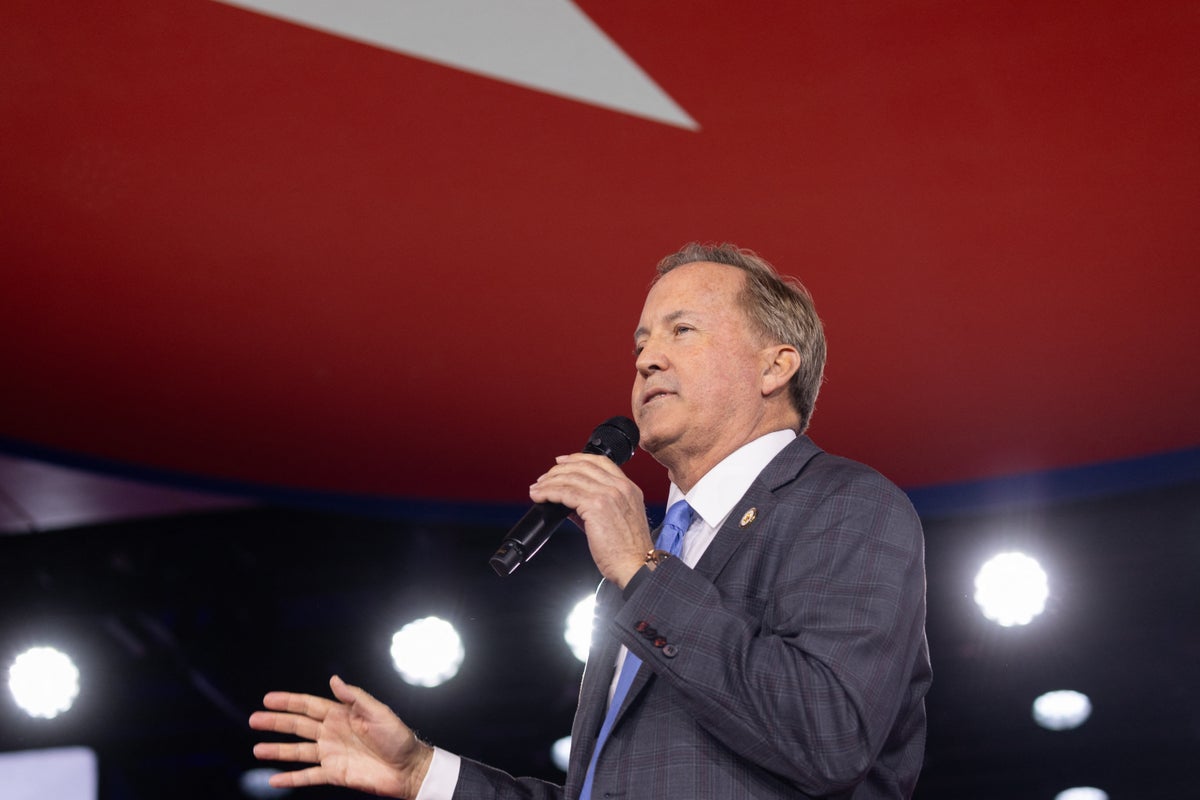
Trump-endorsed Ken Paxton defeats four-term incumbent John Cornyn and puts Texas in play for Democrats Republicans have feared that the scandal-plagued Paxton could cost them the seat, despite Democrats not winning a Texas Senate race in almost 40 years
independent · 2 days ago

Trump-backed Ken Paxton ousts John Cornyn in heated Texas race after scandal-plagued campaign Race had wide implications for Trumps strength heading into midterms, where Paxton will face Democratic candidate James TalaricoKen Paxton, the Donald Trump-backed Texas attorney general, triumphed over incumbent John Cornyn in the Republican primary runoff for senator. His victory signals that even a scandal-plagued candidate can win over the deep red state with the support of the president.The race had wide implications for Trumps strength heading into Novembers midterm elections, where Paxtonwill now face James Talarico, a Democratic pastor and state legislator whose message of peace and populism has attracted much attention. If he wins, Talarico would become the first Democrat in more than 30 years to win statewide office in Texas. Continue reading...
theguardian · 2 days ago