
Hundreds receive reduced sentences in Netherlands after trial delays
Hundreds of perpetrators convicted of severe crimes such as murder, manslaughter, and rape have received reduced prison sentences in the Netherlands after their trials were delayed, an investigation by RTL Nieuws reveals. Since 2008, at least 669 cases resulted in shorter sentences due to prolonged legal proceedings, with reductions of up to three years in some instances. The findings underscore systemic failures within the Dutch justice system, leaving victims and their families reeling from what they describe as a second injustice.
The scale of the issue emerged from RTL Nieuws’ analysis of court records, which identified 669 cases where judges explicitly cited excessive trial delays as grounds for lowering sentences . Among the most egregious examples are cases of sexual violence, where perpetrators received leniency despite the gravity of their offenses. One such case involved a man convicted of raping a woman over several years, including when she was a child, yet his sentence was reduced due to the protracted legal process .
Legal experts and victims’ advocates warn that the practice not only undermines public trust in the judiciary but also risks normalizing impunity for violent crimes. “For victims, this is a profound betrayal,” said a spokesperson for a Dutch victims’ rights organization, who requested anonymity. “They endure years of trauma, only to see their perpetrator walk free sooner because the system failed them.” The Dutch Ministry of Justice has yet to respond to requests for comment on the systemic bottlenecks contributing to these delays.
The revelations come amid broader European debates over judicial efficiency and the rights of victims. In neighboring Belgium, high-profile cases like that of far-right politician Heinz-Christian Strache have highlighted the strain on legal systems when acquittals or prolonged trials dominate public discourse . Meanwhile, in Bosnia and Herzegovina, survivors of war crimes continue to wait decades for compensation, while acquitted individuals receive disproportionate reparations—a stark contrast to the Dutch situation .
As the Dutch government faces mounting pressure to address court backlogs, legal reforms are under discussion, though no timeline has been set for implementation. For the 669 victims whose cases were affected, however, the damage is already done. “Justice delayed is justice denied,” said one survivor of sexual violence, whose attacker’s sentence was reduced by two years due to trial delays. “But in our case, it was also justice reduced.”
Follow us for live European news
- 2
- 1
- 1
- 1
- 1
- 1
- 1
- 1
- 1
Articles

Die Justiz erschlägt Strache mit Freisprüchen [premium] Normalerweise sind Angeklagte erleichtert, wenn sie freigesprochen werden. Bei Heinz-Christian Strache werden die Freisprüche langsam zur Qual.
die presse · 3 months ago
Wesleys dochter van 14 maanden werd vermoord, de dader kreeg een kortere straf Als een proces te lang duurt, kan de dader strafvermindering krijgen. Dat is pijnlijk voor slachtoffers en nabestaanden, vertellen Wesley en Anne.
rtl nieuws · 3 months ago
Η κυβέρνηση της Χιλής προωθεί νομοσχέδιο για να δικάζονται ως ενήλικοι οι 16χρονοι για βαριά εγκλήματα
protothema · 3 months ago

In Bosnia, War Crimes Compensation Failing Victims – But Not Those Acquitted Individuals acquitted of war crimes in Bosnia and Herzegovina have received far more money in compensation than the survivors of war crimes. The latter wait for decades and often never receive reparations.
balkaninsight · 3 months ago
Rechtssysteem loopt vast, moordenaars en verkrachters krijgen lagere straffen Honderden plegers van zware misdrijven als moord, verkrachting en kindermisbruik hebben de afgelopen jaren kortingen op hun straf gekregen tot wel drie jaar minder cel. Dat blijkt uit onderzoek van RTL Nieuws. De daders kregen lagere straffen omdat hun vonnis te lang op zich liet wachten. Voor veel slachtoffers is dat een klap in het gezicht.
rtl nieuws · 3 months ago
Honderden moordenaars en verkrachters kregen lagere straf, omdat hun zaak te lang duurde Honderden plegers van zware misdrijven als moord, verkrachting en kindermisbruik hebben de afgelopen jaren kortingen op hun straf gekregen tot wel drie jaar minder cel. Dat blijkt uit onderzoek van RTL Nieuws. De daders kregen lagere straffen omdat hun vonnis te lang op zich liet wachten. Voor veel slachtoffers is dat een klap in het gezicht.
rtl nieuws · 3 months ago
Waarom krijgt een verkrachter strafvermindering? Zes vragen en antwoorden RTL Nieuws ontdekte dat moordenaars, verkrachters en ontuchtplegers steeds vaker een lagere gevangenisstraf opgelegd krijgen, omdat hun proces te lang duurt. Hoe zit dat precies? Onze onderzoeksjournalisten Jasper Bunskoek en Koen Voskuil leggen het uit aan de hand van zes vragen en antwoorden.
rtl nieuws · 3 months ago
In deze 669 rechtszaken kregen daders een lagere straf door vertraagd proces Sinds 2008 kregen daders van zware delicten als moord, doodslag en verkrachting in zeker 669 gevallen een lagere straf. Een tegemoetkoming, omdat ze te lang moesten wachten op hun vonnis. Dat blijkt uit onderzoek van RTL Nieuws. Hier vind je alle 669 zaken op een rij.
rtl nieuws · 3 months ago
Minder straf door te lang proces: Toen kreeg ik wel even kortsluiting Als een proces te lang duurt, kan de dader strafvermindering krijgen. Dat is pijnlijk voor slachtoffers en nabestaanden, vertellen Wesley en Anne.
rtl nieuws · 3 months ago

Rita Júdice pede moratória global da pena de morte Ministra recordou o pioneirismo português, que há 159 anos aboliu, por decisão do rei Luís I, a pena de morte para crimes civis em Portugal.
observador · 3 months ago

Teenage Boys Who Raped Girls in Fordingbridge, England, Have Sentences Revised Two teenagers were given four-year custodial sentences on Thursday after an appeals court determined that their earlier sentencing, which included no time in detention, was too lenient.
new york times · 3 months ago
Στη φυλακή δύο 15χρονοι στη Βρετανία για βιασμούς ανήλικων κοριτσιών, ανέβαζαν βίντεο με τις πράξεις τους στα social media Το δικαστήριο έκρινε ότι η αρχική απόφαση χωρίς ποινή φυλάκισης ήταν υπερβολικά επιεικής – Δικαίωση βλέπουν οι οικογένειες των θυμάτων - Τα θύματα ήταν ηλικίας 15 και 14 ετών
protothema · 3 months ago
Danske voldtektsmenn uteble. Norge bør lære av det. Danske politikere satte av millioner av kroner, men det ble ikke behov for flere fengselsceller.
aftenposten · 3 months ago
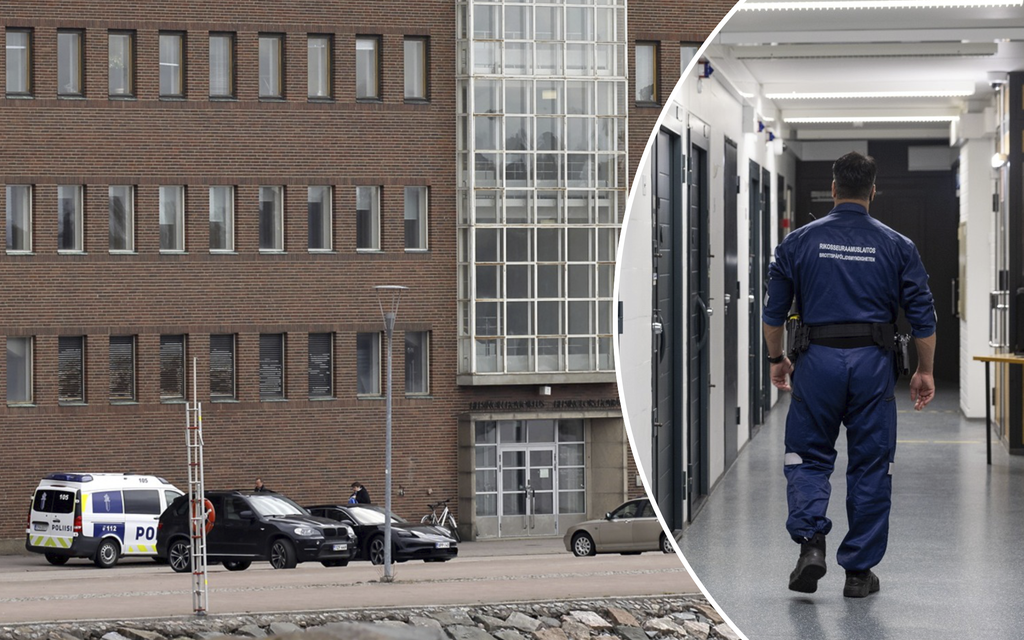
Mies raiskasi naista vuosia – Uhreina myös lapsia
iltalehti · 3 months ago
Twee Britse tieners moeten na hoger beroep alsnog de cel in voor verkrachtingen Twee Britse tieners moeten na een hoger beroep alsnog vier jaar de cel in na hun veroordeling voor verkrachtingen van twee meisjes, heeft het Britse hof van beroep donderdag geoordeeld. In eerste instantie had de rechter alternatieve jeugdstraffen opgelegd, wat tot veel ophef leidde.
nu.nl · 3 months ago
Affaire Dany Leprince : pourquoi la justice a annulé sa condamnation et ordonné un nouveau procès Dany Leprince clame de longue date son innocence au sujet des meurtres de son frère, de sa belle-sœur et de deux de ses nièces dans leur maison de Thorigné-sur-Dué, dans la Sarthe. Les révisions de condamnations pénales criminelles sont extrêmement rares en France.
le monde · 3 months ago