 Thursday, May 21Thursday, May 21
Italy is advancing its renewable energy sector with a significant agrivoltaic project, marking a key development in the country’s transition away from fossil fuels. European Energy has begun construction on Italy’s largest agrivoltaic installation, a 225.5MW project designed to combine solar energy generation with agricultural land use. This initiative aligns with broader European efforts to expand renewable capacity, particularly in solar and wind, as highlighted by the European Central Bank (ECB). The ECB’s analysis suggests that improved coordination in renewables deployment could boost solar capacity by 42% and wind by 110%, enhancing energy security and competitiveness .
Despite these strides, Italy remains heavily reliant on fossil fuels, which accounted for 52.3% of its electricity generation in 2025. This dependence has contributed to the country having the highest electricity prices in the EU, exacerbated by poor interconnectivity and lingering ties to Russian gas—though imports from Russia have dropped to just 3% . In response, Italian Prime Minister Giorgia Meloni has urged the EU to treat the energy crisis with the same urgency as a defense emergency, calling for relaxed fiscal rules to allow greater public spending. Meloni warned that without such flexibility, Italy may struggle to justify continued participation in the EU’s SAFE defense program, emphasizing the need for policy coherence to address high energy costs .

Fossil fuels and poor interconnectivity: Italy had the most expensive electricity among EU countries in 2025 The picture painted by the European Commission in its report REPowerEU Four Years On: Italy. As regards independence from Russian fossil fuels, the peninsulas imports of Russian gas have plummeted to 3 per cent, but fossil fuels still account for 52.3 per cent of the countrys electricity generation
eunews.it · 2 days ago
Détroit dOrmuz: face au manque mondial dengrais, lUE veut augmenter son aide aux pays en développement La rupture des chaînes dapprovisionnement en engrais et hydrocarbures liée à la fermeture du détroit dOrmuz est au cœur de la réunion des 27 ministres européens des Affaires étrangères lundi 18 mai. Les Européens veulent non seulement éviter laggravation de la situation des pays en développement, mais également que la Chine et la Russie profitent de la crise en proposant des accords déséquilibrés à des pays déjà très endettés, notamment envers les Européens.
rfi.fr · 2 days ago

European Energy begins work on Italys 225.5MW agrivoltaic project
news.yahoo.com · 2 days ago
Meloni writes to von der Leyen: Allow public spending to address high energy costs The Prime Minister: Without this political coherence, it would be very difficult for the Italian government to explain to the public why it might have to resort to the SAFE programme
eunews.it · 3 days ago
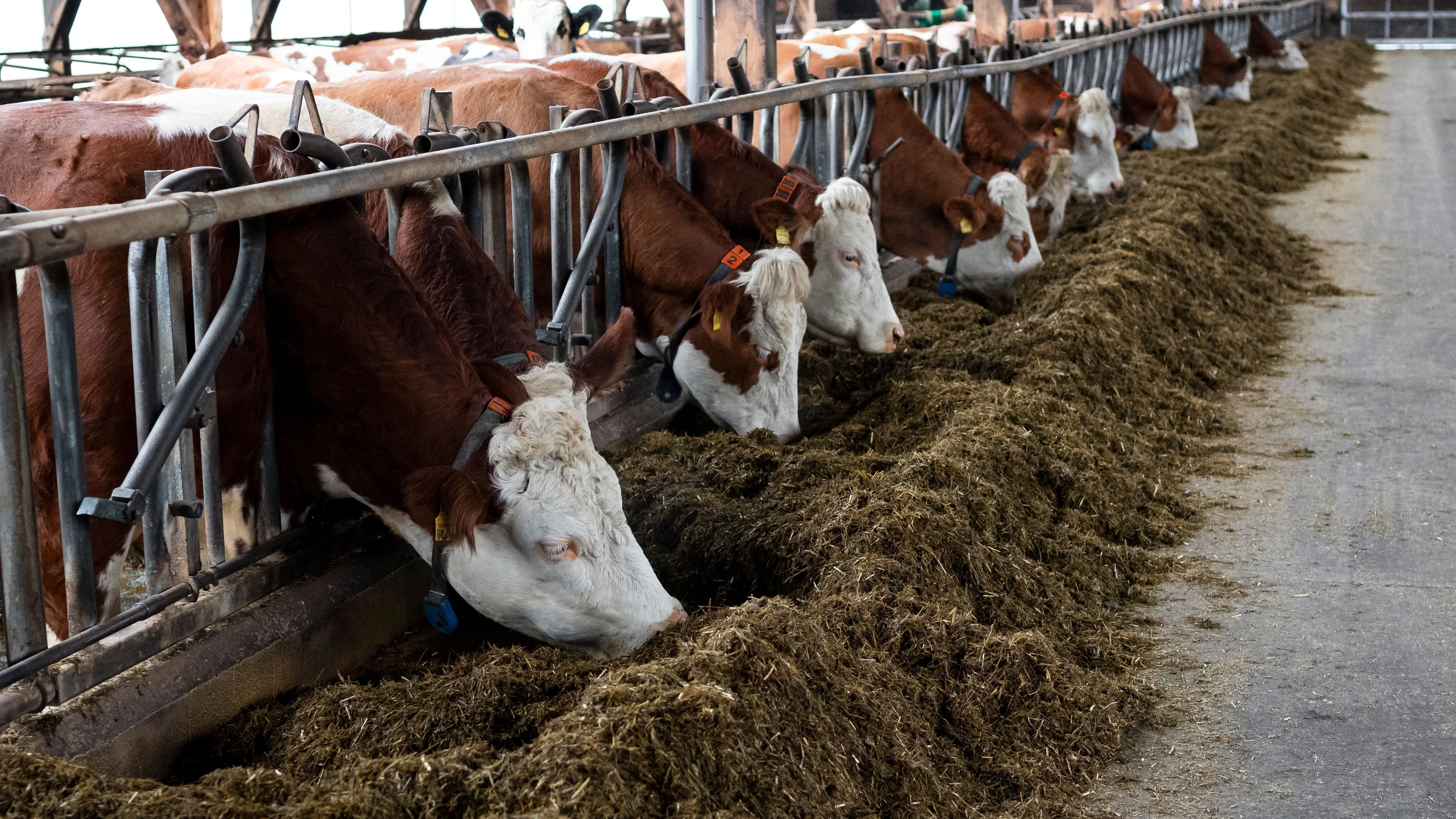
Agrarpolitik in Hessen: Bauern fordern Prämien und Versicherungen Auch wenn Butter, Milch und Eier im Handel immer teurer werden, kommt bei den Bauern davon wenig an. Sie fordern nun Hilfen vom Land.
faz · 3 days ago
BMW & Solarwatt partner for V2H in Germany, Austria, Netherlands BMW has partnered with residential clean energy solutions firm Solarwatt to integrate its V2G-capable vehicles into the latters…
europesays.com · 3 days ago
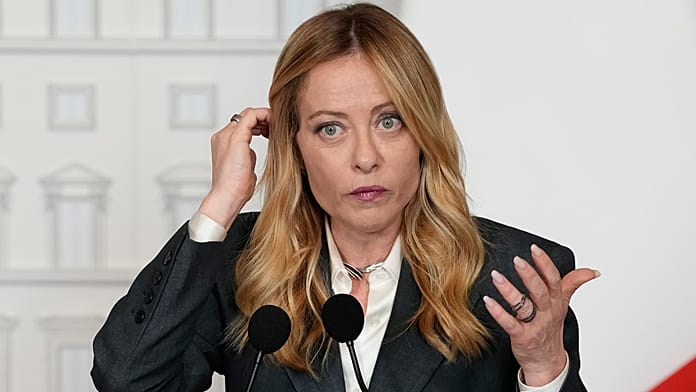
Meloni urges EU to treat energy crisis like defence emergency, relax fiscal rules Meloni calls for greater budget flexibility to tackle rising energy costs, warning Italy could exit the SAFE defence programme, in a new letter sent to the European Commission.
euronews · 3 days ago
European Energy building 225MW agriPV project, Italys largest
gdeltproject.org · 3 days ago
ECB: renewables coordination could lift solar by 42 per cent and wind by 110 per cent An analysis by the European Central Bank on energy security and competitiveness urges governments to press ahead with the Green Deal and the dual transition in an orderly manner. High energy prices pose risks to business competitiveness
eunews.it · 3 days ago
Belgium revives North Sea energy island with cheaper new plan Belgiums federal government is preparing a cheaper new version of its delayed North Sea energy island project, after…
europesays.com · 3 days ago
Fredericia-Aalborg rail electrification delayed The electrification of the railway between Fredericia, Aarhus, and Aalborg is delayed, Banedanmark announced on Monday. While the project was scheduled for completion by the end of 2026, a lack of progress from the supplier has made this timeline unrealistic. This delay will also impact other projects, including the Holbæk-Kalundborg line, Dronning Margrethe IIs Bridge, […]
cphpost · 3 days ago
Italy: European Energy begins construction on Italys largest agrivoltaic project
gdeltproject.org · 3 days ago