
Edgar Morins posthumous novel 14edgarhommagevieuxricordo released as final tribute
Edgar Morin’s posthumous novel, *14_edgar_hommage_vieux_ricordo*, has emerged as a final, deeply personal tribute to his life’s work and lost family. The book, written decades ago but only now published, weaves an autobiographical narrative through the revolutions and tragedies of the 20th century, centering on his childhood memory of his mother, who died when he was young. At 103, Morin described the novel as an homage to "his Europe and the memory of the mother lost as a child," according to *La Repubblica* .
The work’s title—*14_edgar_hommage_vieux_ricordo*—reflects its dual purpose: a nod to his 1914 birth year and a fusion of "hommage" (tribute) with "vieux ricordo" (old memory), a phrase evoking his lifelong preoccupation with memory and resistance. Morin’s publisher confirmed the novel’s release coincides with his death at 104 on May 29, 2026, framing it as a deliberate coda to his intellectual legacy .
Critics highlight the book’s interdisciplinary approach, a hallmark of Morin’s philosophy. *La Repubblica* notes its blend of personal trauma and historical upheaval, mirroring his broader theory of "complex thought," which rejected fragmented knowledge in favor of interconnected narratives . *El Mundo* underscores this link, describing the novel as a "multidisciplinary cultural and scientific" work that embodies his lifelong resistance to intellectual silos .
Morin’s own words in the novel’s preface—"At 103 years old, I’m just telling you: resist!"—echo his enduring call for defiance against oppression, a theme that defined his career as a World War II Resistance fighter and later as a public intellectual. The phrase has already become a rallying cry among admirers, with *Libération* quoting sociologist Jean Viard, who called Morin a "companion of the road" whose work urged fraternity in the face of violence .
The novel’s delayed publication adds a layer of intrigue. *La Repubblica* reports it was "kept in a drawer for many decades," suggesting Morin may have withheld it until his final years to ensure its message aligned with his evolving philosophy. Its release now, as tributes pour in from figures like philosopher Cynthia Fleury and neuroscientist Boris Cyrulnik, positions *14_edgar_hommage_vieux_ricordo* as both a literary testament and a philosophical manifesto .
With Morin’s death, the novel stands as his last act of resistance—a final bridge between personal memory and collective history, much like his 1961 documentary *Chronique d’un été*, which pioneered cinéma vérité. As *France24* notes, the book’s title itself may be a play on that film’s legacy, blending the intimate ("vieux ricordo") with the universal ("hommage") . Publishers have announced a global release in September, with translations underway in English, Spanish, and German.
- liberation
- publico
- france24
- elmundo
- corriere
Articles

Mort dEdgar Morin : «Adieu vieux maître», par Jean Viard Le sociologue rend hommage à son confrère, mort à lâge de 104 ans, qui fut son directeur de thèse et compagnon de route tout au long de sa carrière.
liberation · 8 days ago
French intellectual and inventor of cinema verite Edgar Morin dies at 104 French intellectual Edgar Morin has died at the age of 104, his wife said Saturday. The World War II Resistance member dedicated his life to promoting critical thinking and combatting intolerance. Outside of France he was best known as the inventor of cinema verite for his 1961 documentary with film-maker Jean Rouch Chronique dun ete ("Chronicle of a Summer").
france24 · 8 days ago
Morreu o filósofo e sociólogo francês Edgar Morin aos 104 anos Considerado um dos grandes pensadores do último século, Edgar Morin morreu na sexta-feira em Paris.
publico · 8 days ago
Edgar Morin: Frances intellectual grandfather dies at 104 Frances favourite intellectual Edgar Morin, a World War II Resistance member who dedicated his life to promoting critical thinking and combatting intolerance, has died at the age of 104, his wife said Saturday.
france24 · 8 days ago
«Dès que jai découvert Edgar Morin, je me suis senti moins seul» En juillet 2021, à loccasion de ses 100 ans, «Libération» avait demandé à Cynthia Fleury, Boris Cyrulnik et Pablo Servigne en quoi lhomme et son œuvre avait été fondamentaux dans leur trajectoire.
liberation · 8 days ago
Mort dEdgar Morin, éternel résistant Le philosophe, mort vendredi à lâge de 104 ans, a tout au long de sa vie gardé sa fraîcheur et ses enthousiasmes, prêchant la fraternité contre toutes les formes de violences.
liberation · 8 days ago
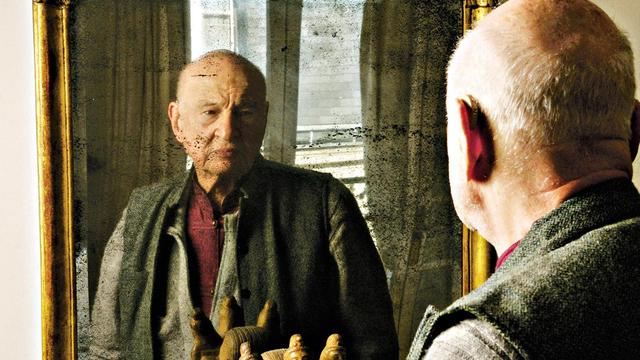
Repubblica.it: Edgar Morin: A 103 anni vi dico solo: resistete!Il grande intellettuale francese pubblica il suo primo romanzo, rimasto nel cassetto per molti decenni. Una storia autobiografica che incrocia rivoluzioni e drammi del Novecento. Un omaggio alla sua Europa e al ricordo della madre perduta da bambinoEdgar Morin: At 103 years old, Im just telling you: resist!The great French intellectual publishes his first novel, which had remained in the drawer for many decades. An autobiographical story that crosses revolutions and dramas of the twentieth century. A tribute to his Europe and the memory of the mother lost as a child.#EdgarMorin #French #first #Europe
mastodon bot · 8 days ago
Quand «Libération» rencontrait Edgar Morin Le quotidien a souvent sollicité le regard aiguisé du philosophe et sociologue, tant pour donner de la profondeur à lair du temps que pour rentrer dans les arcanes de son œuvre. Echos de nos rencontres durant les trente dernières années.
liberation · 8 days ago
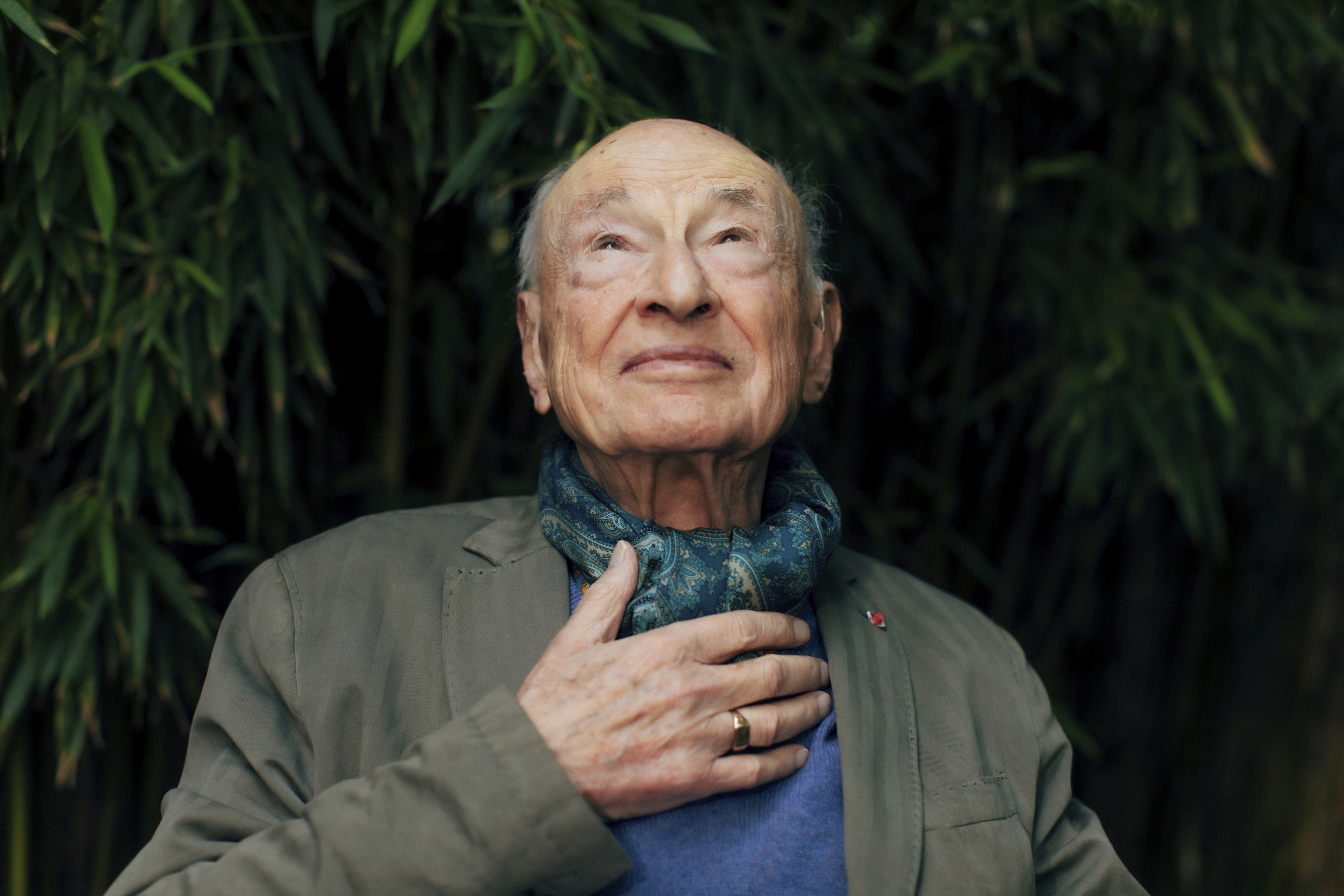
Muere a los 104 años el filósofo francés Edgar Morin Sociólogo e Intelectual clave para entender la segunda mitad del siglo XX, rechazaba la fragmentación del saber en favor de una visión multidisciplinaria cultural y científica Leer
elmundo · 8 days ago
Edgar Morin: A 103 anni vi dico solo: resistete! Il grande intellettuale francese pubblica il suo primo romanzo, rimasto nel cassetto per molti decenni. Una storia autobiografica che incrocia rivoluzioni e drammi del Novecento. Un omaggio alla sua Europa e al ricordo della madre perduta da bambino
corriere · 8 days ago
Mort dEdgar Morin, 104 ans de sollicitude Lauteur de «la Méthode», œuvre de toute une vie pour une «pensée complexe», est mort vendredi 29 mai à 104 ans. Sociologue, philosophe et homme de sciences, lancien résistant sétait évertué à construire des ponts entre les disciplines, passant outre les doutes et les moqueries de ses pairs, pour finalement connaître le succès auprès dun large public.
liberation · 8 days ago