 Wednesday, May 20Wednesday, May 20
EU and NATO Security Developments in Brussels
NATO is conducting large-scale military exercises amid rising security concerns in Europe, with around 3,000 elite troops from the U.S., U.K., and 22 other member states participating. The drills reflect growing tensions over European defense readiness and transatlantic coordination .
NATO Secretary General Mark Rutte is reportedly pressuring EU defense companies to align with U.S. interests, signaling potential friction over industrial and procurement policies within the alliance . Meanwhile, U.S. General Dan Caine, Chairman of the Joint Chiefs of Staff, will visit Poland and Brussels amid disputes over troop rotations, underscoring ongoing strategic discussions between NATO allies .
EU-China Relations and Economic Security The European Commission is adopting a tougher stance on China, driven by concerns over cheap imports, industrial decline, and dependence on Chinese critical raw materials. Brussels is preparing new regulations to compel companies to diversify supply chains, particularly in chemicals and industrial machinery, by sourcing from non-Chinese suppliers .
EU Institutional Activity in Brussels The European Parliament will hold a press briefing on its 18–21 May plenary session, where key policy debates, including security and defense, are expected to feature prominently . Separately, the EU Council has agreed on its negotiating position for the Erasmus+ program (2028–2034), though this remains tangential to core NATO-EU security discussions .
Transatlantic and Regional Dynamics Former UK Prime Minister Tony Blair has called for the EU to assert greater independence in Middle East policy, advocating for a more balanced relationship with the U.S. while emphasizing defense reforms and regional stability . In the Western Balkans, analysts urge Europe to challenge U.S. influence in Bosnia, particularly as the current High Representative prepares to step down, arguing for a stronger EU-led approach .

Press release - Press briefing on this weeks plenary session The European Parliaments spokesperson will hold a last-minute briefing on the 18 – 21 May plenary session today at 16.30. Source : © European Union, 2026 - EP
european parlament · 3 days ago
NATO stages massive war games as tensions over Europes security grow Around 3,000 elite troops from the US, the UK and 22 other countries are taking part in NATOs…
europesays.com · 3 days ago
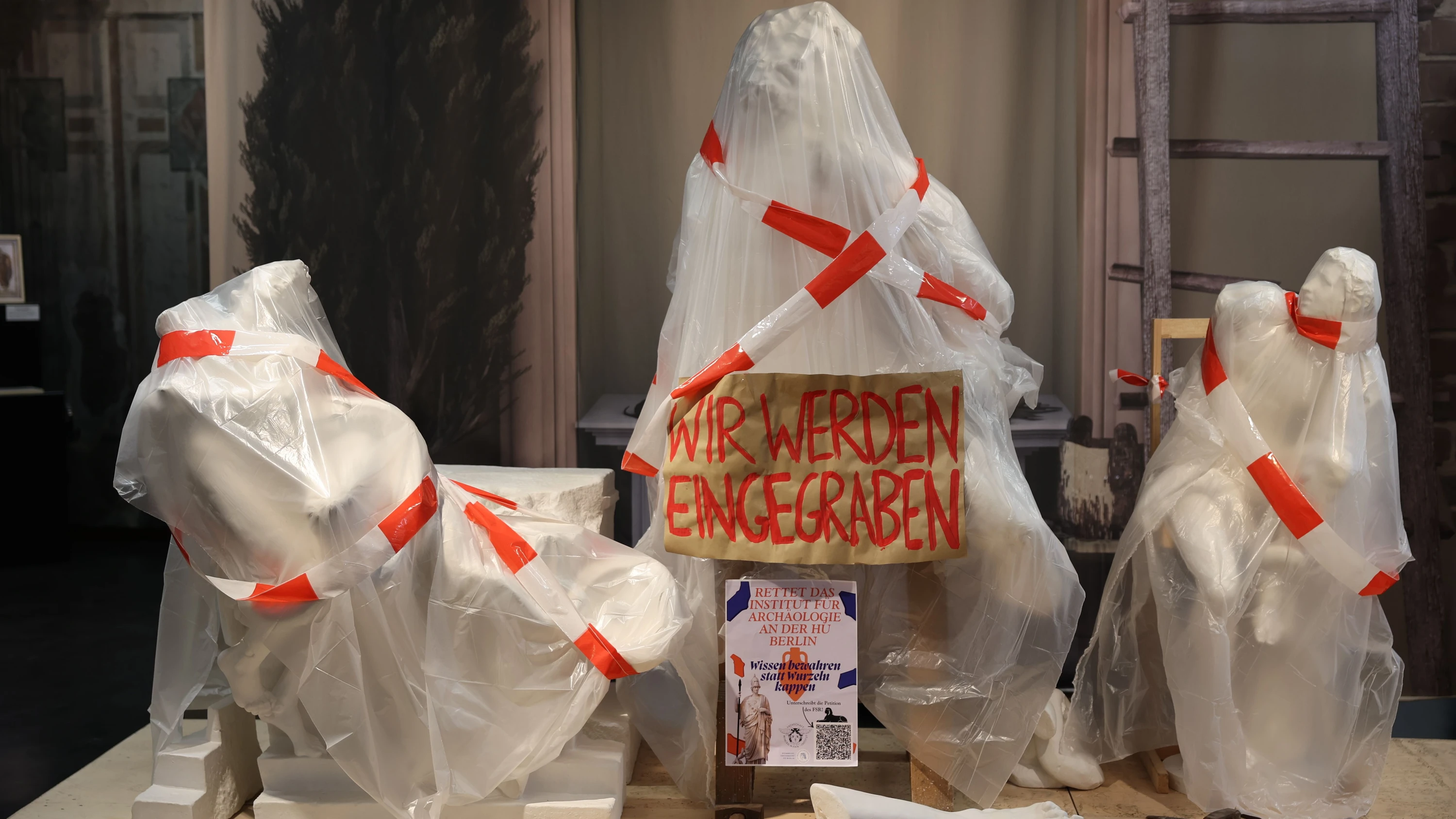
Archäologie an der HU: Wie der Sparzwang an Berliner Unis die Kultur bedroht Die geplante Schließung der Archäologie an der Humboldt-Uni sei akademischer Kannibalismus, sagt der Direktor des archäologischen Parks in Pompeji, Gabriel Zuchtriegel. Ein alternatives Konzept liegt schon vor.
faz · 3 days ago

Its Time Europe+ Asserted Leadership and Challenged the US in Bosnia As Christian Schmidt readies to quit as High Representative, Europe and its allies must resolutely push for a powerful successor – and forget compromising with a United States that has radically shifted position in the region.
balkaninsight · 3 days ago
Why Brussels is getting tougher on China The European Commission is preparing to take a much tougher line on China, we hear on this episode of the Brussels Playbook Podcast, with Zoya Sheftalovich joined by Nick Vinocur. Brussels is growing increasingly worried about cheap imports, industrial decline and dependence on Chinese critical raw materials. Then: Despite more than 20 EU sanctions packages […]
politico.eu · 3 days ago
EU plans to force companies to buy parts from non-Chinese suppliers New rules to target chemicals and industrial machinery makers
financial times · 3 days ago
Seoul officials discuss response to USTR trade probe, EUs steel safeguard plan Trade Minister Yeo Han-koo (R) speaks at the 55th trade promotion meeting held in Seoul on March 20.…
europesays.com · 3 days ago
Moscows German front company: How the Russian military bought European Prosecutors say a trading firm routed dual-use components through Turkey and into the Kremlins war machine.
politico.eu · 3 days ago
FT: NATO Chief to Put Pressure on EU Defense Companies to Please US Islam Times – NATO Secretary General Mark Rutte plans to put pressure on European defense corporations and agencies…
europesays.com · 3 days ago
EU Council Agrees Position on Erasmus+ 2028-2034 18 May 2026 The Council of the European Union signed off on its negotiating position for the next…
europesays.com · 3 days ago
Top U.S. general to visit Poland, Brussels amid troop rotation dispute General Dan Caine, chairman of the U.S. Joint Chiefs of Staff, is due to arrive in Europe on…
europesays.com · 3 days ago
Blair: Difesa e riforme, la Ue deve ritagliarsi un ruolo in Medio Oriente Lex premier inglese sullEurope Gulf Forum: Confronto informale su cui i leader delle due aree possono costruire. Su Gaza la soluzione cè. Hamas deve lasciare il potere e sostenere il nuovo governo che nasce. LEuropa e il Golfo dipendono dagli Usa, ma devono rendere il rapporto più equilibrato
corriere · 3 days ago