
Berlins mayor Wegner apologises after court confirms he misled public on power outage

Berlin’s Regierender Bürgermeister Kai Wegner (CDU) has faced fresh scrutiny over his handling of the January 3 power outage after court-forced disclosures confirmed he misled the public about his early-morning communications that day. On Wednesday, Wegner issued a rare public apology on X, acknowledging that his initial statements had created an impression he now deeply regrets. “Through my statements in early January, an impression arose that I still very much regret today,” he wrote, adding that he had conducted two phone calls before 1 p.m. and relied heavily on text messages. He reiterated apologies made in March to *Bild* and *B.Z.* newspapers, stressing a commitment to learning from mistakes. “What counts for me is that Berlin overcame the power crisis faster than initially expected,” he said, thanking those involved in the response.
The apology followed a *Tagesspiegel* report, confirmed by the Senate Chancellery, that Wegner’s first official call on January 3 did not occur until 12:45 p.m.—contradicting his earlier claim of starting at 8:08 a.m. in a January 7 television interview. The Chancellery told the newspaper that prior to 12:45 p.m., communication had been conducted exclusively via text messages. Wegner’s evolving narrative—including a later assertion that he had spent the morning “locked at home” making calls—has drawn sharp criticism from political opponents and commentators alike.
SPD Spitzenkandidat Steffen Krach accused Wegner of serial deception, stating, “It is abundantly clear that someone who has demonstrably lied to Berliners about crisis management on the day of the power outage is unfit for office.” Krach argued that Wegner’s credibility gap warranted resignation, asserting, “Under normal circumstances, this would be grounds for stepping down—there is no room for interpretation when the trust in political leadership and the integrity of the office have been so severely damaged.”
The controversy deepened after *taz* reported that Wegner had threatened legal action amid early inconsistencies before later attributing the discrepancies to “communication errors.” The newspaper questioned whether a politician repeatedly found to have misled the public could remain in office, noting that German leaders—including in Berlin—have resigned over far lesser transgressions.
Wegner’s crisis communication has become a central campaign issue ahead of Berlin’s upcoming elections. Critics argue that his handling of the January 3 incident reflects broader governance concerns. *Tagesspiegel* editorialized that his falsehoods strike at the “foundations of democracy,” warning that public trust in leadership cannot be casually dismissed.
As the political fallout intensifies, Wegner’s future remains uncertain. While he has stopped short of resigning, the accumulation of evidence and sustained opposition pressure suggests the scandal will dominate Berlin’s political discourse in the coming weeks. For now, the Regierender Bürgermeister’s focus appears to be on damage control—yet the damage to his reputation may already be irreversible.
Follow us for live European news
- 5
- 5
- 2
- 2
- 1
- 1
- 1
- 1
- 1
3 further sources not geolocated
Articles

Vom „Jedermannsrecht zum Privileg für Wenige Die Informationsfreiheit in Deutschland befindet sich in einer Krise. Bereits die Ampelregierung hatte ihr Versprechen nicht eingelöst, die Informationsfreiheitsgesetze zu einem Transparenzgesetz weiterzuentwickeln. Dieser Trend gipfelte im Papier des Koalitionsausschusses vom 2.7.2026. Im Rahmen einer Paketlösung hat die Bundesregierung angekündigt, das IFG umfassend zu ändern. Die politischen Vorschläge des Koalitionsausschusses sind aus unserer Sicht weitreichend, sodass die Informationsfreiheit in Deutschland faktisch abgeschafft werden könnte. Einschränkungen im Anwendungsbereich, hohe Gebühren und neue Ablehnungsgründe würden eine zentrale Ressource der Demokratie aushöhlen. The post Vom „Jedermannsrecht zum Privileg für Wenige appeared first on Verfassungsblog.
verfassungsblog · 1 day ago

Problemy z obsadzeniem ambasady w Kanadzie. RMF FM: Kandydat zrezygnował Zarówno MSZ, jak i Pałac Prezydencki, przekonują, że chcą szukać kompromisu. W praktyce jednak spór o nominacje ambasadorskie dalej pozostaje nierozwiązany. Jak informuje RMF FM, były europoseł Krzysztof Lisek zrezygnował z ubiegania się o stanowisko ambasadora RP w Kanadzie.
gazeta.pl · 1 day ago

Sikorski i Kosiniak-Kamysz podsumowali szczyt NATO. "Tym razem prezydent potraktował stanowisko rządu poważnie" Szkoda, że nie możemy mówić o tym, co było na zamkniętych sekcjach, ale chcę, by państwo nam zaufali, że to była naprawdę dobra, sojusznicza rozmowa - podkreślił Radosław Sikorski. Szef MSZ odniósł się także do możliwego udzielenia przez USA Ukrainie licencji na produkcję pocisków do systemów Patriot.
gazeta.pl · 1 day ago

Redenschreiber: „Das Verwenden der KI ist kein Zeichen geistiger Faulheit Die Reden von Spitzenmanagern auf den Hauptversammlungen seien durchweg „besser, bunter und rhetorisch durchdachter als noch vor einigen Jahren, sagen die Profis. Drei Manager haben besonders überzeugt.
faz · 1 day ago
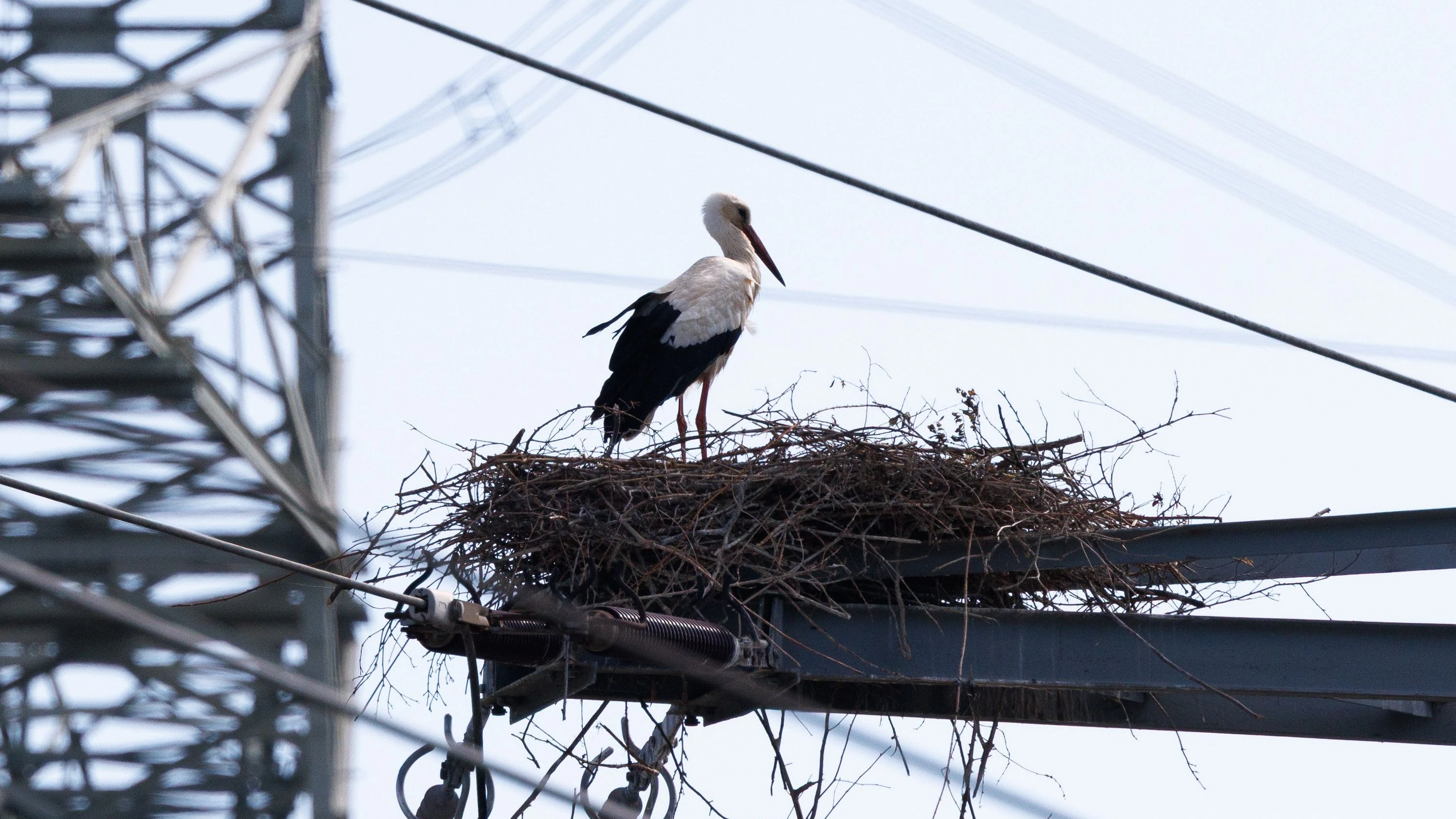
Bundesnetzagentur: Nicht im Nest gemütlich machen Die Bundesnetzagentur rügt schwache Leistungen der Stromnetzunternehmen. Doch im ständigen Wettlauf gegen Schönrechnerei und Informationsungleichheit muss sie auch selbst Schritt halten.
faz · 1 day ago

Stromausfall in Berlin: Wegner hat nicht vor 12.45 Uhr telefoniert Seit Monaten beschäftigt die Berliner die Frage, was ihr Regierender Bürgermeister am Vormittag des 3. Januars getan hat. Jetzt bestätigt auch die Senatskanzlei: Telefoniert hat er nicht.
faz · 1 day ago
Rīga mayor Kleinbergs survives opposition attempt to oust him Rīga mayor Viesturs Kleinbergs (Progressives) defeated an attempt to force his resignation on Wednesday.
lsm.lv · 1 day ago
How many majorities has Labour won? Sir Keir Starmer claimed in an interview that his party has only ever won three majorities—but thats not actually correct.
full fact · 1 day ago
Lobnik: Očitki na MVK-ju so bili neutemeljeni. Žavbi se mu je opravičil za žaljivko. Zagovornik načela enakosti Miha Lobnik je zavrnil očitke o nestrokovnosti in neučinkovitosti institucije, ki so jih nekateri poslanci izrekli na seji mandatno-volilne komisije. Medtem se vrstijo obsodbe neprimerne izjave Lenarta Žavbija o Lobniku.
rtv slovenia · 1 day ago

O ministro imprudente reprovou nos exames Alberto Gonçalves comenta a turbulência em curso na distribuição e a correção dos exames do ensino secundário, uma falha informática já detectada no ano passado e não corrigida entretanto
observador · 1 day ago

Deputado vai ficar no Chega: recua após reunir com Ventura Deputado do Chega enviou dois e-mails a Aguiar-Branco em três horas: num confirmou passagem a não-inscrito, no outro pediu para se esquecer a comunicação anterior. Pelo meio reuniu com Ventura.
observador · 1 day ago

Sebastião Bugalho ficou sozinho na cara do touro? Governo em contradição interna sobre a audição de ex-ministros do PS. O novo regime de rendas gera expectativas e críticas de populismo. Os exames digitais foram um passo maior que a perna?
observador · 1 day ago

Le ministre allemand de la Défense refuse de partager des renseignements avec les ministres de lextrême droite Boris Pistorius craint des fuites vers Moscou. ...
la libre · 1 day ago
Mona Keijzer: Klein clubje mannen nam alle besluiten tijdens coronacrisis De besluiten in de coronacrisis werden volgens Mona Keijzer genomen door een "klein clubje mannen". Er was binnen het kabinet ruimte voor tegenspraak, maar daar werd volgens de oud-staatssecretaris niets mee gedaan. Alles was gericht op het tegengaan van besmettingen.
nu.nl · 1 day ago
Keijzer kritisch over clubje mannen dat coronabeleid bepaalde, toch stapte ze zelf niet op
parool · 1 day ago

Hoe een soevereine wethouder in Twente na zes dagen opstapte
trouw · 1 day ago

„Ich habe am 3. Januar vor 13 Uhr zwei Telefonate geführt – Kai Wegner verteidigt sich Nachdem seine Kommunikation zum Januar-Stromausfall erneut stark in der Kritik steht, hat sich Kai Wegner nun über X gemeldet. Er bedauere den Eindruck, der durch seine Aussagen entstanden sei.
welt.de · 1 day ago
Kai Wegner und seine Lügen: Es geht um die Grundpfeiler der Demokratie Es ist nun amtlich belegt, dass der Berliner Regierungschef es nicht so genau nimmt mit der Wahrheit. Das sollte niemandem egal sein.
tagesspiegel · 1 day ago
Warten auf Strukturgespräche: Nach Spitzengespräch: Zoff im Eisschnelllauf vorerst auf Eis Burgfriede im deutschen Eisschnelllauf: Erfurts Top-Athleten können auf eine gute Lösung hoffen. Wie es auf einmal dazu kommt.
tagesspiegel · 1 day ago
Krisenmanagement: Regierender: Habe mich für Darstellung entschuldigt Wann hat Berlins Regierender Bürgermeister am ersten Tag des großen Stromausfalls mit wem telefoniert? Kai Wegner nimmt nun noch einmal Stellung zu dem Thema - und die Opposition kritisiert.
tagesspiegel · 1 day ago
Berliner Bürgermeister Kai Wegner: Für einen Rücktritt ist es nie zu spät Berlins Regierender Bürgermeister Kai Wegner hat am Morgen des Stromausfalls am 3. Januar doch nicht telefoniert. Selbst hatte er mehrfach das Gegenteil behauptet. mehr...
taz.de · 1 day ago
Kancléř Merz sází na švédský recept. Pro Němce chce pozdější odchod do penze i investice na burze Německo vyhlíží největší důchodovou reformu za několik desetiletí. Inspirovalo se ve Švédsku a kancléř Friedrich Merz doufá, že se ji podaří prosadit navzdory hlasitému nesouhlasu odborů.
denik n · 1 day ago
Seguro esteve bem na reprimenda ao ministro da Educação? António José Seguro espera que, findo o processo de classificação, a relação de confiança que existe com o sistema de avaliação continue intacta.
publico · 1 day ago
Garden Helsinki | Junailusta kiitetty avustaja: Orpo tiesi ministeriön kielteisestä kannasta hallin tukemiseen Areenalobbaaja Jan Vapaavuori kiitti pääministerin erityisavustajia "junailusta". Katri Mannisen mukaan kyse oli asiallisista neuvotteluista.
helsingin sanomat · 1 day ago
Mona Keijzer vond dat ze de onnavolgbare maatregelen niet meer kon uitleggen Ze zag heus het belang van virusbestrijding, van genoeg capaciteit in de ziekenhuizen en van bescherming van potentiële patiënten tijdens de coronapandemie, zegt…
nrc · 1 day ago
CDA-prominenten kritisch op leider Bontenbal die zich tegen het kerkasiel keert Maandag maakte Henri Bontenbal in een brief bekend dat het CDA „geen voorstander is van een nieuw kinderpardon. Partijprominenten reageren kritisch: „Een gemiste kans voor het CDA.
nrc · 1 day ago

Mona Keijzer bij corona-commissie over crisismaatregelen: Er was geen touw meer aan vast te knopen
de volkskrant · 1 day ago
Ex-Wirecard-Chef Braun beklagt Isolation von Familie Er sei „weiter sehr energetisch, sagte der aus Österreich stammende Ex-Manager am 270. Verhandlungstag des Münchner Wirecard-Prozesses.
die presse · 1 day ago

Aus dem Hintergrund in die Parteizentrale: Wer ist der neue ÖVP-General Markus Gstöttner? Der 39-Jährige ist kein Berufspolitiker. Neue Herausforderungen scheint er geradezu zu suchen. Das Amt des ÖVP-Generalsekretärs könnte zu seiner bislang schwierigsten werden
der standard · 1 day ago
![[lalibre] Le ministre allemand de la Défense refuse de partager des renseignements avec les ministres de lextrême droite #Europe](https://files.mastodon.social/cache/preview_cards/images/199/490/551/original/a8170f3fd197325a.jpg)
[lalibre] Le ministre allemand de la Défense refuse de partager des renseignements avec les ministres de lextrême droite #Europe
mastodon bot · 1 day ago