 Saturday, June 13Saturday, June 13
The World Health Organization warns that one in three adults under 50 now lacks knowledge of their blood type, a gap experts say could have life-saving consequences. A survey by the *Handelsblatt* reveals that nearly 35% of Germans aged 18–49 cannot state their blood group, despite its critical role in emergencies, transfusions, and pregnancy risks. "Knowing your blood type is not just academic—it can be the difference between life and death in a medical crisis," warns Dr. Elena Bauer, a hematologist at Berlin’s Charité Hospital .
The issue has gained urgency amid rising cases of sudden cardiac arrests among young athletes, such as Denmark’s Christian Eriksen, whose 2021 collapse on the pitch highlighted how undiagnosed conditions can strike even the fittest . While blood type alone does not prevent such events, experts note that rapid access to a patient’s blood group can expedite transfusions during emergencies. "In trauma cases, every minute counts," Bauer explains. "If a patient’s blood type is unknown, doctors default to O-negative, which isn’t always compatible."
The problem is global. In the Netherlands, where blood type awareness campaigns have lagged, the Dutch National Blood Bank reports a 12% increase in emergency requests for blood group testing over the past year . Meanwhile, Finland’s health authorities have begun integrating blood type checks into routine health check-ups for citizens under 30, a move hailed by the Finnish Red Cross as a "proactive step" .
Public awareness remains low. A 2025 Eurobarometer survey found that only 42% of EU citizens aged 18–34 could recall their blood type, with younger generations citing "lack of necessity" as the primary reason for not knowing . Social media trends, however, are shifting the narrative. TikTok and Instagram influencers, including Dutch presenter Quinty Misiedjan, have shared personal stories about living with conditions like atopie—where blood type awareness played a role in managing allergies .
Health advocates urge governments to act. The European Commission is considering mandating blood type disclosure in digital health passports, a proposal backed by the European Society of Hematology. "This isn’t about adding bureaucracy," says Bauer. "It’s about equipping people with the simplest tool to save lives." For now, the onus falls on individuals. Free at-home testing kits, available in pharmacies across Germany and the Netherlands, offer a quick solution—but uptake remains sluggish. As Bauer puts it: "The question isn’t whether you’ll need to know your blood type. It’s when."

Miks ründab vähk üha nooremaid? Teadlased osutavad ühele elustiiliveale Teadlased üle kogu maailma on pikalt otsinud vastust küsimusele, miks haigestuvad vähki üha enam noored ja elujõulised inimesed. Kahe ulatusliku uuringu tulemused viitavad ehmatavale seosele: selle globaalse kriisi taga võib peituda krooniline unepuudus ja segi paisatud unerütm.
postimees · 2 days ago
Leute: Kaley Cuoco erwartet ihr zweites Kind „The Big Bang Theory-Star Kaley Cuoco ist schwanger. Sie erwartet ihr zweites Kind. Das teilt die Schauspielerin auf Instagram mit - und verrät das Geschlecht des Babys.
tagesspiegel · 2 days ago
Spillernes fysikk har endret seg. Resultatet er en veldig forskjellig idrett, ifølge et norsk VM-ikon. – Dagens fotball krever mye av deg. Den fysiske delen av spillet er blitt viktigere, sier Kristian Thorstvedt.
aftenposten · 2 days ago
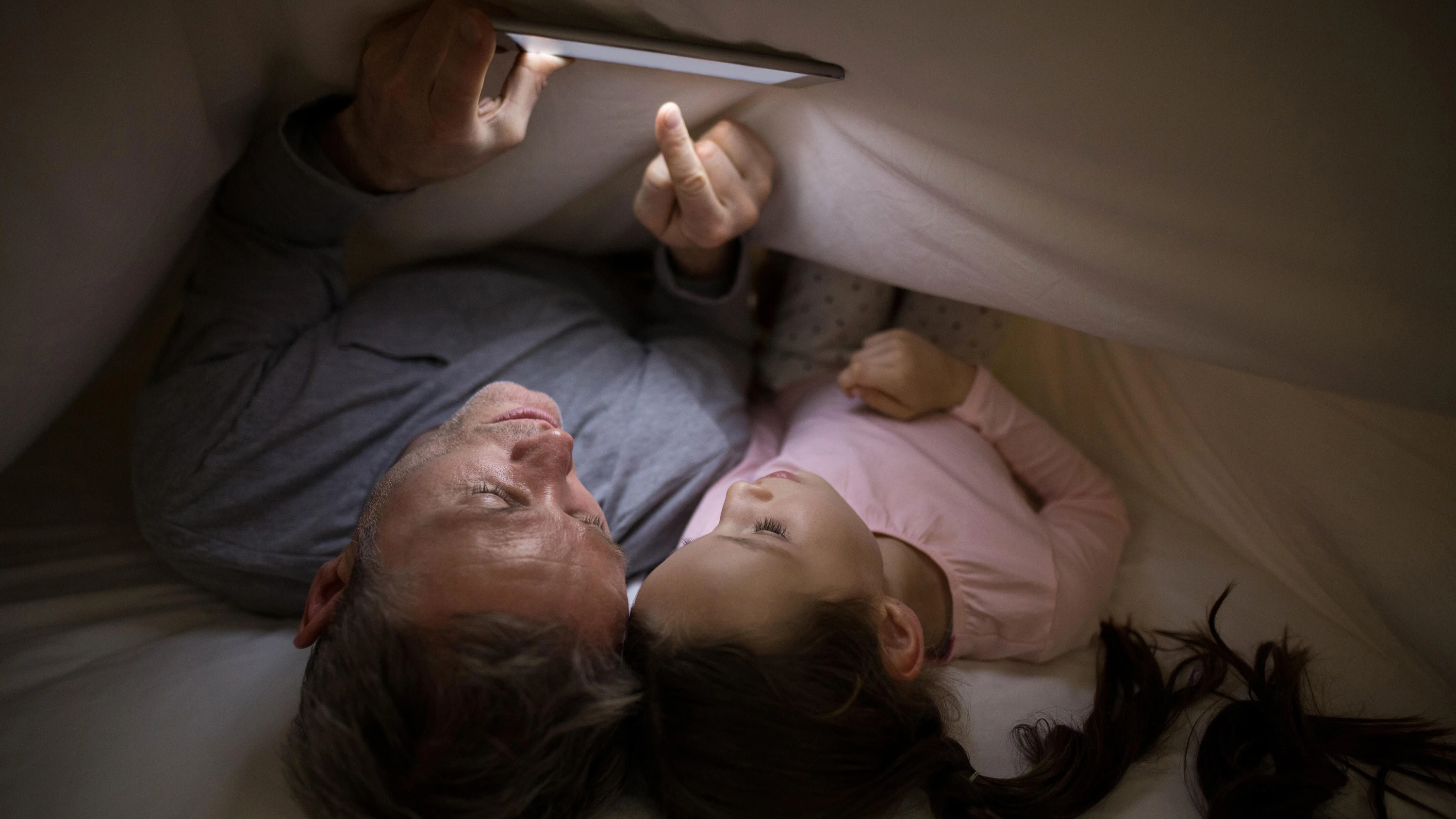
Bildschirmzeit regeln: „Natürlich kann man mit Kindern auch mal Fotos auf dem Smartphone schauen Arnika Thiede behandelt Kinder, die exzessiv am Smartphone hängen. Hier erklärt sie, wie man Bildschirmzeit gesund gestaltet und warum das Handy gelegentlich eine Belohnung sein darf.
faz · 2 days ago
Why birth rates are falling everywhere all at once Smartphones and a marked change to our digital media environment are changing our world. John Burn-Murdoch explains how
financial times · 2 days ago
SURMAGA SILMITSI ⟩ Põhjus, miks noored sportlased ootamatult kokku kukuvad Taani jalgpallitähe Christian Erikseni hiljutine vahejuhtum palliplatsil on karmiks meeldetuletuseks, et südamehaigused ei ohusta pelgalt eakaid või ebatervisliku eluviisiga inimesi.
postimees · 2 days ago
TT tiimiga liitus veel üks laskesuusataja: pakkusin end ise välja Eesti laskesuusataja Tuuli Tomingase ja treener Indrek Tobrelutsu tüüritav TT tiim sai veel ühe liikme – 21-aastase biatleedi Karl Rasmus Tiisläri.
postimees · 2 days ago
Aleksei Turovski: «Minu jaoks lemmikraamat on minu elukaaslane» Aleksei Turovski on Eesti zooloog, etoloog ja zoosemiootik, kes on pikka aega töötanud Tallinna loomaaias ning tegutsenud ka teadlase ja õppejõuna. Ta on tuntud loomade käitumise selgitajana ja teaduse populariseerijana, kelle kaasahaaravad loengud ja esinemised on teinud temast ühe Eesti armastatuma looduse tutvustaja. Aleksei Turovski sulest on ilmunud mitmeid loomariiki ja loodust avavaid raamatuid. Apollo uuris temalt, millist lektüüri ta ise hindab ja teistelegi soovitaks.
postimees · 2 days ago
Halu, kde se učili mistři světa, čeká rekonstrukce. Zimní stadion ve Žďáru dostane nový led Žďár nad Sázavou vyměňuje ledovou plochu tamního zimního stadionu. Je to první krok z celkové rekonstrukce haly ze sedmdesátých let, kde se učili hrát hokej i mistři světa. A souběžně Žďár jedná se státem o tom, jestli by se pod jednu střechu s hokejisty nedostaly i špičkové tratě pro rychlobruslení. Ve čtvrtek bude zastupitelstvo rozhodovat o memorandu.
irozhlas.cz · 2 days ago
Daniel Hůle: Bouře ve sklenici vody nad dotazníky školní inspekce Ptát se dětí, jak se mají a co dělají rodiče, šlo citlivěji. Ale ptát se musíme
respekt · 2 days ago
Quinty Misiedjan had atopie: Ik heb niet meer de kwalen, wel de littekens Quinty Misiedjan (29) deelt op social media regelmatig updates over haar leven als presentator en influencer. Wat veel mensen niet weten, is dat ze als kind kampte met atopie: een combinatie van astma, eczeem en allergieën. In het LINDA.vakantieboek blikt Quinty terug op die periode uit haar leven waarin ziekenhuisbezoeken eerder regel dan uitzondering waren.
rtl nieuws · 2 days ago
Joep Wennemars en Suzanne Schulting maken toekomstplannen: Het voelt vanzelfsprekend Suzanne Schulting (28) en Joep Wennemars (23) lijken elkaar niet alleen op het ijs gevonden te hebben, maar ook in het dagelijks leven. De twee vertellen in gesprek met het LINDA.vakantieboek hoe hun relatie ondanks hun drukke topsportbestaan zo vanzelfsprekend blijft voelen.
rtl nieuws · 2 days ago
Experte klärt auf: Ist es ein Problem, wenn ich meine Blutgruppe nicht kenne? Blutgruppe: keine Ahnung? Ein Experte verrät, warum das Wissen um die eigene Blutgruppe sinnvoll sein kann - und welche Wege es gibt, die zu erfahren.
handelsblatt · 2 days ago
„Artemis-Mondprogramm: Astronauten Maurer und Gerst rechnen fest mit Flug zum Mond Auf der Raumstation ISS waren sie beide schon, auf dem Mond noch nicht. Das kommt noch, sind die Astronauten Alexander Gerst und Matthias Maurer überzeugt. Und wer würde als Erstes abheben?
handelsblatt · 2 days ago
Publikum einbeziehen: So trainieren Sie entspannten Blickkontakt fürs Präsentieren Blickkontakt zu halten, fällt vielen beim Präsentieren schwer. Eine Coachin verrät eine einfache Übung, die Rednerinnen und Rednern dabei mehr Sicherheit und Selbstverständlichkeit geben soll.
handelsblatt · 2 days ago
Yleisurheilu | 110 metrin aidoissa uusi maailmanennätys: 20-vuotias opiskelija murskasi 13 vuotta vanhan ennätyksen JaKobe Tharp yllätti kaikki paitsi itsensä.
helsingin sanomat · 2 days ago

Zähneputzen, Bildschirmzeit, Schlafengehen: Eine Psychologin erklärt, wie Kindererziehung leichter wird Die deutsche Psychologin Svenja Taubner erklärt, warum bei alltäglichen Dingen oft Machtkämpfe zwischen Eltern und Kindern entstehen – und wie man diese vermeidet
der standard · 2 days ago
Hailey Bieber: Wie man gut geölt in den Tag startet Hailey Bieber hat ein neues Ritual für sich entdeckt – und freut sich, dass sie sich damit so richtig schön alt fühlt. Da haben wir den Salat!
die zeit · 2 days ago
Joep Wennemars en Suzanne Schulting over succes van hun relatie: Alles gaat makkelijker als je hetzelfde ritme hebt Suzanne Schulting (28) en Joep Wennemars (23) lijken elkaar niet alleen op het ijs gevonden te hebben, maar ook in het dagelijks leven. De twee vertellen in gesprek met het LINDA.vakantieboek hoe hun relatie ondanks hun drukke topsportbestaan zo vanzelfsprekend blijft voelen.
rtl nieuws · 2 days ago